White Tower
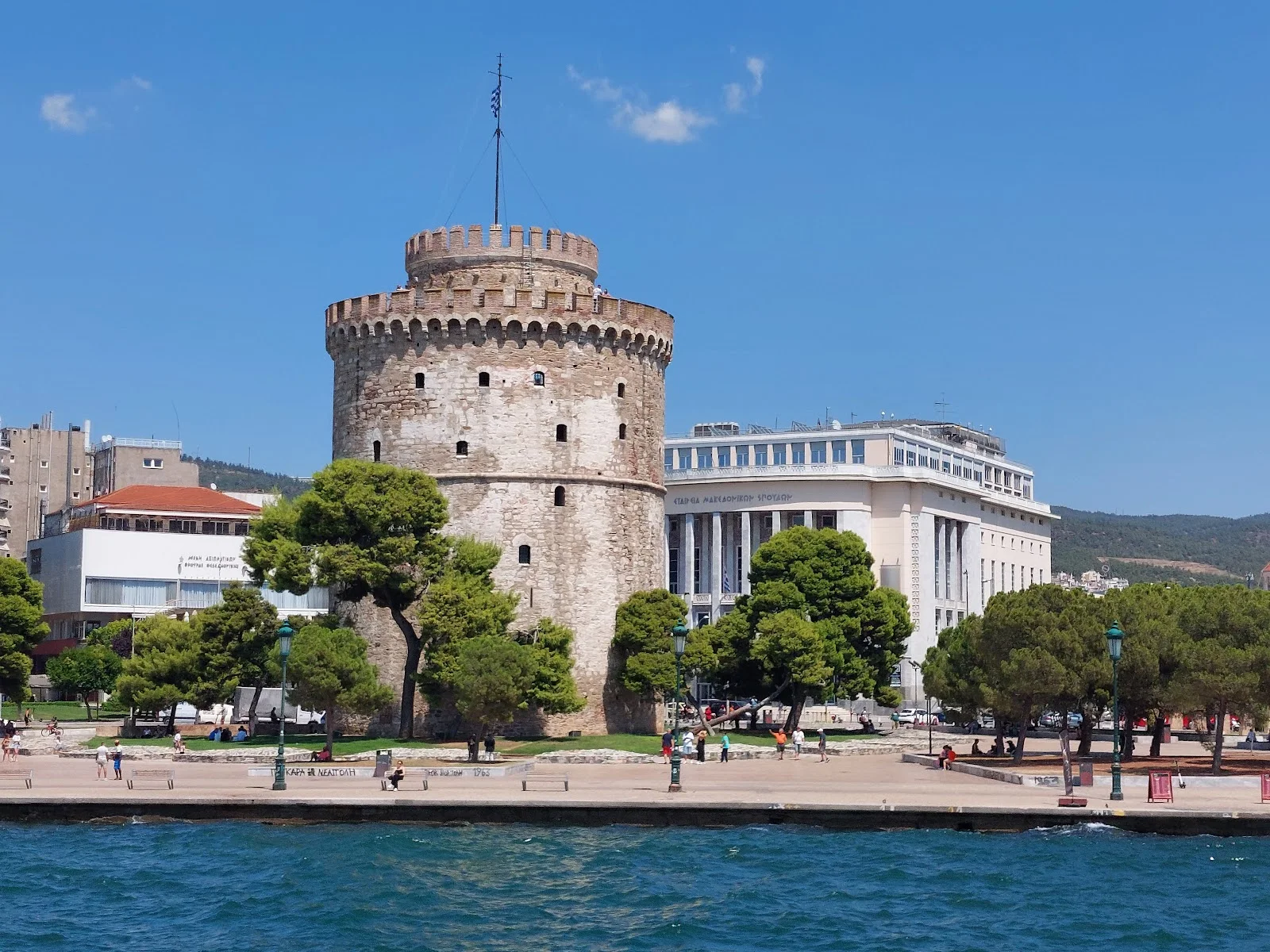
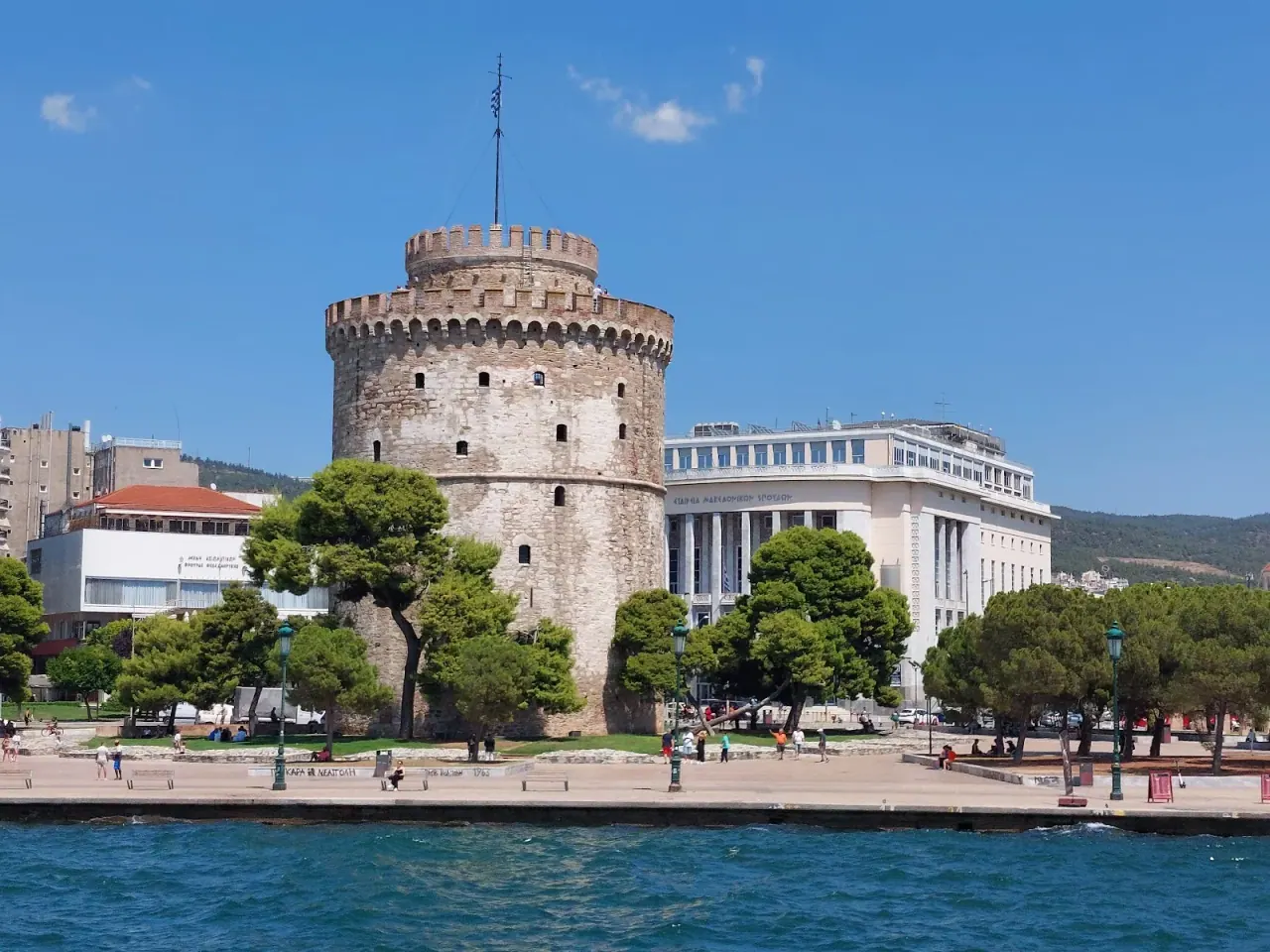
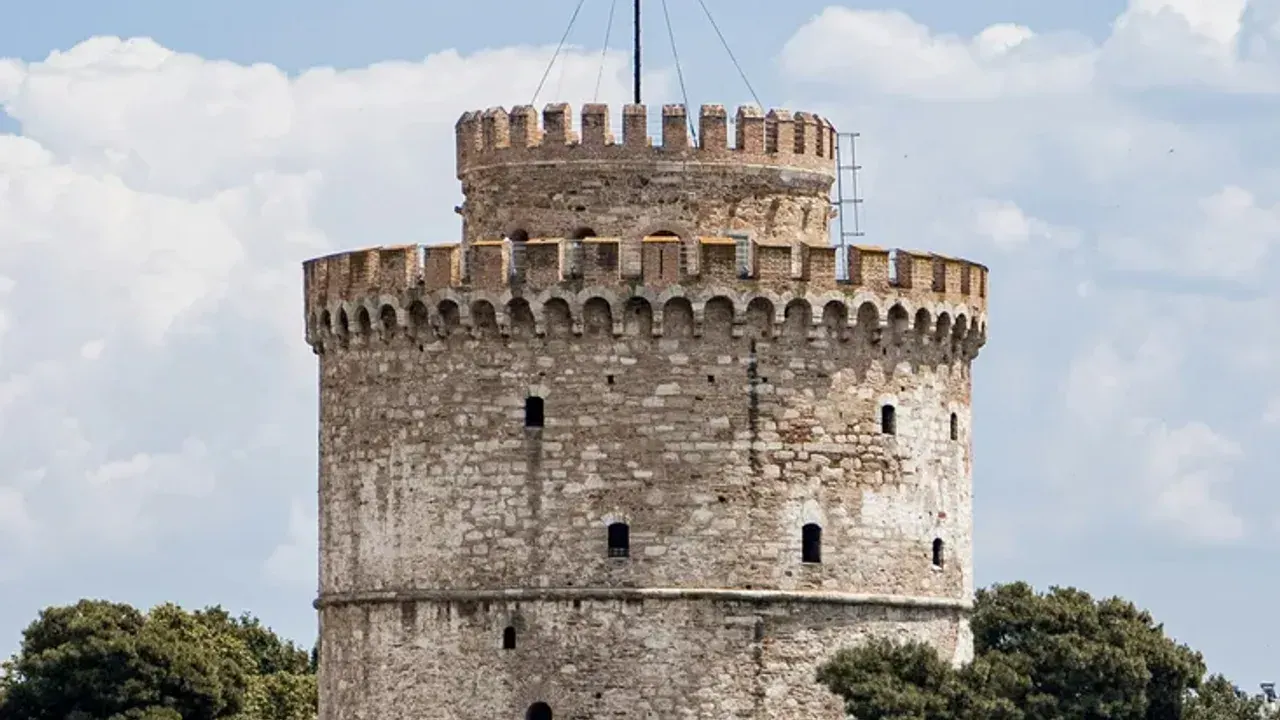
The White Tower is the emblem of Thessaloniki — a 34-metre cylindrical bastion on the waterfront that now holds a museum of the city's history across its spiralling six floors.

35 monumentos romanos, iglesias bizantinas, torres y museos por toda Tesalónica — desde la Rotonda del siglo IV hasta la ciudad alta otomana, casi todo accesible a pie.
Tesalónica lleva 2.300 años en capas — monumentos romanos, iglesias bizantinas y restos otomanos, casi todo a menos de 20 minutos a pie del centro. Quince de sus monumentos paleocristianos y bizantinos están inscritos conjuntamente en la lista del Patrimonio Mundial de la UNESCO (1988), la mayor concentración de sitios bizantinos del Patrimonio Mundial de cualquier ciudad griega. ¿Primera vez aquí? Empieza por estos tres.
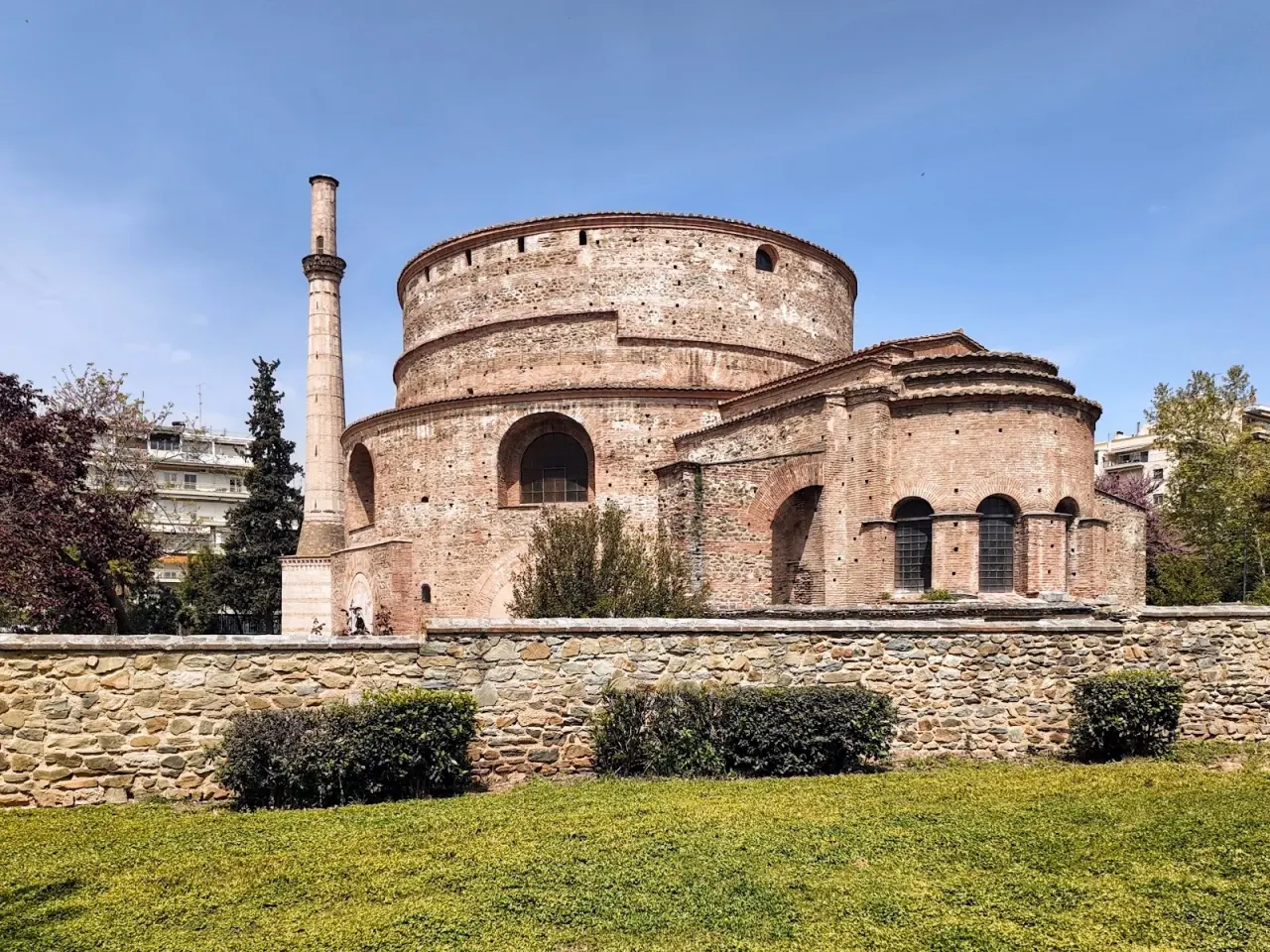
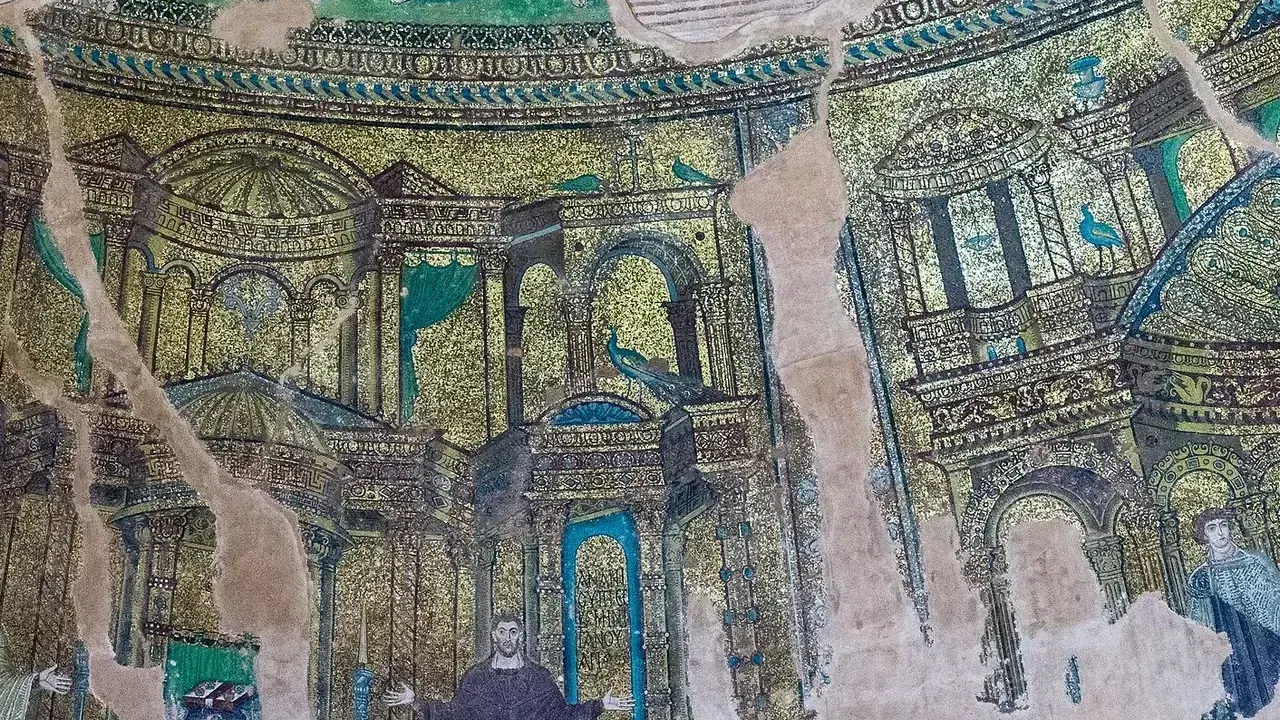
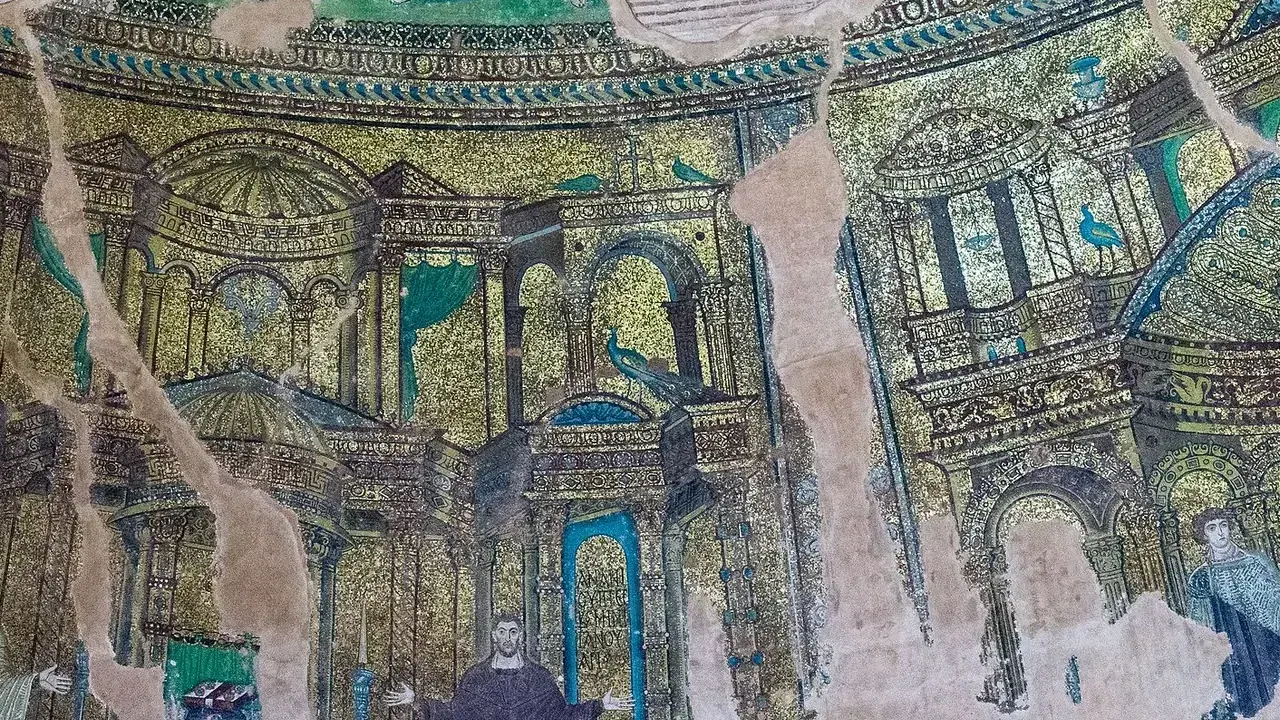
Una cúpula romana de 1.700 años revestida de mosaicos dorados — el único lugar que ninguna primera visita debería saltarse.
No te pierdasEl emblema de la ciudad frente al mar, con un museo en espiral y vistas desde la azotea sobre el golfo.
No te pierdasLa vasta basílica del santo patrón de la ciudad, construida sobre los baños romanos donde fue martirizado.
Entradas: una entrada combinada de €15 (válida 3 días) cubre la Torre Blanca, la Rotonda, el Museo Arqueológico y el Museo de Cultura Bizantina. Los sitios y museos estatales también son gratuitos unos pocos días al año — cada primer y tercer domingo de noviembre a marzo, más el 6 de marzo, 18 de abril, 18 de mayo y el último fin de semana de septiembre.
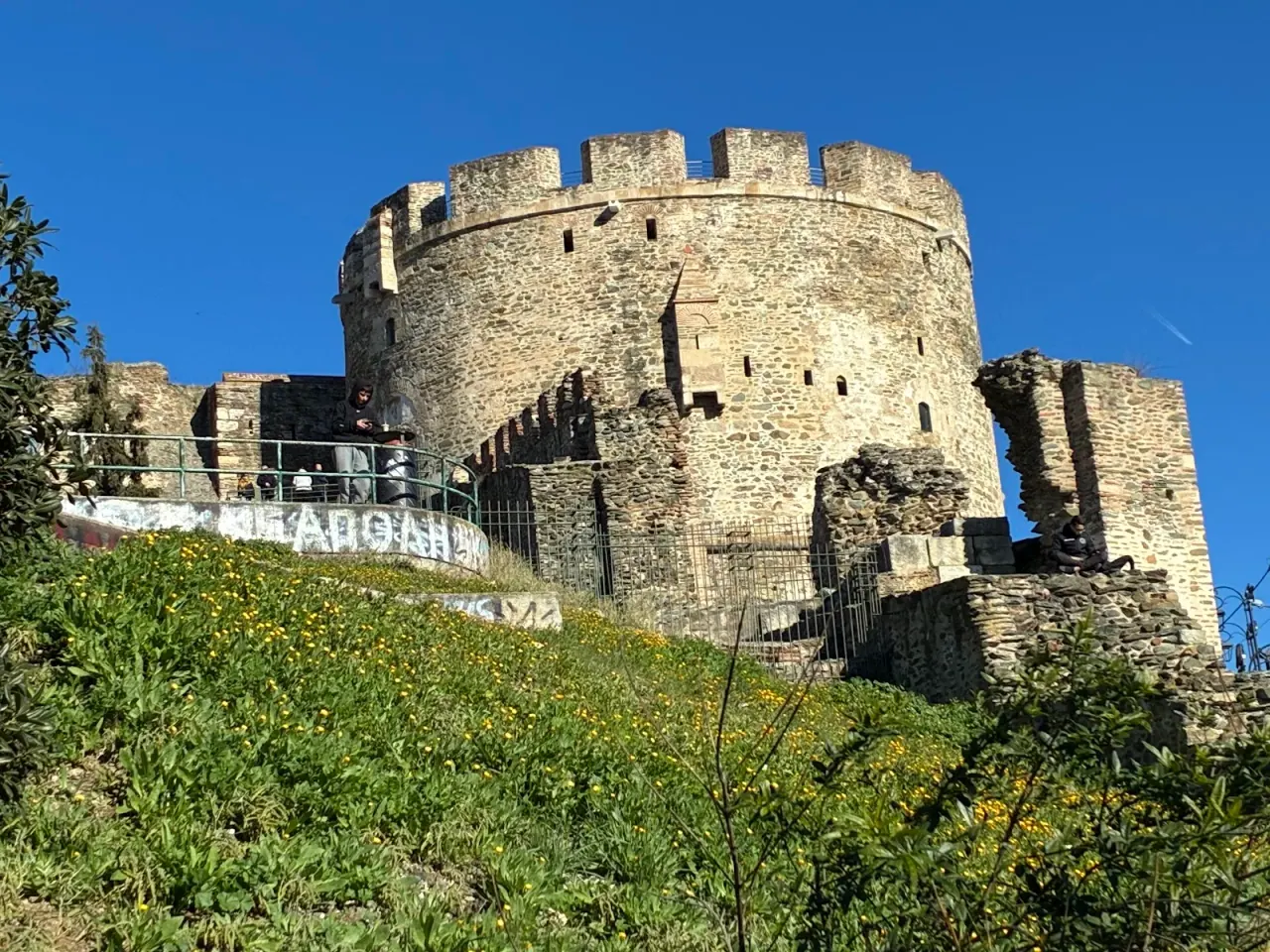
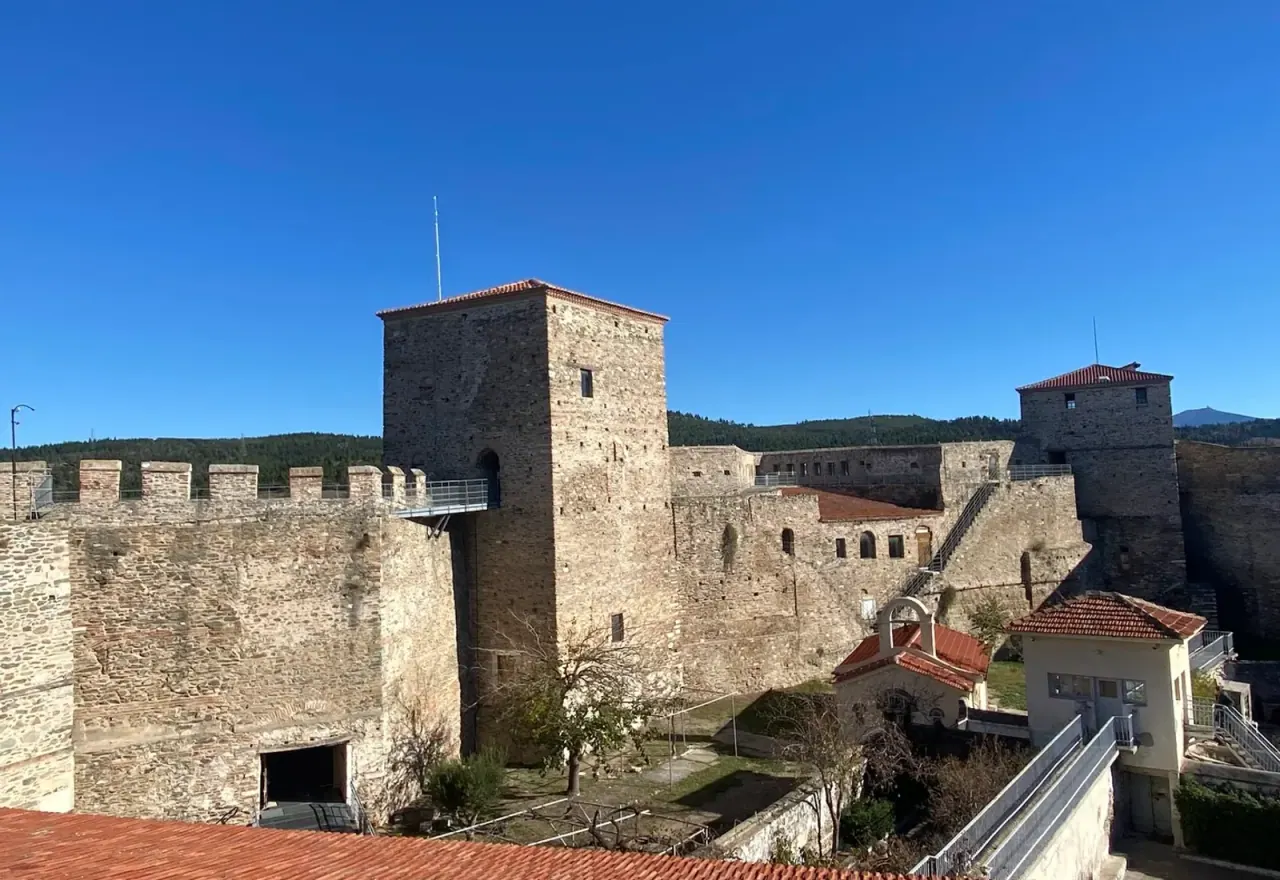
La Torre Blanca, las murallas bizantinas terrestres y marítimas, y el Heptapirgio en lo alto de la colina — las defensas que rodearon Tesalónica durante dieciséis siglos.

The White Tower is the emblem of Thessaloniki — a 34-metre cylindrical bastion on the waterfront that now holds a museum of the city's history across its spiralling six floors.

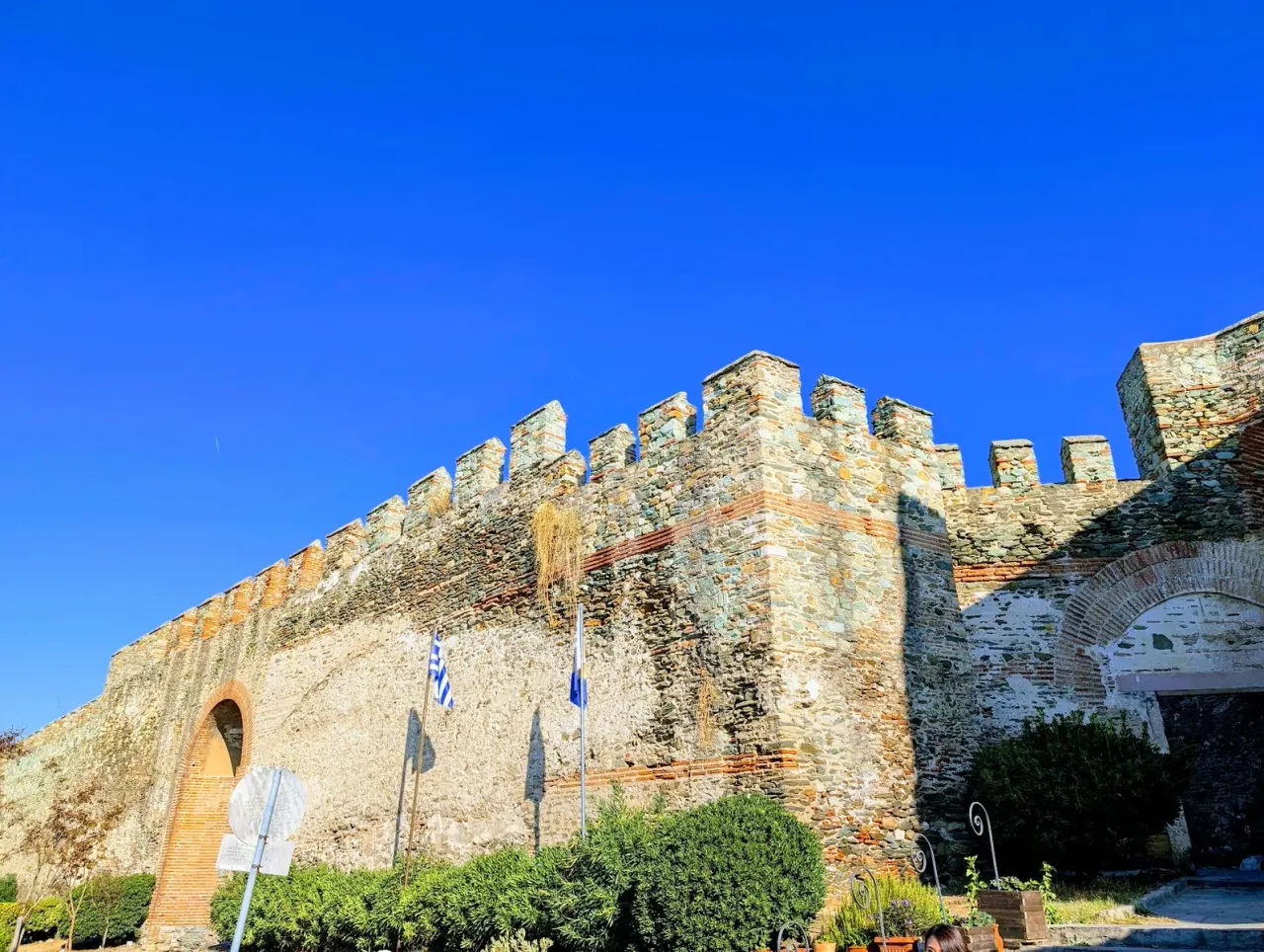
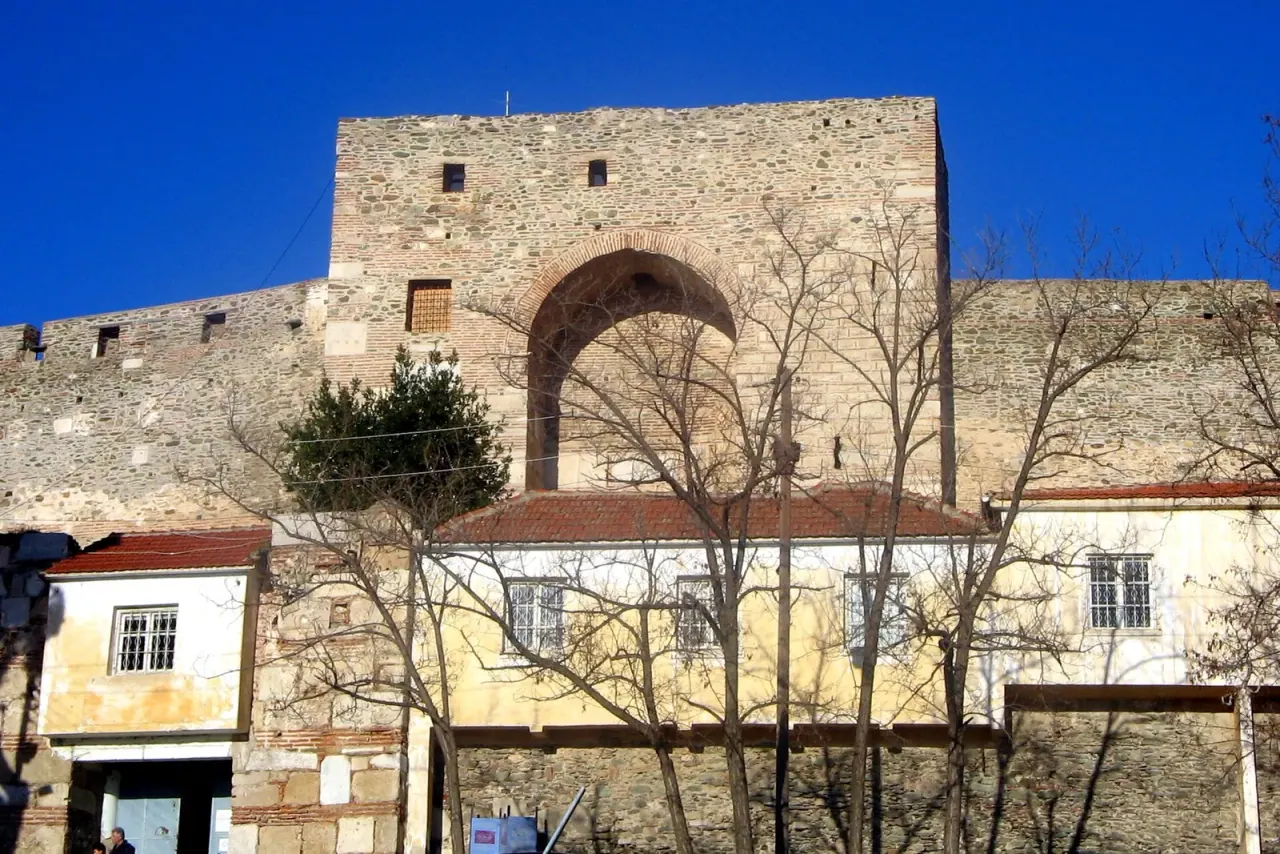
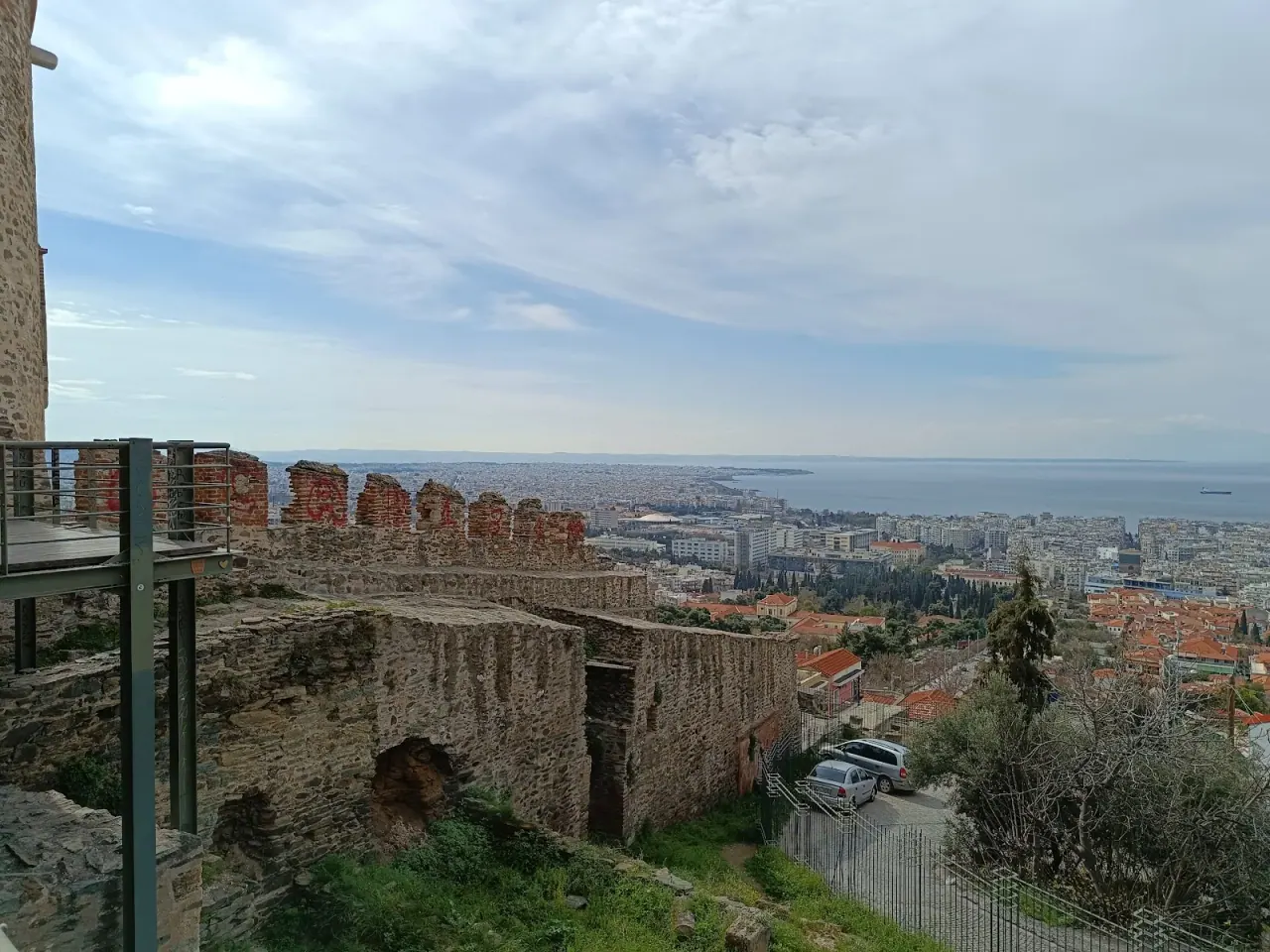
Long stretches of the city's late-Roman and Byzantine fortifications still stand, climbing the hillside around Ano Poli and offering some of the finest views in Thessaloniki. The walls are among the UNESCO-listed Paleochristian and Byzantine Monuments of Thessaloniki.

The 'Fortress of Seven Towers' — which despite its name has ten — crowns the acropolis of Thessaloniki, a walled citadel that guarded the city's highest ground before spending nearly a century, from the 1890s to 1989, as its most feared prison. It held political prisoners through the turbulent 20th century and lives on in old rebetiko songs by its Ottoman name, Yedi Kule.

A massive cylindrical artillery tower at the corner of the city walls — built by the Ottomans late in the 15th century to mount cannon after their conquest, and known in Ottoman times as the Chain Tower. The Trigonion is the classic viewpoint over Thessaloniki's rooftops and the sweep of the Thermaic Gulf.
El emperador Galerio dejó su huella por toda la ciudad: un arco de triunfo, una rotonda con cúpula, un extenso palacio, y el foro en su corazón.

A colossal Roman domed rotunda built around 306 AD under the emperor Galerius, later a church and then a mosque, whose interior preserves some of the most important early-Christian mosaics in the world — one of the UNESCO-listed Paleochristian and Byzantine Monuments of Thessaloniki.

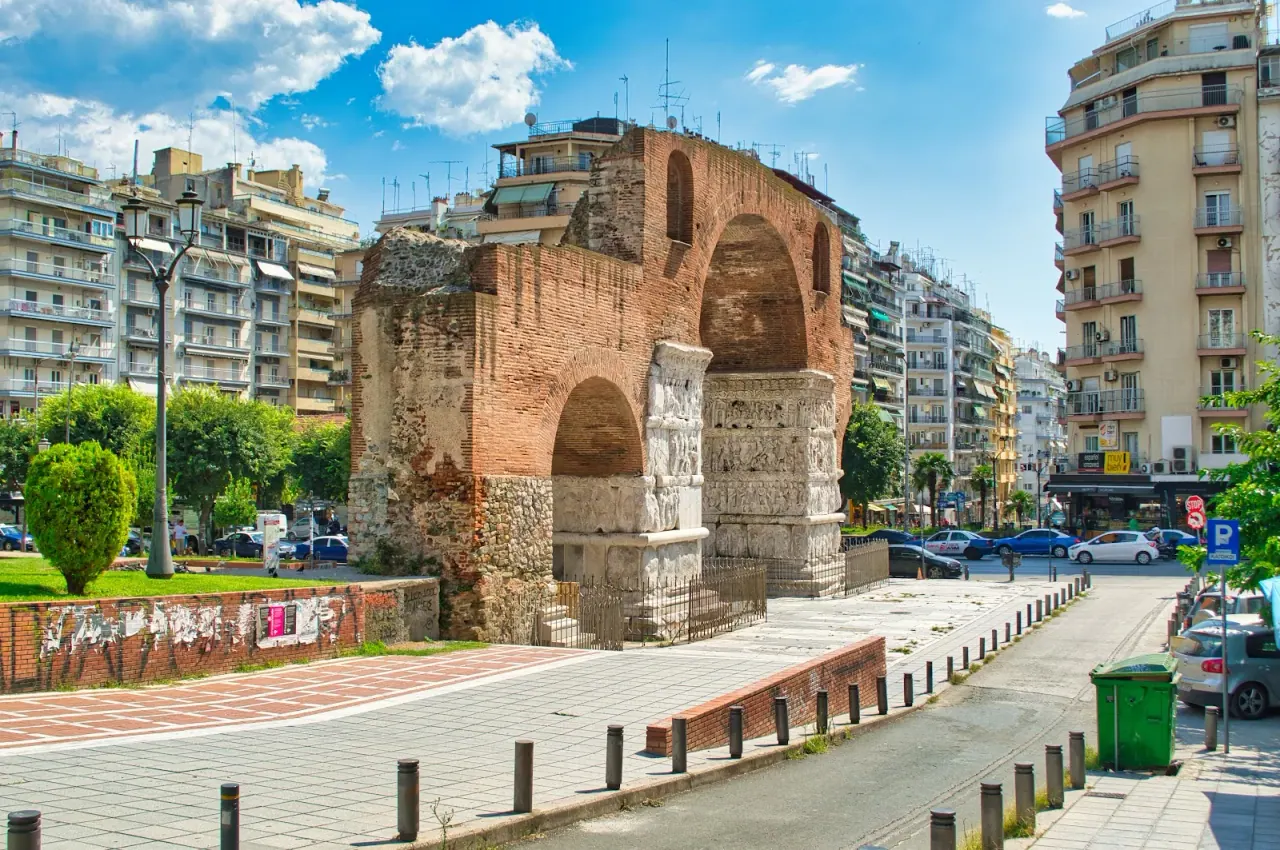
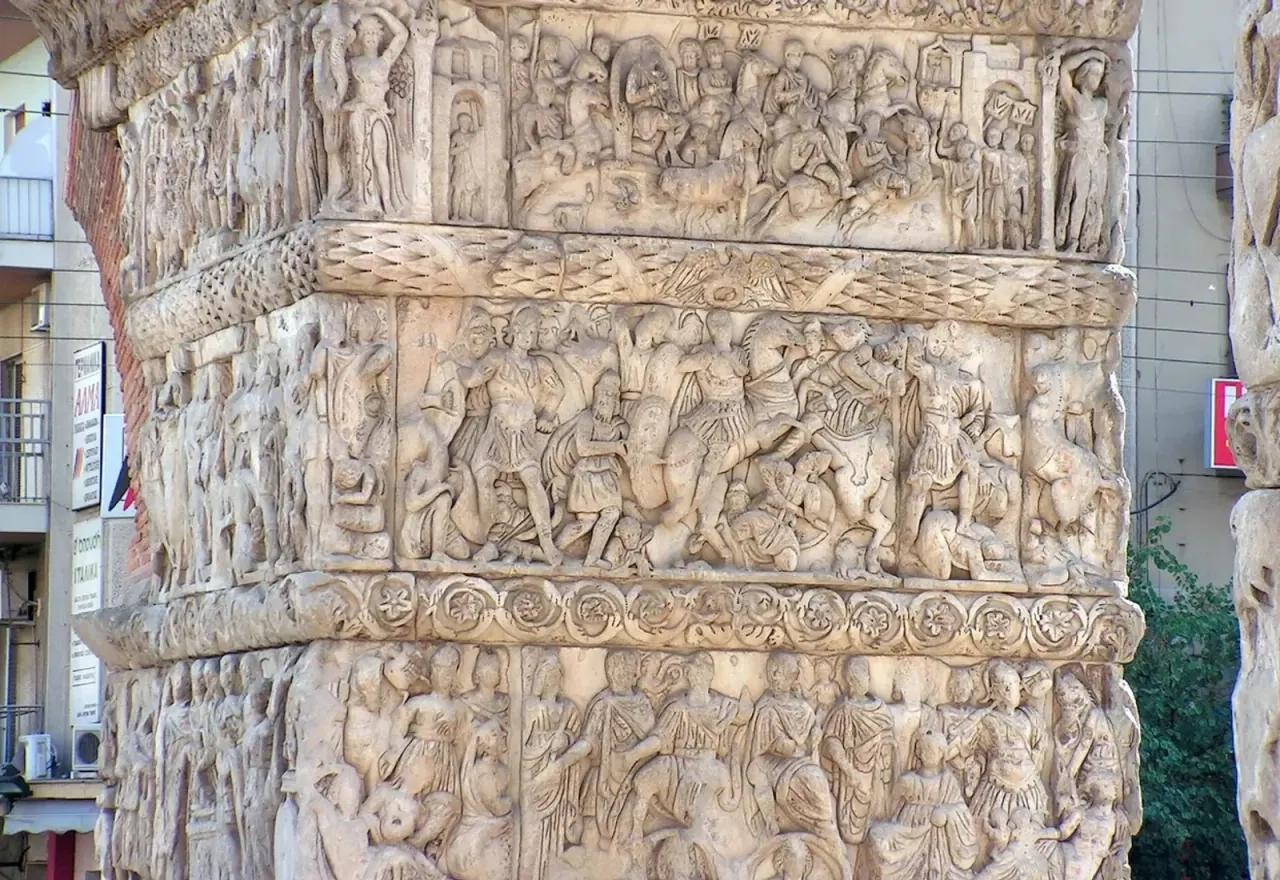
Known to everyone simply as 'Kamara', this triumphal arch from around 298–303 AD is the natural meeting point of the city. Its piers are carved with reliefs of the emperor Galerius's victory over the Sassanid Persian king Narseh at the Battle of Satala (298 AD), and it once stood on the ceremonial avenue that linked his palace to the Rotunda.

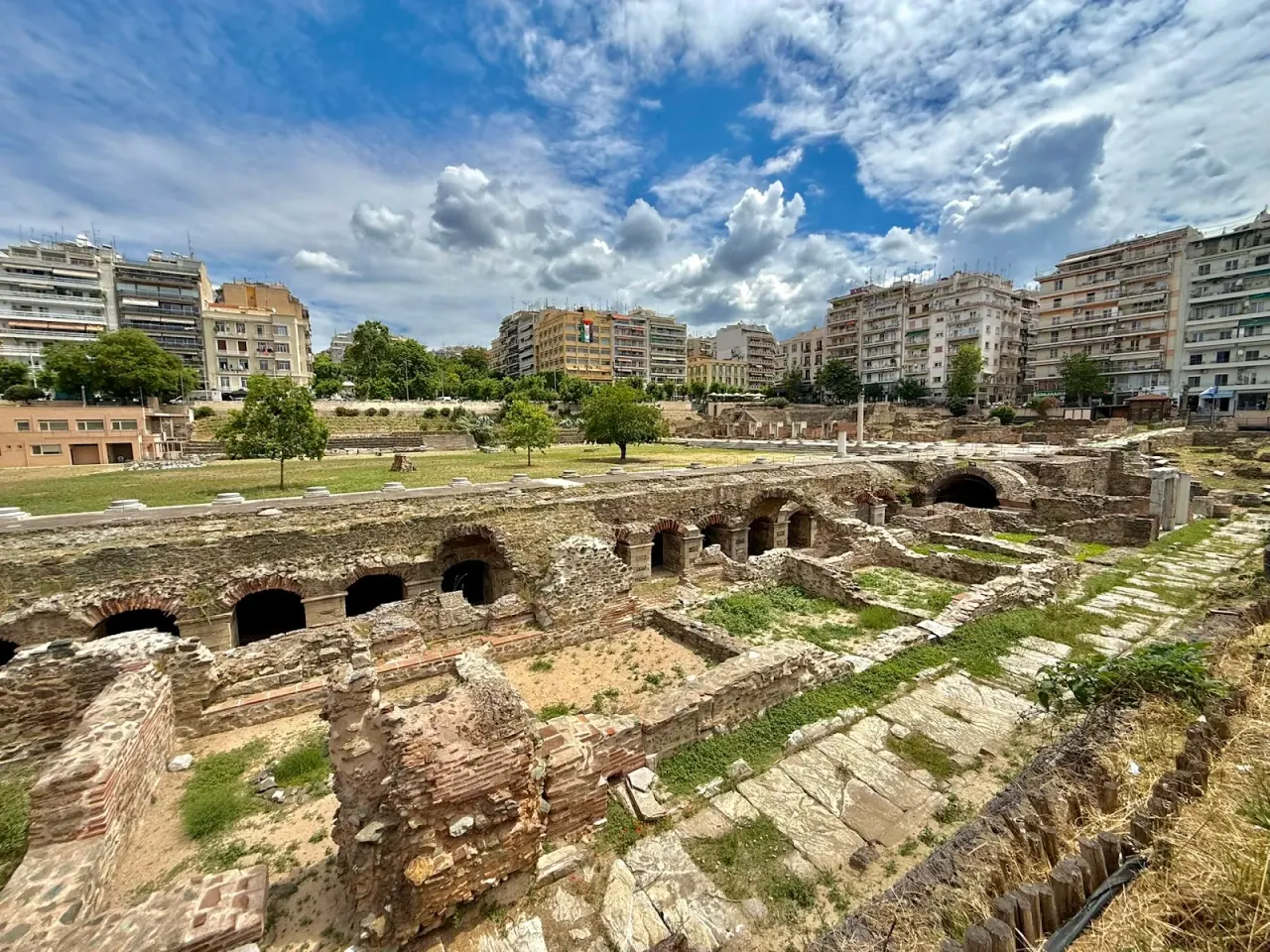
The administrative heart of Roman Thessaloniki, an excavated two-level forum built over an earlier Hellenistic agora, with a restored odeon (a small Roman theatre for performances and shows), colonnaded porticoes, and an underground cryptoporticus that now houses a small museum.

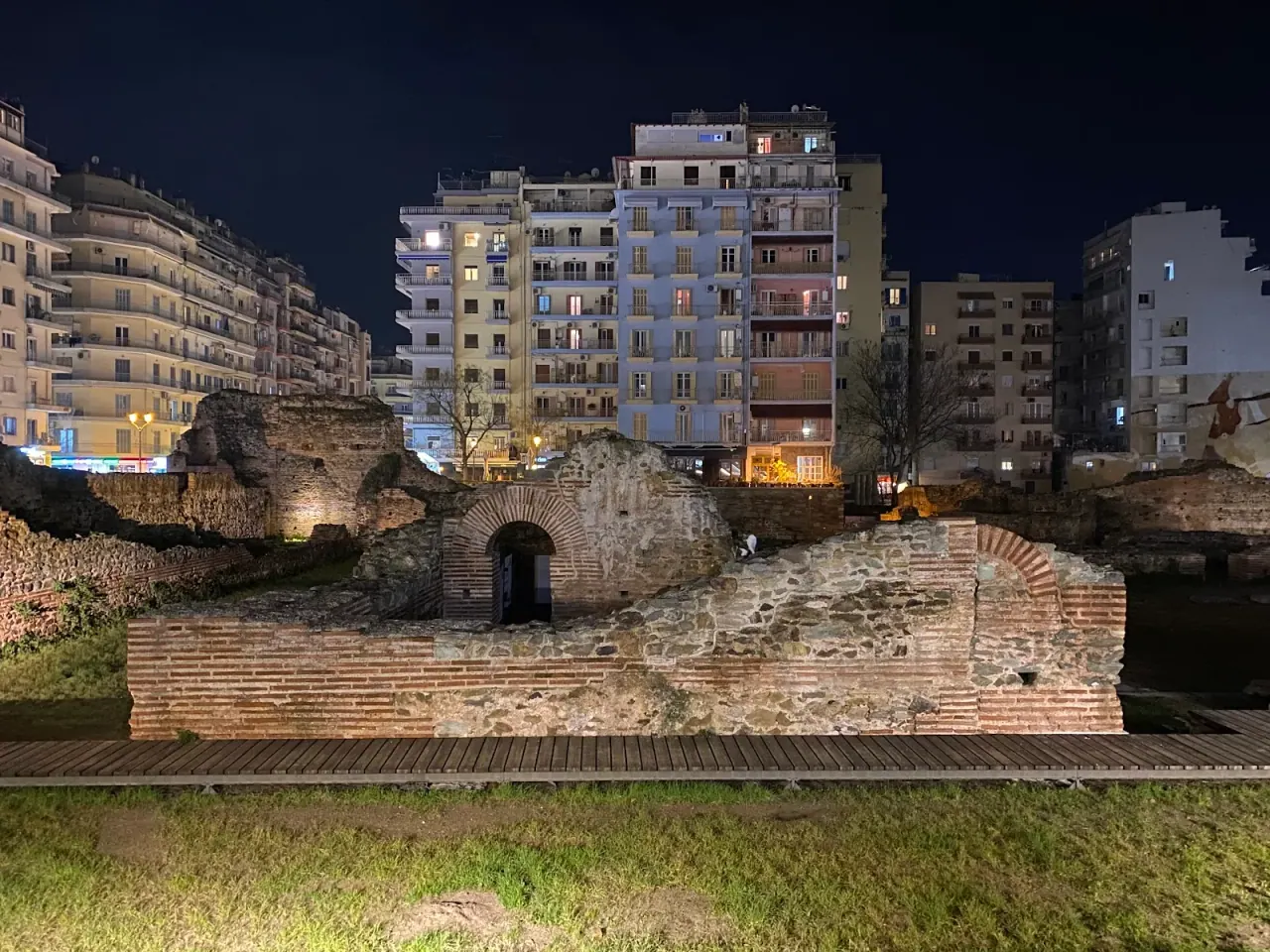
The excavated remains of the emperor Galerius's early-4th-century palace lie open in the middle of lively Navarinou Square, including an octagonal throne hall and mosaic floors. It was the heart of his imperial complex, linked by a ceremonial avenue to the Arch of Galerius and the Rotunda.
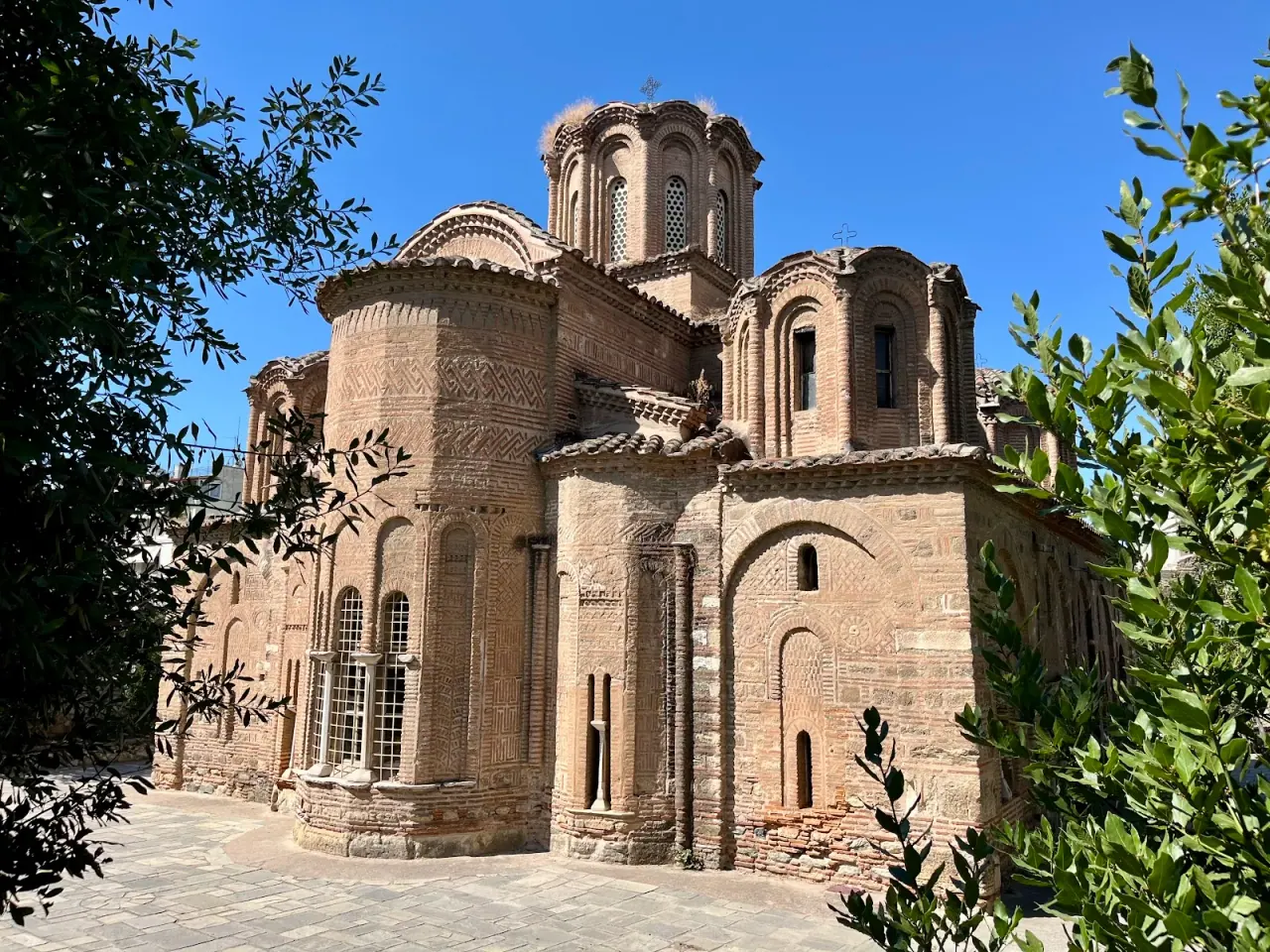
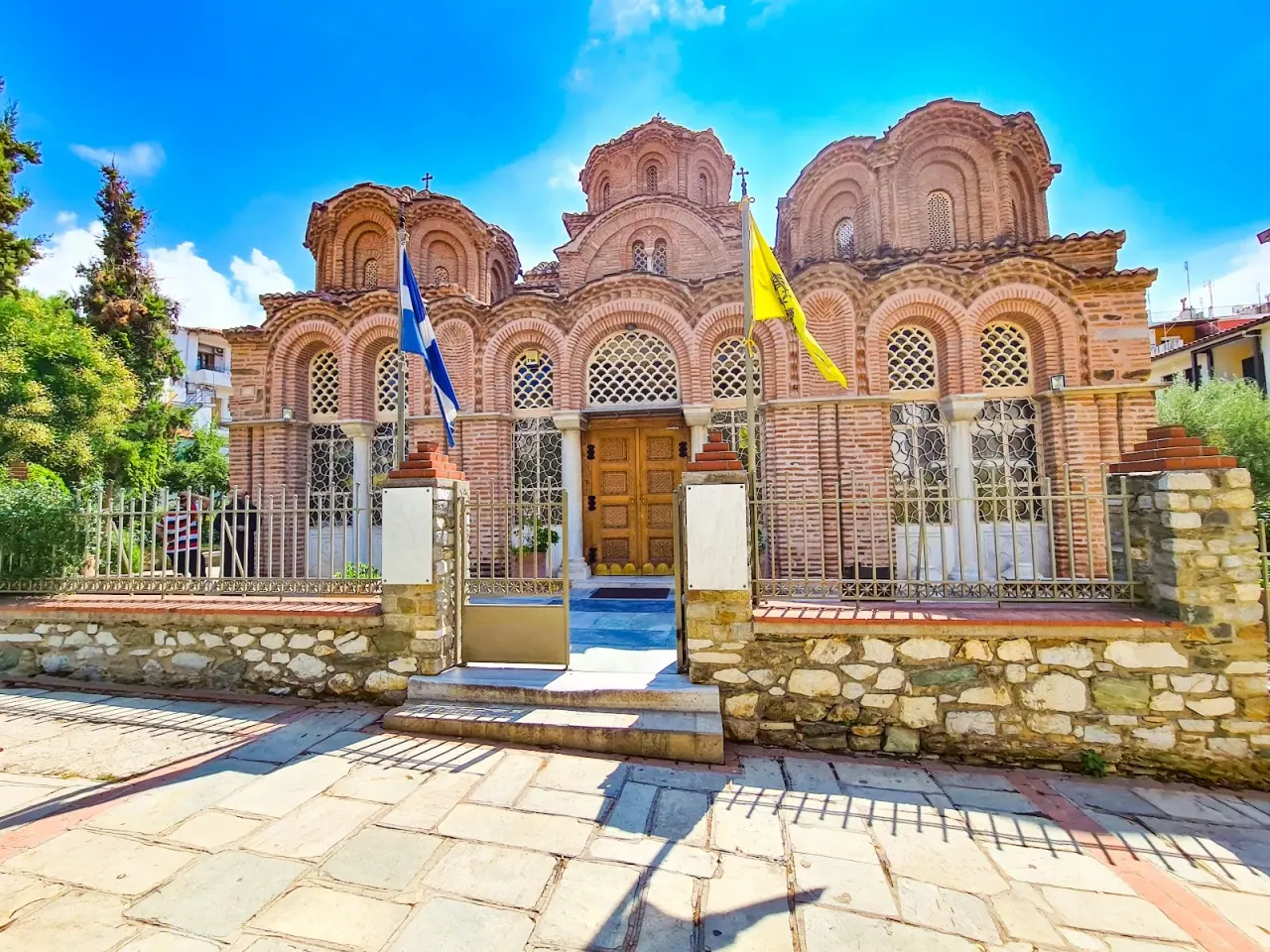
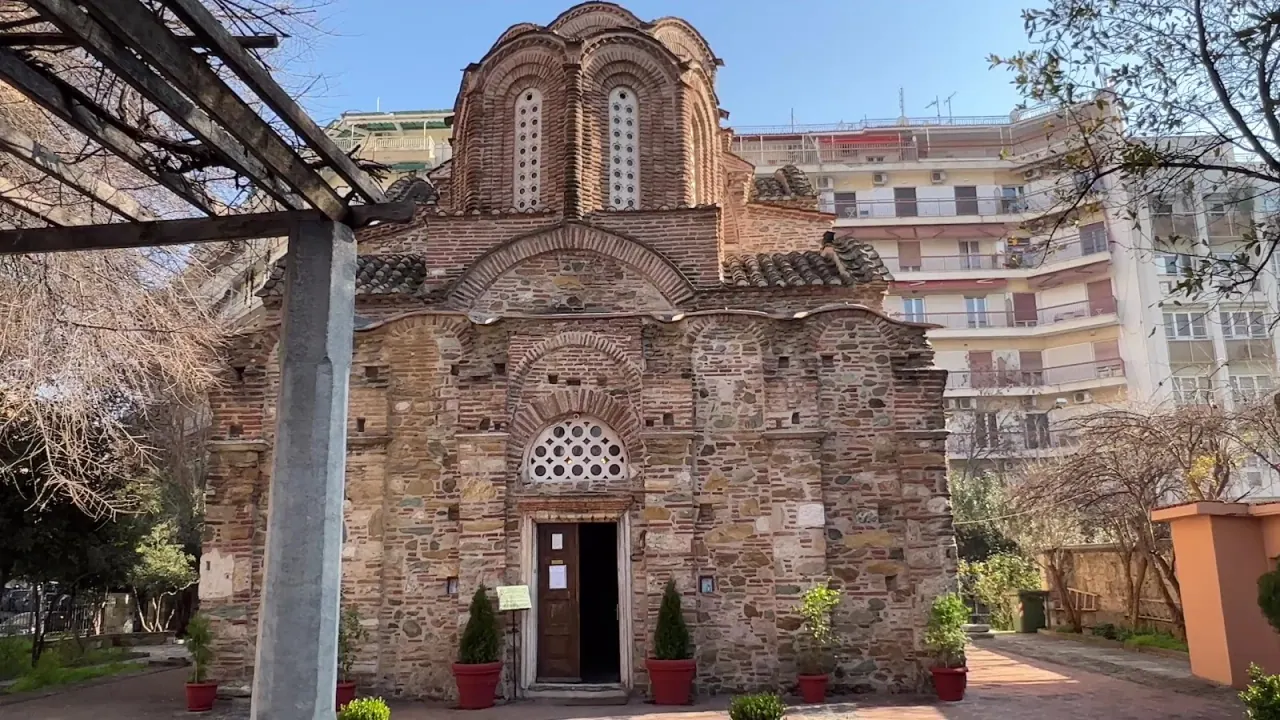
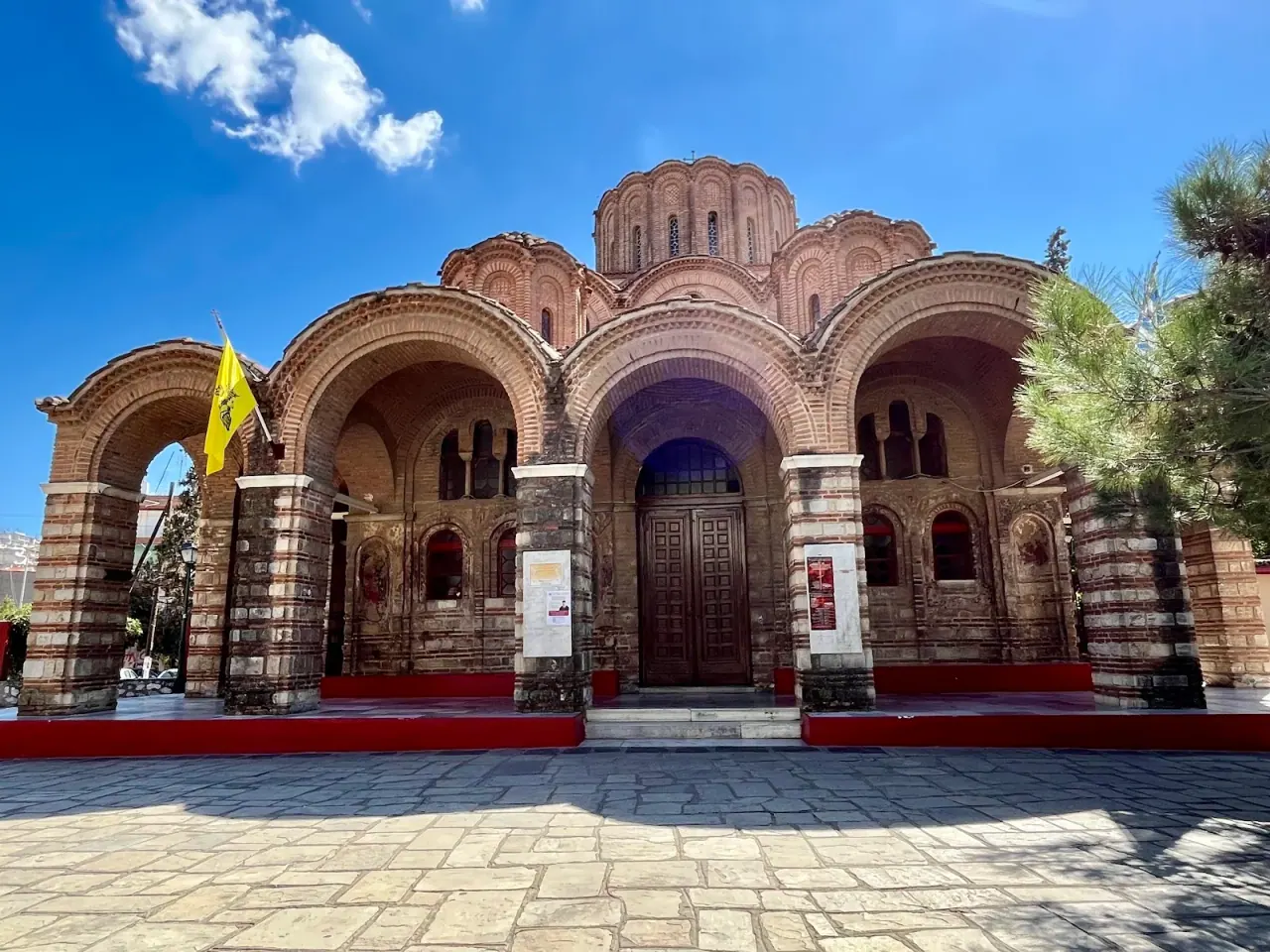
Las iglesias de Tesalónica declaradas por la UNESCO trazan todo el arco de la arquitectura bizantina, sus muros revestidos de mosaicos con fondo de oro y frescos.

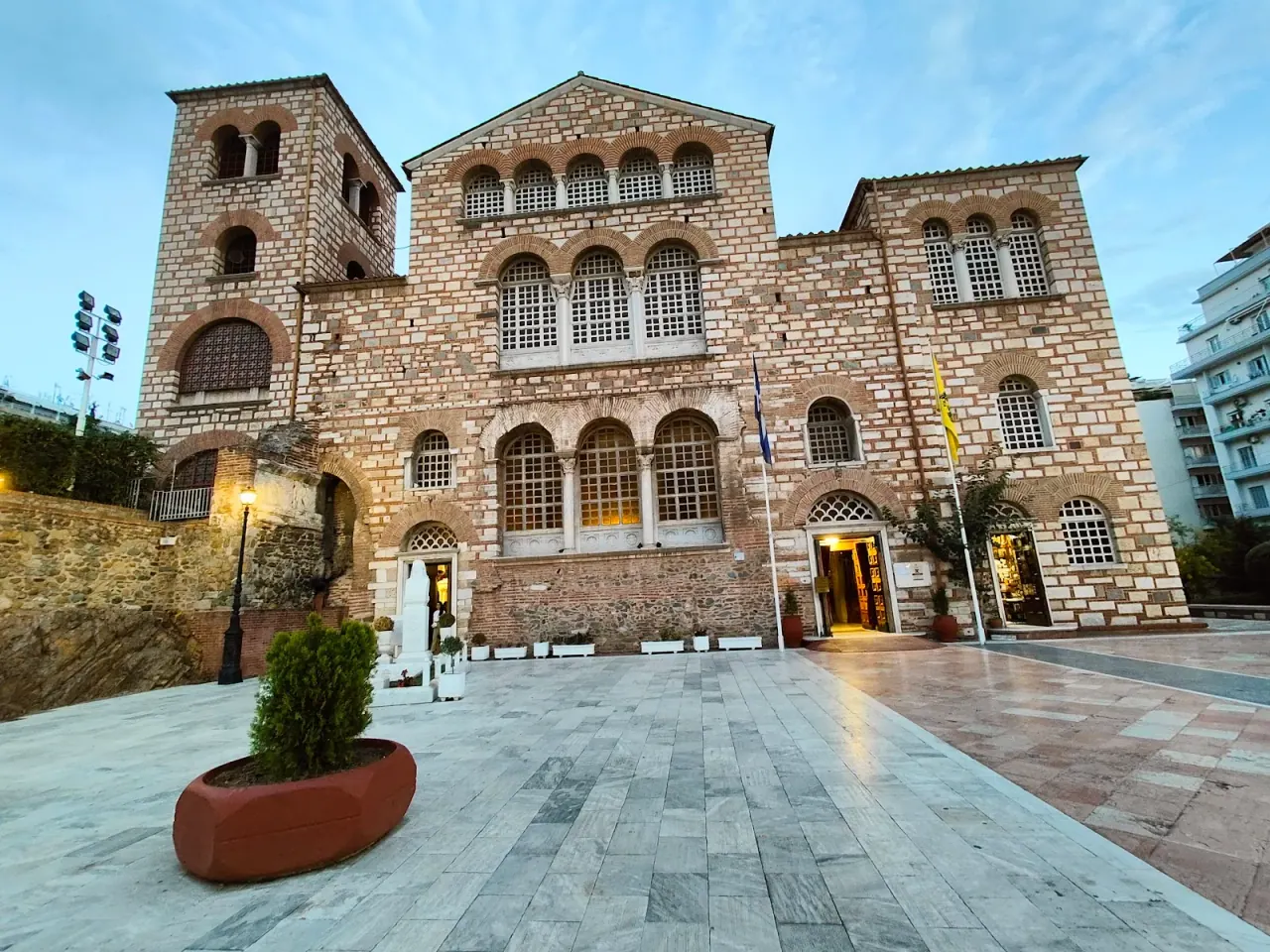
The five-aisled basilica of Saint Demetrius, patron of Thessaloniki, built over the Roman baths where he was martyred and home to rare 7th-century mosaics and an atmospheric crypt.

A squat, powerful 8th-century domed church modelled on its namesake in Constantinople, with a luminous mosaic of the Ascension in the dome.

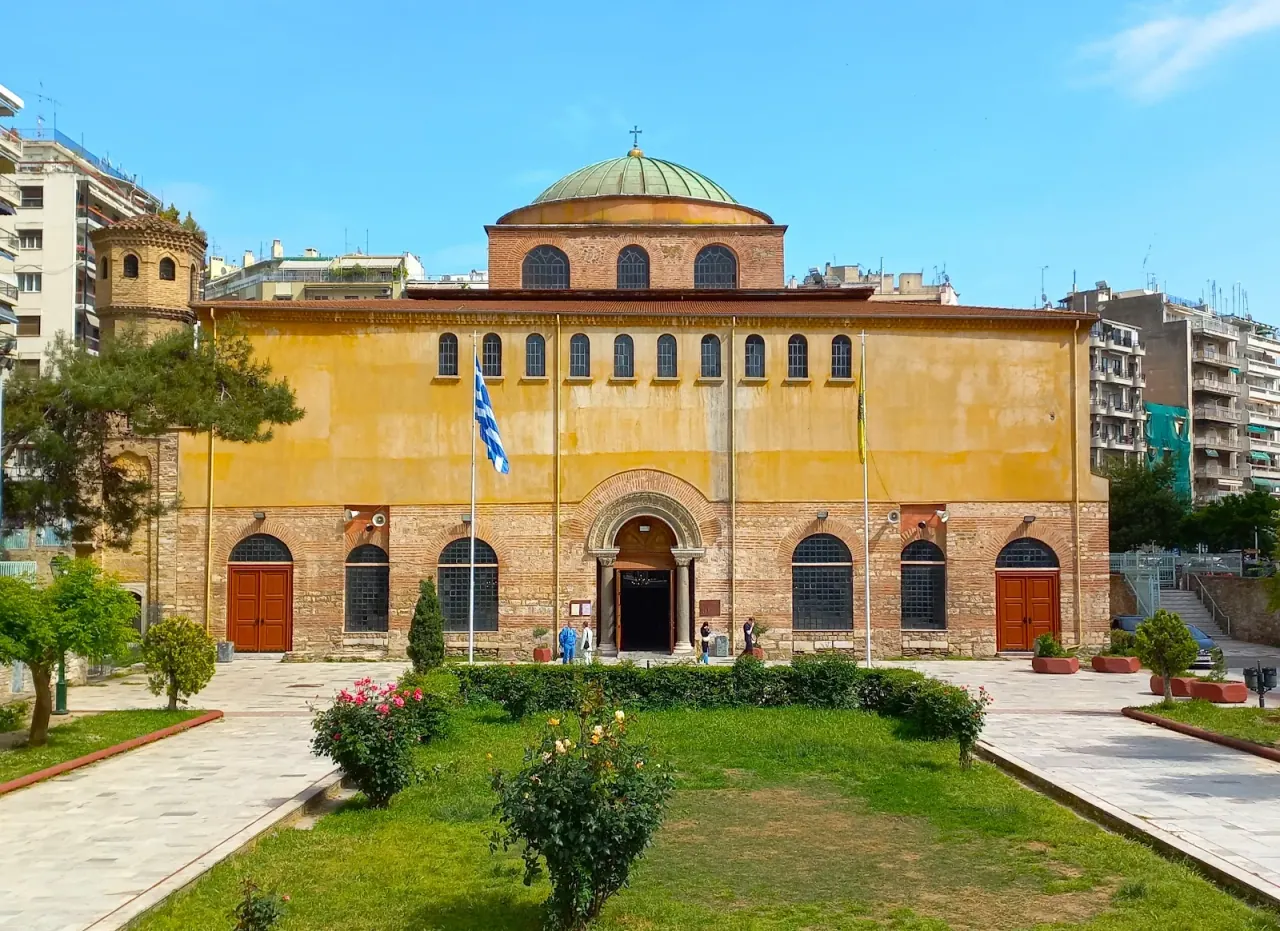
One of the oldest churches in the city still in continuous use — a 5th-century early-Christian basilica with elegant columns and fine mosaic fragments.

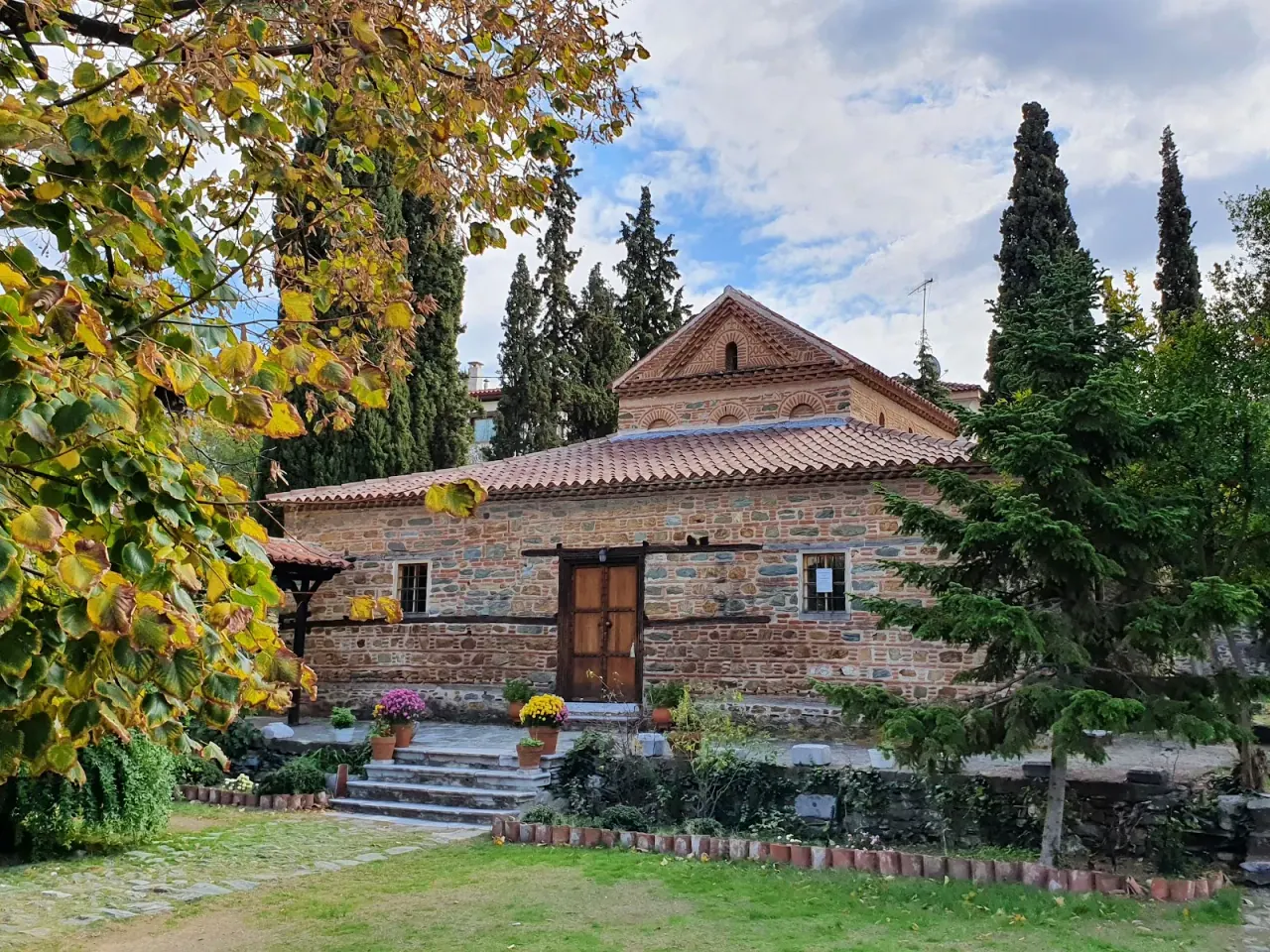
A small church of around 1310–1320 in the upper town whose interior is covered, almost wall to wall, with exceptionally well-preserved Palaiologan frescoes — spared because, unusually among the city's Byzantine churches, it was never turned into a mosque under Ottoman rule, so its walls were never plastered over.

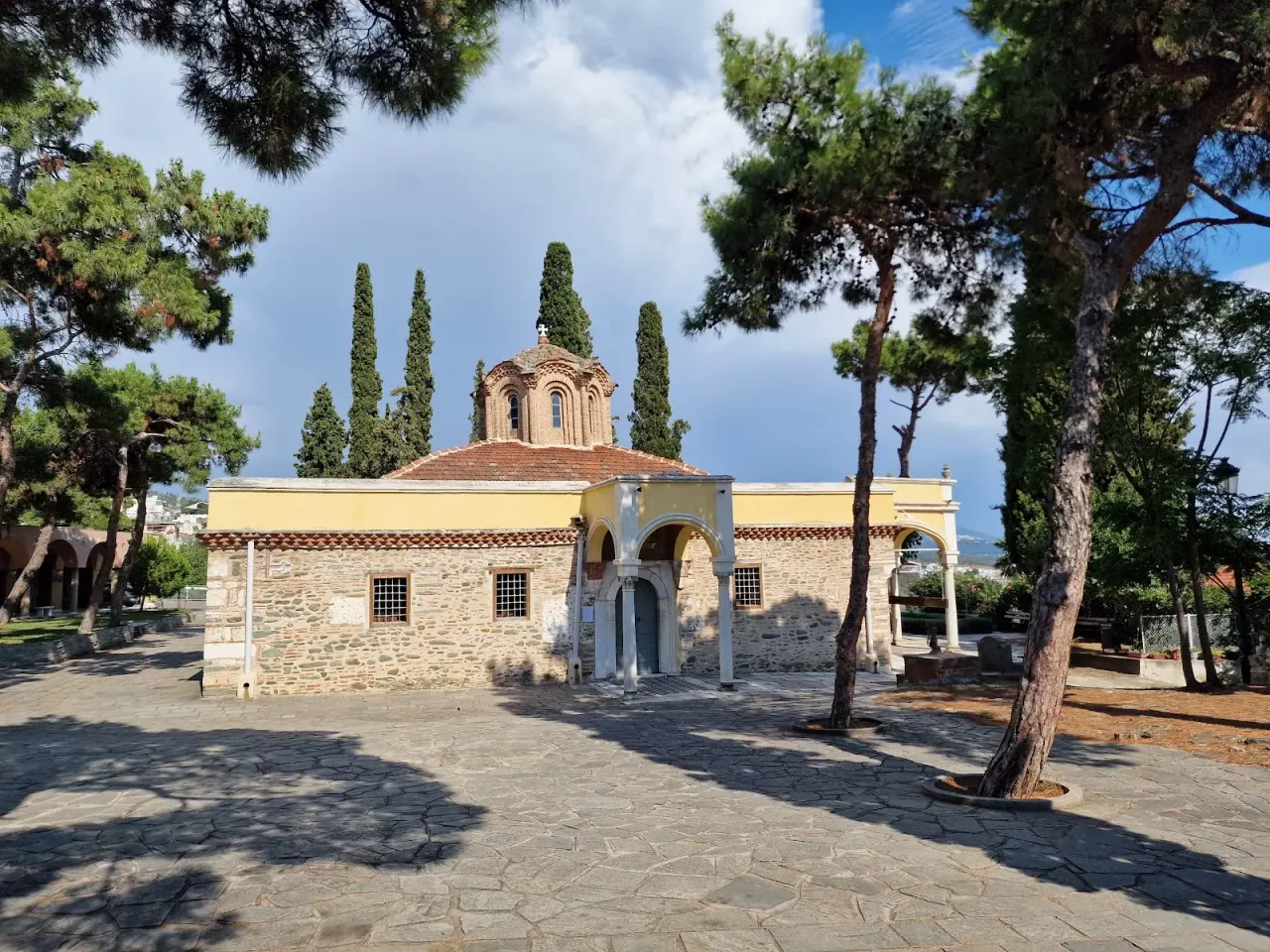
Founded in the later 14th century by the brothers Dorotheos and Markos Vlatades, disciples of Gregory Palamas, it is the only Byzantine monastery in the city still active — set in gardens high in the upper town with a small church, peacocks, and a commanding view of the gulf.

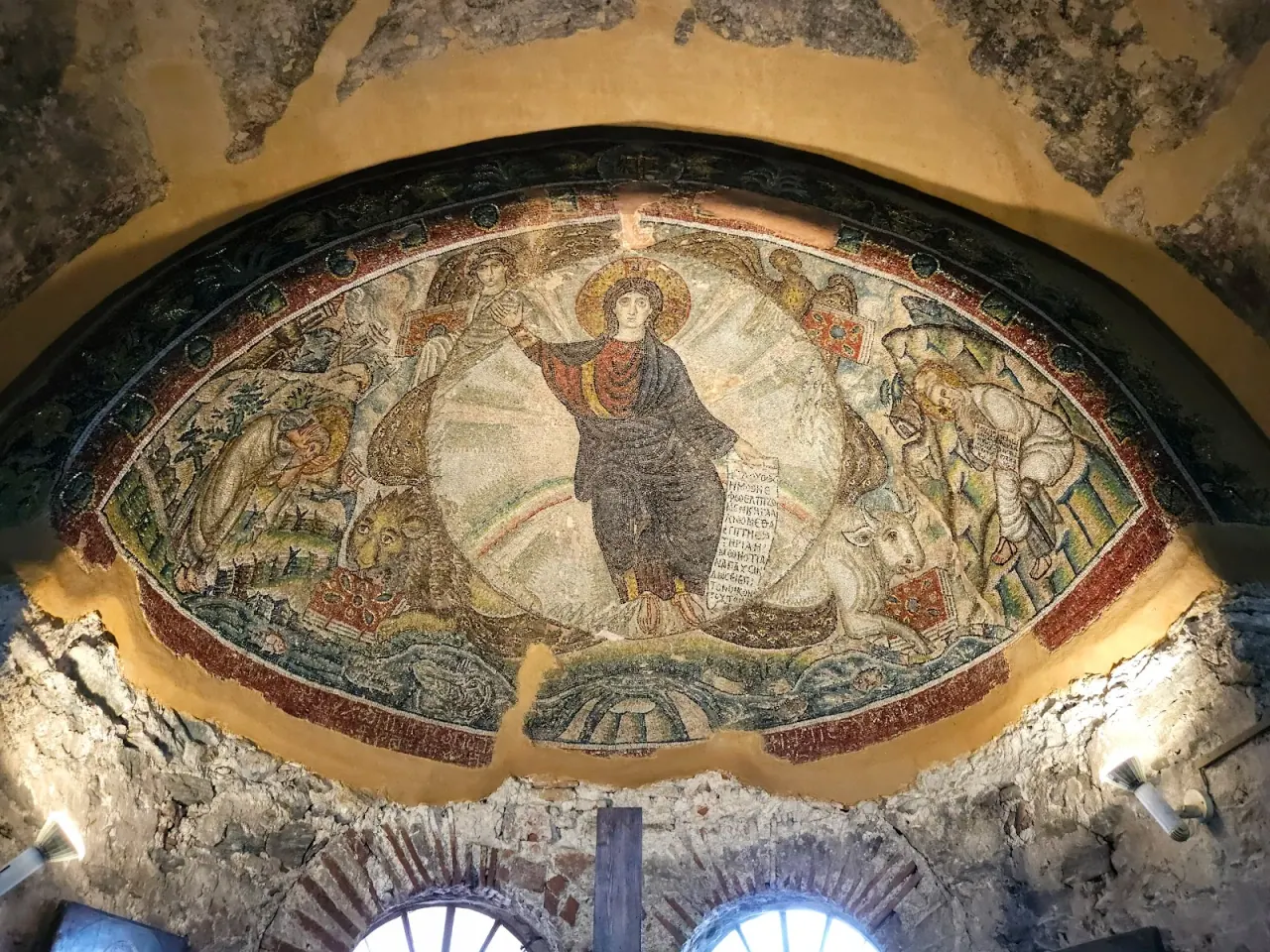
A tiny chapel in the lanes of Ano Poli that holds one of the most important early-Christian mosaics in the world — a UNESCO-listed treasure most visitors walk straight past.

An elegant all-brick cross-in-square church of 1028, nicknamed the 'Red Church' for its warm terracotta masonry, sunk in a small garden beside the Roman Forum in the heart of the city.

A jewel-box five-domed church founded around 1310–1314 by Niphon I, Patriarch of Constantinople, as a monastery's katholikon — famous for some of the most dazzling decorative brickwork in the Byzantine world and for the Palaiologan mosaics and frescoes preserved inside. A UNESCO monument many visitors walk straight past.

One of the most graceful of the city's Byzantine churches — a five-domed Palaiologan jewel of the late 13th or early 14th century, wrapped in a columned ambulatory and bands of fine brickwork, tucked into the northwestern lanes of Ano Poli. Its original name is lost; under the Ottomans it became the Yakup Pasha Mosque. A UNESCO monument most visitors never reach.

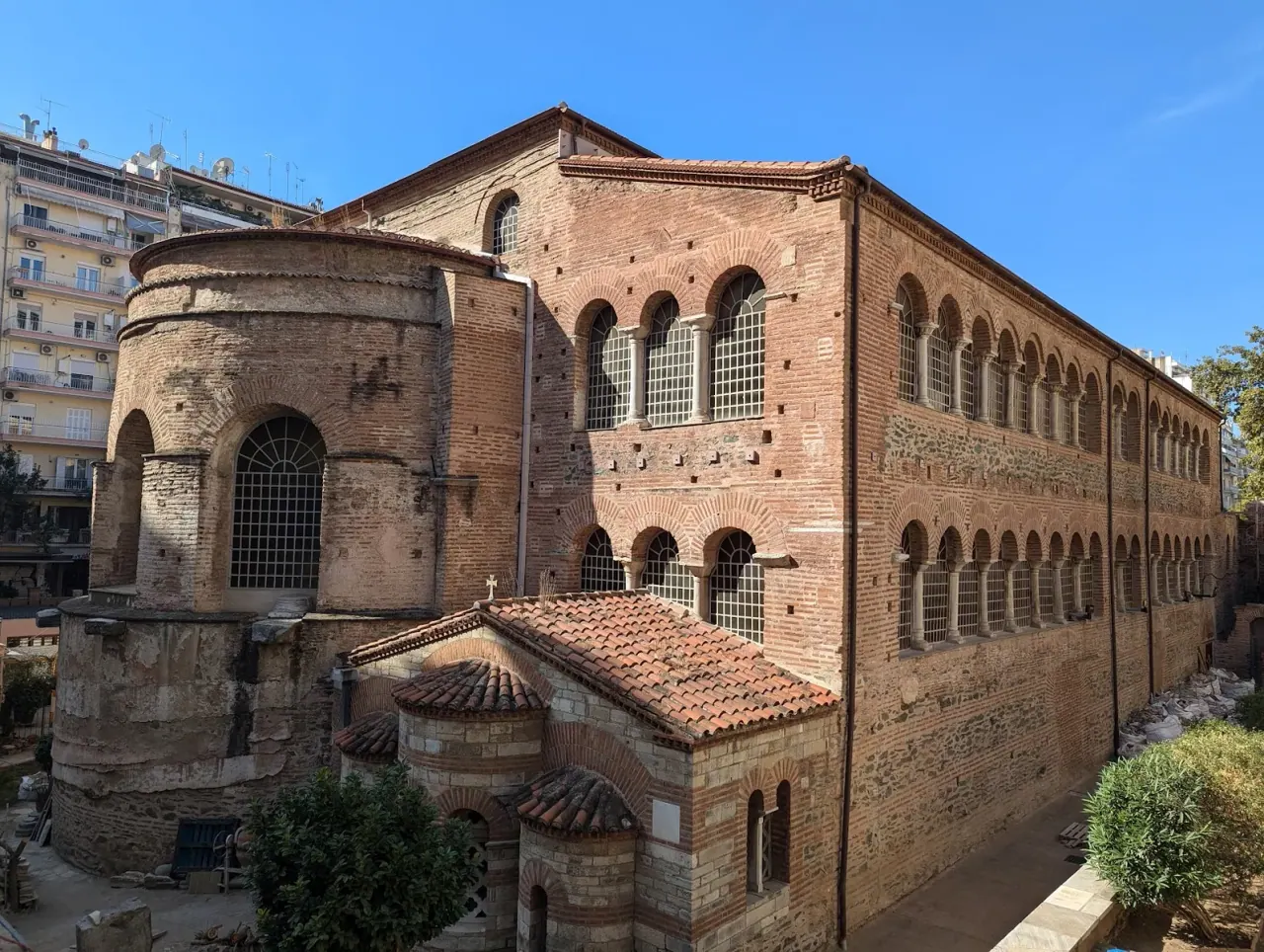
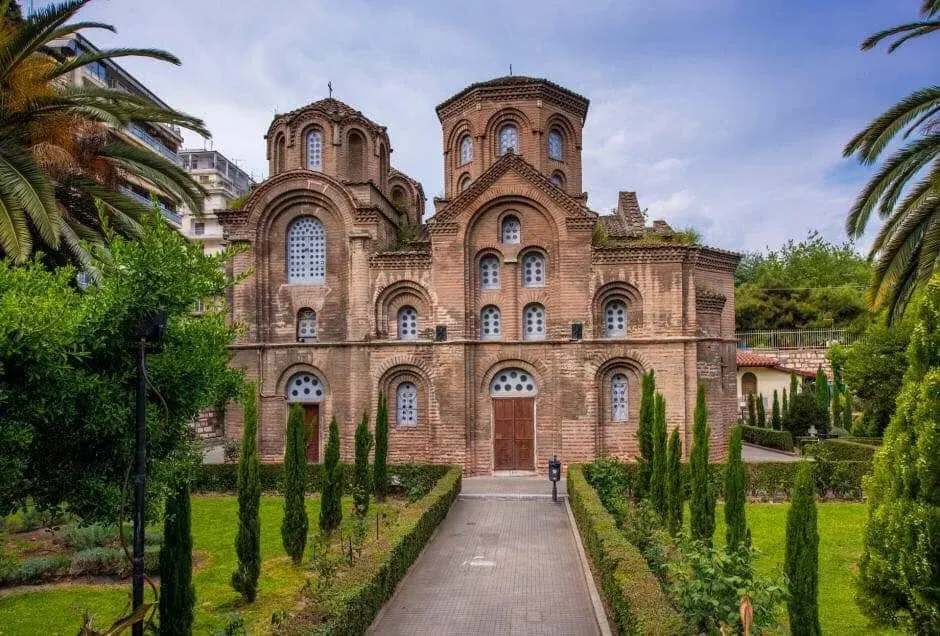
A well-proportioned Palaiologan church with a central dome and a wraparound ambulatory, set in a planted courtyard just steps from the Rotunda and the Arch of Galerius — the easiest of the UNESCO Byzantine churches to fold into a city-centre walk.

A grand mid-14th-century church and the only one in Thessaloniki built on the Athonite plan used by the monasteries of Mount Athos — a tall central dome over a sweeping arcaded portico. Converted to a mosque soon after the Ottoman conquest of 1430, it is now a UNESCO monument on the slope below Ano Poli.
Cinco siglos de dominio otomano dejaron hammams, mercados cubiertos y mezquitas dispersos por la ciudad moderna.

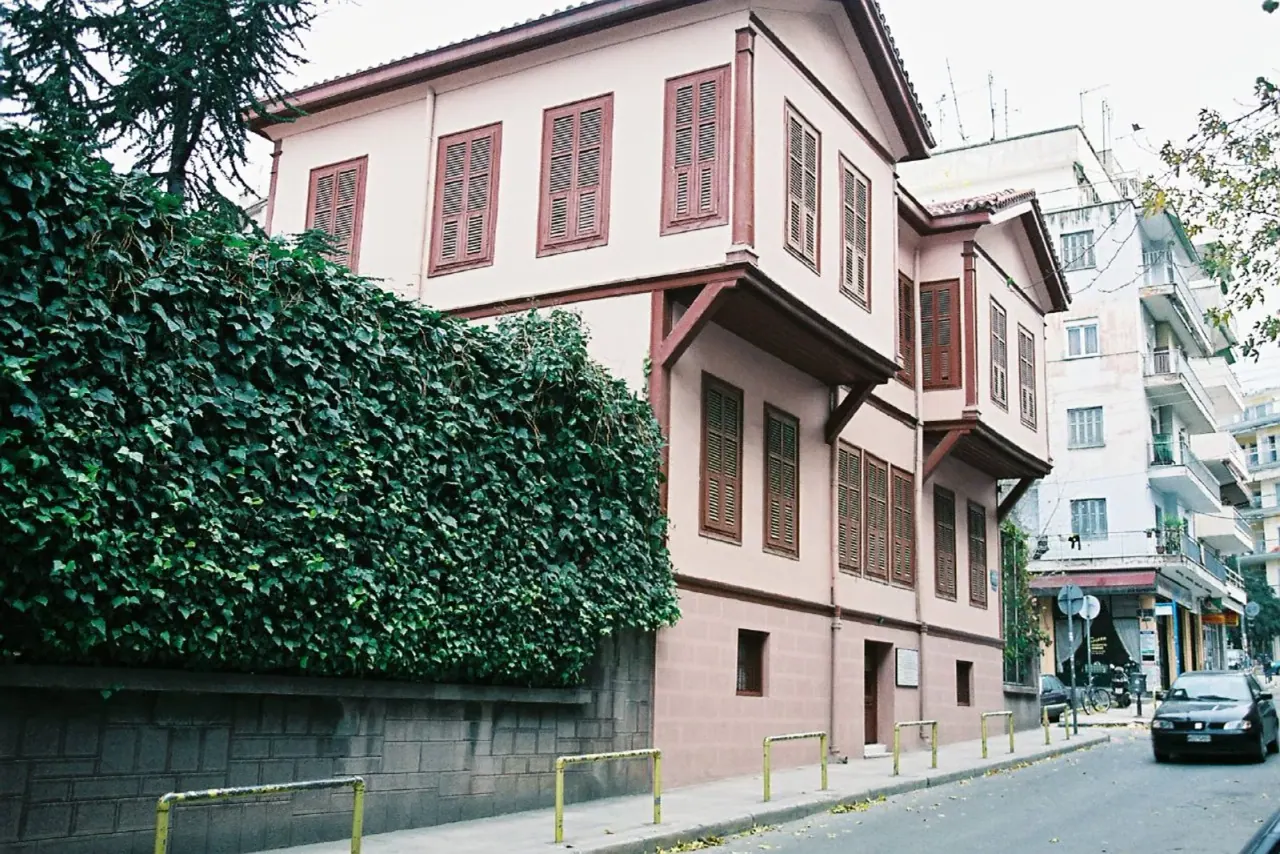
The pink three-storey house where Mustafa Kemal Atatürk, founder of modern Turkey, was born in 1881 — now a museum furnished in period style. It stands within the grounds of the Turkish consulate, so bring photo ID and expect a security check to visit.

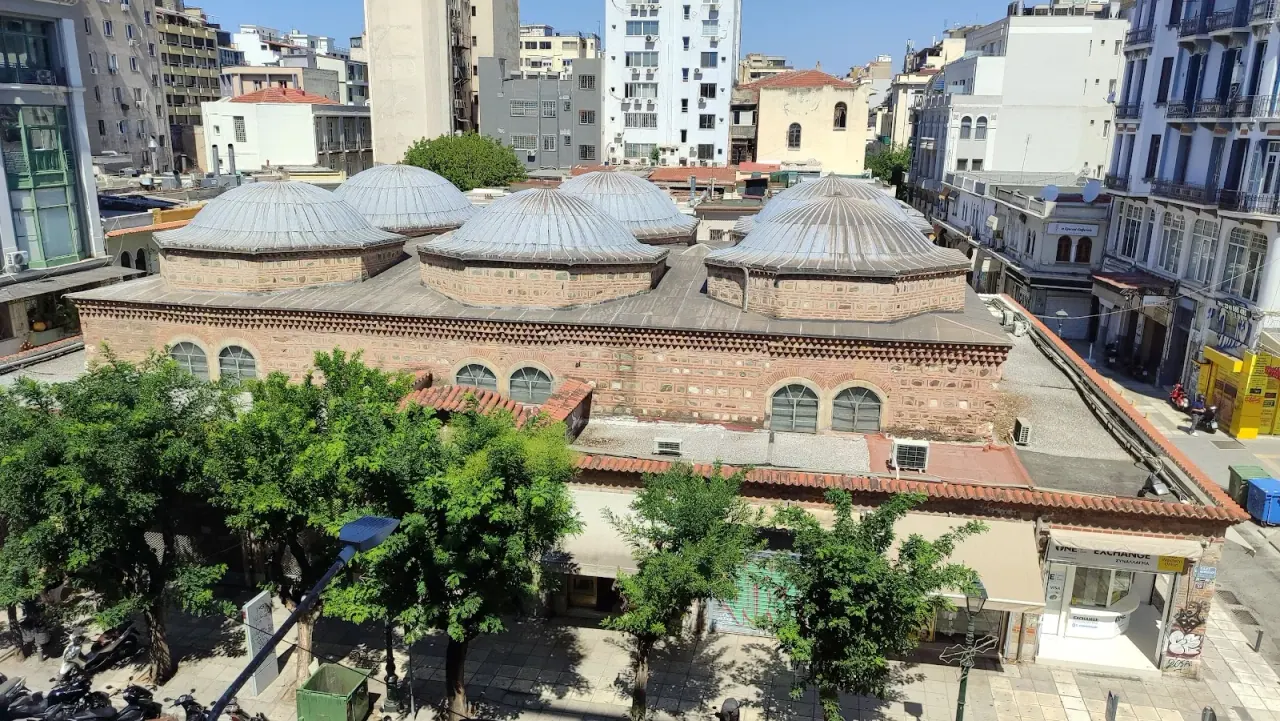
A lead-domed Ottoman covered market from the late 1400s — six brick-vaulted bays that still trade today, lined with little shops of fabric, trimmings and jewellery in the commercial heart of the city. One of the few working Ottoman commercial buildings left in Thessaloniki.
Colecciones de talla mundial de oro macedonio y arte bizantino, a un corto paseo del mar.

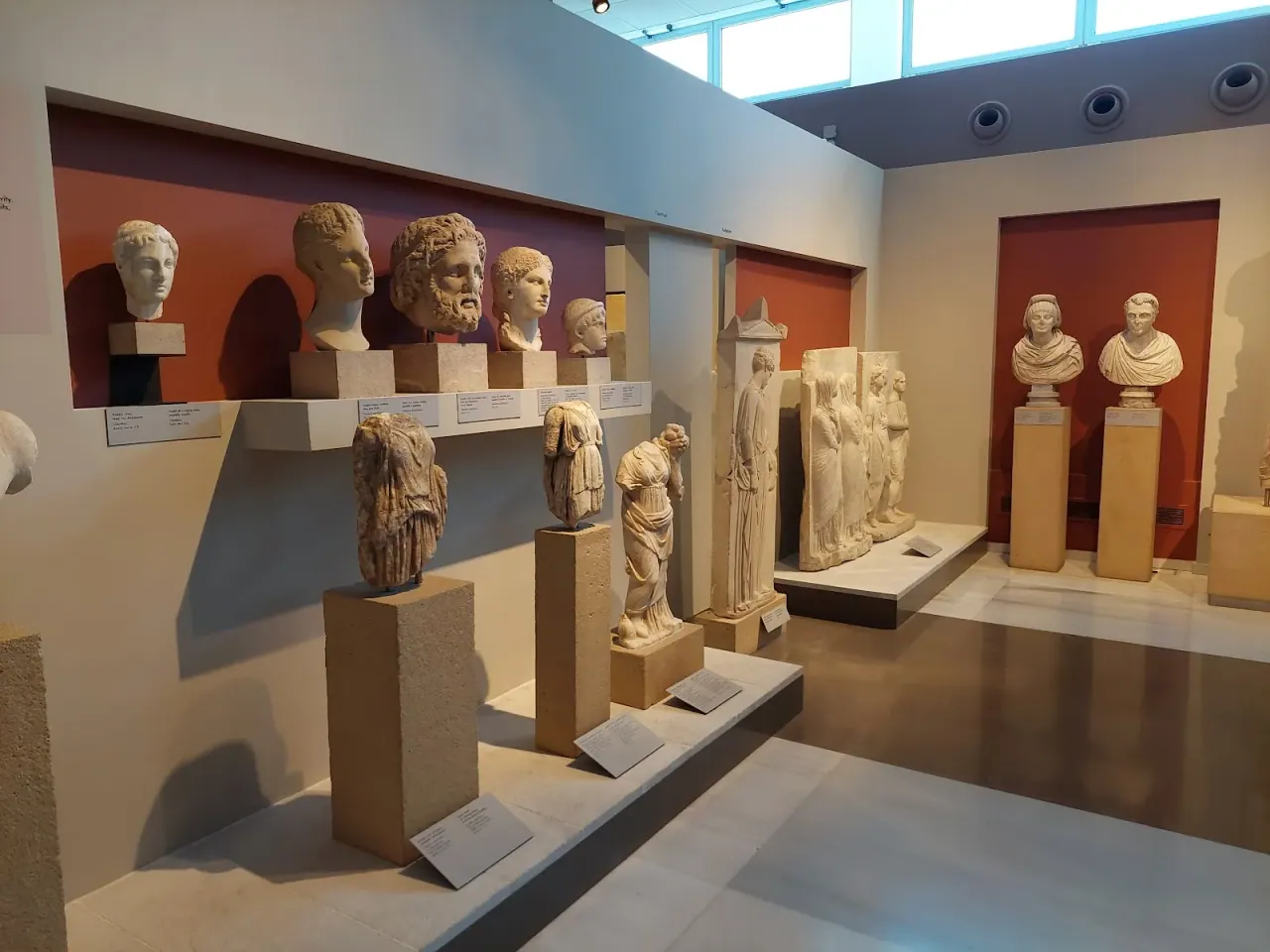
The leading museum of Macedonian antiquity, famous for its Hellenistic gold — including the dazzling Derveni Krater and the Derveni papyrus, a 4th-century-BC scroll that UNESCO's Memory of the World register lists as the oldest surviving book in Europe.

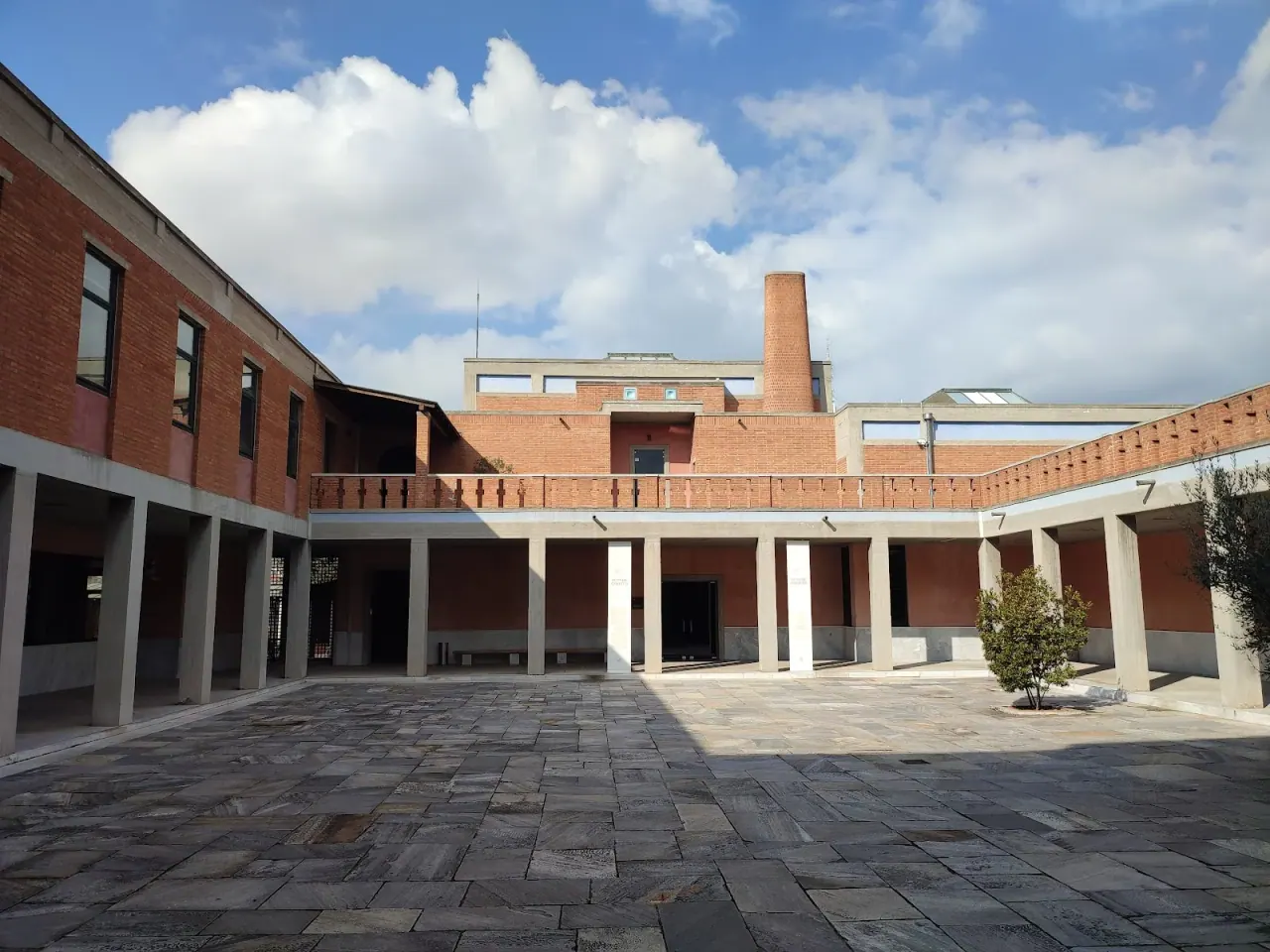
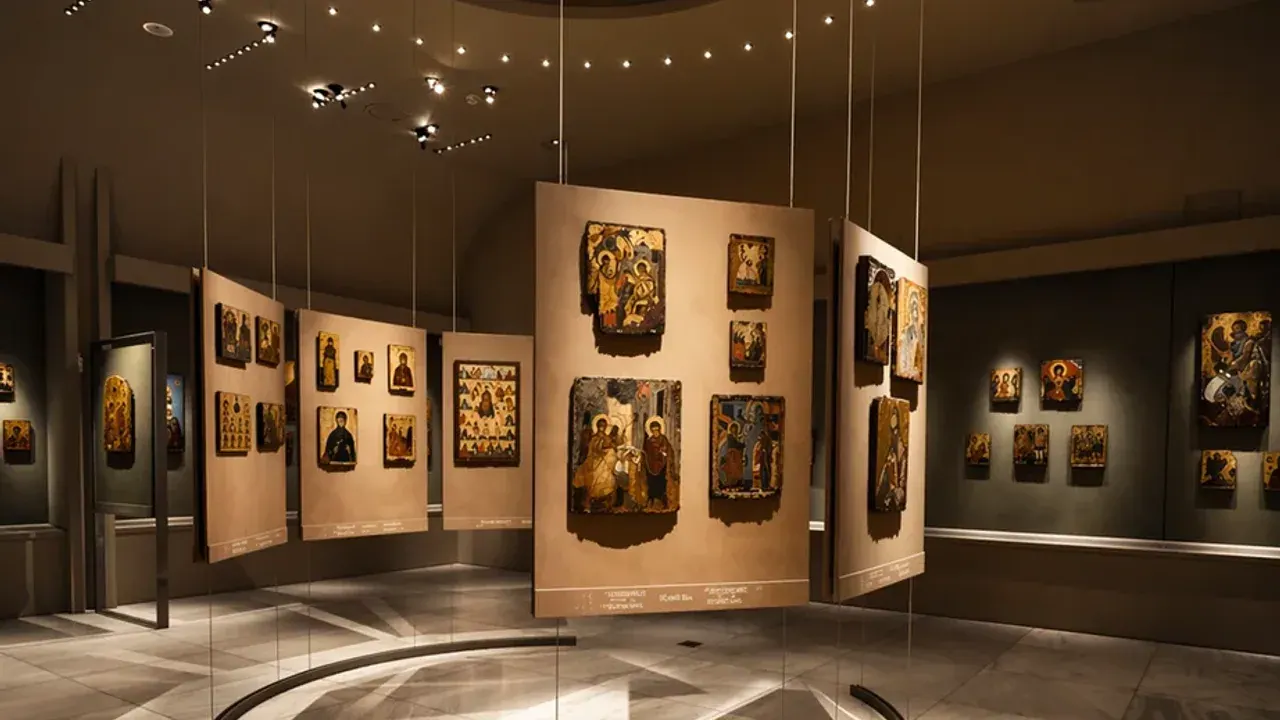
An award-winning museum tracing Byzantine and post-Byzantine life through mosaics, icons, frescoes, jewellery, and everyday objects, set in a calm modern building.

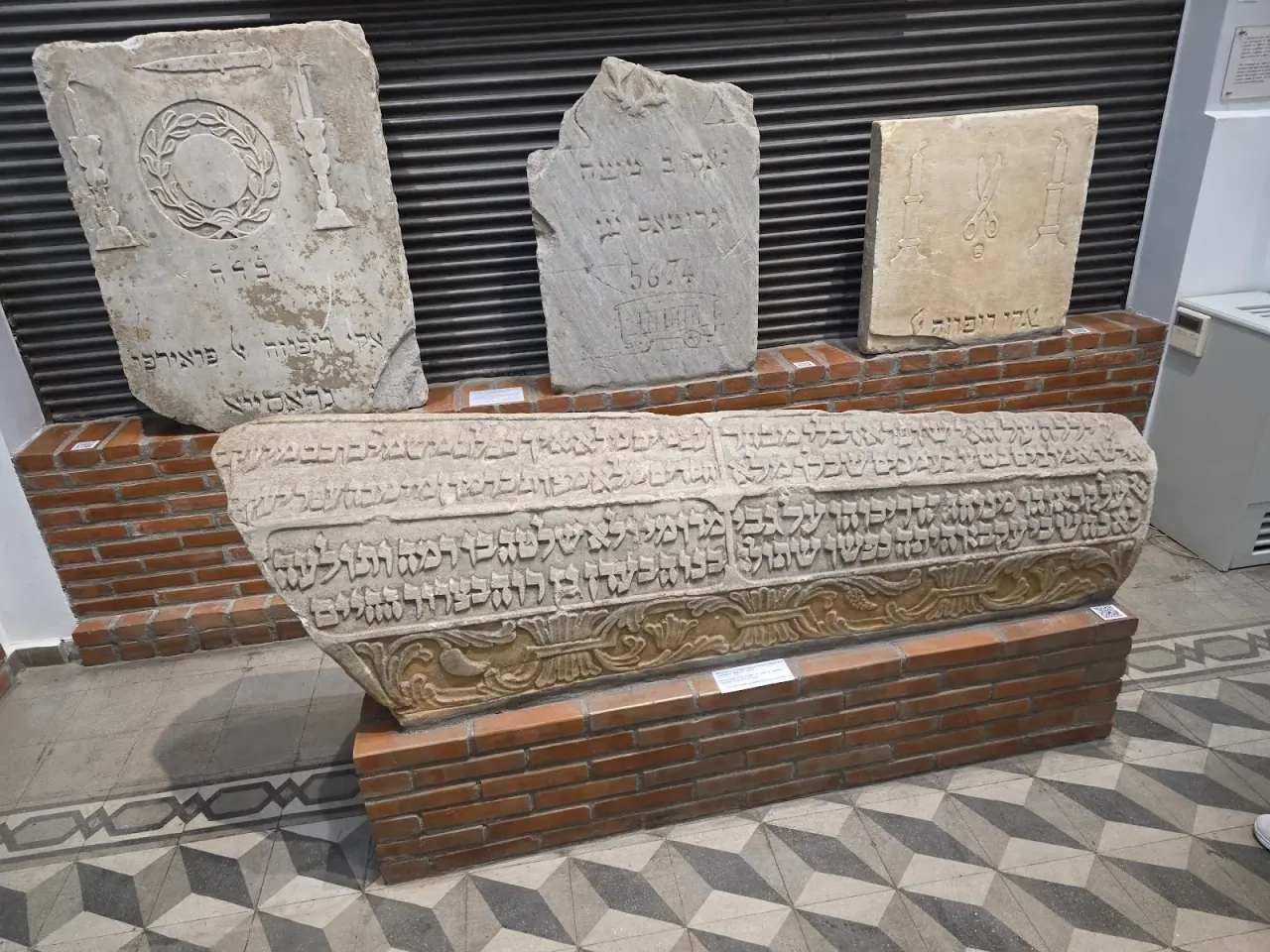
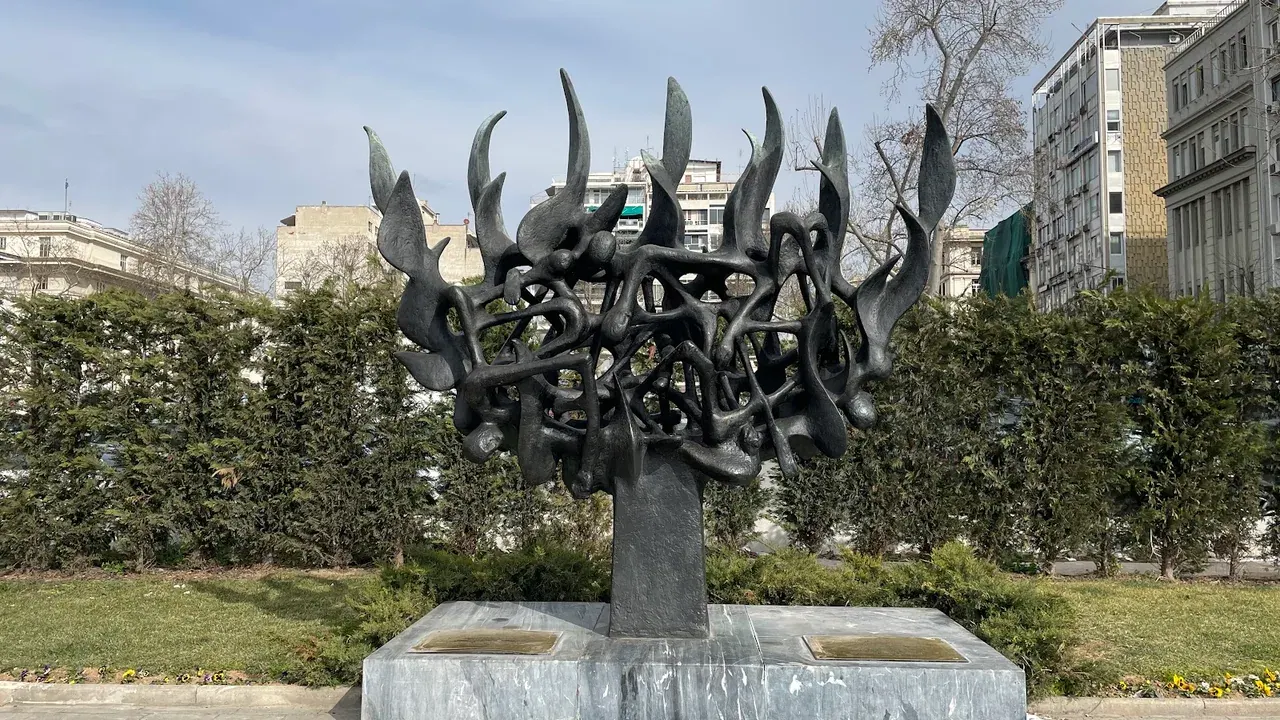
A small but moving museum telling the story of the Sephardic community that made Thessaloniki one of the only majority-Jewish cities in the world for four centuries — until 1943, when the Nazis deported almost the entire community, some 45,000–50,000 people, to Auschwitz-Birkenau. Over 90% were murdered and fewer than 2,000 survived.

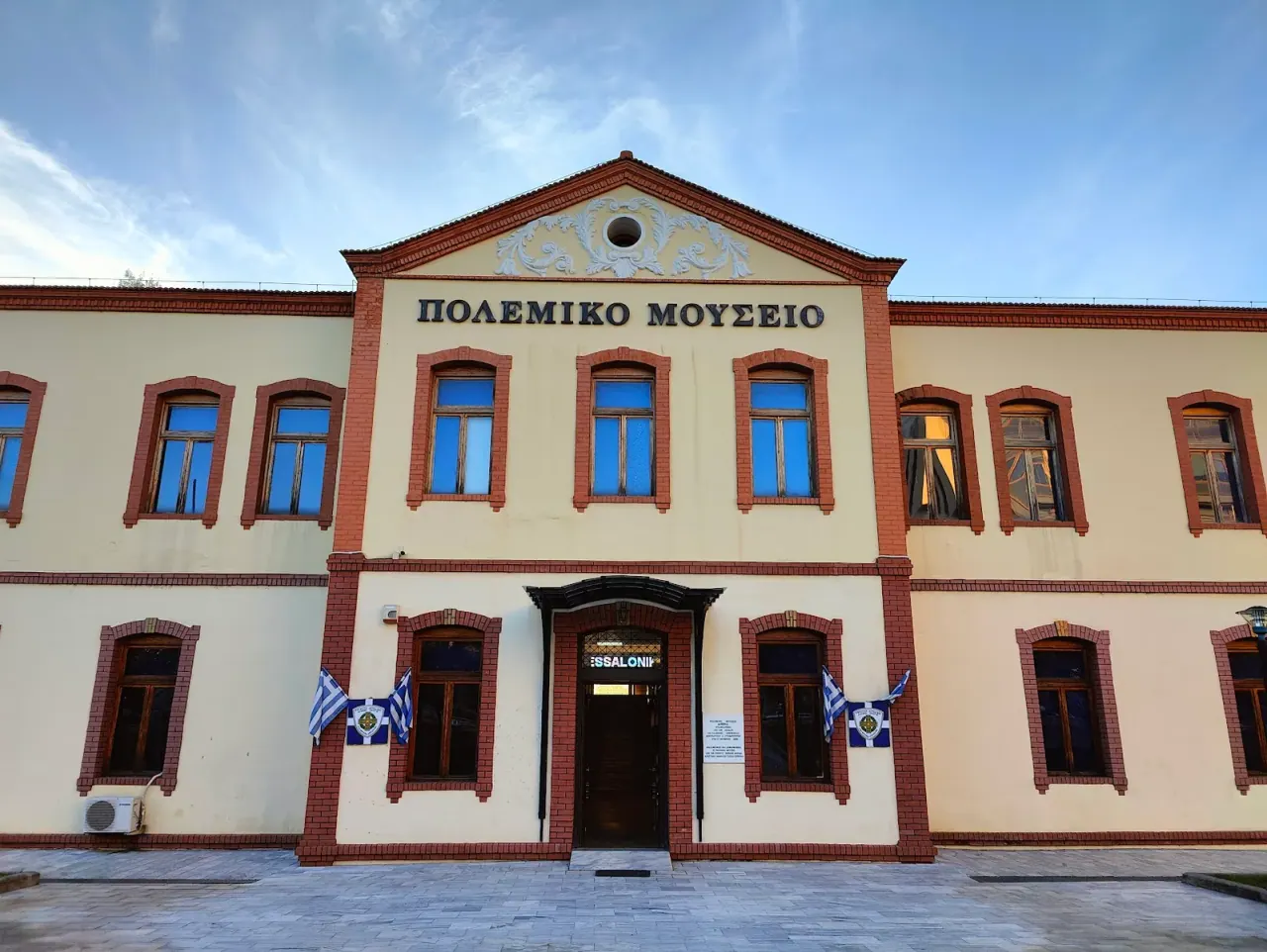
A compact military-history museum in a restored early-1900s army building, tracing Greece's modern wars through uniforms, weapons, war art, maps and photographs — with an outdoor forecourt of tanks and a fighter jet. Its focus fits the city perfectly: Thessaloniki was the great Allied base of the First World War's Macedonian Front.
El corazón vivo de la ciudad — la ciudad alta otomana, la plaza de mármol sobre el mar, y el barrio de almacenes convertido en zona de vida nocturna.

Largely spared by the great fire of 1917 that razed the lower city, Ano Poli is Thessaloniki's best-preserved old quarter — a maze of timber Ottoman houses, tiny chapels, and cobbled lanes climbing to the castle walls and the best views in the city.

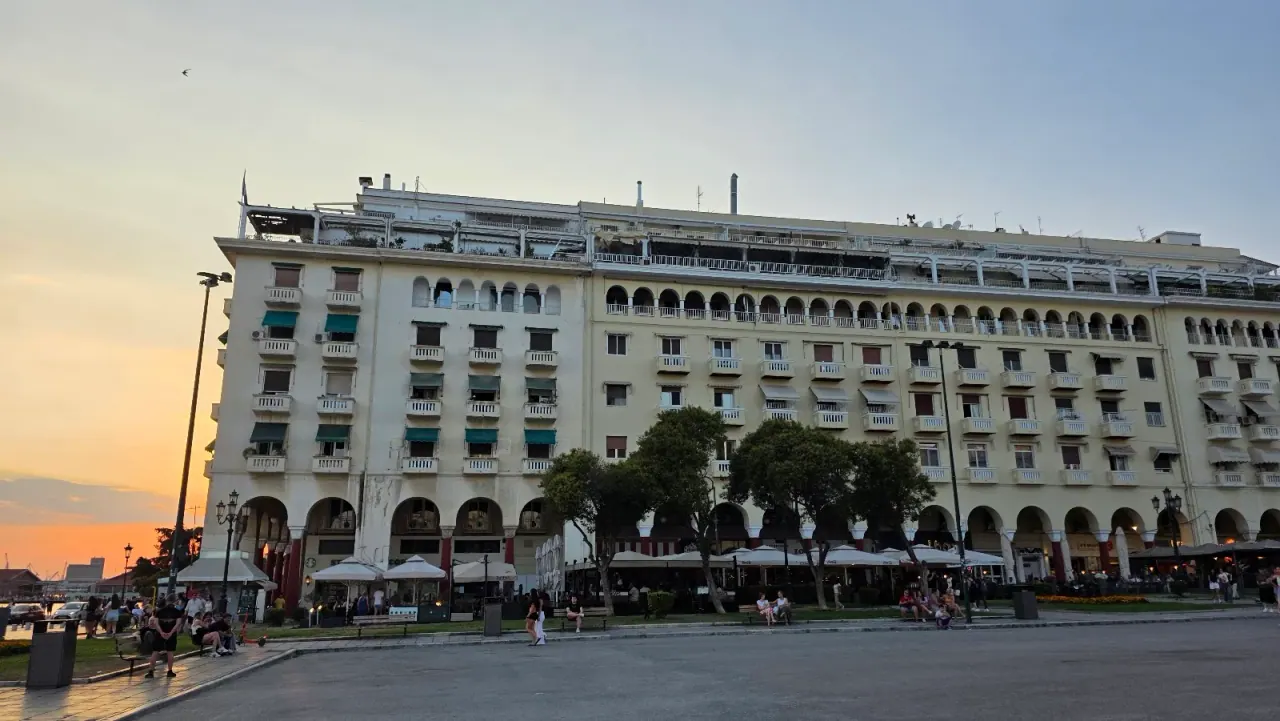
The grand civic square of Thessaloniki, opening straight onto the waterfront — a sweep of arcaded, monumental architecture that is the city's living room. It was designed by the French architect Ernest Hébrard in 1918, the seafront centrepiece of his plan to rebuild the city after the Great Fire of 1917, though most of the square as it stands was built in the 1950s.

A pocket of colourful 19th-century warehouses near the port — once the olive-oil market (ladi means oil), and one of the very few quarters left almost untouched by the Great Fire of 1917, which is why its old buildings still stand. Declared a protected district in the 1980s, it is now the city's most concentrated cluster of tavernas, mezedopoleia, and bars.

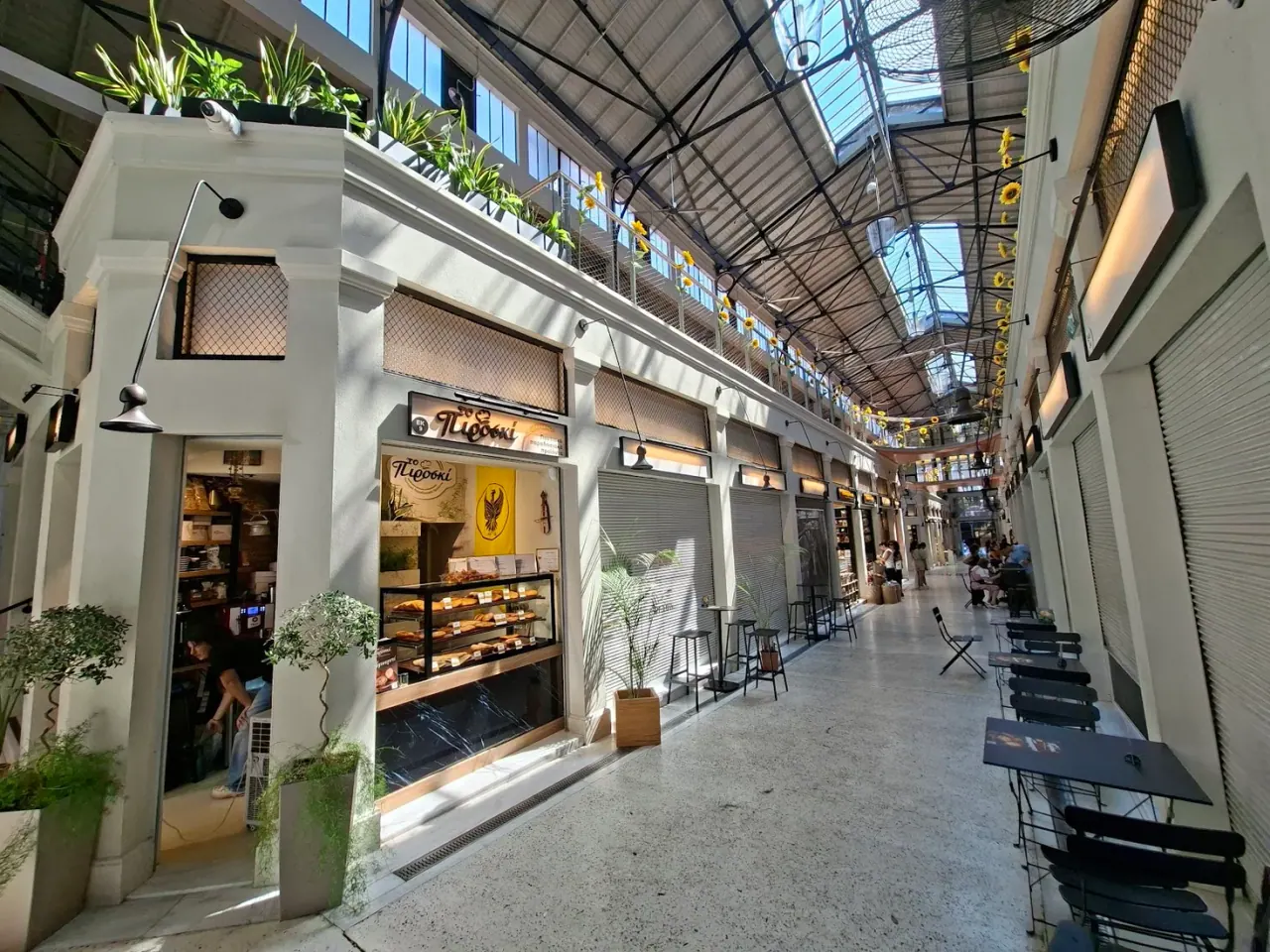
The city's historic covered food market, reborn in 2022 as a buzzing gourmet hall under a restored glass roof — meze bars, tavernas, delis and grocers all under one elegant 1920s arcade.

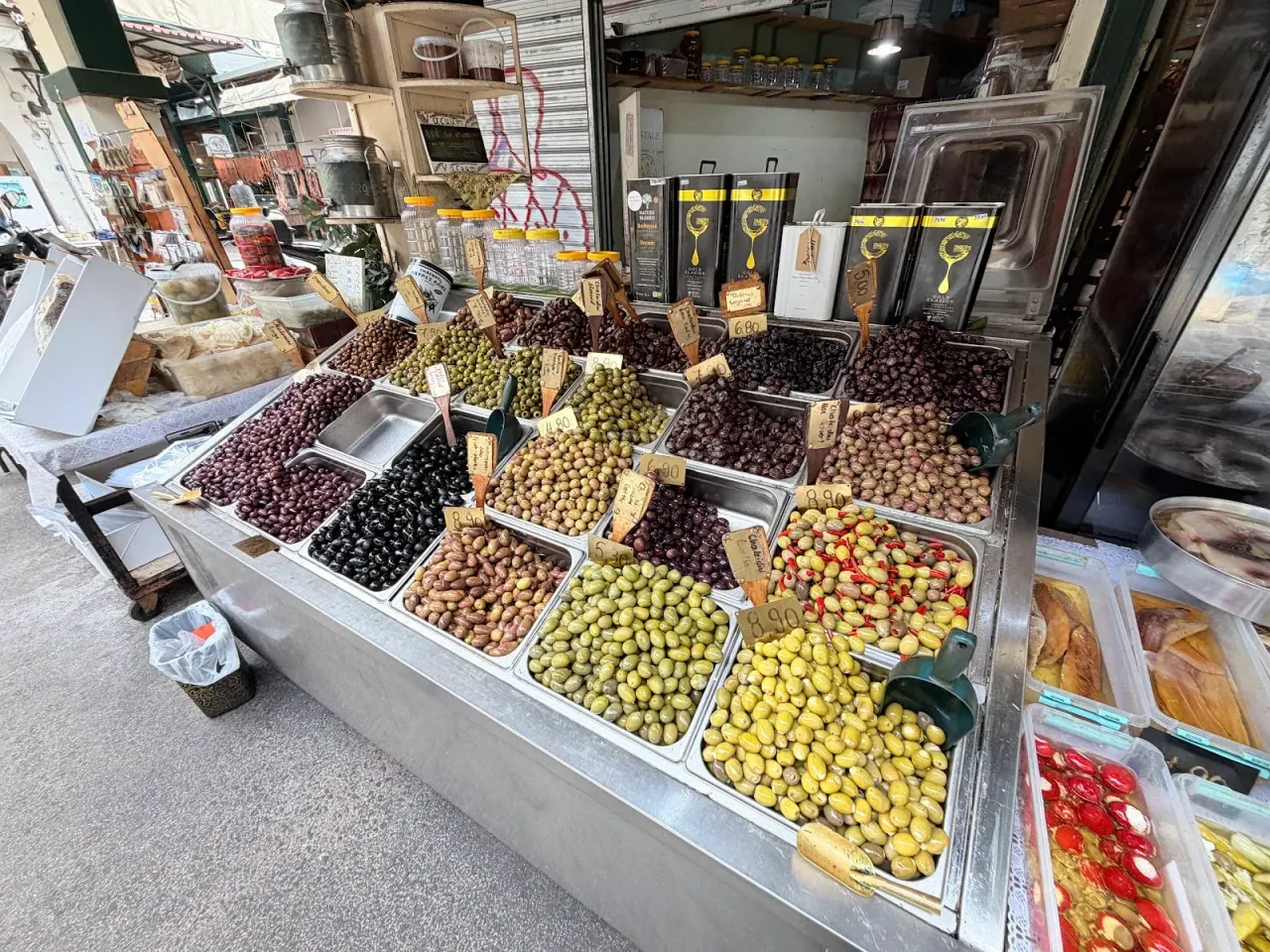
The oldest market in Thessaloniki — a warren of covered lanes and open stalls heaped with produce, fish, meat, olives, cheese and spices. Loud, cheap and thoroughly local, Kapani (officially Vlali) is the working food market next door to the gentrified Modiano.
Los iconos modernos del Nuevo Paseo Marítimo — los imponentes Paraguas de George Zongolopoulos y el gran Alejandro Magno ecuestre — y los lugares favoritos de la ciudad para contemplar el atardecer.

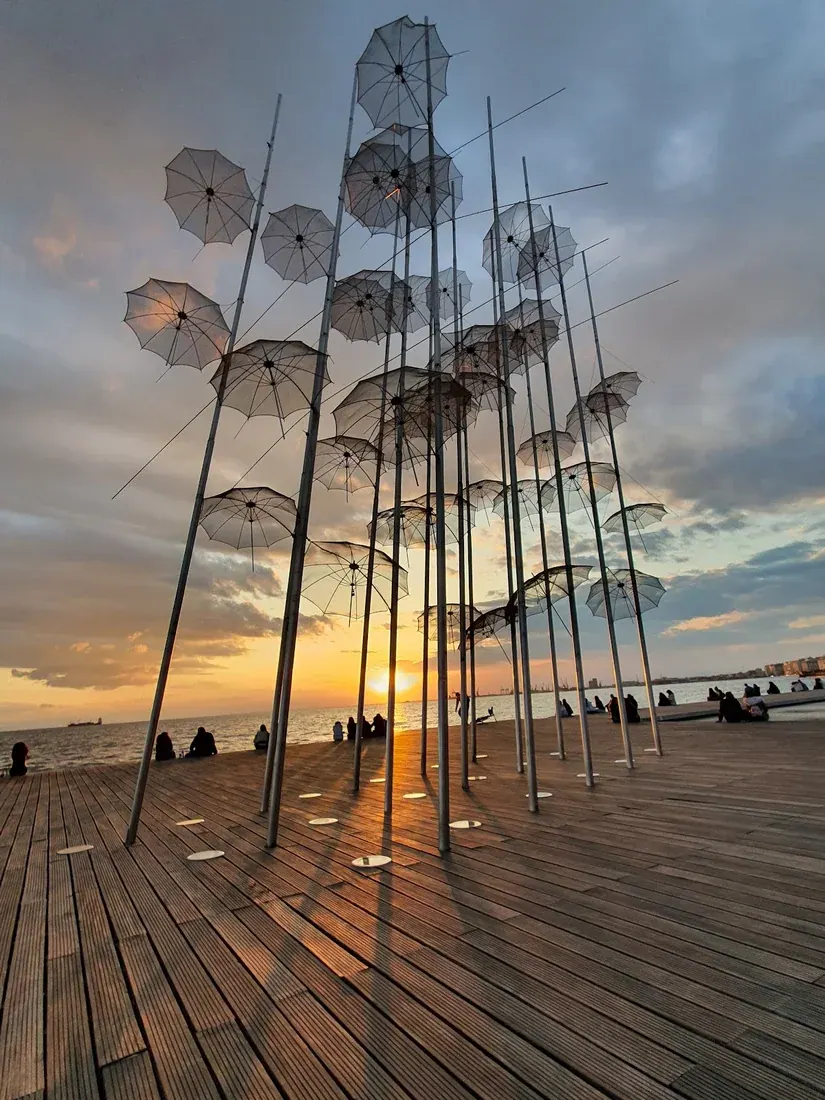
A cluster of stainless-steel umbrellas striding up out of the boardwalk into the sky — George Zongolopoulos first showed the work at the 1995 Venice Biennale and installed this 13-metre version on the waterfront in 1997, the year Thessaloniki was European Capital of Culture. It is now the emblem of the redesigned New Waterfront and the city's single most photographed modern landmark, especially at sunset.

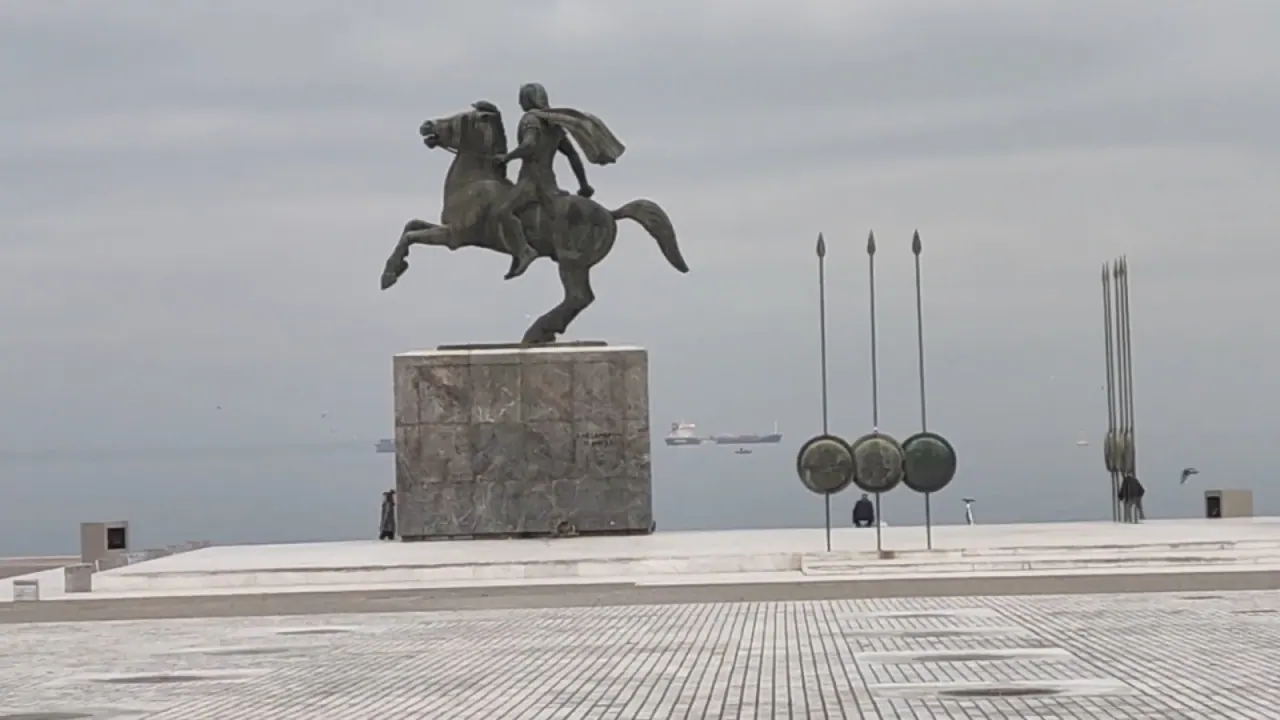
A monumental bronze of Alexander the Great astride his horse Bucephalus, sword drawn, on the Nea Paralia seafront. Erected in 1973 and unveiled in 1974, the work of sculptor Evangelos Moustakas, it stands six metres tall — eleven with its plinth — one of the largest equestrian statues in Greece, flanked by his sarissas (spears) and a row of shields.

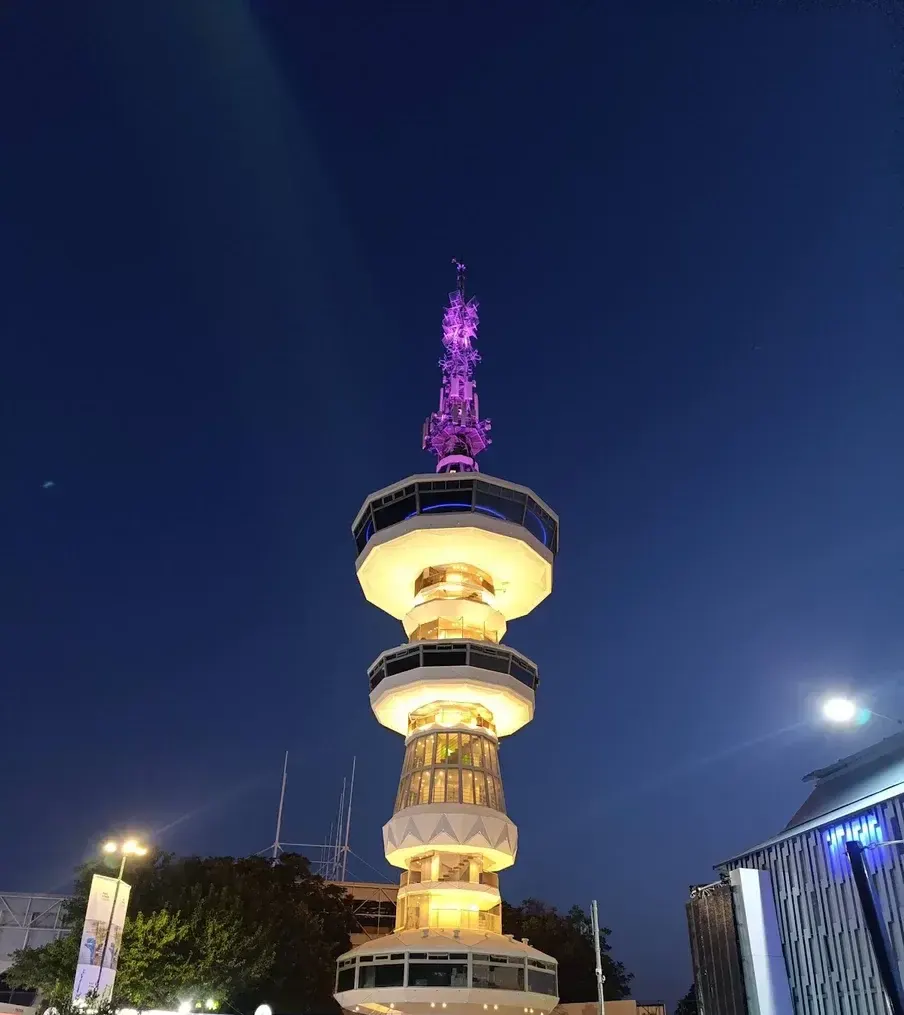
Thessaloniki's 76-metre landmark tower on the Thessaloniki International Fair grounds — built in the late 1960s, on the site where Greece's first television broadcast took place at the 1960 Fair — crowned by a revolving café-bar that turns a full circle roughly once an hour for 360° views over the city, the seafront and the Thermaic Gulf. Picked out in colour after dark, its tiered silhouette is one of the modern skyline's most recognisable shapes.
Siglos de cultura de baño en ladrillo y piedra — un raro baño bizantino que ha sobrevivido y un grandioso hammam otomano, ambos aún en pie en el casco antiguo.

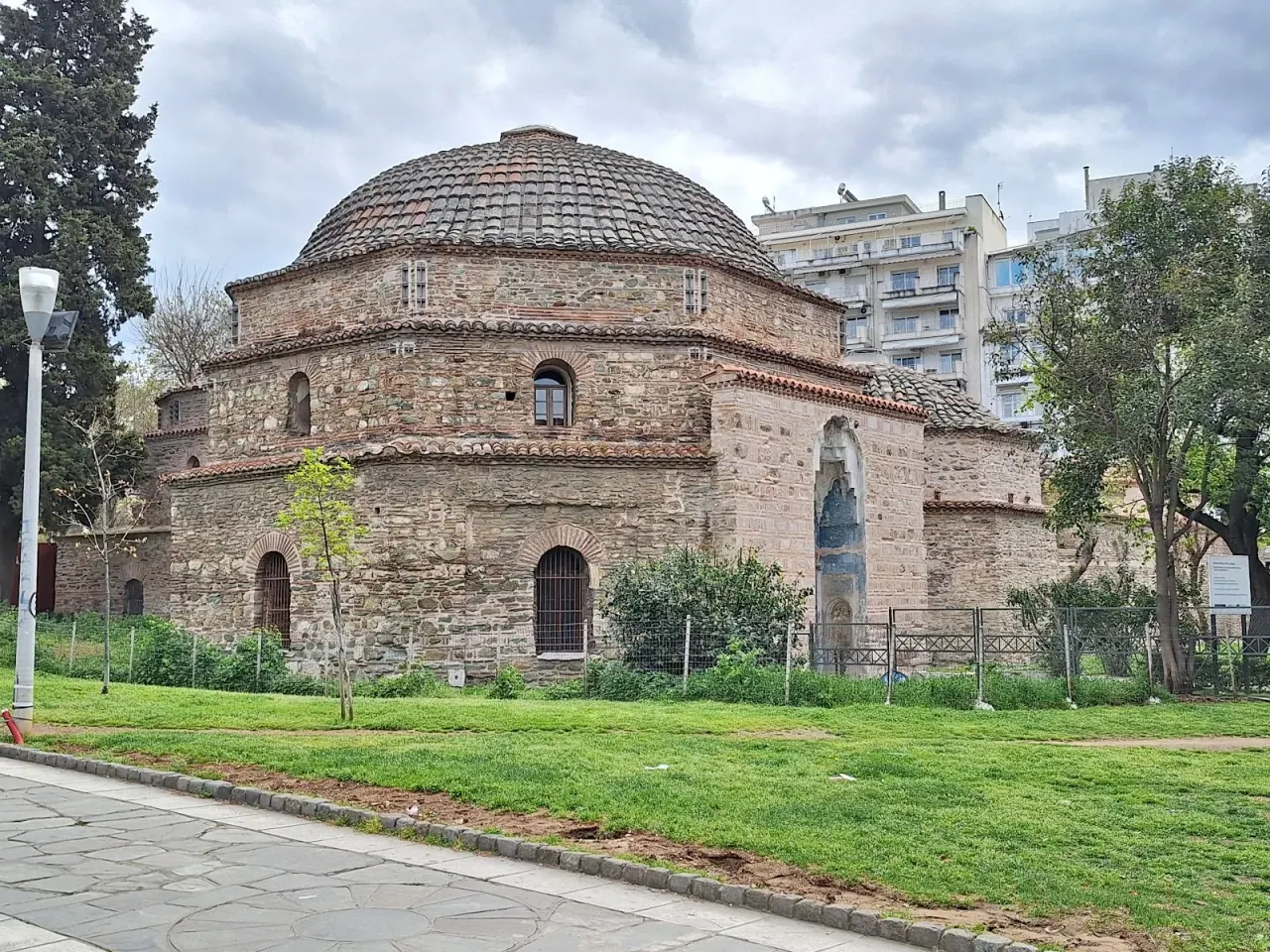
The grandest Ottoman bathhouse in Greece and the oldest in Thessaloniki, built in 1444 by Sultan Murad II, with separate men's and women's wings of domed chambers, marble basins, and traces of painted decoration.

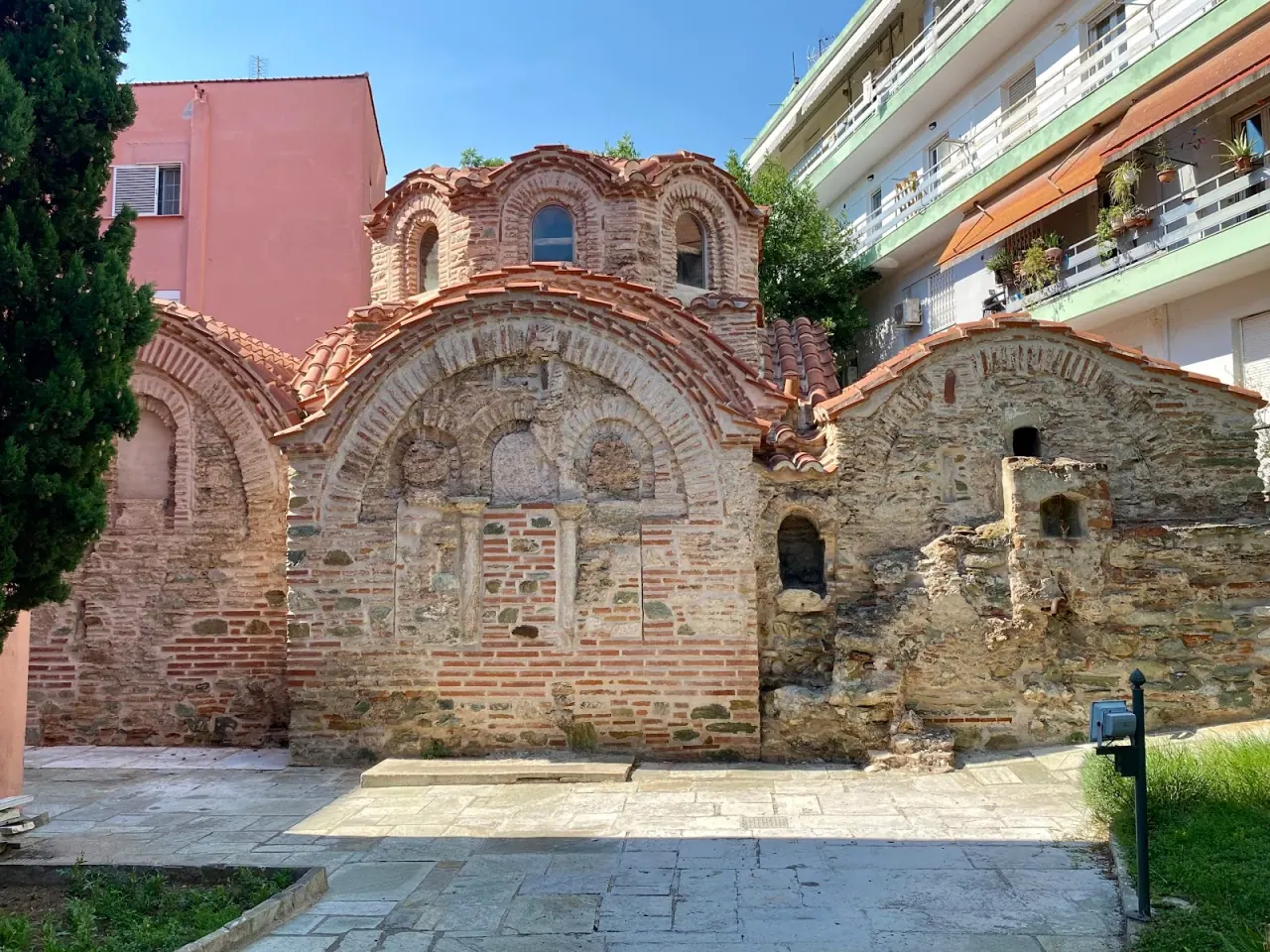
A rare survivor from around the late 12th–13th century — the only Byzantine bath left in Thessaloniki, and the largest and most complete in Greece — a small brick-and-stone building in Ano Poli that stayed in use as a public bath until 1940, some seven centuries. Restored and reopened as a museum in 2015, it is one of the city's UNESCO-listed Byzantine monuments.
Combina los monumentos con la escena gastronómica de la ciudad y una o dos excursiones — Meteora, Vergina, o las playas de Calcídica.
Empieza por la Torre Blanca, el emblema marítimo de la ciudad, luego la Rotonda del siglo IV y el Arco de Galerio, cerca. Añade las grandes iglesias bizantinas — Agios Dimitrios, dedicada al santo patrón de la ciudad, y Hagia Sophia — más el Foro Romano, y sube a Ano Poli y las murallas bizantinas por las vistas. Casi todo está a un cómodo paseo del centro.
Sí. Una entrada combinada de €15, válida tres días, cubre la Torre Blanca, la Rotonda, el Museo Arqueológico y el Museo de Cultura Bizantina — la mejor relación calidad-precio si planeas ver más de uno. Los sitios y museos estatales también son gratuitos unos pocos días al año, incluyendo el primer y tercer domingo de cada mes de noviembre a marzo, más el 6 de marzo, 18 de abril, 18 de mayo y el último fin de semana de septiembre.
La mayoría de las iglesias bizantinas en funcionamiento — incluidas Agios Dimitrios, Hagia Sophia y Panagia Acheiropoietos — son de entrada gratuita, aunque las donaciones son bienvenidas y se espera vestimenta modesta. La Rotonda, gestionada como monumento, y los museos de la ciudad cobran entrada, que cubre la entrada combinada de €15.
Dos días bastan para lo más destacado a pie — los monumentos romanos y bizantinos, los mercados y el paseo marítimo están todos dentro de un centro compacto y llano. Un tercer día te permite profundizar en los museos o hacer una excursión a Vergina o Meteora.
La Torre Blanca es una torre otomana del siglo XV frente al mar y el símbolo de Tesalónica. En su día fortaleza y prisión, hoy alberga un museo de la historia de la ciudad, al que se sube por una rampa interior en espiral, con vistas panorámicas sobre el golfo desde lo alto — y es el monumento más visitado de la ciudad.
Los monumentos bizantinos y de la UNESCO, los mejores museos, y las historias tras los iconos.
A guide to Thessaloniki's Byzantine churches and UNESCO monuments — the Rotunda, Agios Dimitrios, Hagia Sophia — with what to see, ratings, and ticket tips.
7 min read

The best museums in Thessaloniki, ranked: the gold-filled Archaeological Museum to the Byzantine Culture museum, with 2026 tickets, hours and who each suits.
6 min read

Visiting the White Tower of Thessaloniki — 2026 tickets and hours, its dark Ottoman history, the museum inside, and whether the rooftop view is worth it.
6 min read

A guide to the Rotunda of Thessaloniki — its golden early-Christian mosaics, the temple-church-mosque history, plus 2026 tickets, hours and how to visit.
6 min read

A guide to the Arch of Galerius (Kamara) in Thessaloniki — the Roman triumphal arch of around 300 AD, its carved battle reliefs, and how to visit.
4 min read

A guide to the Heptapyrgion (Yedi Kule) fortress in Thessaloniki — the Byzantine-Ottoman citadel above Ano Poli that spent nearly a century as a feared prison.
5 min read

A guide to Jewish Thessaloniki: how a Sephardic city became the 'Jerusalem of the Balkans', what the Holocaust destroyed, and the sites you can visit.
6 min read