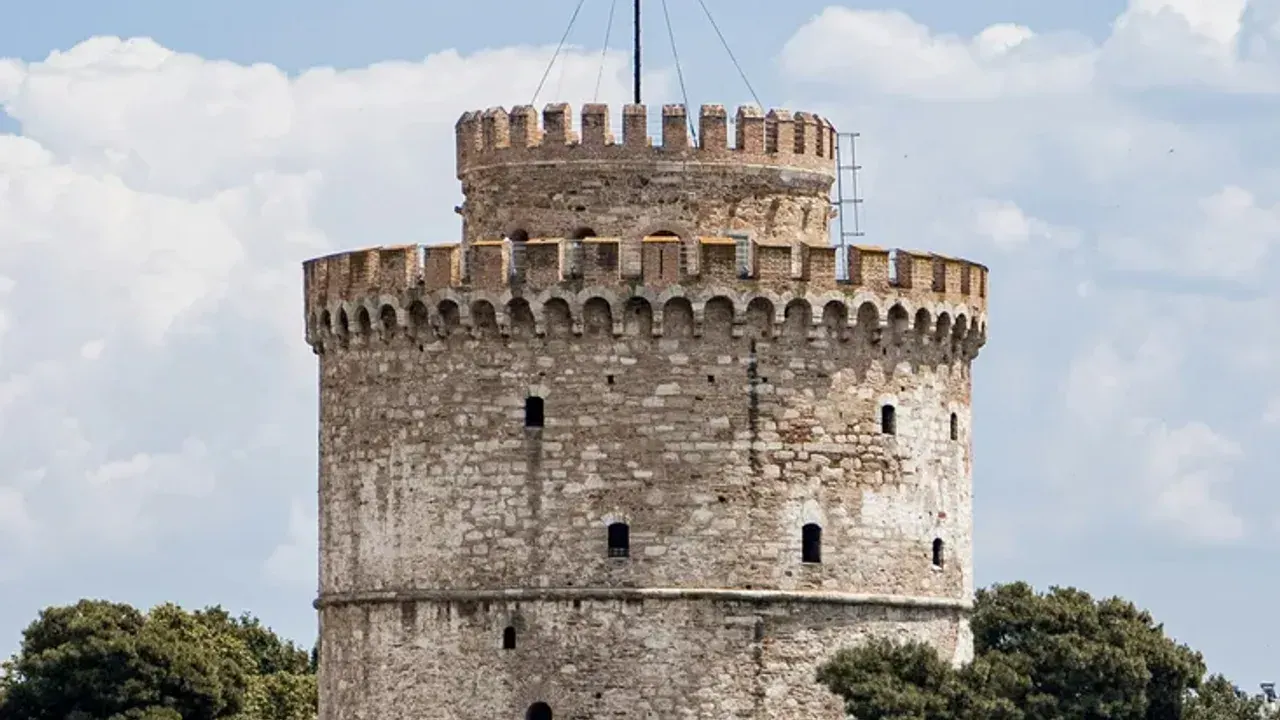
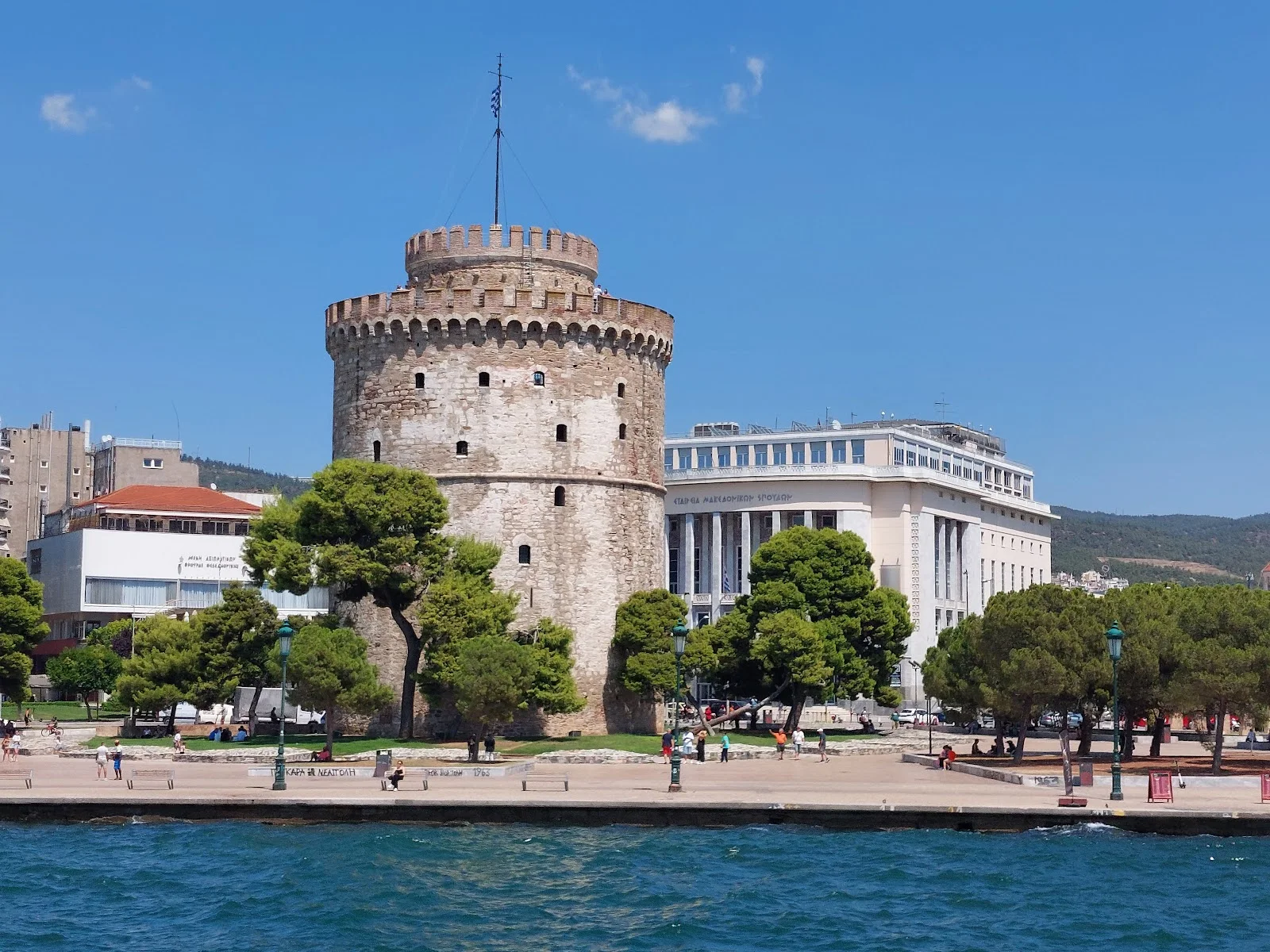
La Tour Blanche de Thessalonique en bord de mer, l'emblème de la ville

Monuments

35 monuments romains, églises byzantines, tours et musées dans tout Thessalonique — de la Rotonde du 4e siècle à la ville haute ottomane, presque tout accessible à pied.

Par où commencer

Thessalonique porte 2 300 ans en strates — monuments romains, églises byzantines et vestiges ottomans, presque tous à moins de 20 minutes de marche du centre. Quinze de ses monuments paléochrétiens et byzantins sont conjointement inscrits sur la liste du patrimoine mondial de l'UNESCO (1988), la plus grande concentration de sites byzantins du patrimoine mondial de toute ville grecque. Première fois ici ? Commencez par ces trois-là.

Billets : un billet combiné de €15 (valable 3 jours) couvre la Tour Blanche, la Rotonde, le Musée archéologique et le Musée de la culture byzantine. Les sites et musées d'État sont aussi gratuits quelques jours par an — chaque premier et troisième dimanche de novembre à mars, ainsi que les 6 mars, 18 avril, 18 mai et le dernier week-end de septembre.

Tours & Fortifications

La Tour Blanche, les remparts byzantins terrestres et maritimes, et l'Heptapyrgion au sommet de la colline — les défenses qui ont ceinturé Thessalonique pendant seize siècles.

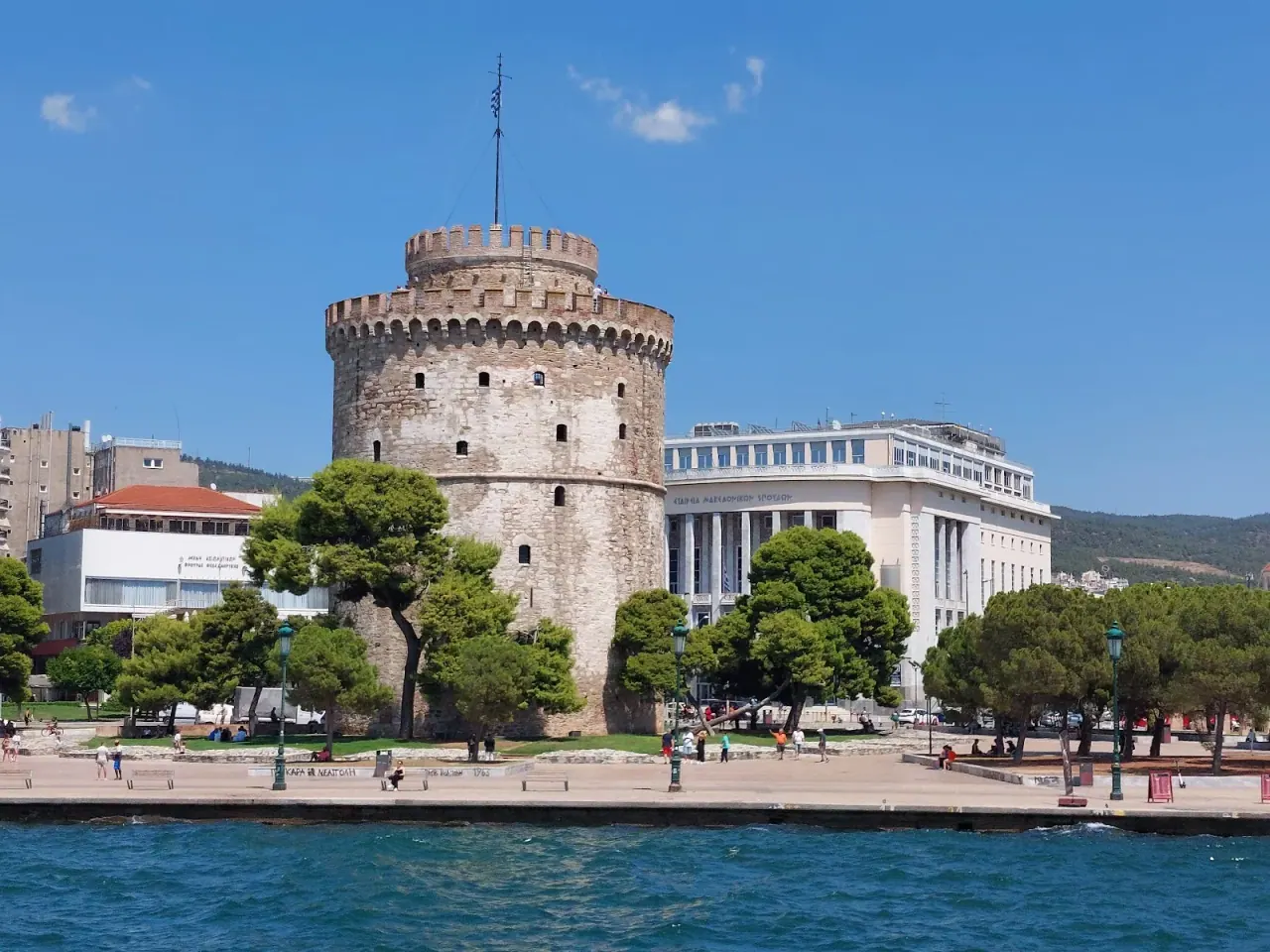
The cylindrical White Tower of Thessaloniki on the seafront
Ottoman (15th c.)

White Tower

The White Tower is the emblem of Thessaloniki — a 34-metre cylindrical bastion on the waterfront that now holds a museum of the city's history across its spiralling six floors.

4.7 (63,436)·Seafront, city centre·1–1.5 hours
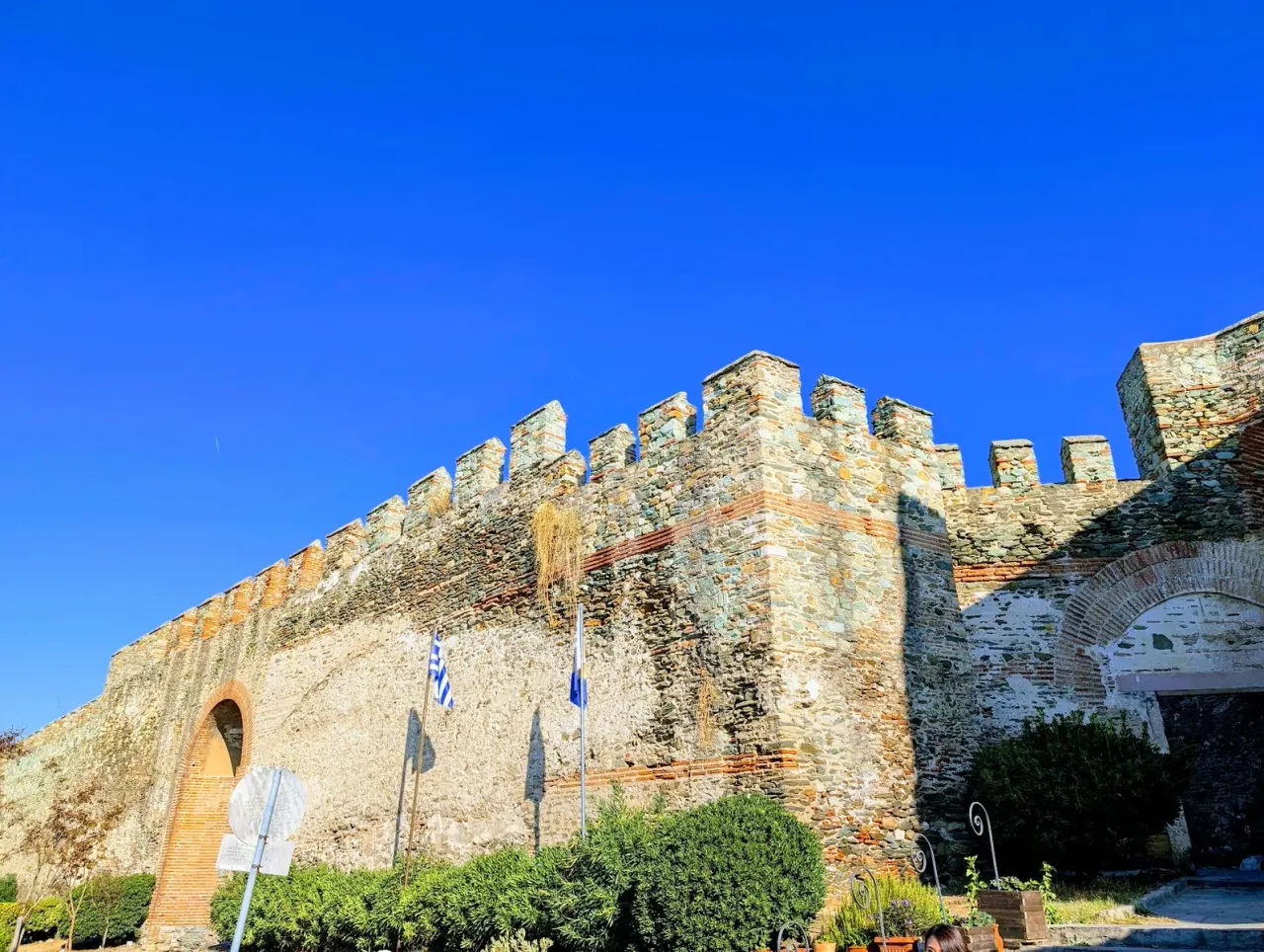
Byzantine stone walls and tower above Thessaloniki
Byzantine (4th–15th c.)

Byzantine Walls of Thessaloniki

Long stretches of the city's late-Roman and Byzantine fortifications still stand, climbing the hillside around Ano Poli and offering some of the finest views in Thessaloniki. The walls are among the UNESCO-listed Paleochristian and Byzantine Monuments of Thessaloniki.

4.5 (43)·Ano Poli, 15–20 min uphill from the centre·1 hour combined with an Ano Poli walk
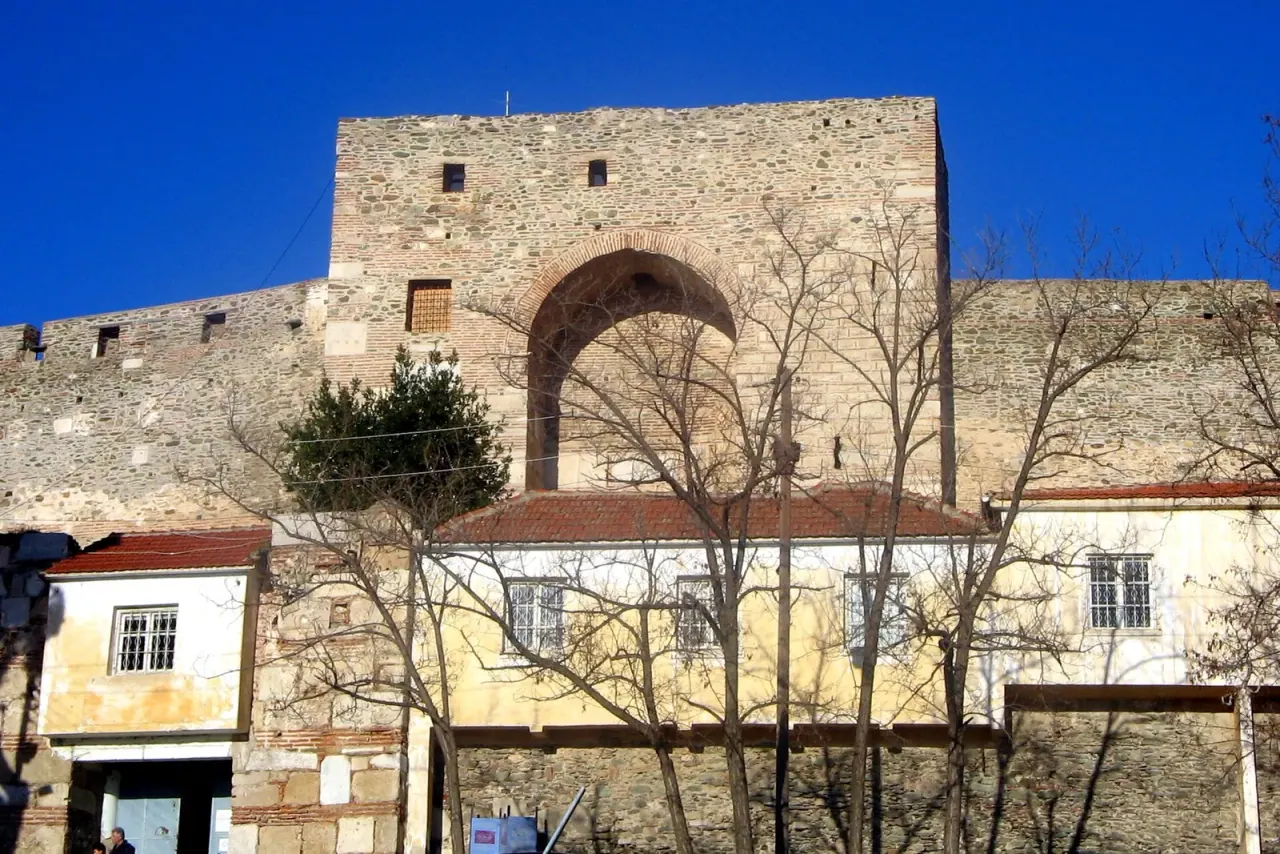
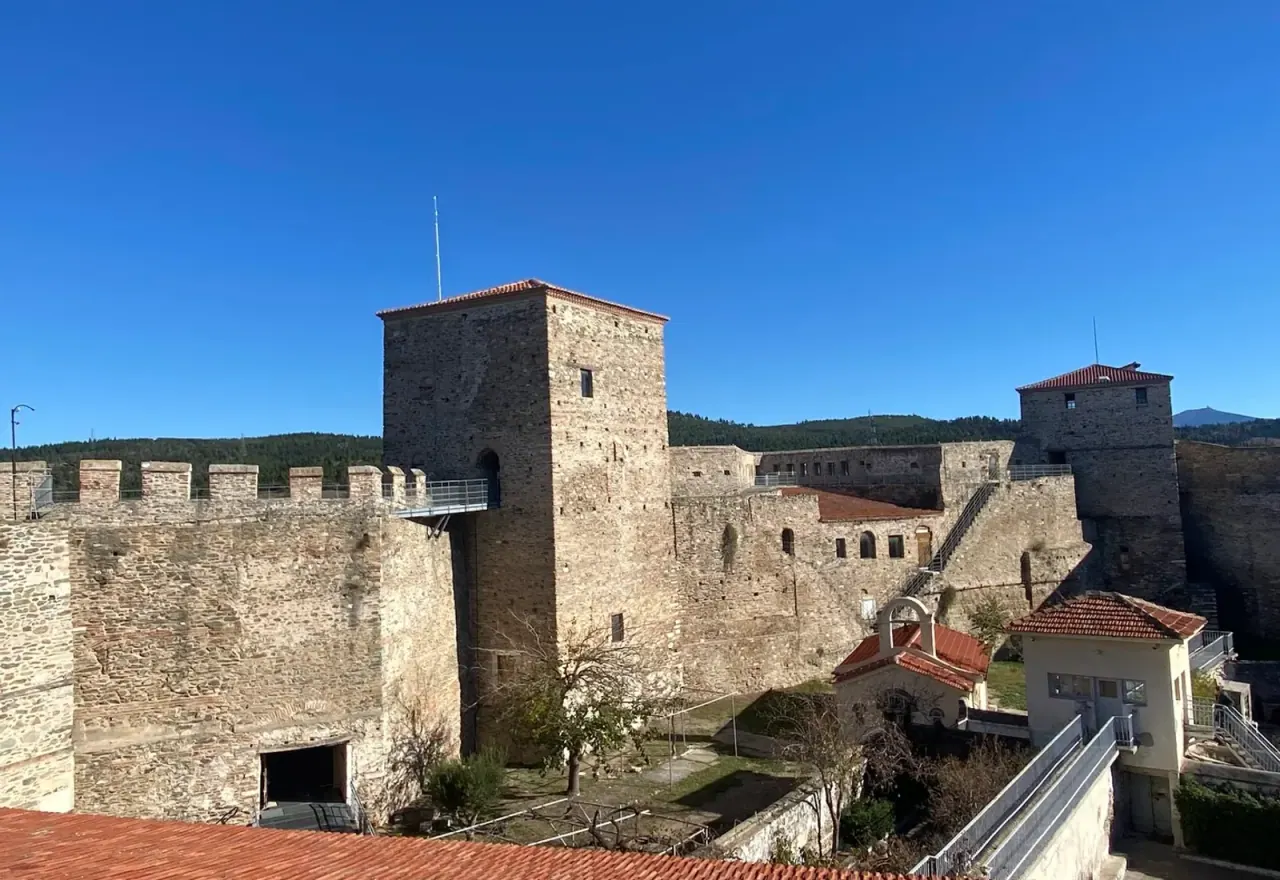
The arched gate-tower of the Heptapyrgion fortress in Thessaloniki
Byzantine / Ottoman

Heptapyrgion

The 'Fortress of Seven Towers' — which despite its name has ten — crowns the acropolis of Thessaloniki, a walled citadel that guarded the city's highest ground before spending nearly a century, from the 1890s to 1989, as its most feared prison. It held political prisoners through the turbulent 20th century and lives on in old rebetiko songs by its Ottoman name, Yedi Kule.

4.6 (7,531)·Top of Ano Poli, ~25 min uphill·45 minutes
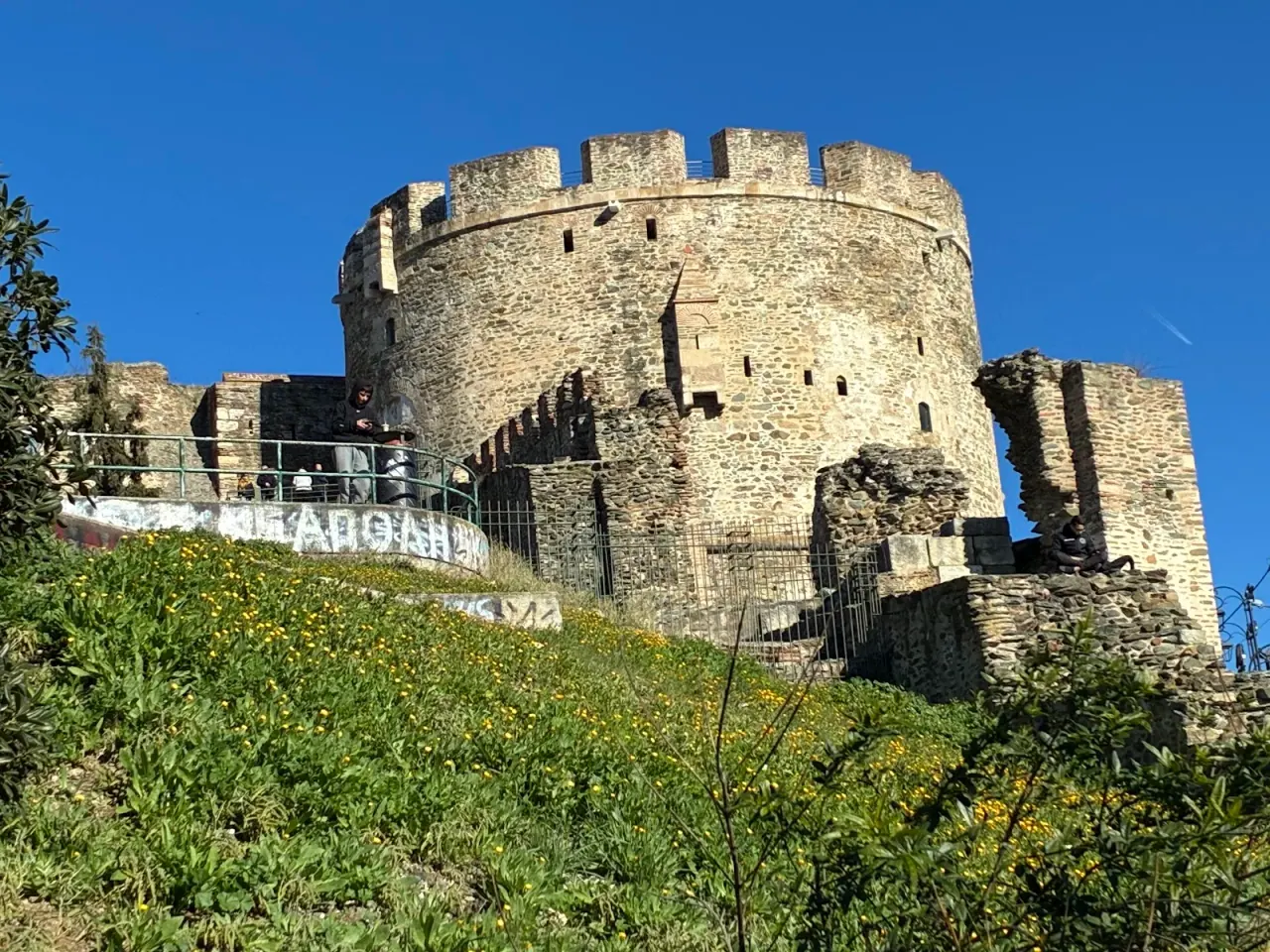
The round Trigonion Tower on the ramparts above Thessaloniki
Ottoman (15th c.)

Trigonion Tower

A massive cylindrical artillery tower at the corner of the city walls — built by the Ottomans late in the 15th century to mount cannon after their conquest, and known in Ottoman times as the Chain Tower. The Trigonion is the classic viewpoint over Thessaloniki's rooftops and the sweep of the Thermaic Gulf.

4.7 (7,630)·Ano Poli, ~20 min uphill·20–30 minutes

Monuments romains

L'empereur Galère a laissé sa marque dans toute la ville : un arc de triomphe, une rotonde à coupole, un palais tentaculaire, et le forum en son cœur.

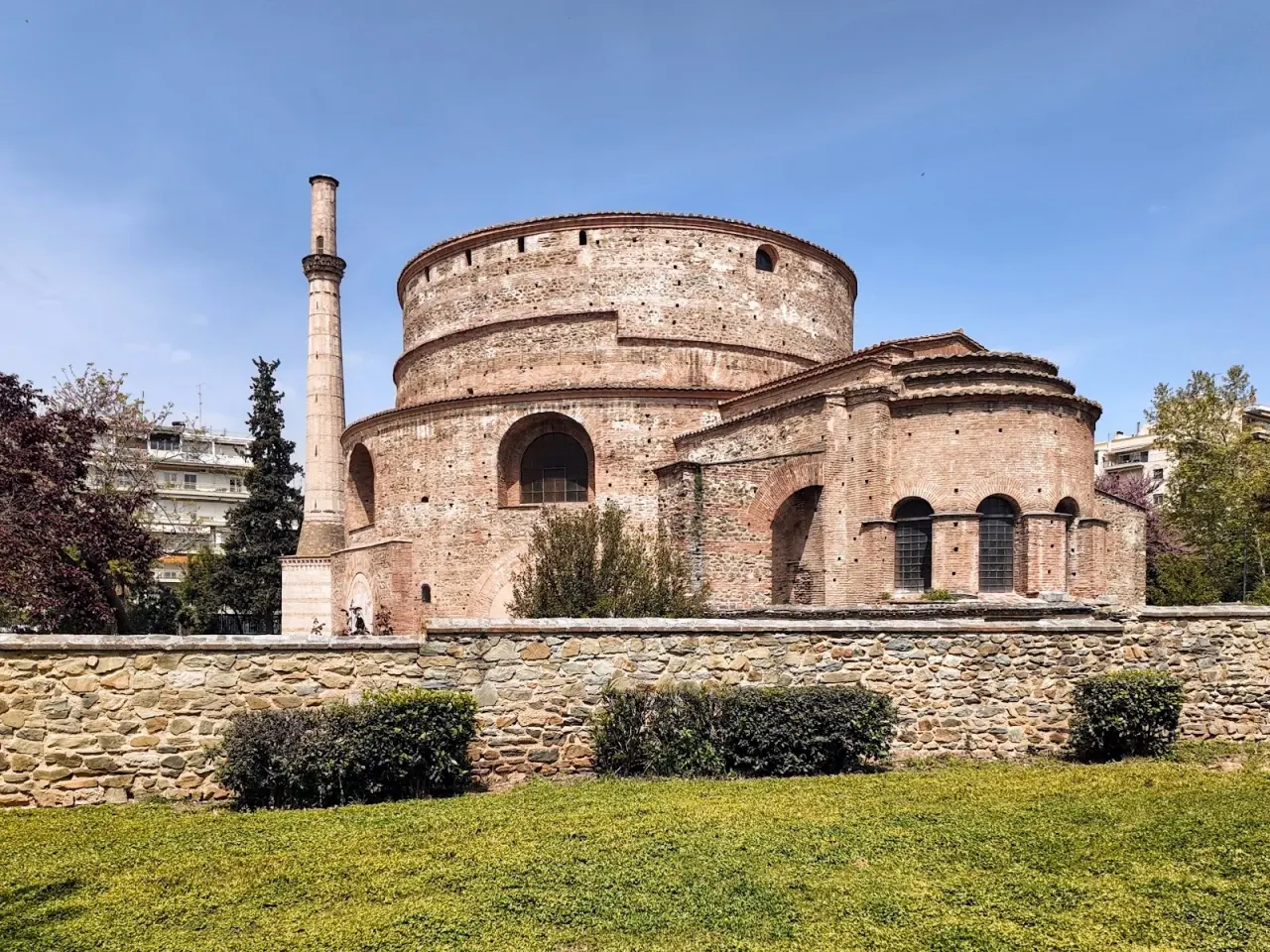
The Roman Rotunda of Galerius with its surviving minaret
Roman / Early Christian (4th c.)

Rotunda of Galerius

A colossal Roman domed rotunda built around 306 AD under the emperor Galerius, later a church and then a mosque, whose interior preserves some of the most important early-Christian mosaics in the world — one of the UNESCO-listed Paleochristian and Byzantine Monuments of Thessaloniki.

4.6 (6,451)·City centre, off Egnatia·30–45 minutes
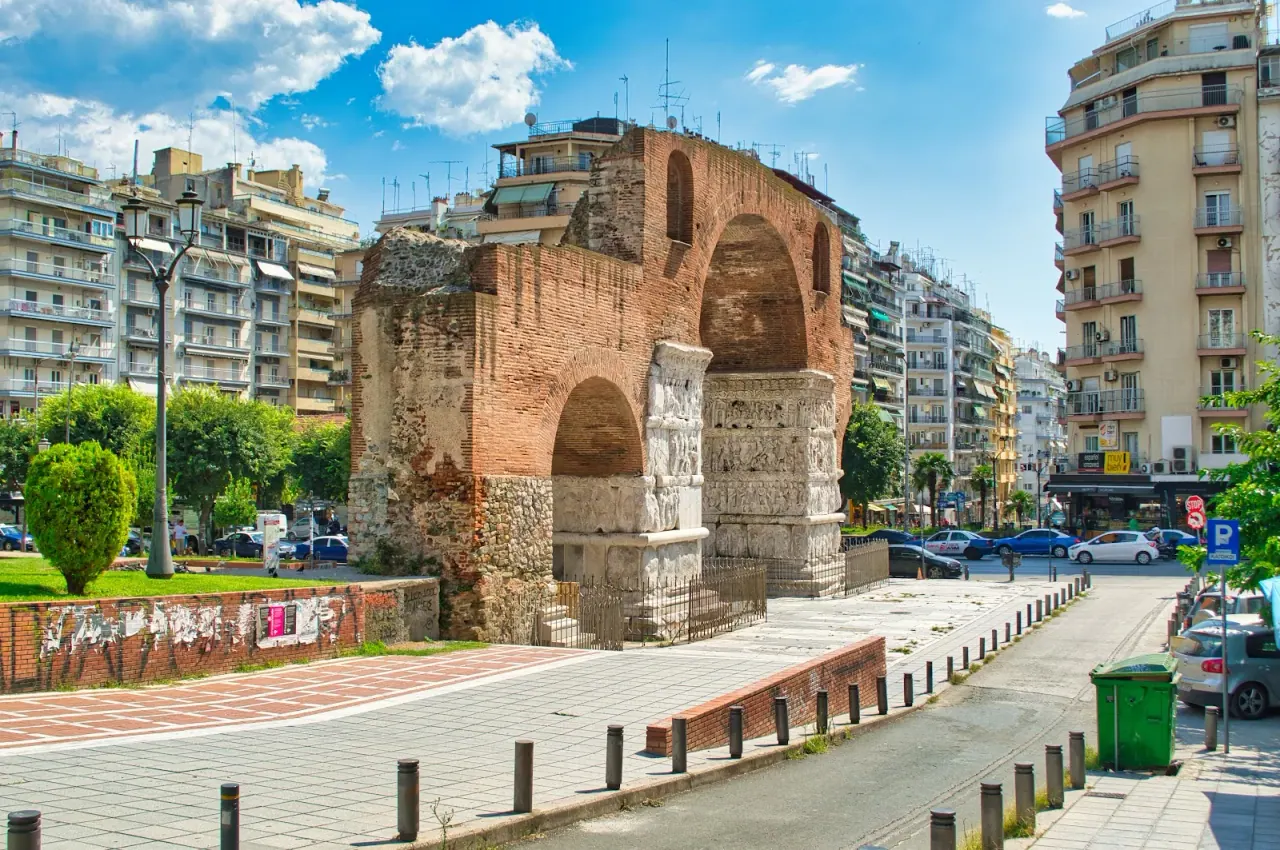
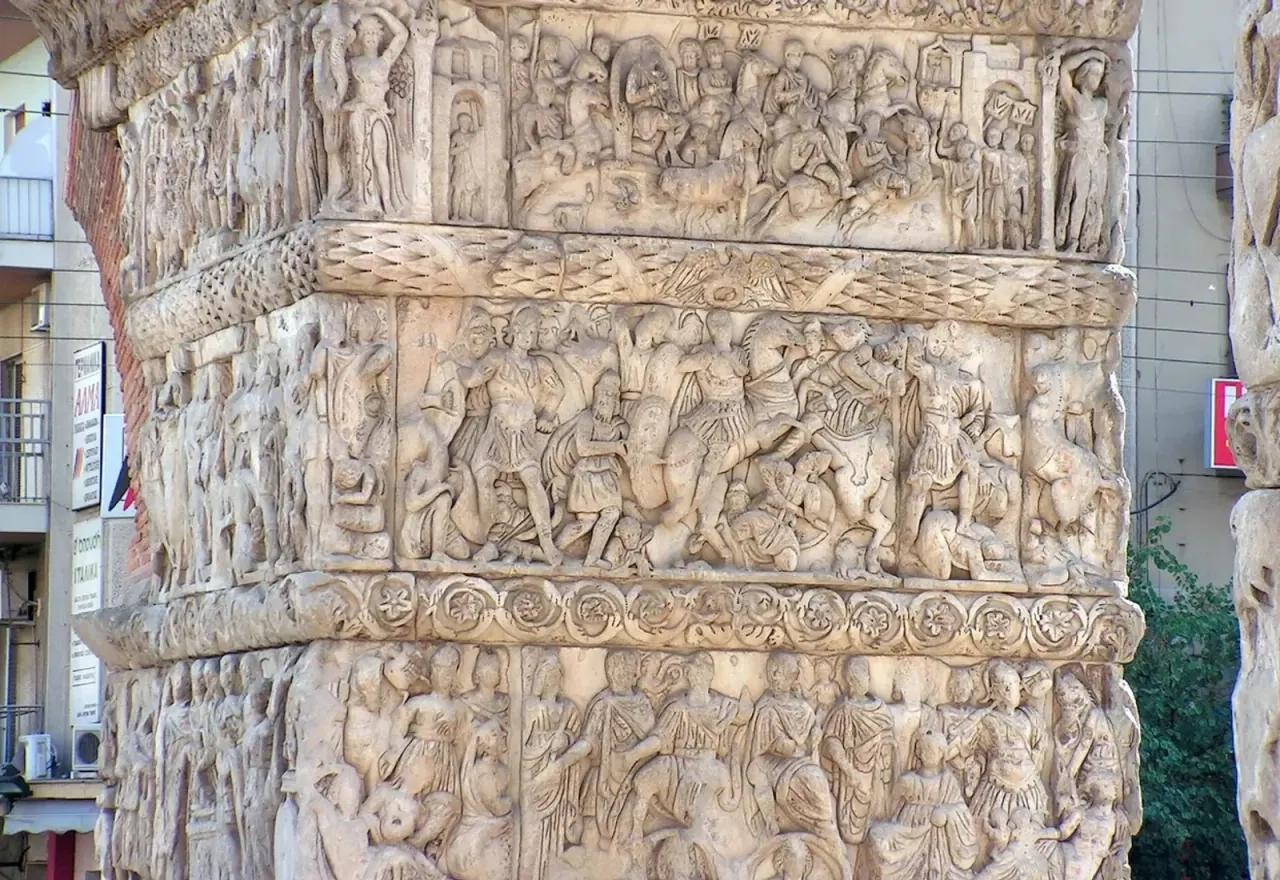
The Arch of Galerius (Kamara) on Egnatia street
Roman (early 4th c.)

Arch of Galerius

Known to everyone simply as 'Kamara', this triumphal arch from around 298–303 AD is the natural meeting point of the city. Its piers are carved with reliefs of the emperor Galerius's victory over the Sassanid Persian king Narseh at the Battle of Satala (298 AD), and it once stood on the ceremonial avenue that linked his palace to the Rotunda.

4.7 (16,467)·City centre·15–20 minutes
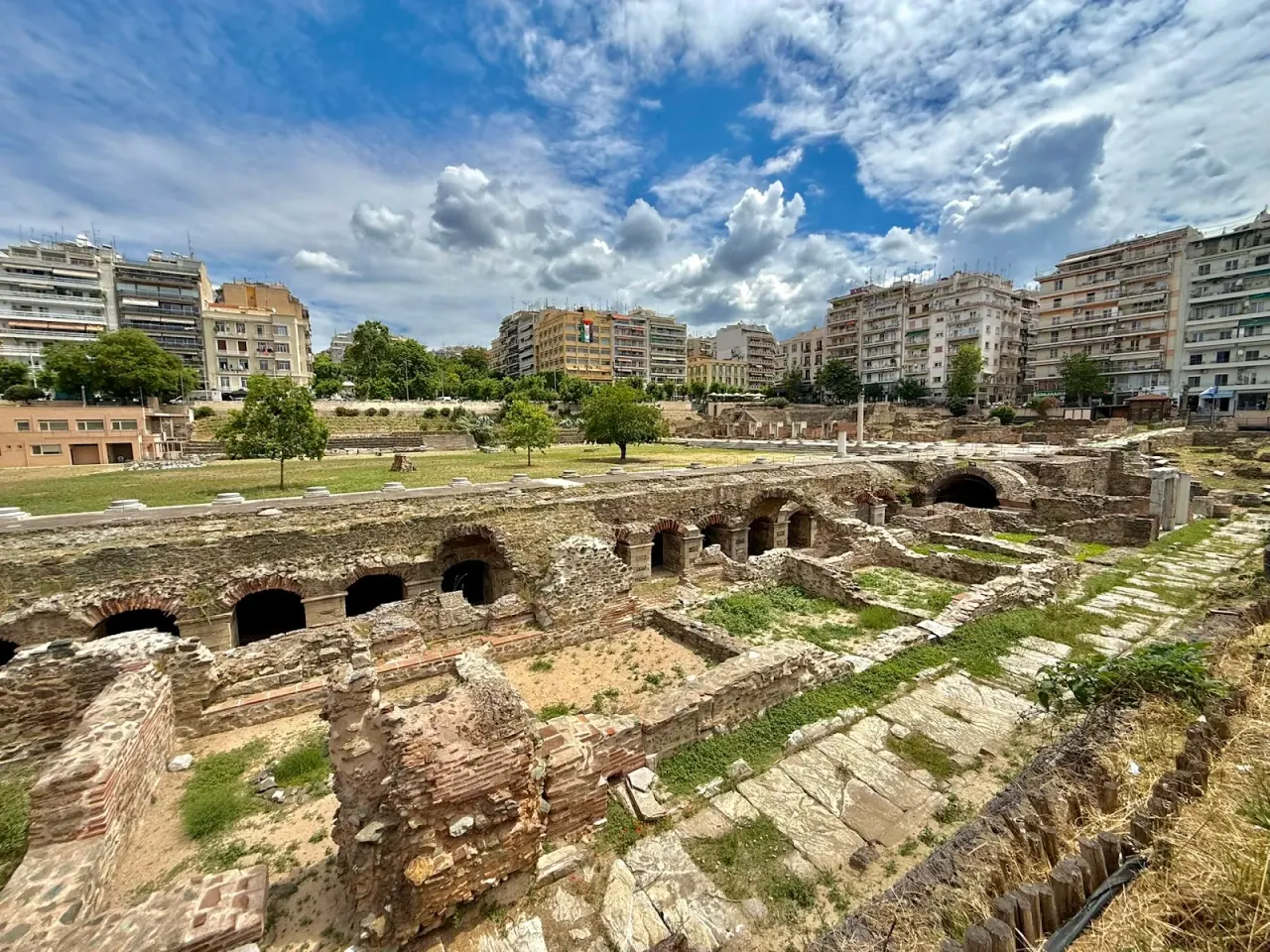
The Roman Forum (Ancient Agora) ruins in central Thessaloniki
Roman (2nd–3rd c.)

Roman Forum

The administrative heart of Roman Thessaloniki, an excavated two-level forum built over an earlier Hellenistic agora, with a restored odeon (a small Roman theatre for performances and shows), colonnaded porticoes, and an underground cryptoporticus that now houses a small museum.

4.6 (5,979)·City centre·45 minutes
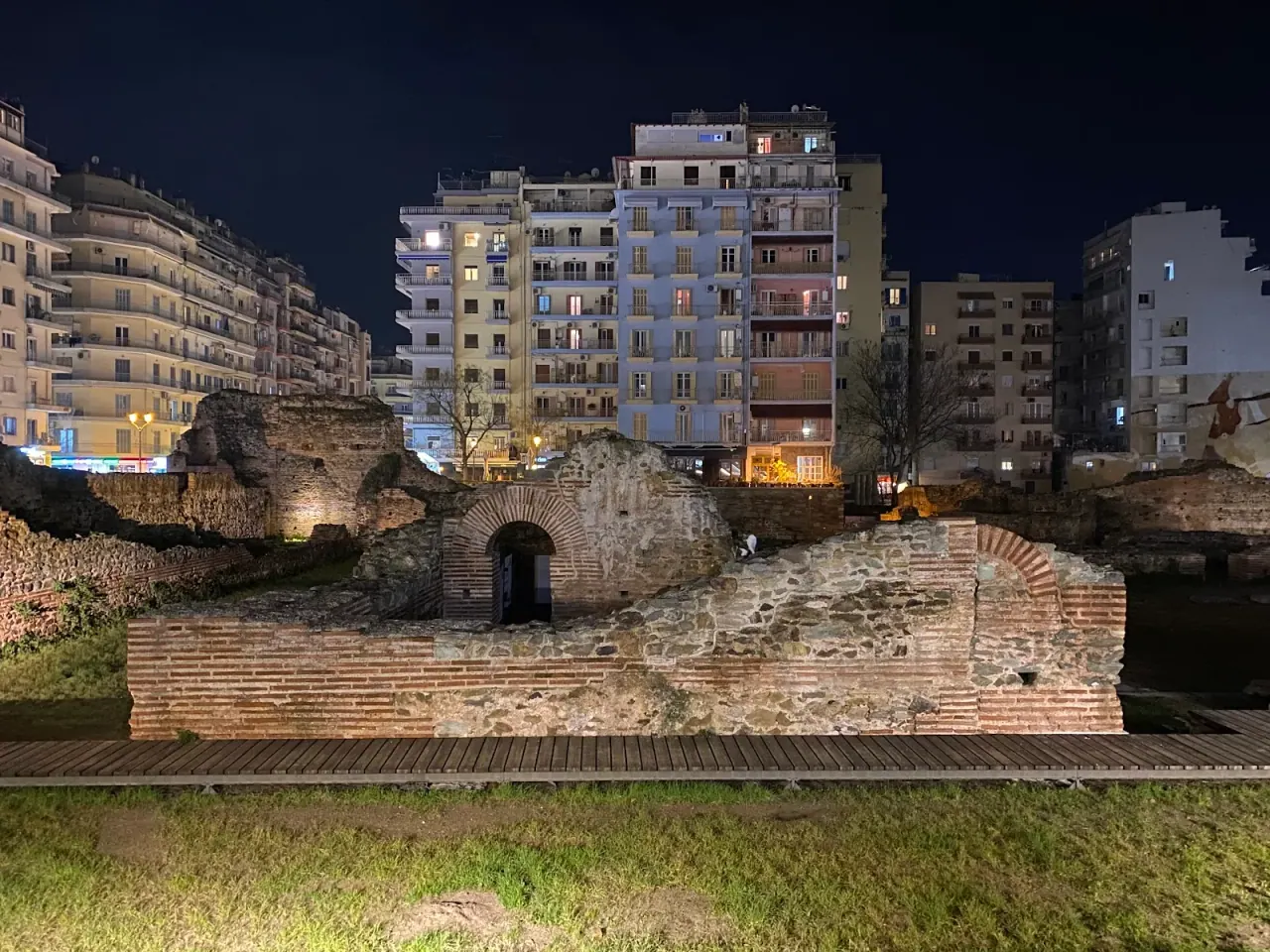
Ruins of the Palace of Galerius at Navarinou Square
Roman (early 4th c.)

Palace of Galerius

The excavated remains of the emperor Galerius's early-4th-century palace lie open in the middle of lively Navarinou Square, including an octagonal throne hall and mosaic floors. It was the heart of his imperial complex, linked by a ceremonial avenue to the Arch of Galerius and the Rotunda.

4.5 (894)·City centre, near the seafront·20 minutes

Églises byzantines

Les églises de Thessalonique classées à l'UNESCO retracent tout l'arc de l'architecture byzantine, leurs murs tapissés de mosaïques à fond d'or et de fresques.

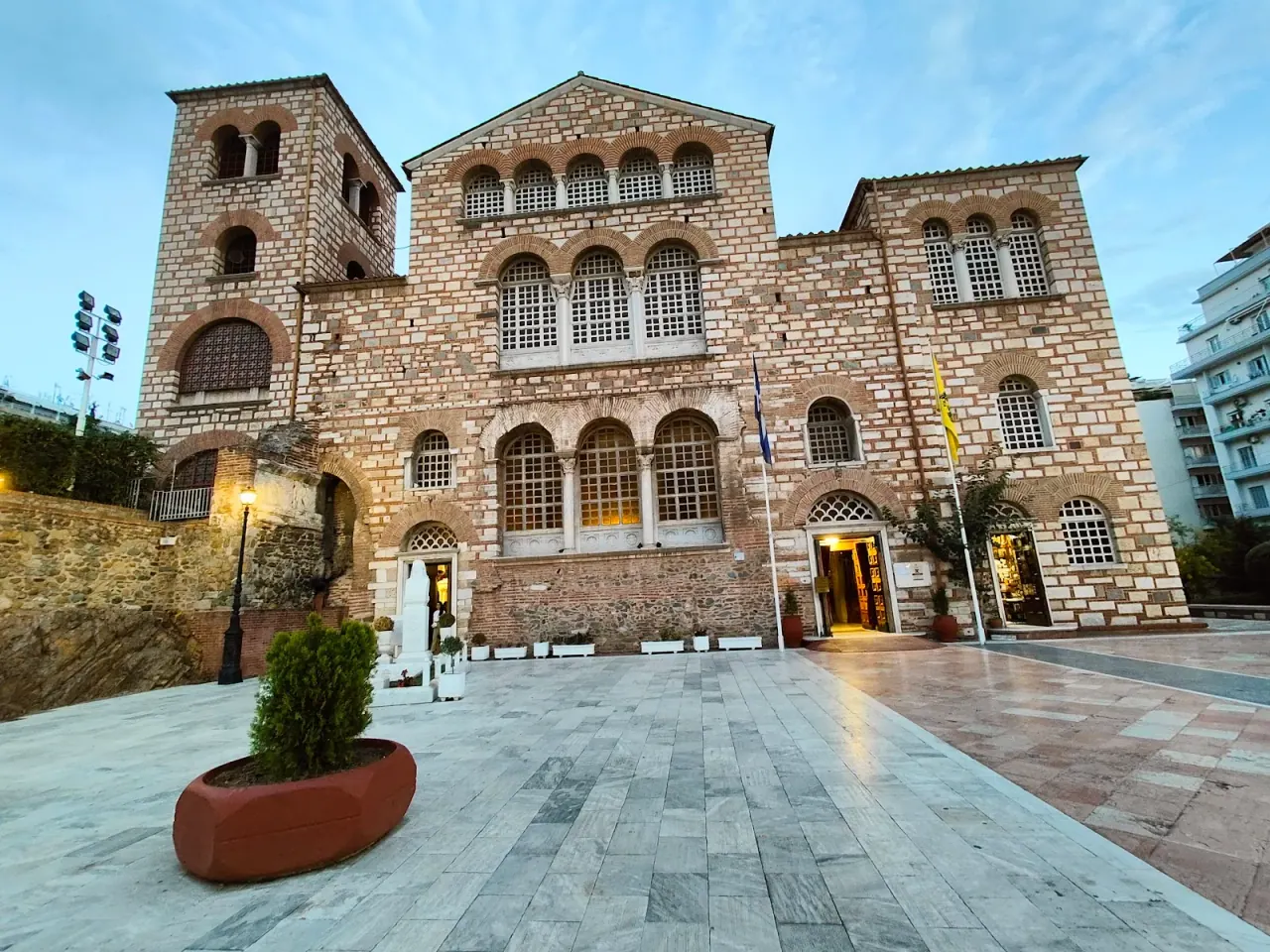
The basilica of Agios Dimitrios in Thessaloniki
Byzantine (7th c., rebuilt 1949)

Church of Agios Dimitrios

The five-aisled basilica of Saint Demetrius, patron of Thessaloniki, built over the Roman baths where he was martyred and home to rare 7th-century mosaics and an atmospheric crypt.

4.9 (11,459)·City centre·45 minutes with the crypt
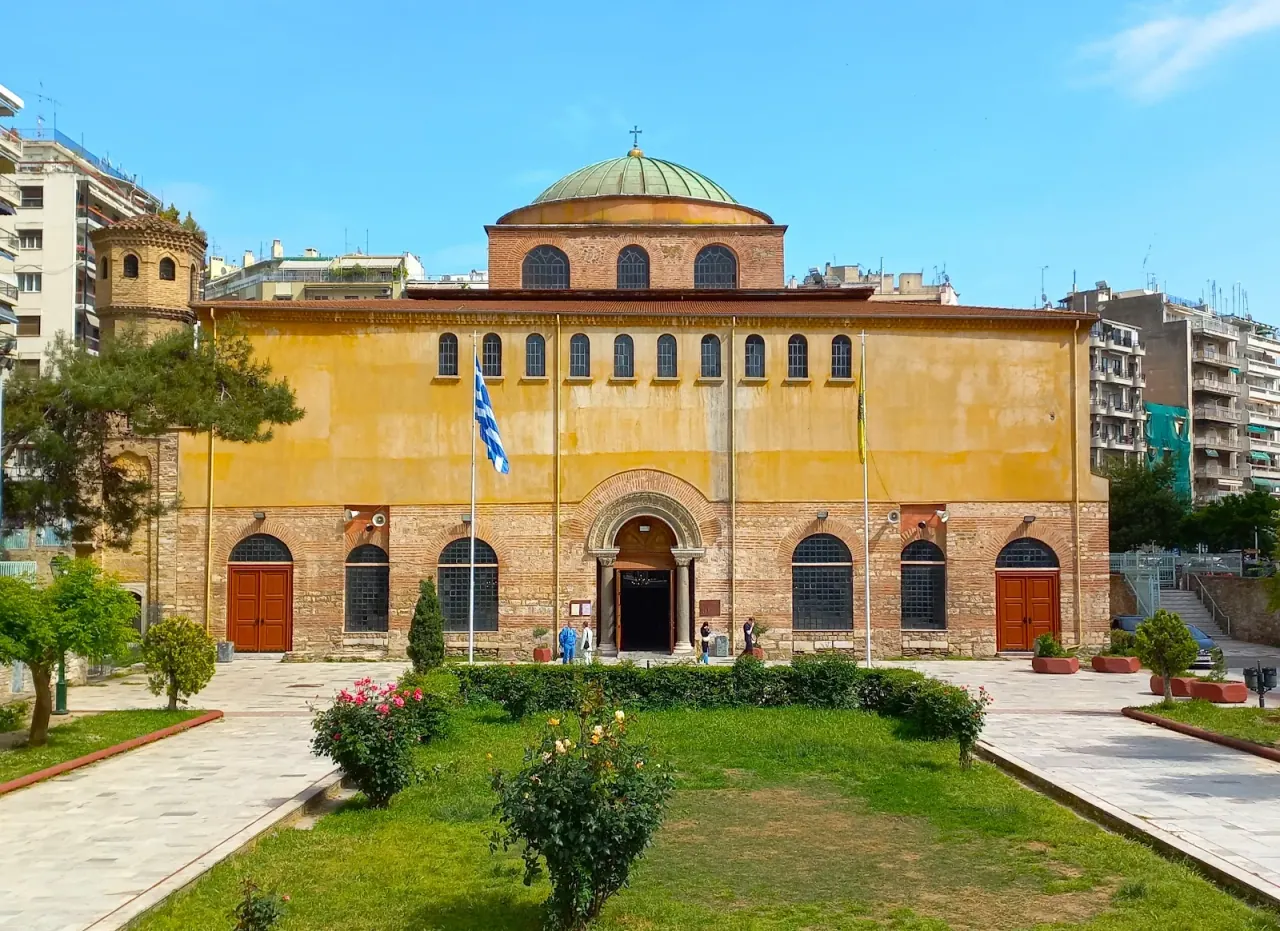
The Byzantine Hagia Sophia church in Thessaloniki
Byzantine (8th c.)

Hagia Sophia of Thessaloniki

A squat, powerful 8th-century domed church modelled on its namesake in Constantinople, with a luminous mosaic of the Ascension in the dome.

4.8 (8,244)·City centre·20–30 minutes
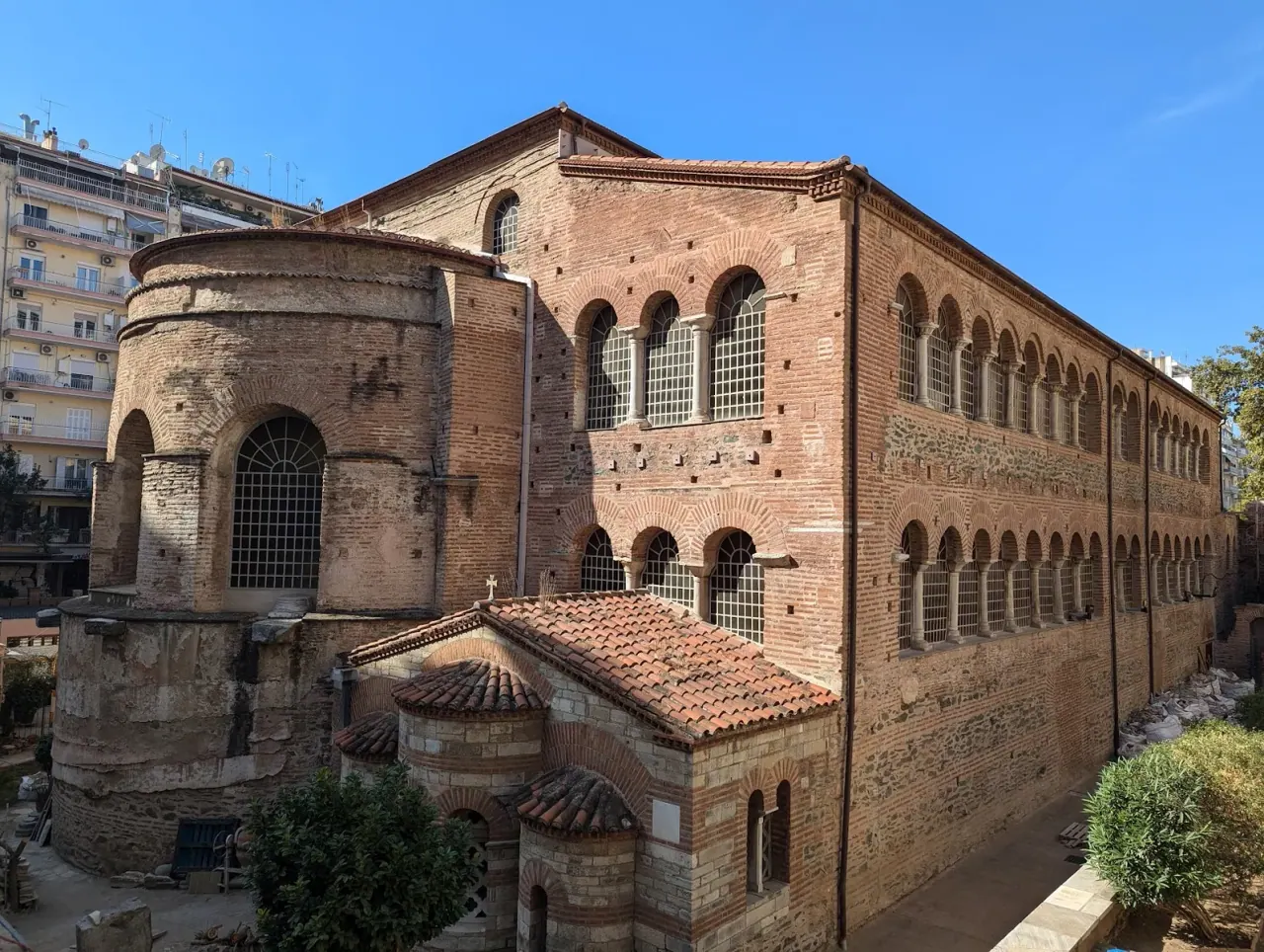
The brick exterior of the Byzantine Acheiropoietos basilica, Thessaloniki
Byzantine (5th c.)

Church of Panagia Acheiropoietos

One of the oldest churches in the city still in continuous use — a 5th-century early-Christian basilica with elegant columns and fine mosaic fragments.

4.8 (868)·City centre·15–20 minutes
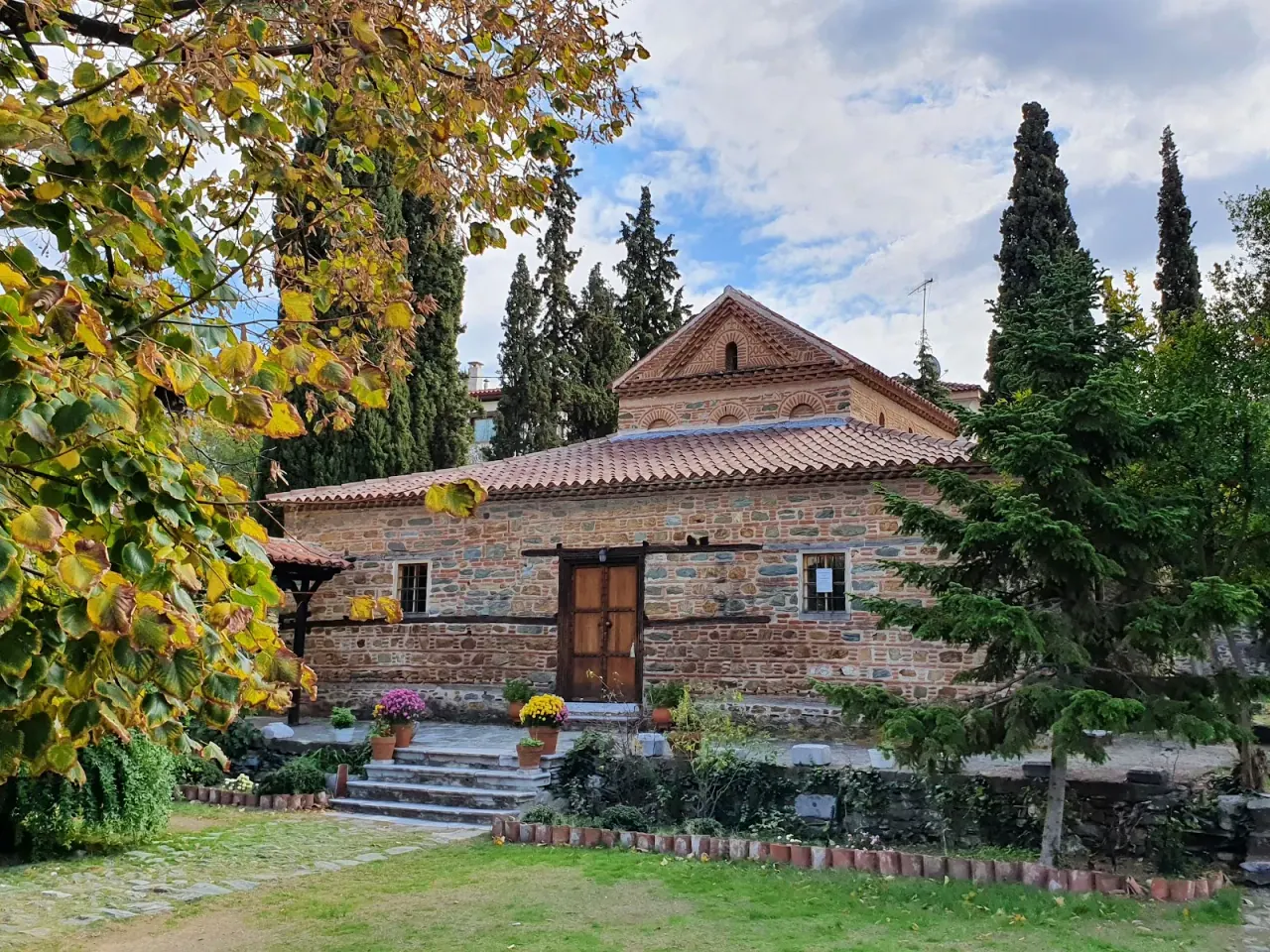
The small stone church of Agios Nikolaos Orfanos in its garden, Thessaloniki
Byzantine (early 14th c.)

Church of Agios Nikolaos Orfanos

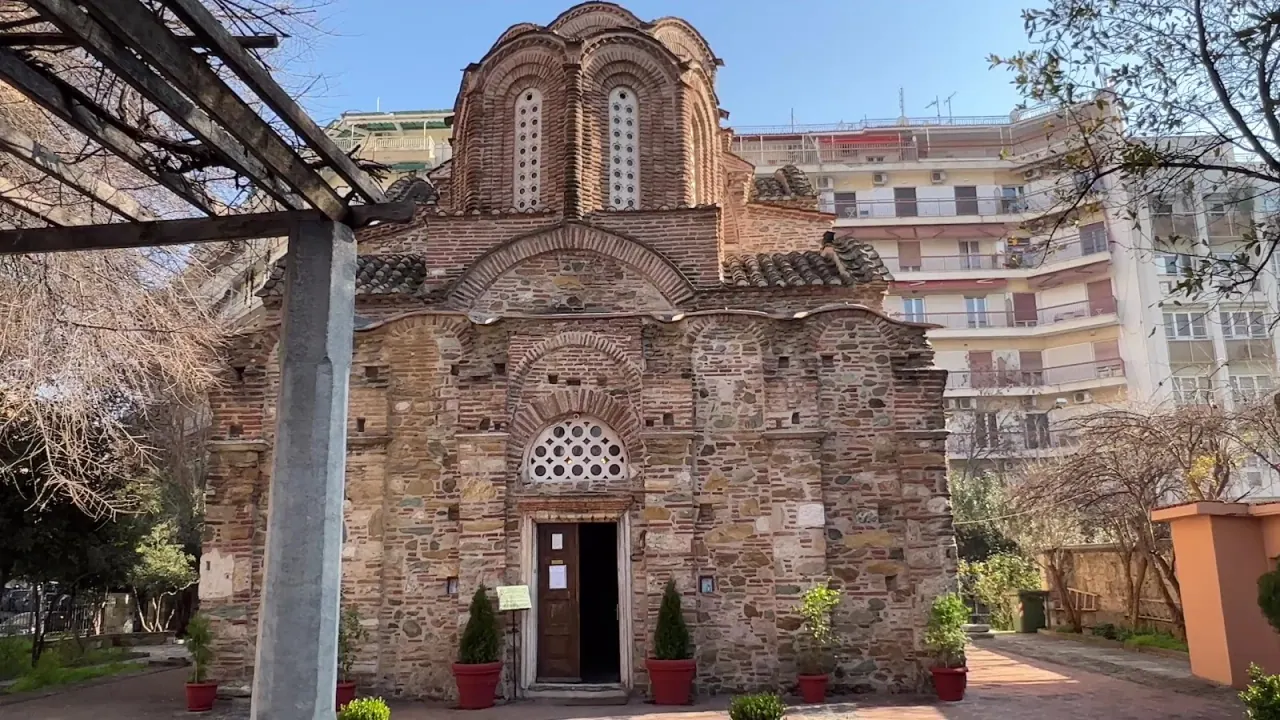
A small church of around 1310–1320 in the upper town whose interior is covered, almost wall to wall, with exceptionally well-preserved Palaiologan frescoes — spared because, unusually among the city's Byzantine churches, it was never turned into a mosque under Ottoman rule, so its walls were never plastered over.

4.8 (737)·Ano Poli, ~15 min uphill·20 minutes
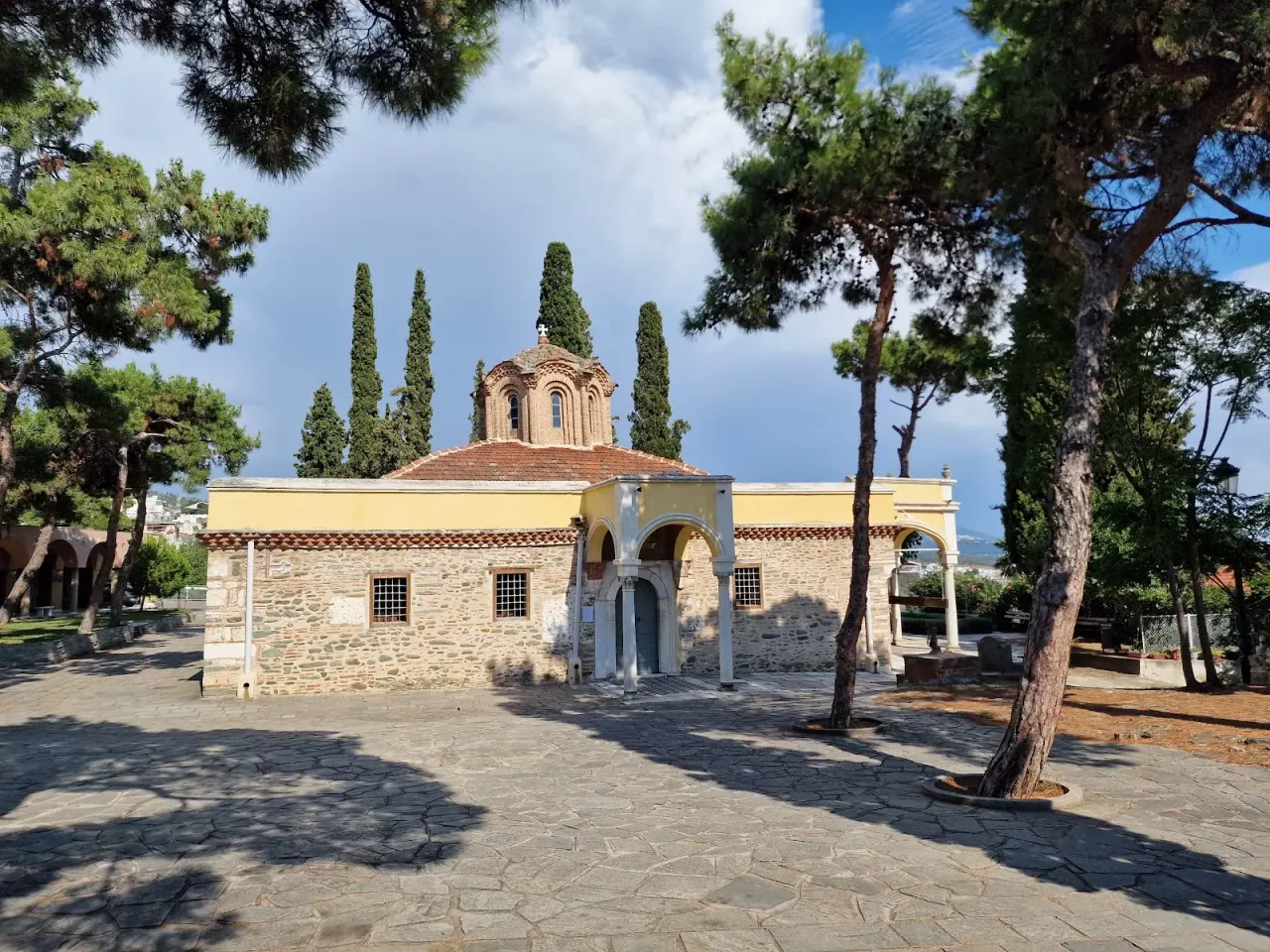
The church of Vlatadon Monastery in its courtyard above Thessaloniki
Byzantine (14th c.)

Vlatadon Monastery

Founded in the later 14th century by the brothers Dorotheos and Markos Vlatades, disciples of Gregory Palamas, it is the only Byzantine monastery in the city still active — set in gardens high in the upper town with a small church, peacocks, and a commanding view of the gulf.

4.7 (3,548)·Ano Poli, ~25 min uphill·30 minutes
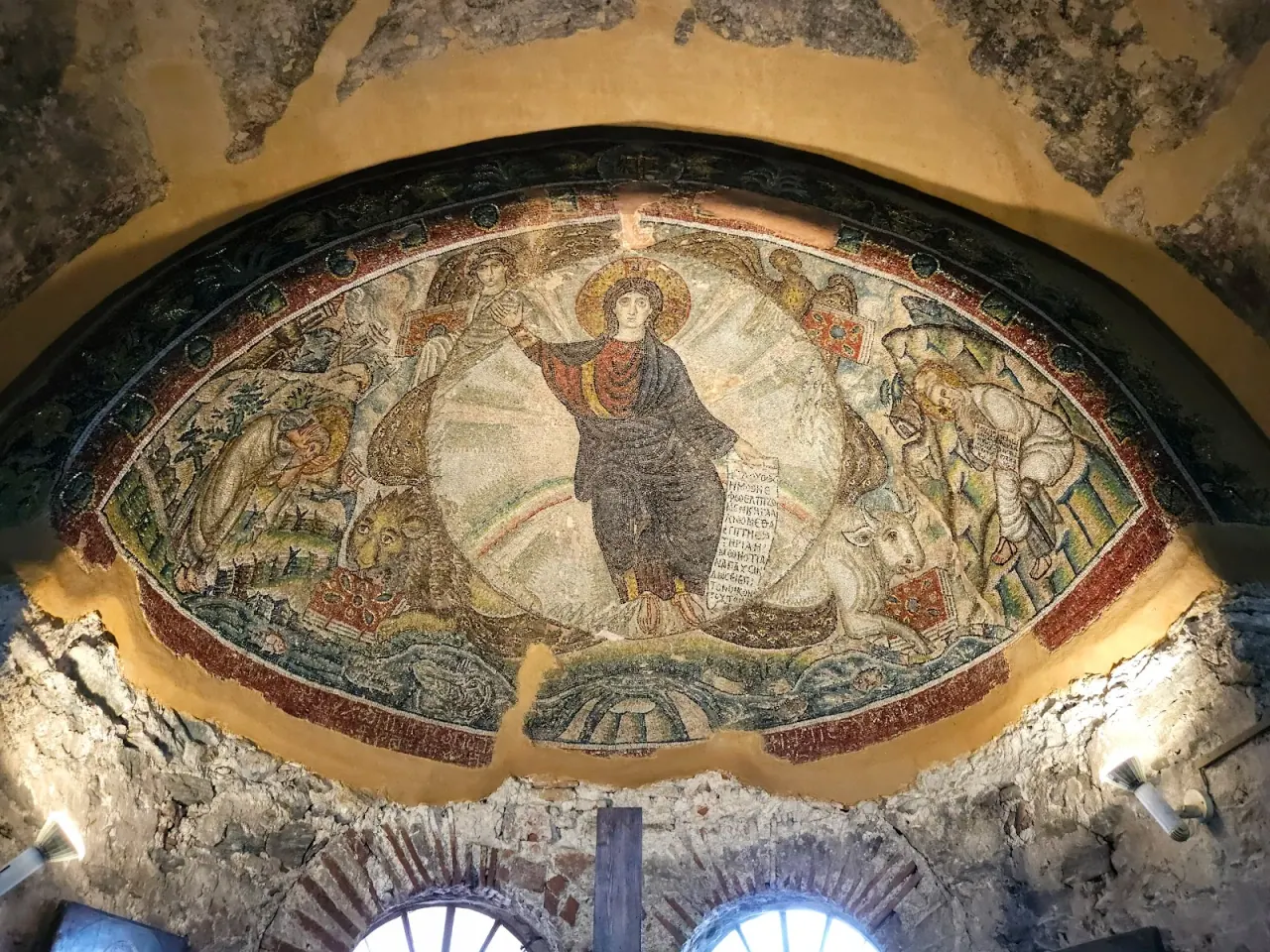
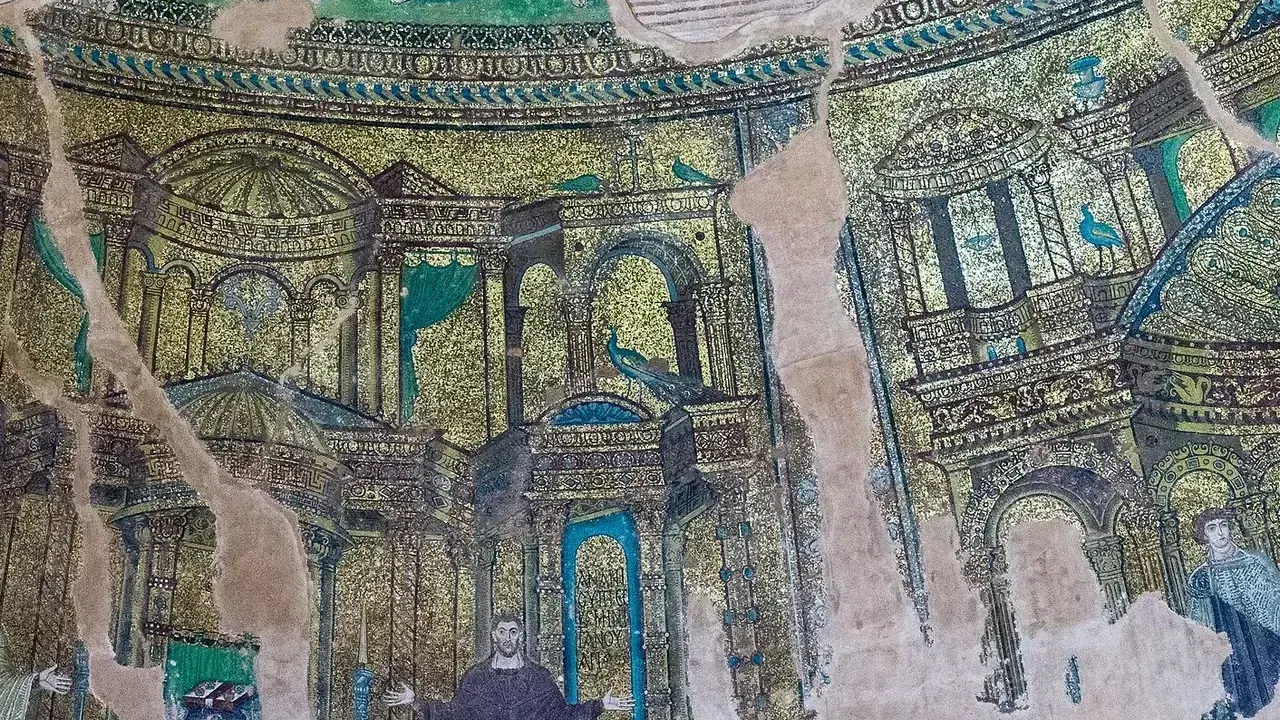
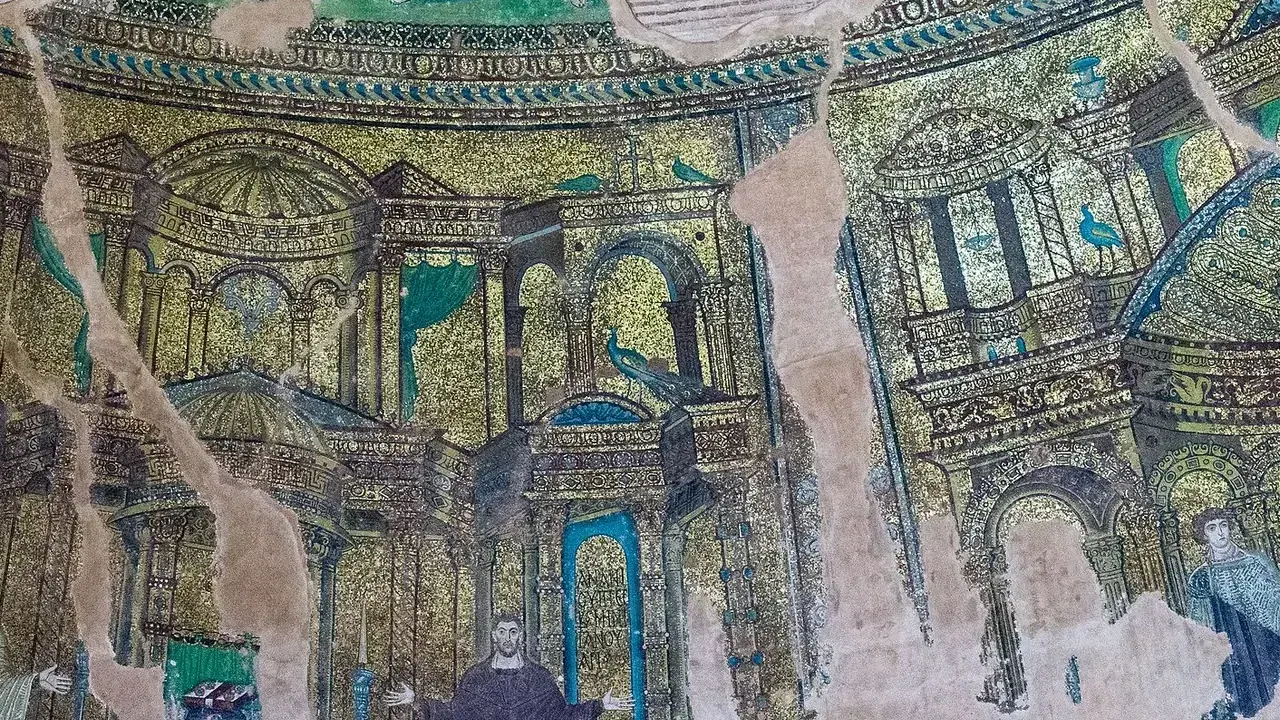
The late-5th-century apse mosaic of the Vision of Ezekiel — a youthful Christ in a mandorla — at Osios David (Latomou Monastery), Thessaloniki
Early Byzantine (late 5th c.)

Osios David (Latomou Monastery)

A tiny chapel in the lanes of Ano Poli that holds one of the most important early-Christian mosaics in the world — a UNESCO-listed treasure most visitors walk straight past.

4.8 (854)·Ano Poli, ~15–20 min uphill from the centre·20 minutes
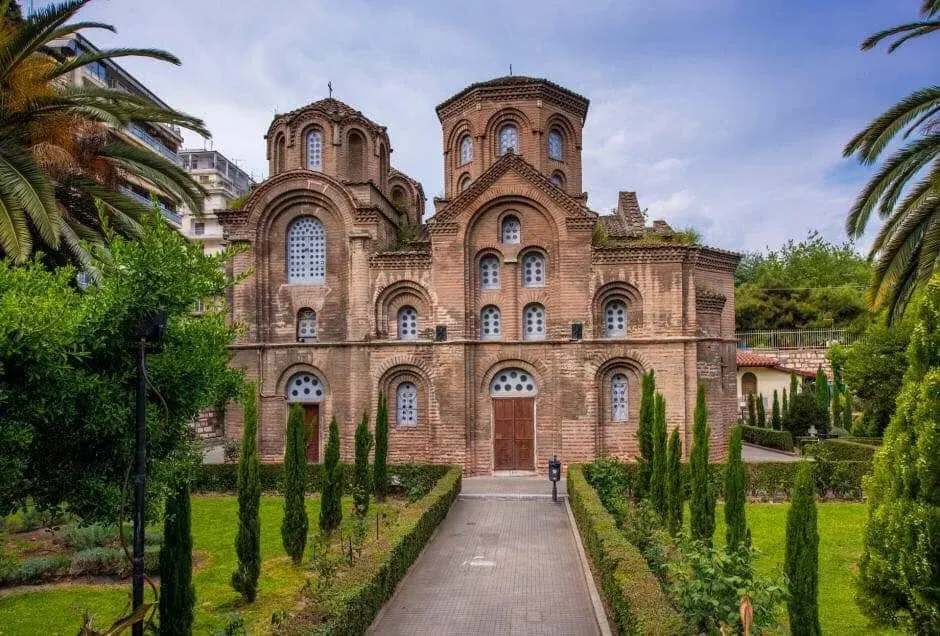
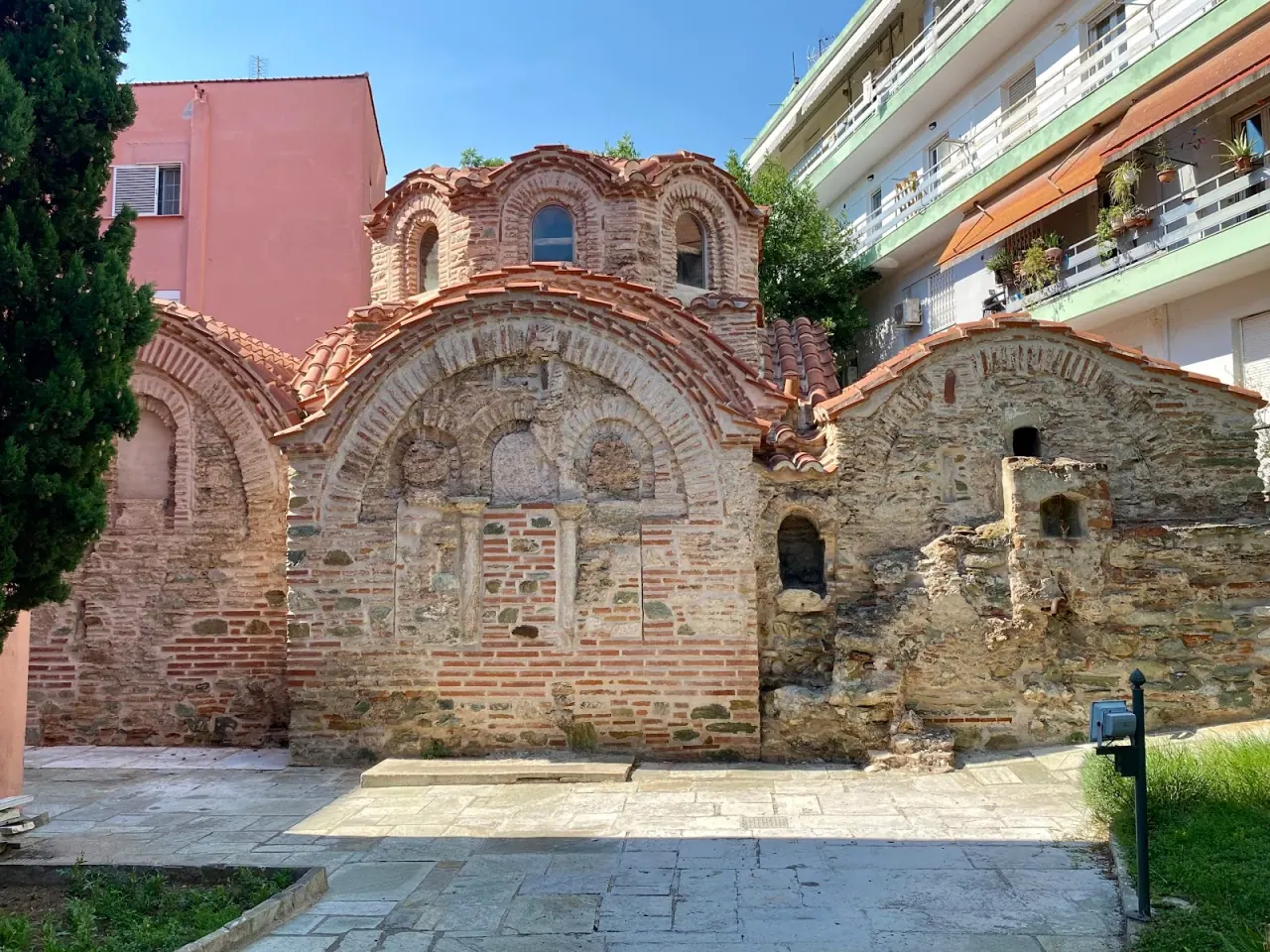
The red-brick Byzantine church of Panagia Chalkeon (1028), the 'Red Church', framed by a cypress garden in central Thessaloniki
Byzantine (1028)

Panagia Chalkeon

An elegant all-brick cross-in-square church of 1028, nicknamed the 'Red Church' for its warm terracotta masonry, sunk in a small garden beside the Roman Forum in the heart of the city.

4.7 (602)·City centre, a block from Aristotelous and Egnatia·15–20 minutes
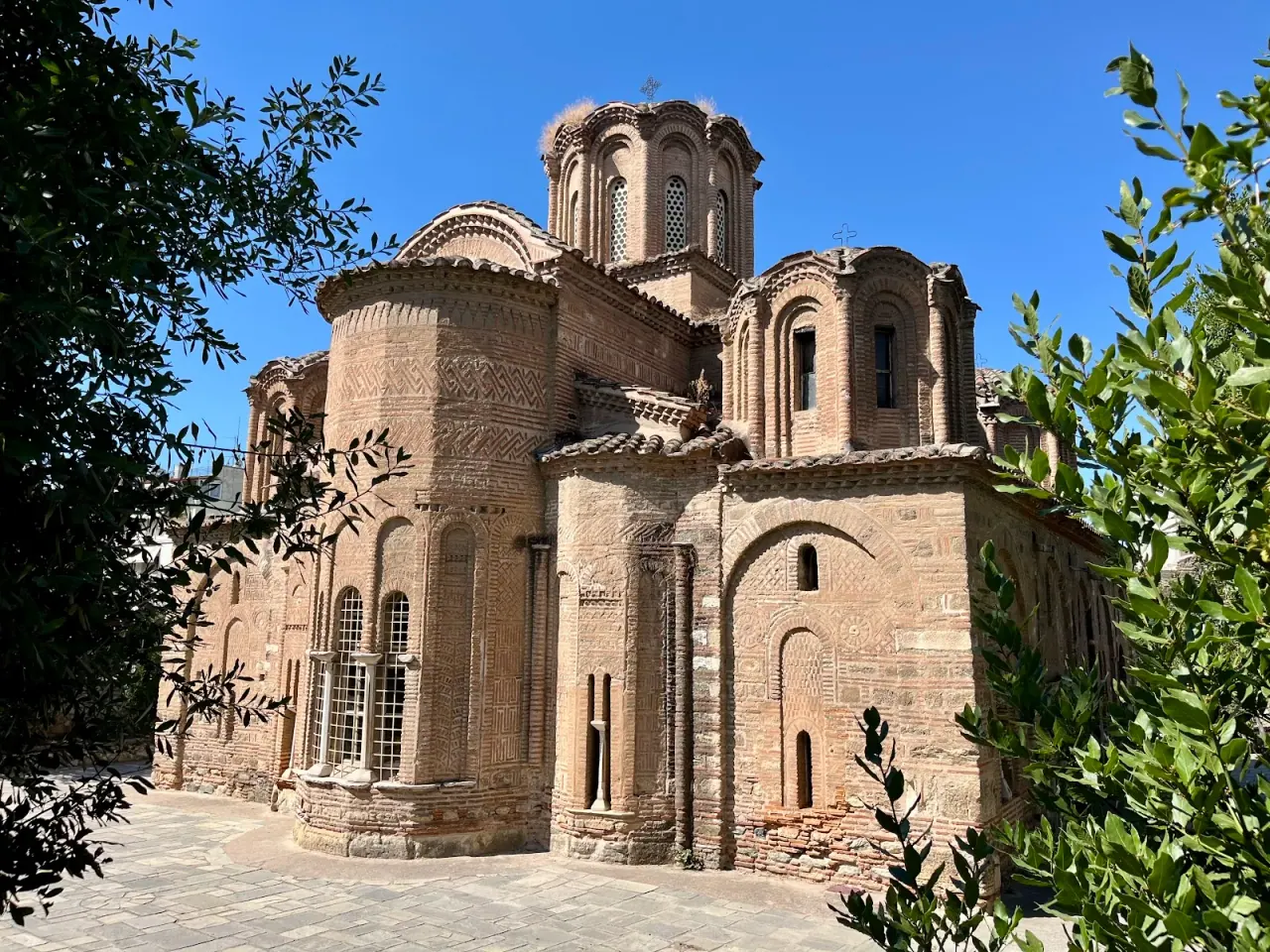
The five-domed Church of the Holy Apostles in Thessaloniki, its apses and domes covered in elaborate Byzantine decorative brickwork
Late Byzantine (c. 1310–1314)

Church of the Holy Apostles

A jewel-box five-domed church founded around 1310–1314 by Niphon I, Patriarch of Constantinople, as a monastery's katholikon — famous for some of the most dazzling decorative brickwork in the Byzantine world and for the Palaiologan mosaics and frescoes preserved inside. A UNESCO monument many visitors walk straight past.

4.7 (591)·Western old town, ~12–15 min walk W of Aristotelous·20–30 minutes
The five-domed brick exterior of the Byzantine church of Agia Aikaterini in Ano Poli, Thessaloniki, with its arcaded gallery
Late Byzantine (late 13th–early 14th c.)

Church of Agia Aikaterini

One of the most graceful of the city's Byzantine churches — a five-domed Palaiologan jewel of the late 13th or early 14th century, wrapped in a columned ambulatory and bands of fine brickwork, tucked into the northwestern lanes of Ano Poli. Its original name is lost; under the Ottomans it became the Yakup Pasha Mosque. A UNESCO monument most visitors never reach.

4.8 (434)·Ano Poli, ~15–20 min uphill from the centre·15–20 minutes
The brick-and-stone Byzantine church of Agios Panteleimon with its central dome, Thessaloniki
Late Byzantine (c. 1295–1314)

Church of Agios Panteleimon

A well-proportioned Palaiologan church with a central dome and a wraparound ambulatory, set in a planted courtyard just steps from the Rotunda and the Arch of Galerius — the easiest of the UNESCO Byzantine churches to fold into a city-centre walk.

4.7 (249)·City centre, by the Arch of Galerius and Rotunda·15–20 minutes
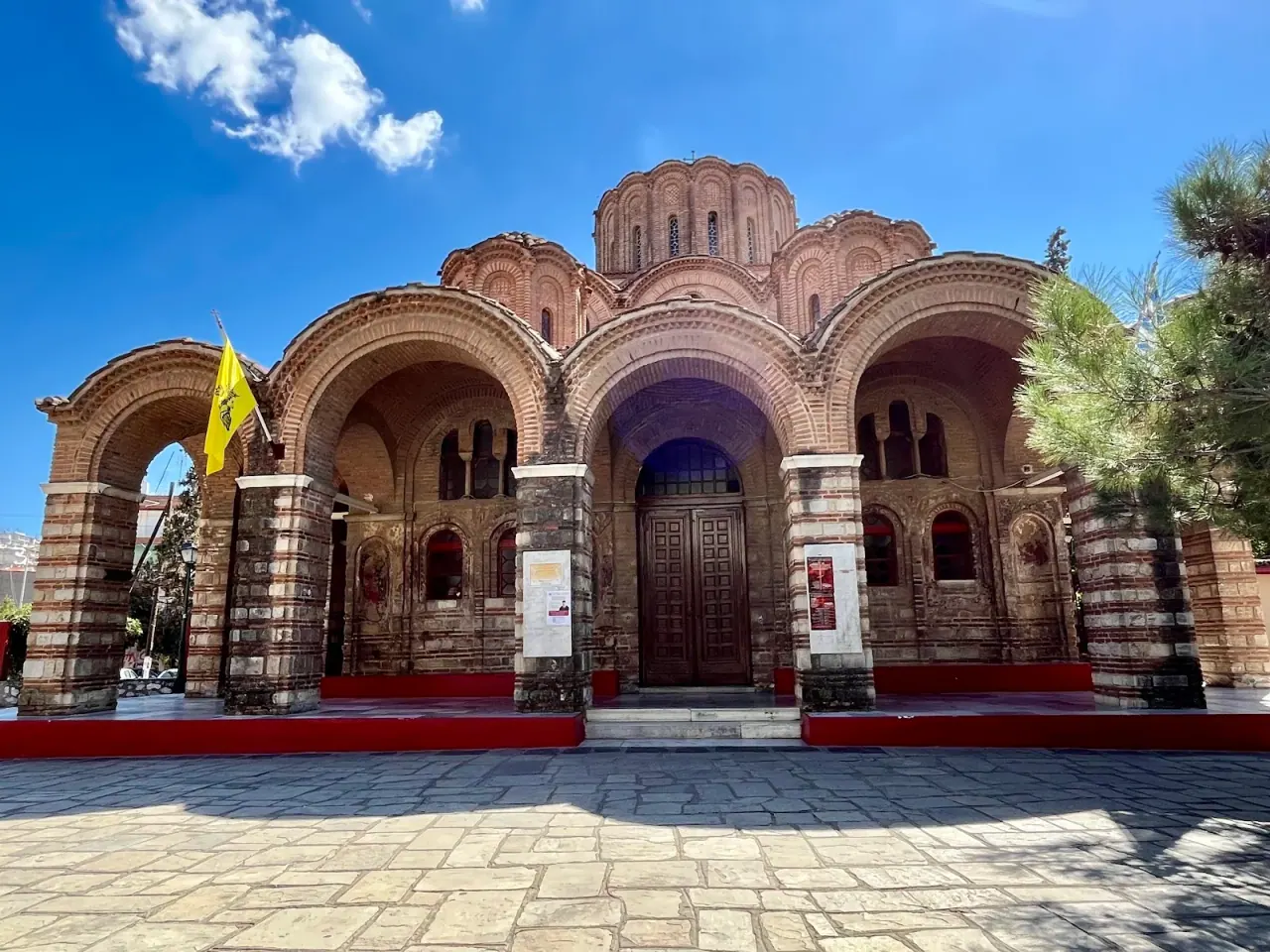
The arcaded portico and brick facade of the Byzantine church of Profitis Ilias (Prophet Elijah), Thessaloniki, with its central dome behind
Late Byzantine (mid-14th c.)

Church of Profitis Ilias

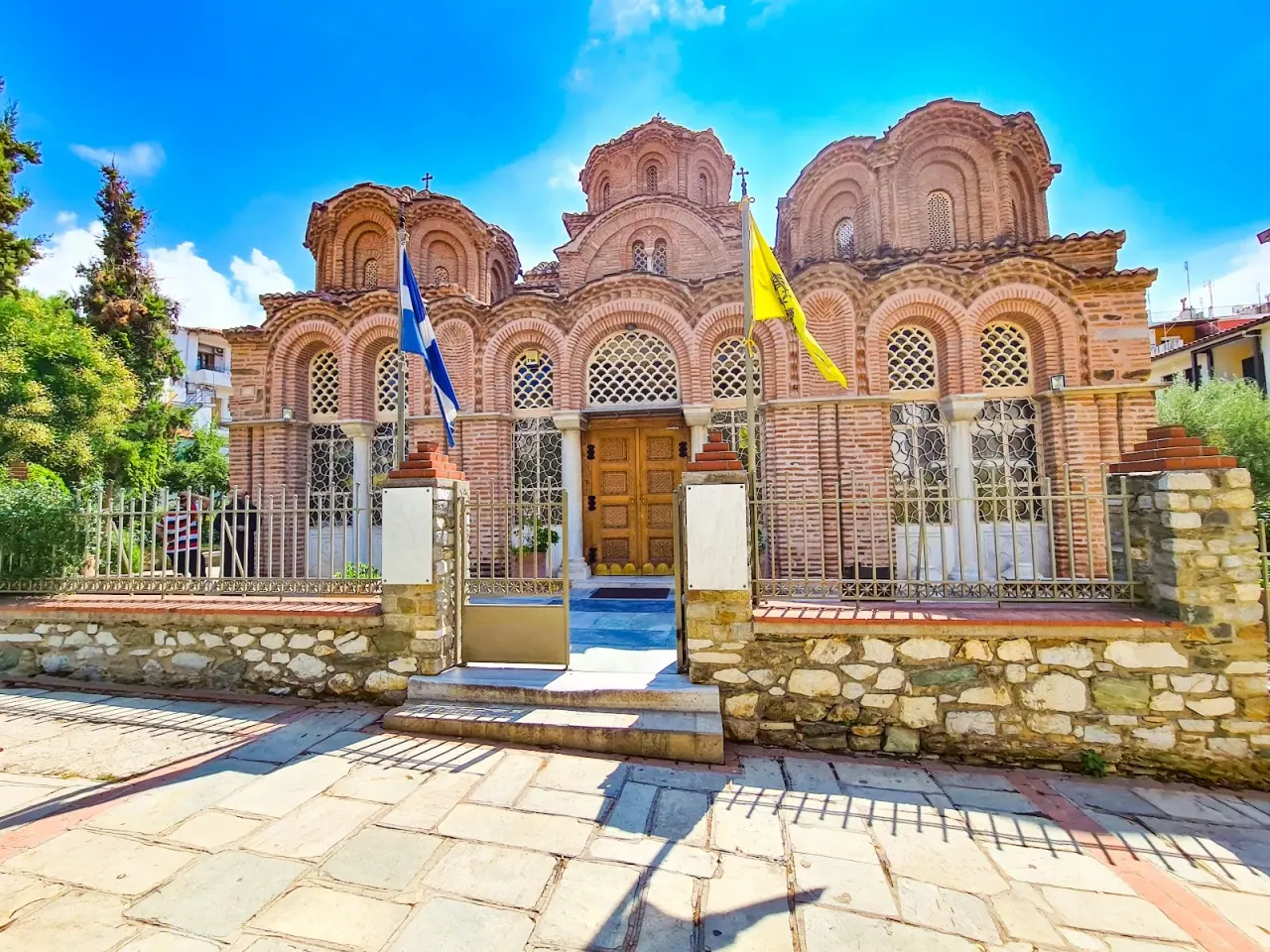
A grand mid-14th-century church and the only one in Thessaloniki built on the Athonite plan used by the monasteries of Mount Athos — a tall central dome over a sweeping arcaded portico. Converted to a mosque soon after the Ottoman conquest of 1430, it is now a UNESCO monument on the slope below Ano Poli.

4.7 (591)·~10–15 min walk N of the centre, below Ano Poli·15–20 minutes

Musées

Des collections de classe mondiale d'or macédonien et d'art byzantin, à quelques pas du bord de mer.

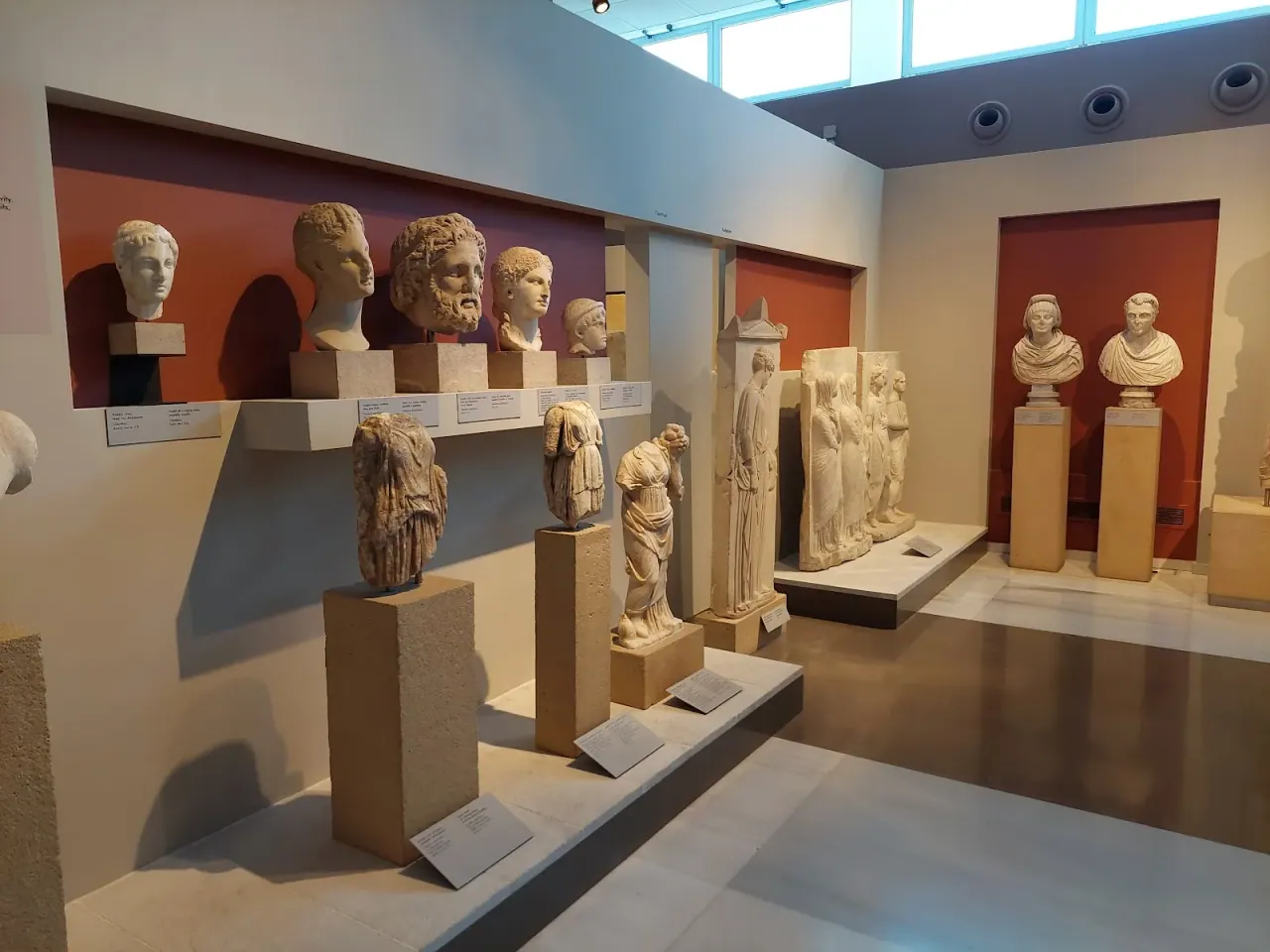
Classical marble sculptures on display in the Archaeological Museum of Thessaloniki
Modern (1962)

Archaeological Museum of Thessaloniki

The leading museum of Macedonian antiquity, famous for its Hellenistic gold — including the dazzling Derveni Krater and the Derveni papyrus, a 4th-century-BC scroll that UNESCO's Memory of the World register lists as the oldest surviving book in Europe.

4.7 (9,108)·City centre, by the seafront·1.5–2 hours
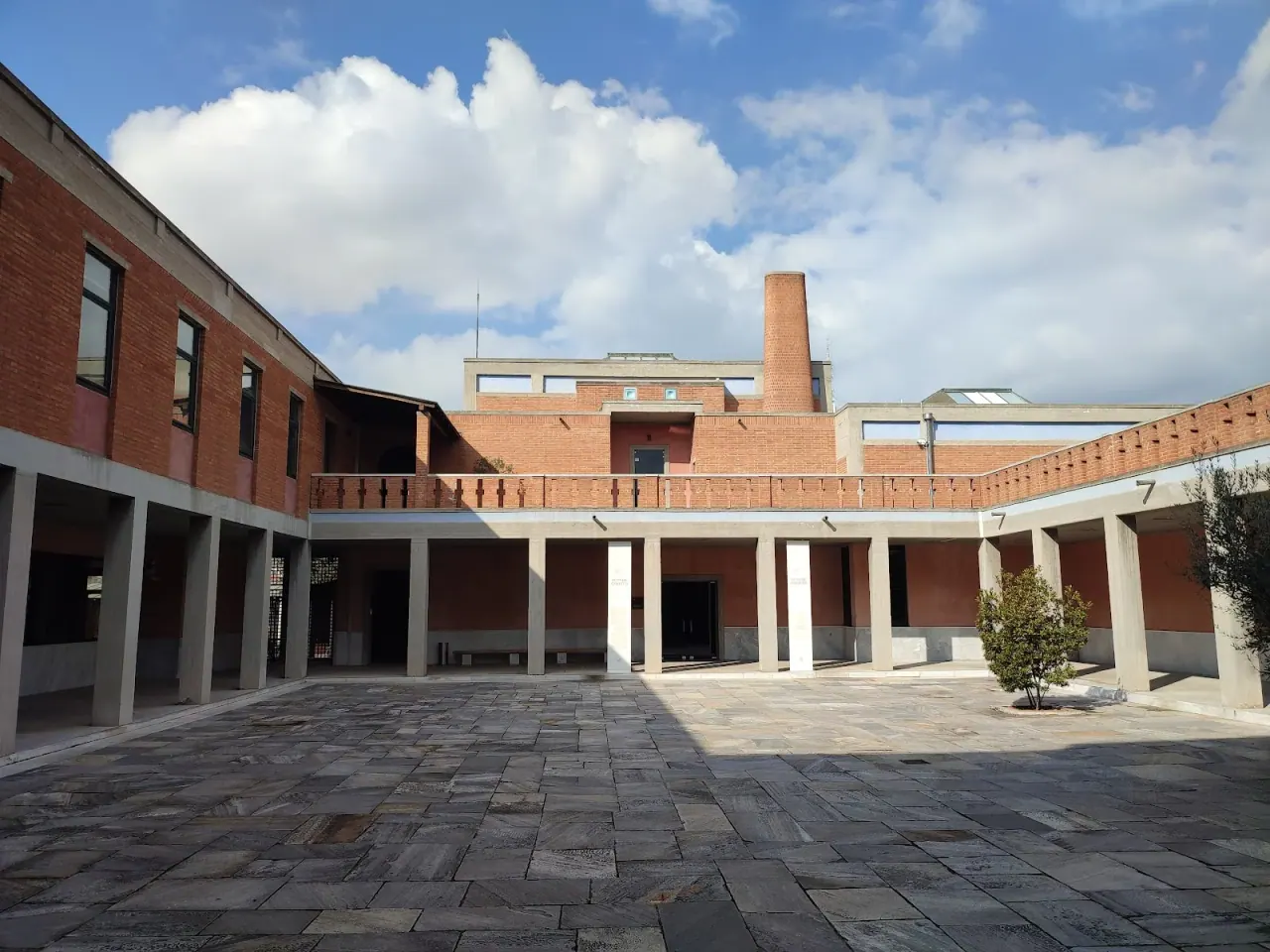
The brick exterior and colonnaded courtyard of the Museum of Byzantine Culture, Thessaloniki
Modern (1994)

Museum of Byzantine Culture

An award-winning museum tracing Byzantine and post-Byzantine life through mosaics, icons, frescoes, jewellery, and everyday objects, set in a calm modern building.

4.6 (4,342)·City centre, by the seafront·1.5 hours
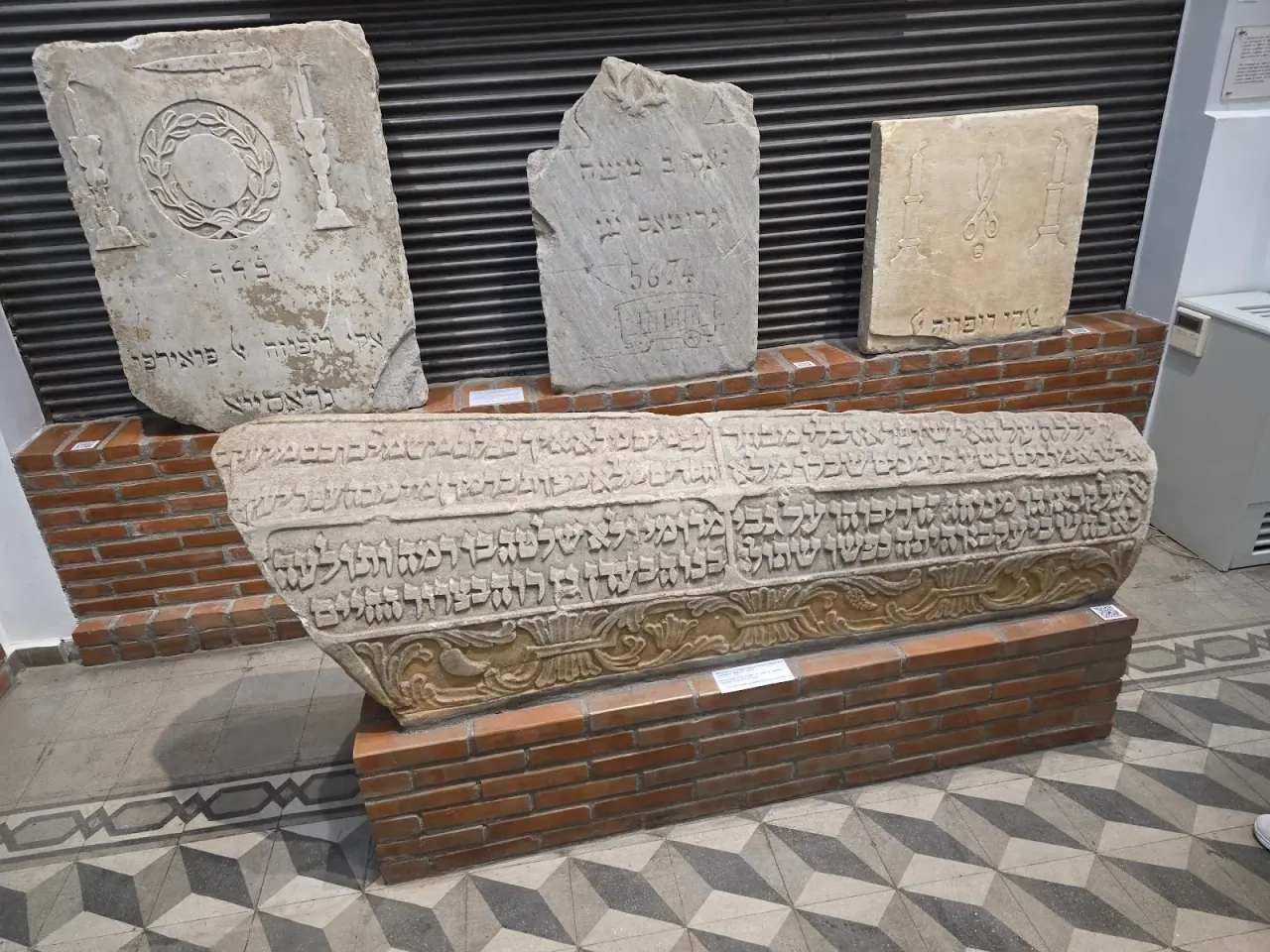
Carved marble tombstones with Hebrew inscriptions, rescued from Thessaloniki's destroyed Jewish cemetery and displayed in the Jewish Museum of Thessaloniki
Modern (opened 2001)

Jewish Museum of Thessaloniki

A small but moving museum telling the story of the Sephardic community that made Thessaloniki one of the only majority-Jewish cities in the world for four centuries — until 1943, when the Nazis deported almost the entire community, some 45,000–50,000 people, to Auschwitz-Birkenau. Over 90% were murdered and fewer than 2,000 survived.

4.5 (2,071)·City centre, a block from Aristotelous·1–1.5 hours
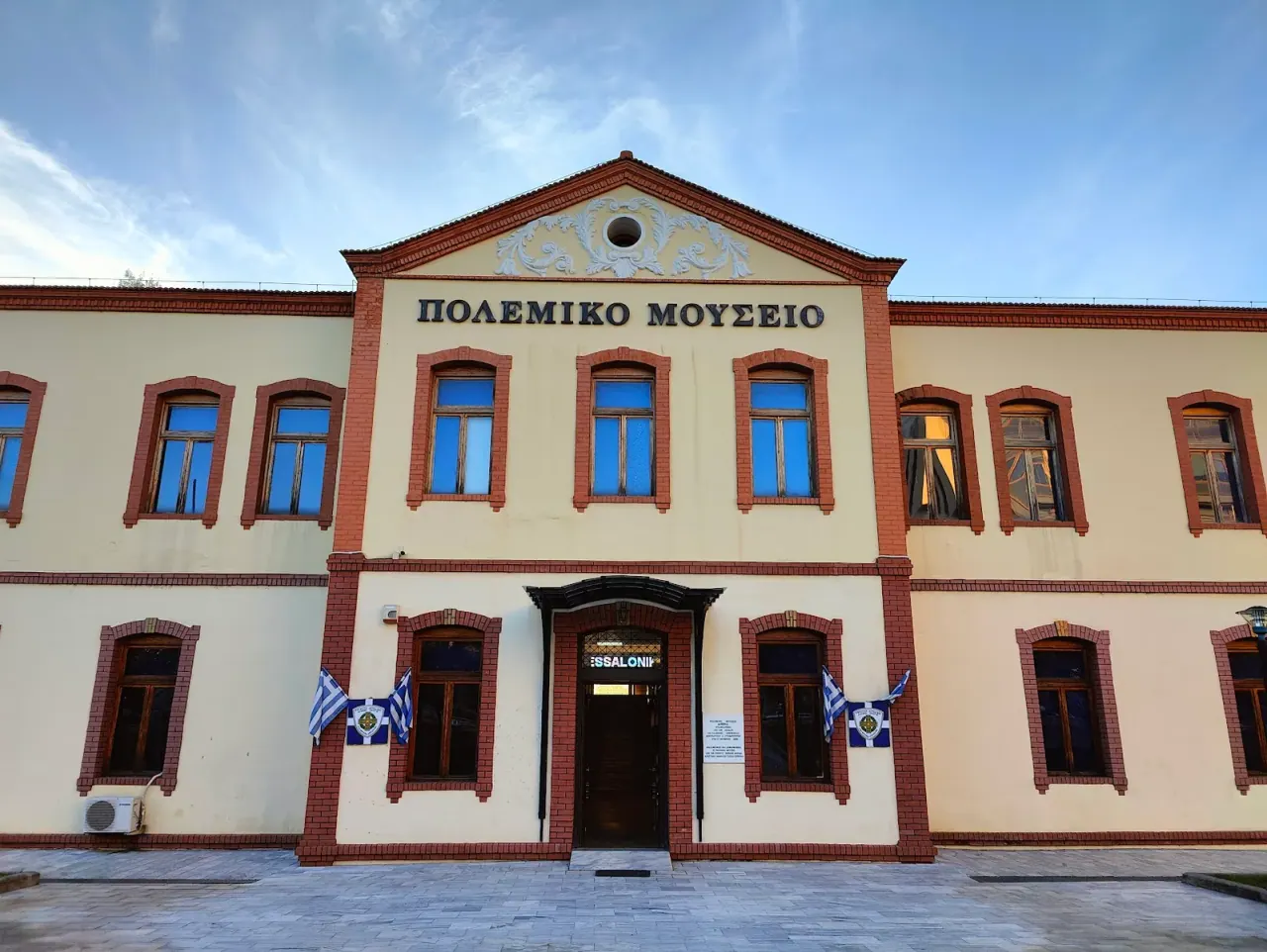
The neoclassical facade of the War Museum of Thessaloniki with Greek flags
Modern (opened 2000)

War Museum of Thessaloniki

A compact military-history museum in a restored early-1900s army building, tracing Greece's modern wars through uniforms, weapons, war art, maps and photographs — with an outdoor forecourt of tanks and a fighter jet. Its focus fits the city perfectly: Thessaloniki was the great Allied base of the First World War's Macedonian Front.

4.7 (1,953)·~20 min walk SE of the White Tower, by the HELEXPO fairgrounds·1–1.5 hours

Quartiers & Places

Le cœur vivant de la ville — la ville haute ottomane, la place de marbre sur la mer, et le quartier des entrepôts devenu quartier de la vie nocturne.

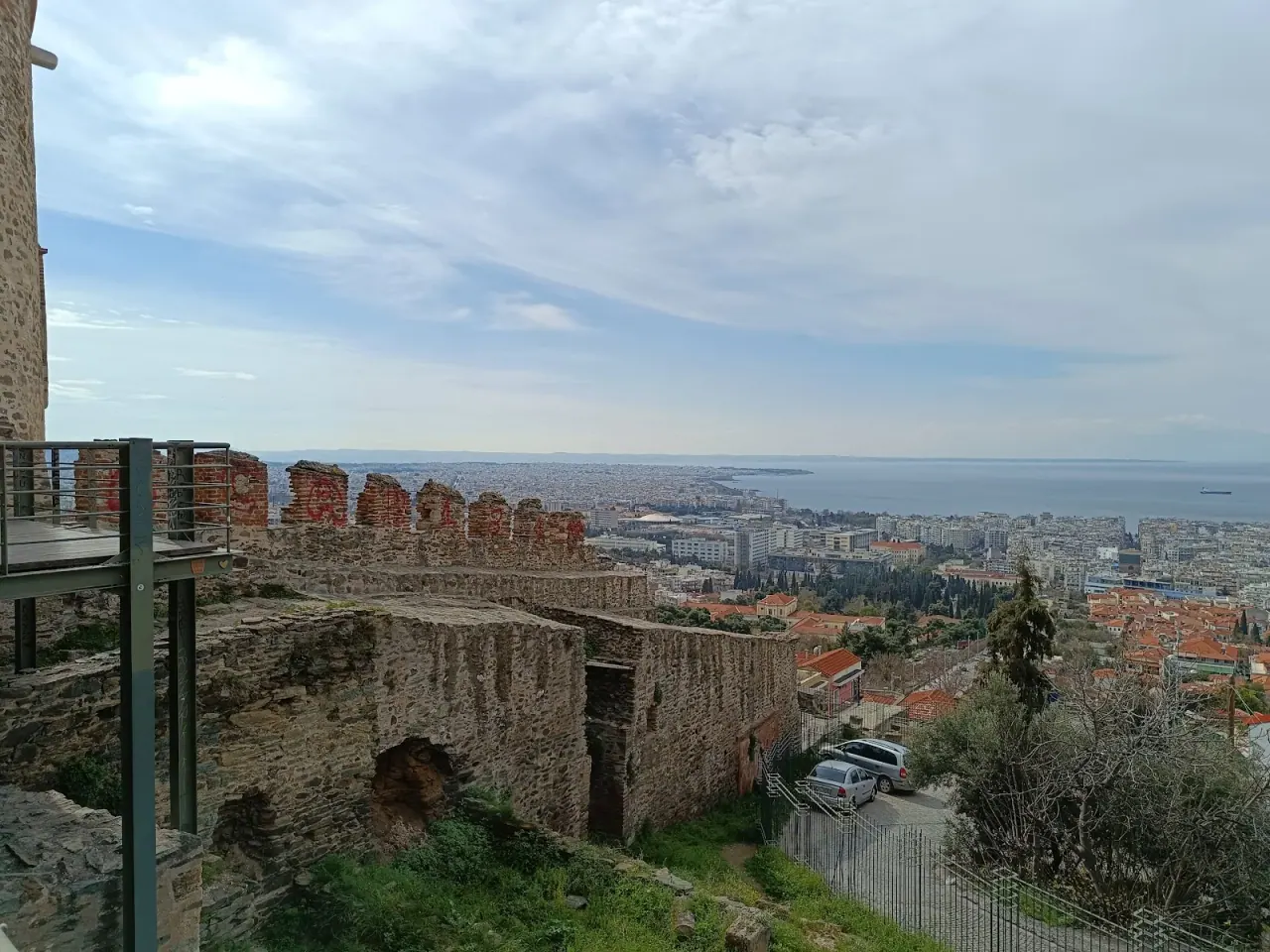
The Byzantine walls of Ano Poli overlooking the city and the Thermaic Gulf, Thessaloniki
Ottoman quarter

Ano Poli (Upper Town)

Largely spared by the great fire of 1917 that razed the lower city, Ano Poli is Thessaloniki's best-preserved old quarter — a maze of timber Ottoman houses, tiny chapels, and cobbled lanes climbing to the castle walls and the best views in the city.

15–25 min uphill from the centre·Half a day to wander
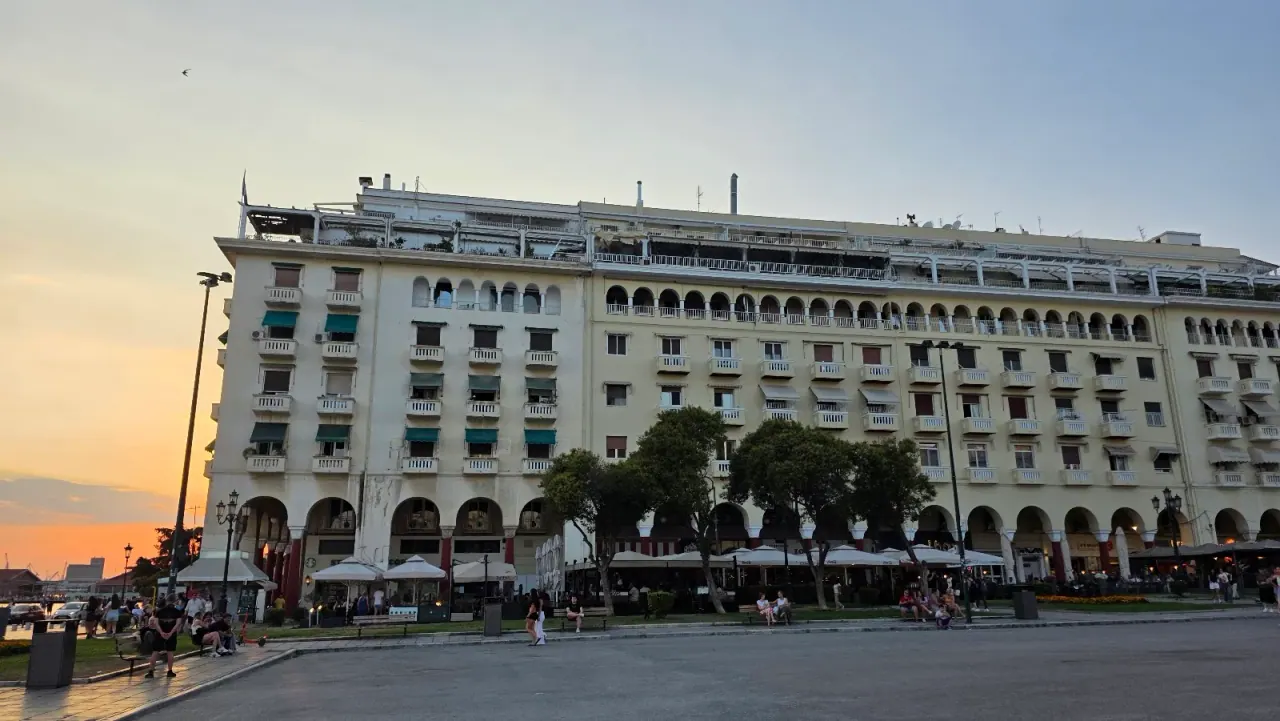
The arcaded Electra Palace facade on Aristotelous Square at sunset, Thessaloniki
Modern (1918 plan)

Aristotelous Square

The grand civic square of Thessaloniki, opening straight onto the waterfront — a sweep of arcaded, monumental architecture that is the city's living room. It was designed by the French architect Ernest Hébrard in 1918, the seafront centrepiece of his plan to rebuild the city after the Great Fire of 1917, though most of the square as it stands was built in the 1950s.

4.7 (49,598)·City centre·20–30 minutes
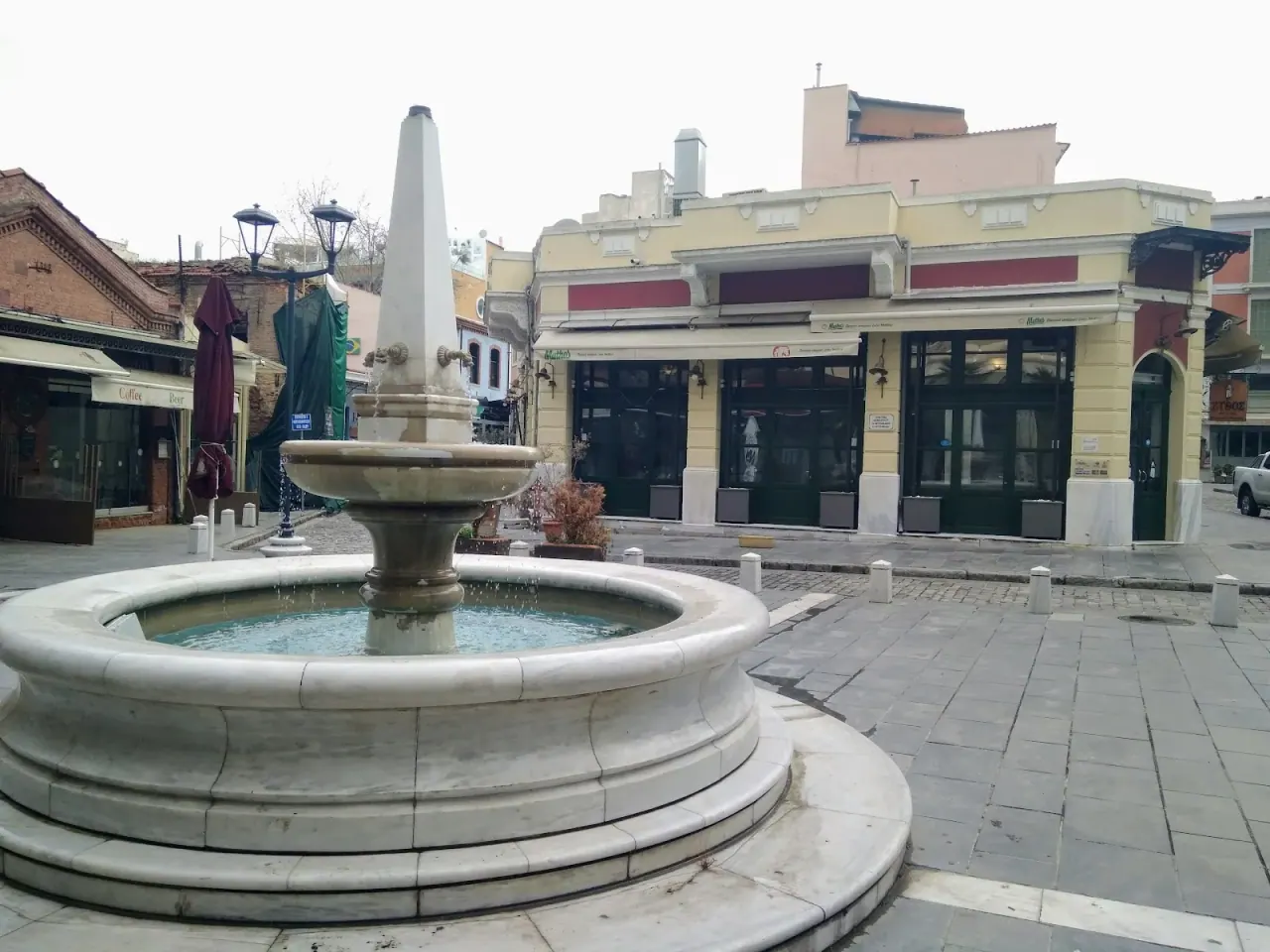
A fountain square ringed by restored colourful tavernas in Ladadika, Thessaloniki
Late Ottoman / early modern

Ladadika

A pocket of colourful 19th-century warehouses near the port — once the olive-oil market (ladi means oil), and one of the very few quarters left almost untouched by the Great Fire of 1917, which is why its old buildings still stand. Declared a protected district in the 1980s, it is now the city's most concentrated cluster of tavernas, mezedopoleia, and bars.

4.0 (1,405)·City centre, near the port·An evening
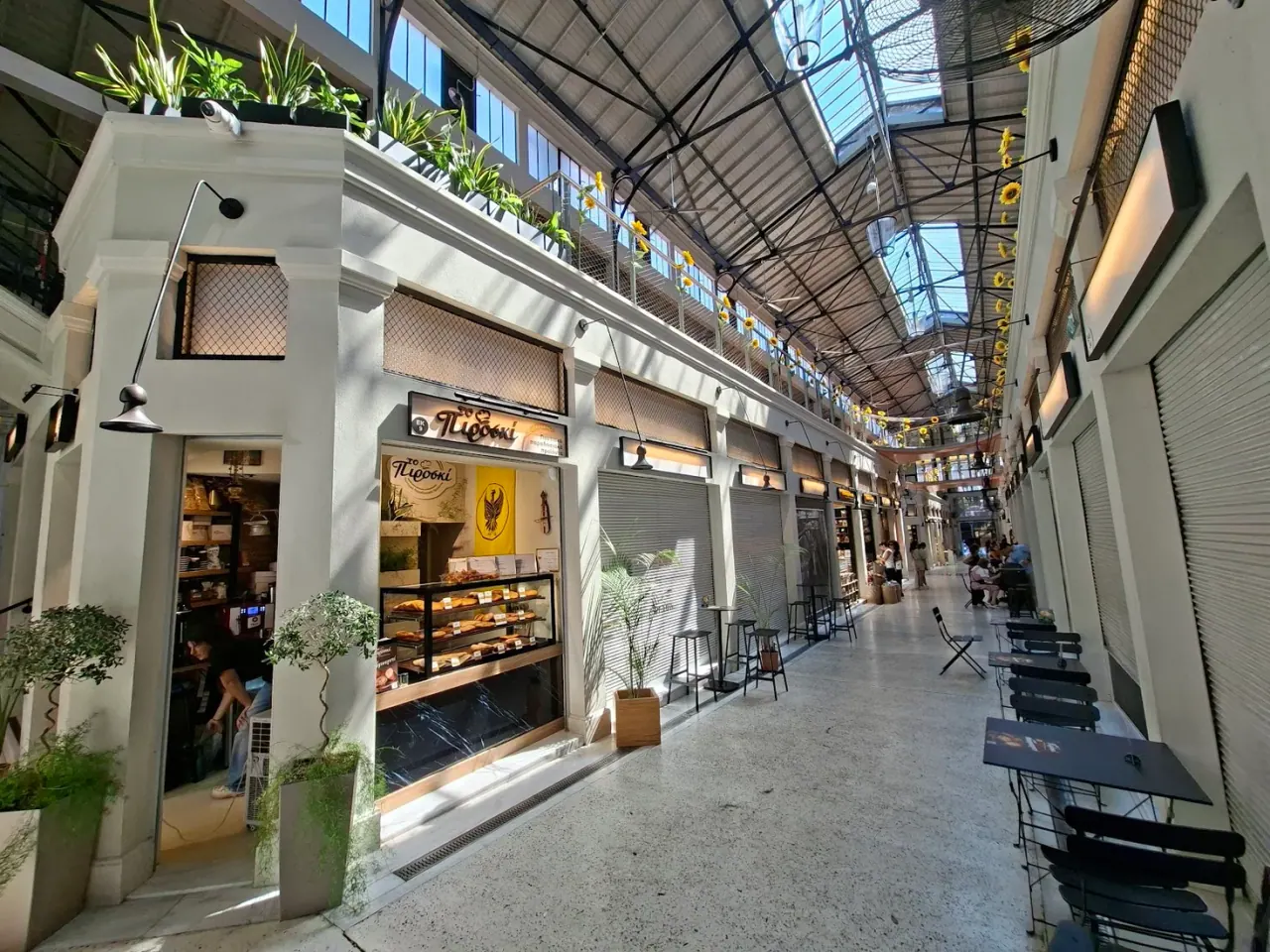
The restored glass-roofed arcade of the Modiano Market in Thessaloniki, lined with food stalls and eateries
1922 (reopened 2022)

Modiano Market

The city's historic covered food market, reborn in 2022 as a buzzing gourmet hall under a restored glass roof — meze bars, tavernas, delis and grocers all under one elegant 1920s arcade.

4.3 (407)·City centre, a block from Aristotelous·1 hour, longer if you eat
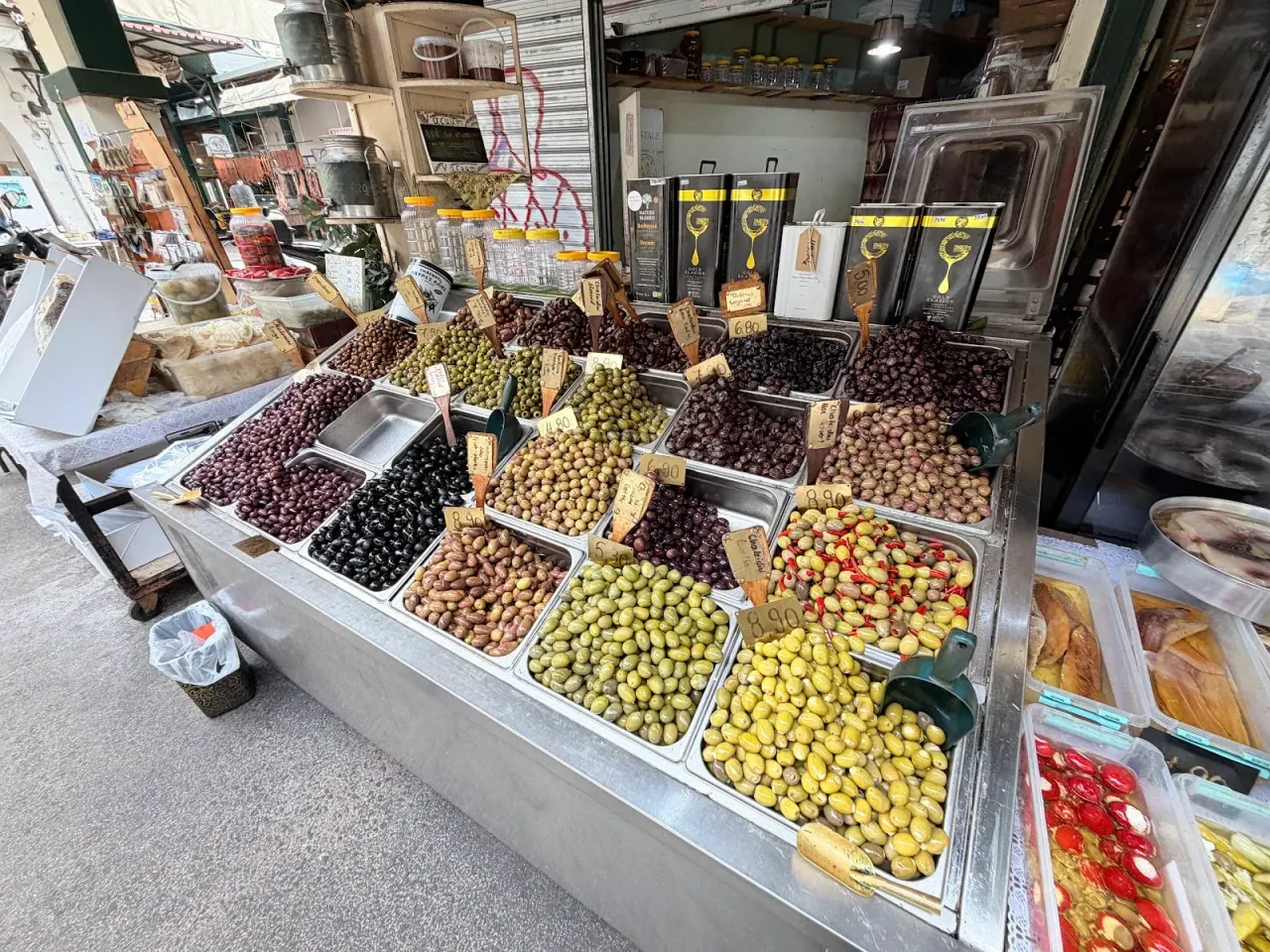
A grocer's stall heaped with bins of green and black olives and pickled peppers in the Kapani (Vlali) market, Thessaloniki
Ottoman era

Kapani Market

The oldest market in Thessaloniki — a warren of covered lanes and open stalls heaped with produce, fish, meat, olives, cheese and spices. Loud, cheap and thoroughly local, Kapani (officially Vlali) is the working food market next door to the gentrified Modiano.

4.4 (2,466)·City centre, a block from Aristotelous and Modiano·30–45 minutes

Monuments & Art public

Les icônes modernes du Nouveau Front de mer — les Parapluies élancés de George Zongolopoulos et le grand Alexandre le Grand équestre — et les endroits préférés de la ville pour admirer le coucher du soleil.

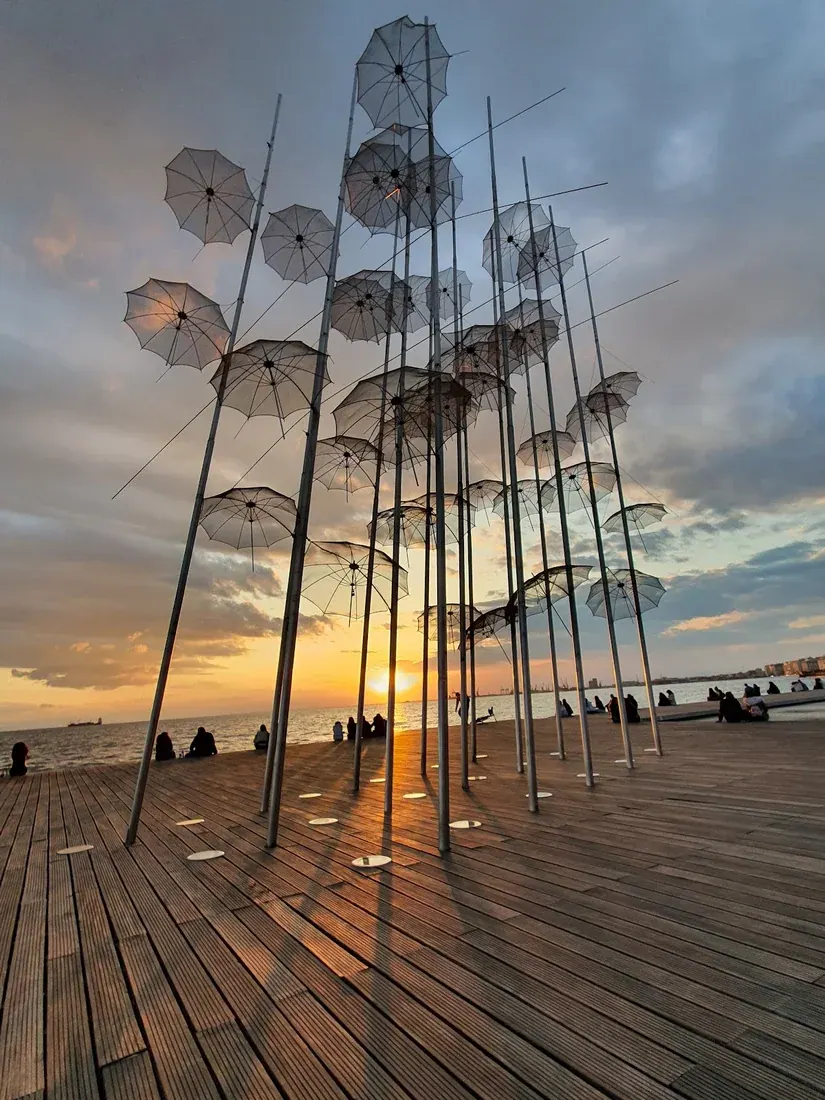
The steel Umbrellas sculpture by Zongolopoulos on the Thessaloniki waterfront, silhouetted against a golden sunset over the gulf
Modern (1997)

The Umbrellas

A cluster of stainless-steel umbrellas striding up out of the boardwalk into the sky — George Zongolopoulos first showed the work at the 1995 Venice Biennale and installed this 13-metre version on the waterfront in 1997, the year Thessaloniki was European Capital of Culture. It is now the emblem of the redesigned New Waterfront and the city's single most photographed modern landmark, especially at sunset.

4.7 (16,381)·Nea Paralia, ~25 min walk SE of the White Tower·15–20 minutes (longer at sunset)
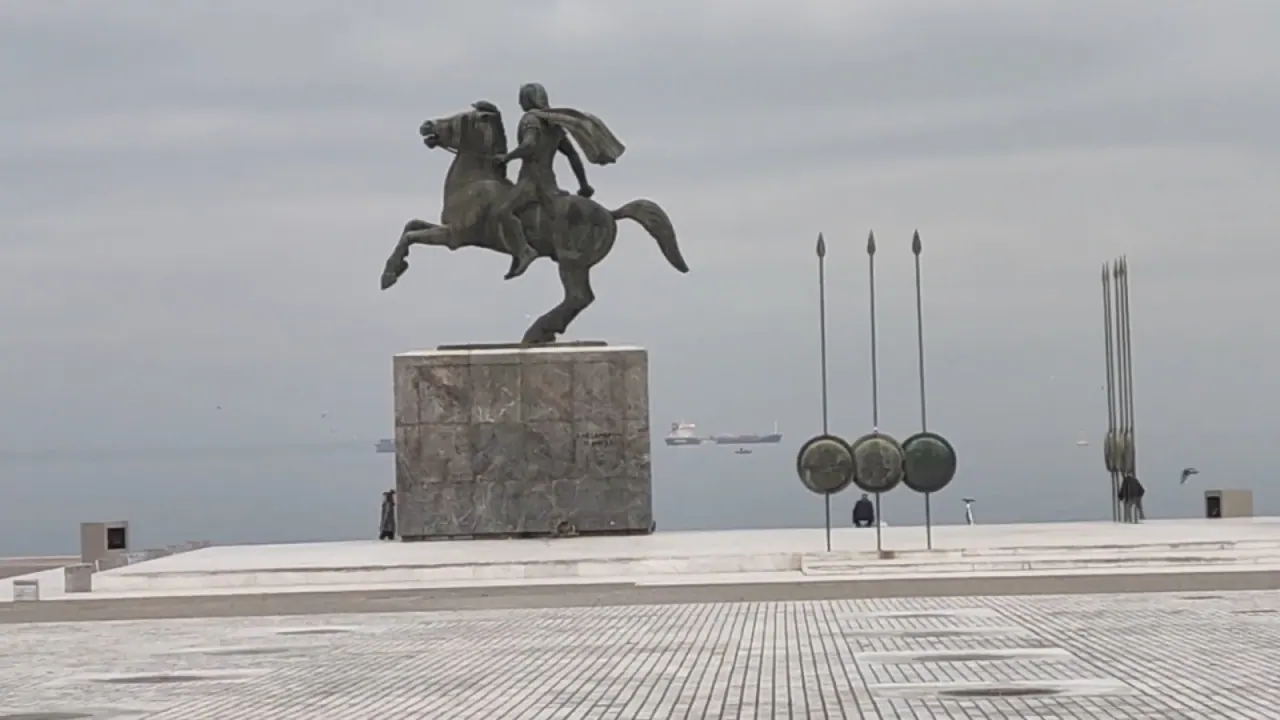
The bronze equestrian statue of Alexander the Great on his horse Bucephalus on the Thessaloniki seafront, with the gulf behind
Modern (1973)

Statue of Alexander the Great

A monumental bronze of Alexander the Great astride his horse Bucephalus, sword drawn, on the Nea Paralia seafront. Erected in 1973 and unveiled in 1974, the work of sculptor Evangelos Moustakas, it stands six metres tall — eleven with its plinth — one of the largest equestrian statues in Greece, flanked by his sarissas (spears) and a row of shields.

4.8 (2,232)·Waterfront, ~15 min walk SE of the White Tower·10–15 minutes
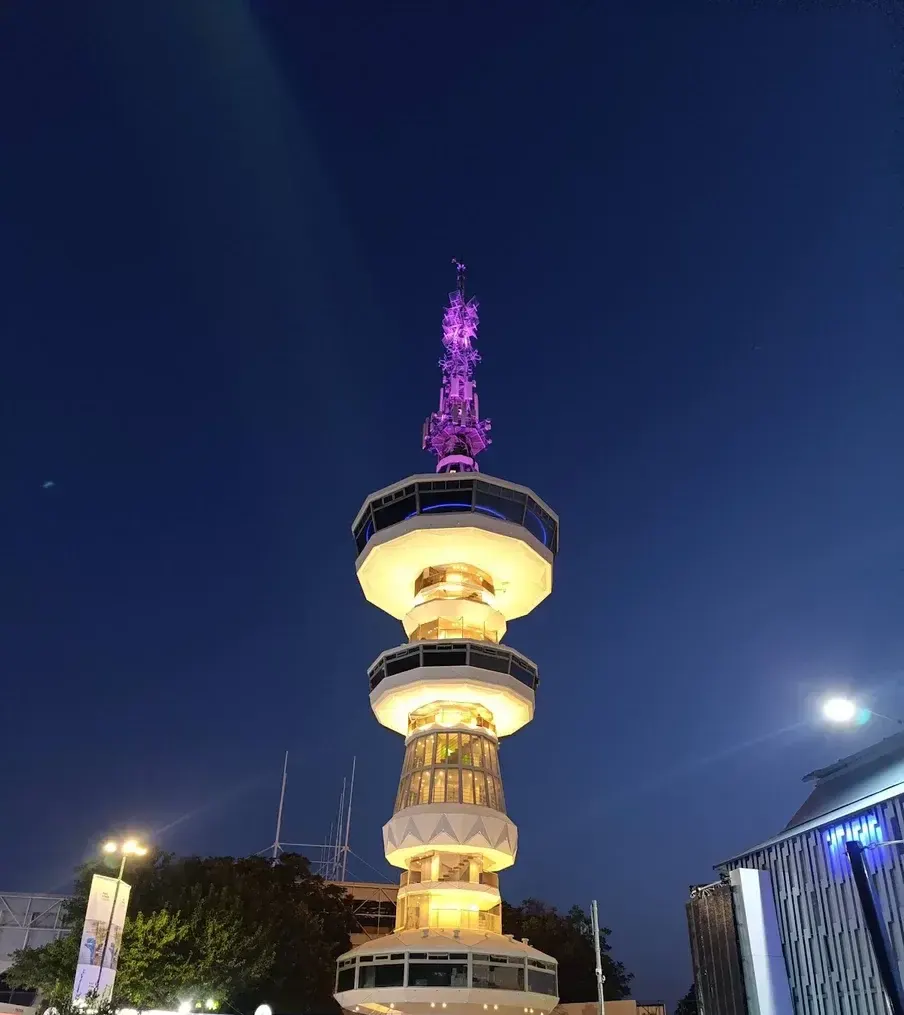
The tiered OTE Tower lit gold against the night sky at the Thessaloniki international fairgrounds
Modern (1968)

OTE Tower

Thessaloniki's 76-metre landmark tower on the Thessaloniki International Fair grounds — built in the late 1960s, on the site where Greece's first television broadcast took place at the 1960 Fair — crowned by a revolving café-bar that turns a full circle roughly once an hour for 360° views over the city, the seafront and the Thermaic Gulf. Picked out in colour after dark, its tiered silhouette is one of the modern skyline's most recognisable shapes.

4.7 (672)·Eastern edge of the centre, by the New Waterfront·30–45 minutes for a drink and the views

Vous planifiez vos journées de visite ?

Combinez les monuments avec la scène gastronomique de la ville et une ou deux excursions — Météores, Vergina, ou les plages de Chalcidique.

Monuments de Thessalonique — FAQ

Quels sont les monuments incontournables de Thessalonique ?+

Commencez par la Tour Blanche, l'emblème du front de mer de la ville, puis la Rotonde du 4e siècle et l'Arc de Galère tout près. Ajoutez les grandes églises byzantines — Agios Dimitrios, dédiée au saint patron de la ville, et Hagia Sophia — ainsi que le Forum romain, et montez jusqu'à Ano Poli et aux remparts byzantins pour la vue. Presque tout se trouve à une courte marche du centre.

Existe-t-il un billet combiné pour les monuments de Thessalonique ?+

Oui. Un billet combiné de €15, valable trois jours, couvre la Tour Blanche, la Rotonde, le Musée archéologique et le Musée de la culture byzantine — le meilleur rapport qualité-prix si vous prévoyez d'en voir plus d'un. Les sites et musées d'État sont aussi gratuits quelques jours par an, dont le premier et le troisième dimanche de chaque mois de novembre à mars, ainsi que les 6 mars, 18 avril, 18 mai et le dernier week-end de septembre.

La visite des églises byzantines de Thessalonique est-elle gratuite ?+

La plupart des églises byzantines en activité — dont Agios Dimitrios, Hagia Sophia et Panagia Acheiropoietos — sont gratuites à l'entrée, bien que les dons soient les bienvenus et une tenue modeste attendue. La Rotonde, gérée comme un monument, et les musées de la ville font payer l'entrée, que le billet combiné de €15 couvre.

Combien de jours faut-il pour voir les principaux sites ?+

Deux jours suffisent pour les incontournables à pied — les monuments romains et byzantins, les marchés et le front de mer se trouvent tous dans un centre compact et plat. Un troisième jour vous permet d'approfondir les musées ou de faire une excursion à Vergina ou aux Météores.

Qu'est-ce que la Tour Blanche ?+

La Tour Blanche est une tour ottomane du 15e siècle en bord de mer et le symbole de Thessalonique. Autrefois forteresse et prison, elle abrite désormais un musée de l'histoire de la ville, gravi par une rampe intérieure en spirale, avec des vues panoramiques sur le golfe depuis le sommet — et c'est le monument le plus visité de la ville.

Creuser davantage : nos guides d'histoire & de sites

Les monuments byzantins et UNESCO, les meilleurs musées, et les histoires derrière les icônes.
Gold mosaics inside the dome of the Rotunda, an early Christian and Byzantine monument in Thessaloniki
Sights

Thessaloniki's Byzantine & UNESCO Monuments Guide

A guide to Thessaloniki's Byzantine churches and UNESCO monuments — the Rotunda, Agios Dimitrios, Hagia Sophia — with what to see, ratings, and ticket tips.

7 min read

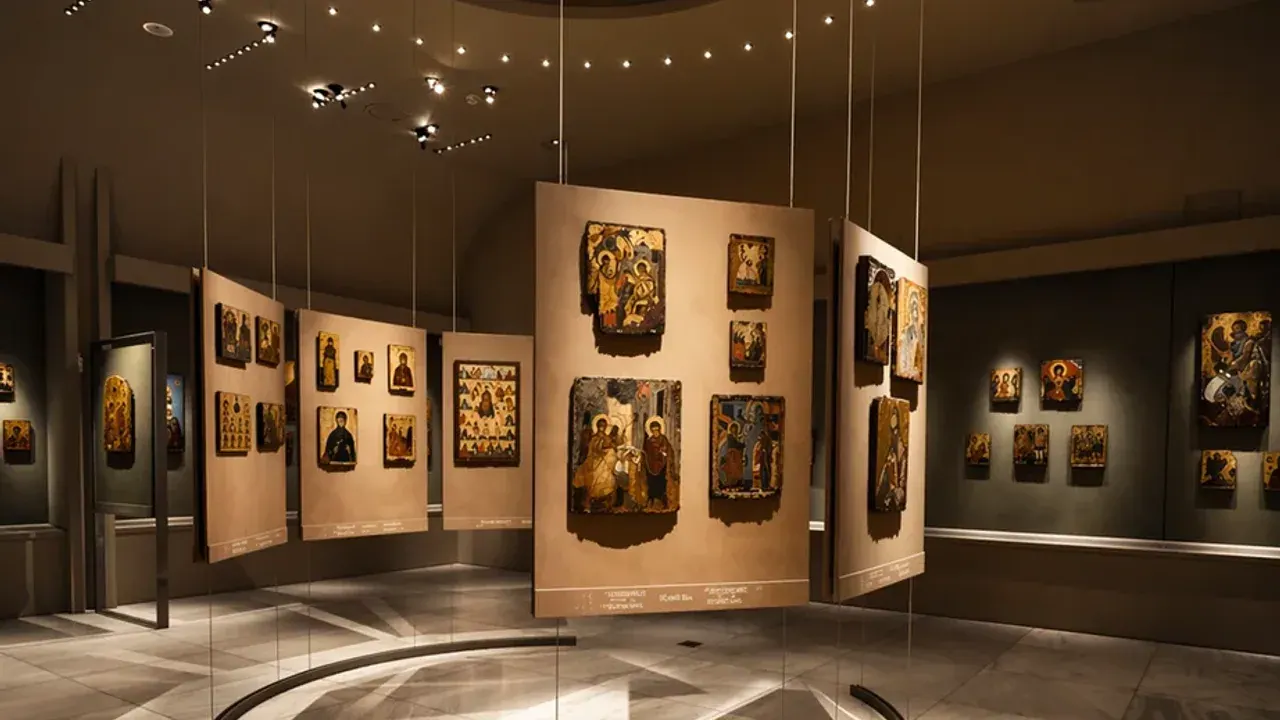
Byzantine icons displayed under dramatic lighting in a hall of the Museum of Byzantine Culture, Thessaloniki
Sights

Best Museums in Thessaloniki: A Ranked Guide

The best museums in Thessaloniki, ranked: the gold-filled Archaeological Museum to the Byzantine Culture museum, with 2026 tickets, hours and who each suits.

6 min read

The cylindrical White Tower of Thessaloniki on the waterfront against a blue sky
Sights

White Tower of Thessaloniki: Tickets, History & Views

Visiting the White Tower of Thessaloniki — 2026 tickets and hours, its dark Ottoman history, the museum inside, and whether the rooftop view is worth it.

6 min read

Golden early-Christian mosaics of saints and architecture in the dome of the Rotunda of Thessaloniki
Sights

The Rotunda of Thessaloniki: A Complete Guide

A guide to the Rotunda of Thessaloniki — its golden early-Christian mosaics, the temple-church-mosque history, plus 2026 tickets, hours and how to visit.

6 min read

The carved marble reliefs on a pier of the Arch of Galerius in Thessaloniki, showing Roman battle scenes
Sights

Arch of Galerius (Kamara): Thessaloniki's Roman Arch

A guide to the Arch of Galerius (Kamara) in Thessaloniki — the Roman triumphal arch of around 300 AD, its carved battle reliefs, and how to visit.

4 min read

The stone walls and towers of the Heptapyrgion fortress crowning Ano Poli, Thessaloniki
Sights

Heptapyrgion (Yedi Kule): Thessaloniki's Fortress-Prison

A guide to the Heptapyrgion (Yedi Kule) fortress in Thessaloniki — the Byzantine-Ottoman citadel above Ano Poli that spent nearly a century as a feared prison.

5 min read

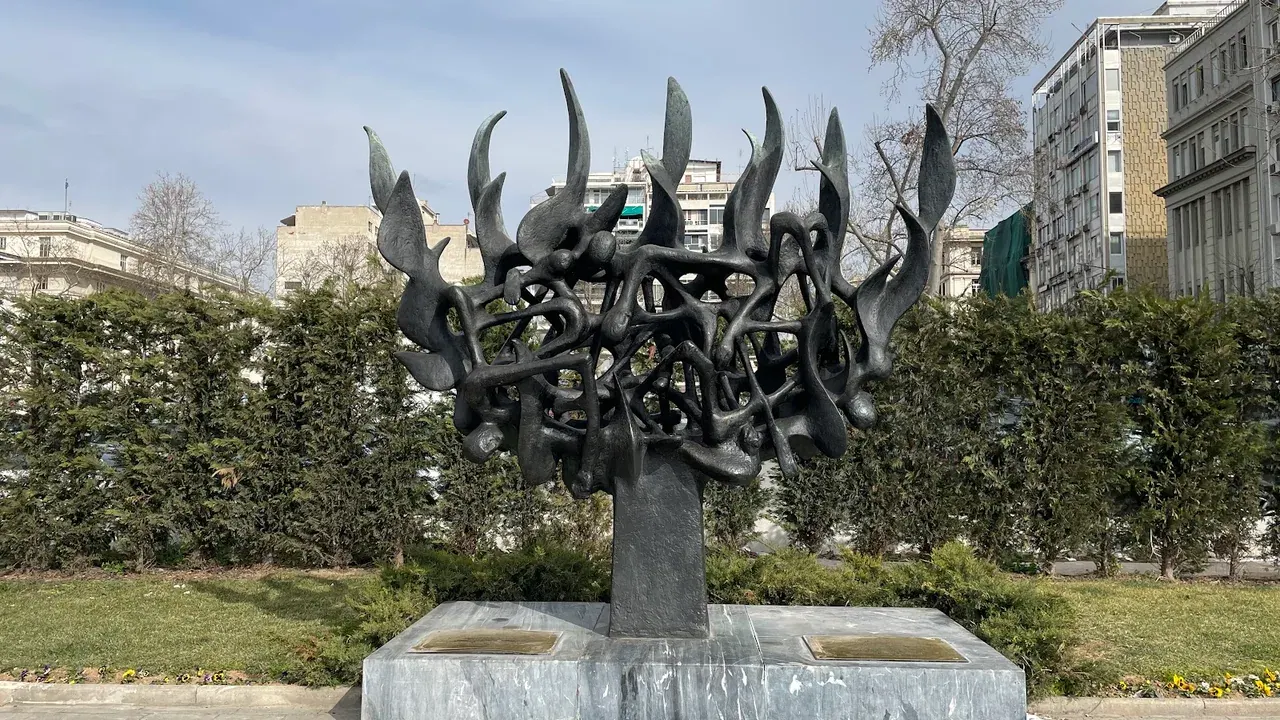
The bronze Holocaust Memorial sculpture of Thessaloniki, a menorah formed of intertwined human figures, on its plinth
Sights

Jewish Thessaloniki: The 'Jerusalem of the Balkans'

A guide to Jewish Thessaloniki: how a Sephardic city became the 'Jerusalem of the Balkans', what the Holocaust destroyed, and the sites you can visit.

6 min read