Histoire
Comment c'est né
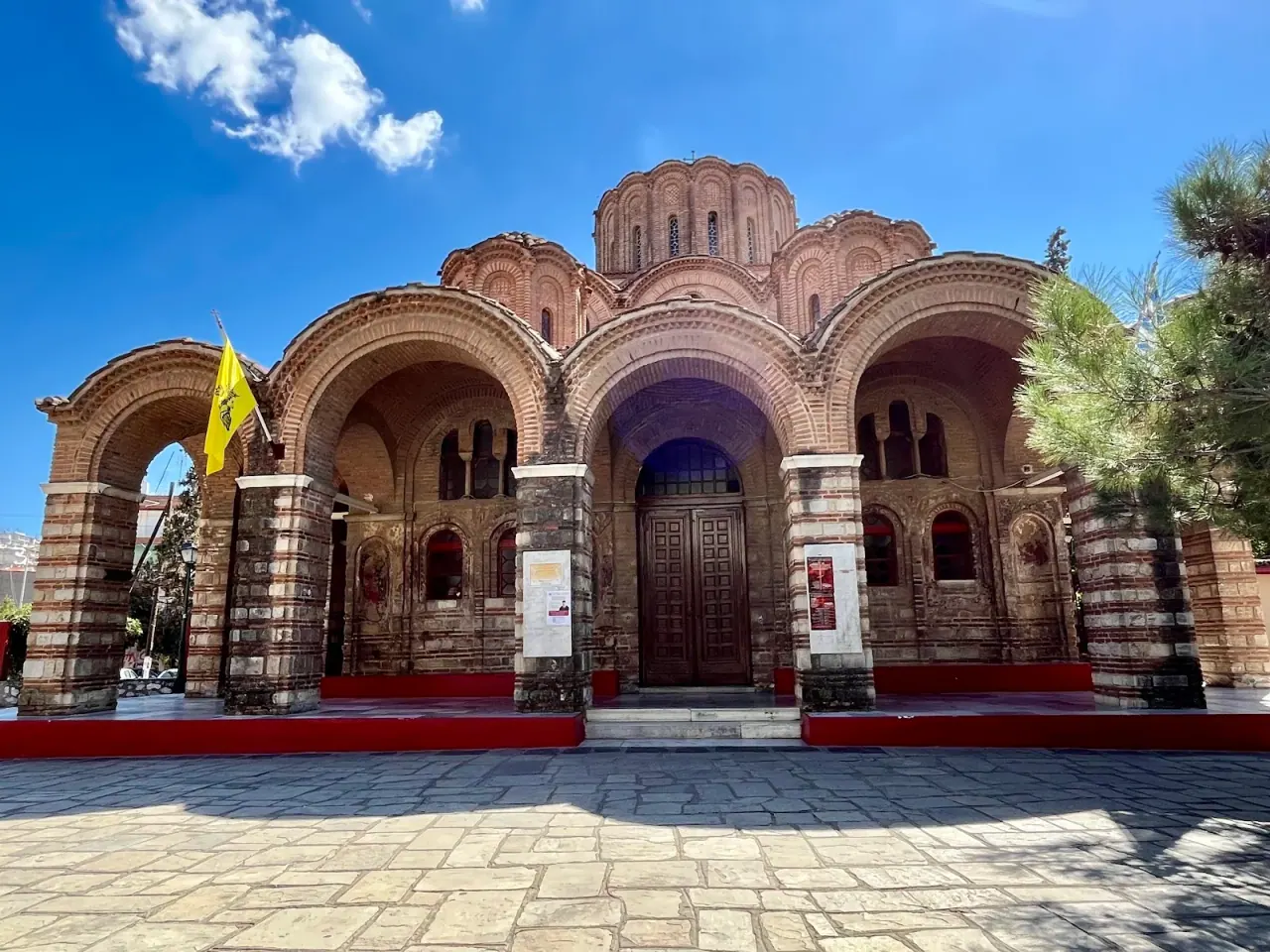
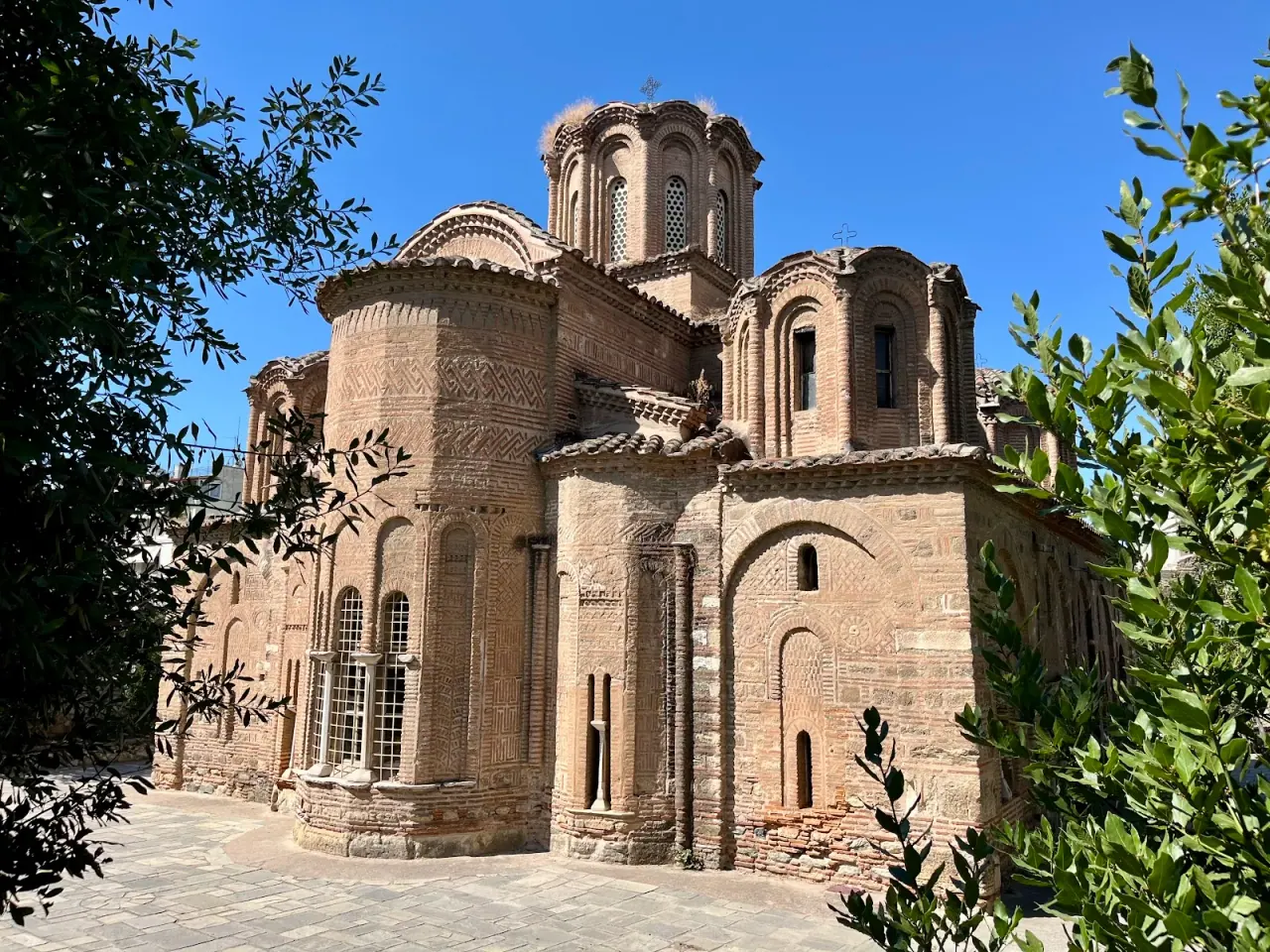
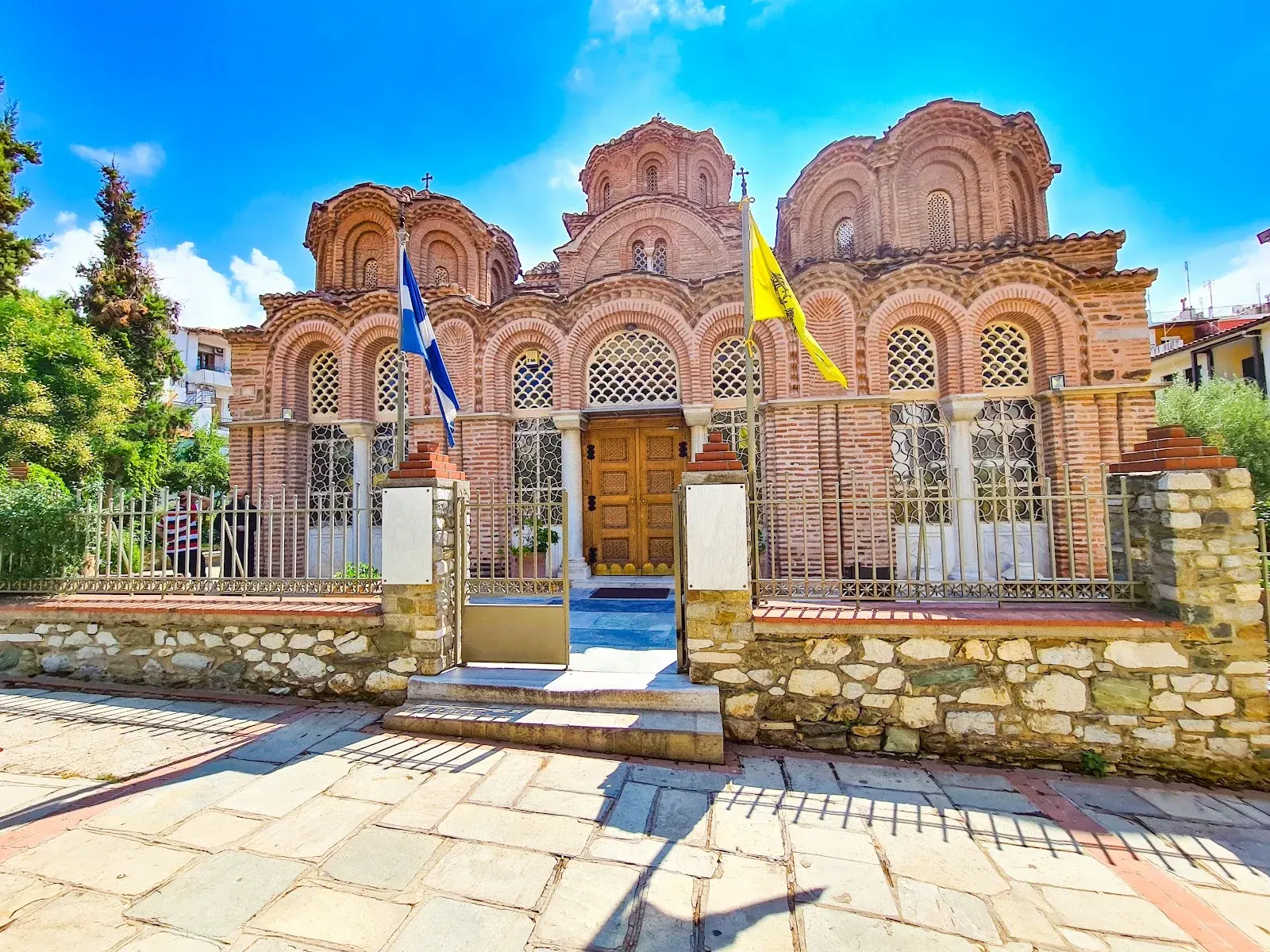
Built in the late 13th or early 14th century, in the Palaiologan period; the founder is unknown, but its refined 'Constantinopolitan' design — a cross-in-square wrapped by an ambulatory and crowned with five domes — places it firmly in that golden age. Under Ottoman rule it became the Yakub Pasha Mosque, and the plaster applied then helped preserve fragments of its early-14th-century frescoes. It is one of the fifteen Paleochristian and Byzantine Monuments of Thessaloniki on the UNESCO World Heritage list.
Ce Que Vous Verrez
Lors d'une visite
The elegant exterior — five tiled domes over the cross-in-square core, a graceful arcaded ambulatory on three sides, and bands of decorative brick — and, inside, surviving fragments of accomplished early-14th-century wall painting beneath the central dome.
Comment Visiter
A climb up into the northwestern Ano Poli on foot, or a city bus toward the upper town; the church stands in a railed garden. As a working church its hours are limited, so mornings are most reliable.
Meilleur Moment
Morning, for the light on the brickwork
Galerie
S'y Rendre
Bon à Savoir
For its architecture above all — a beautifully proportioned Palaiologan church of around 1300, with five domes, a columned ambulatory and intricate brickwork, plus surviving fragments of early-14th-century frescoes inside. It is a UNESCO World Heritage monument, and far quieter than the big central churches.
It dates to the late 13th or early 14th century, in the Byzantine Palaiologan period. Under Ottoman rule it served as the Yakub Pasha Mosque before returning to Christian worship, and it has been on the UNESCO World Heritage list since 1988.