Geschichte
Wie es entstand
Trading on this spot since the 15th century, Kapani grew up in the Ottoman period as the city's main provisions market — its name comes from the Turkish 'un kapanı', the flour weigh-house that once stood here. Its buildings burned in the great fire of 1917 (and once before, in 1889) and were rebuilt, but the trade has never stopped, keeping the rough, unpolished character that the restored Modiano alongside it has left behind.
Was Sie Sehen
Bei einem Besuch
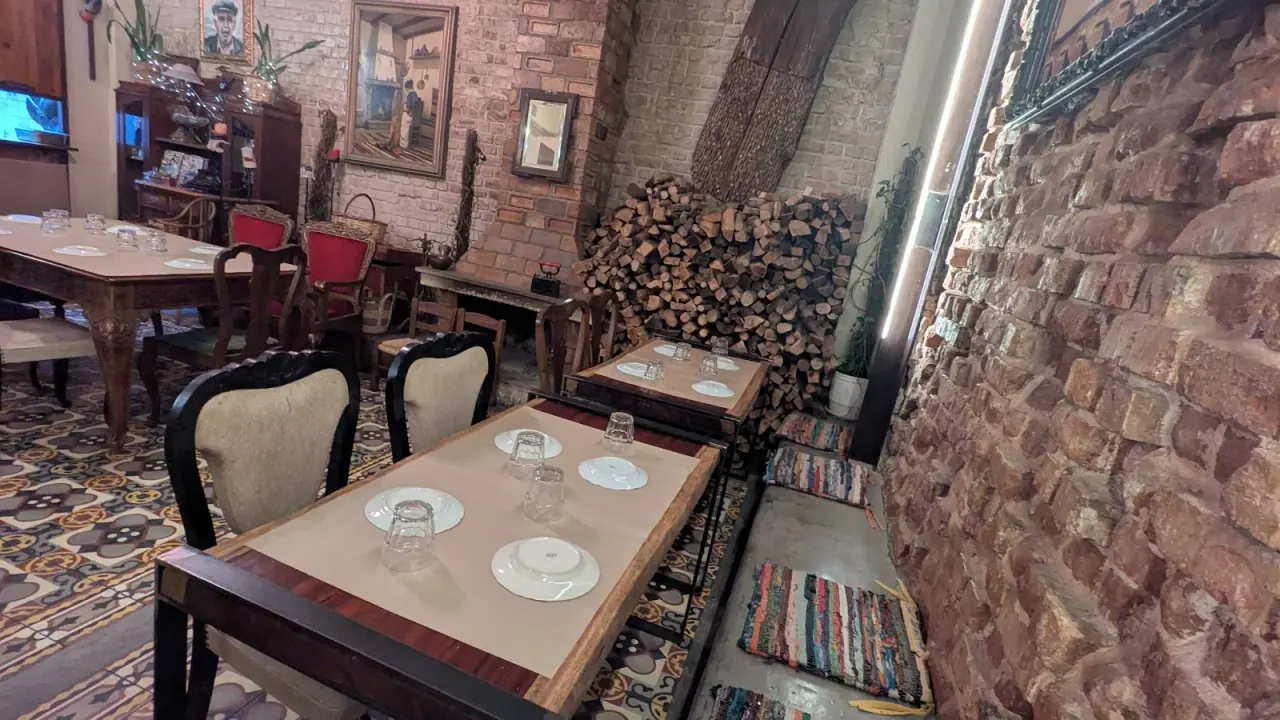
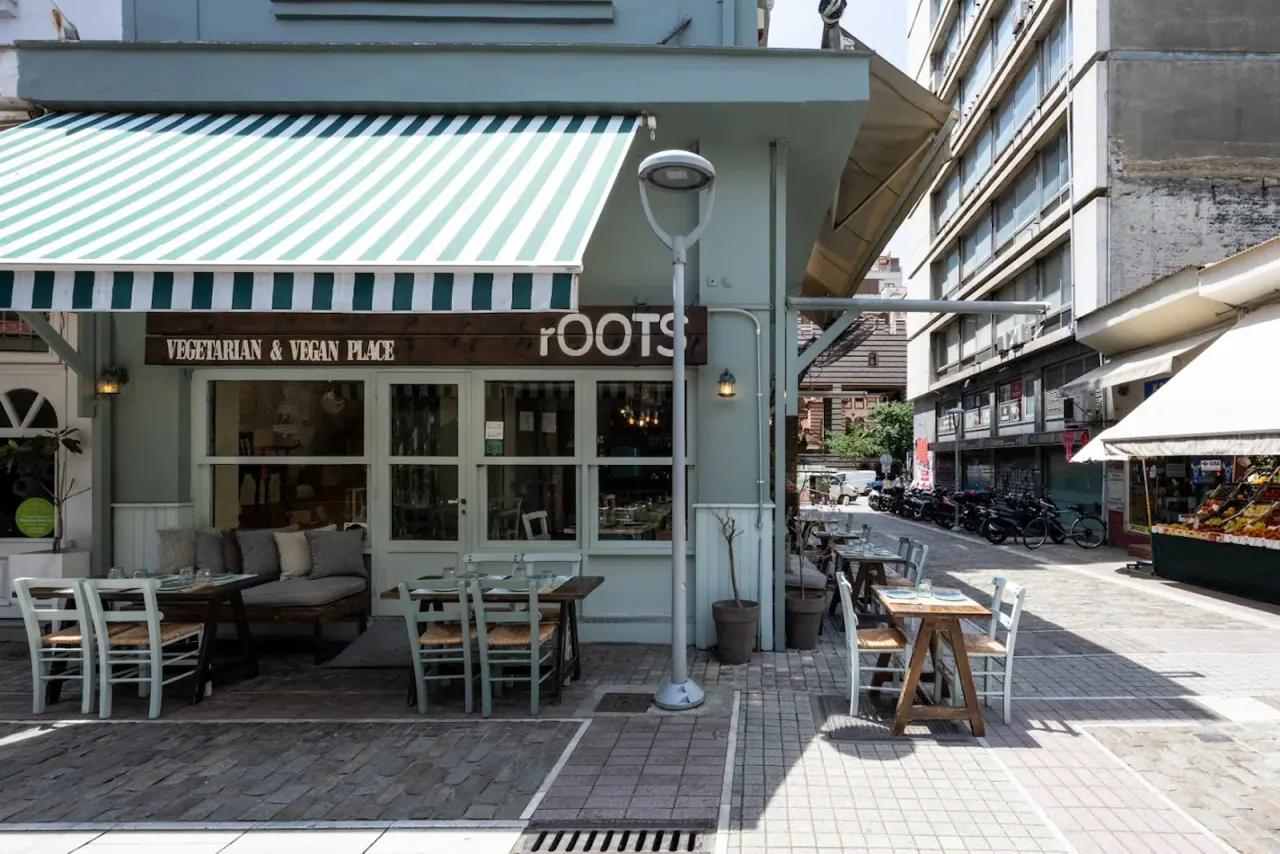
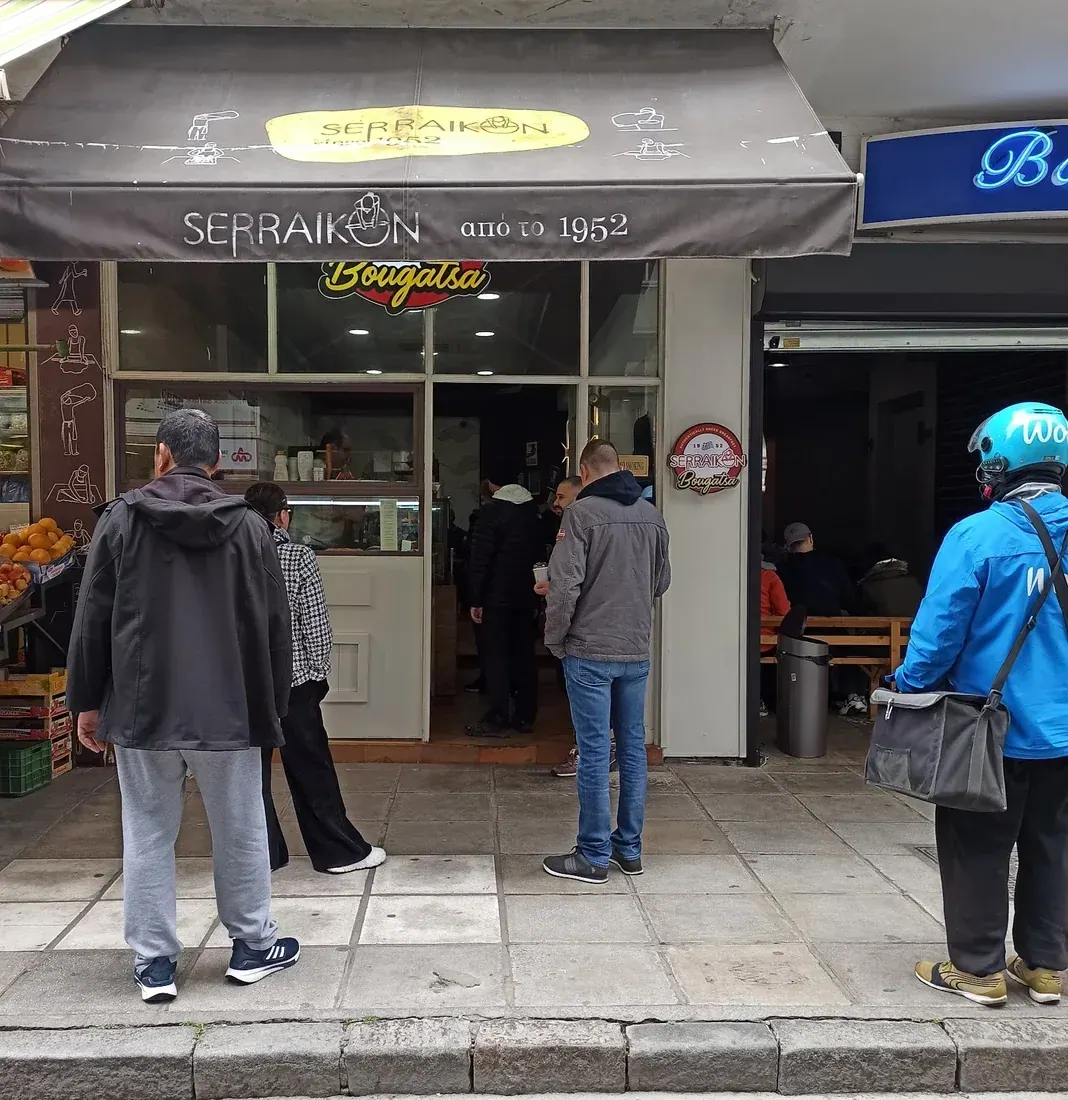
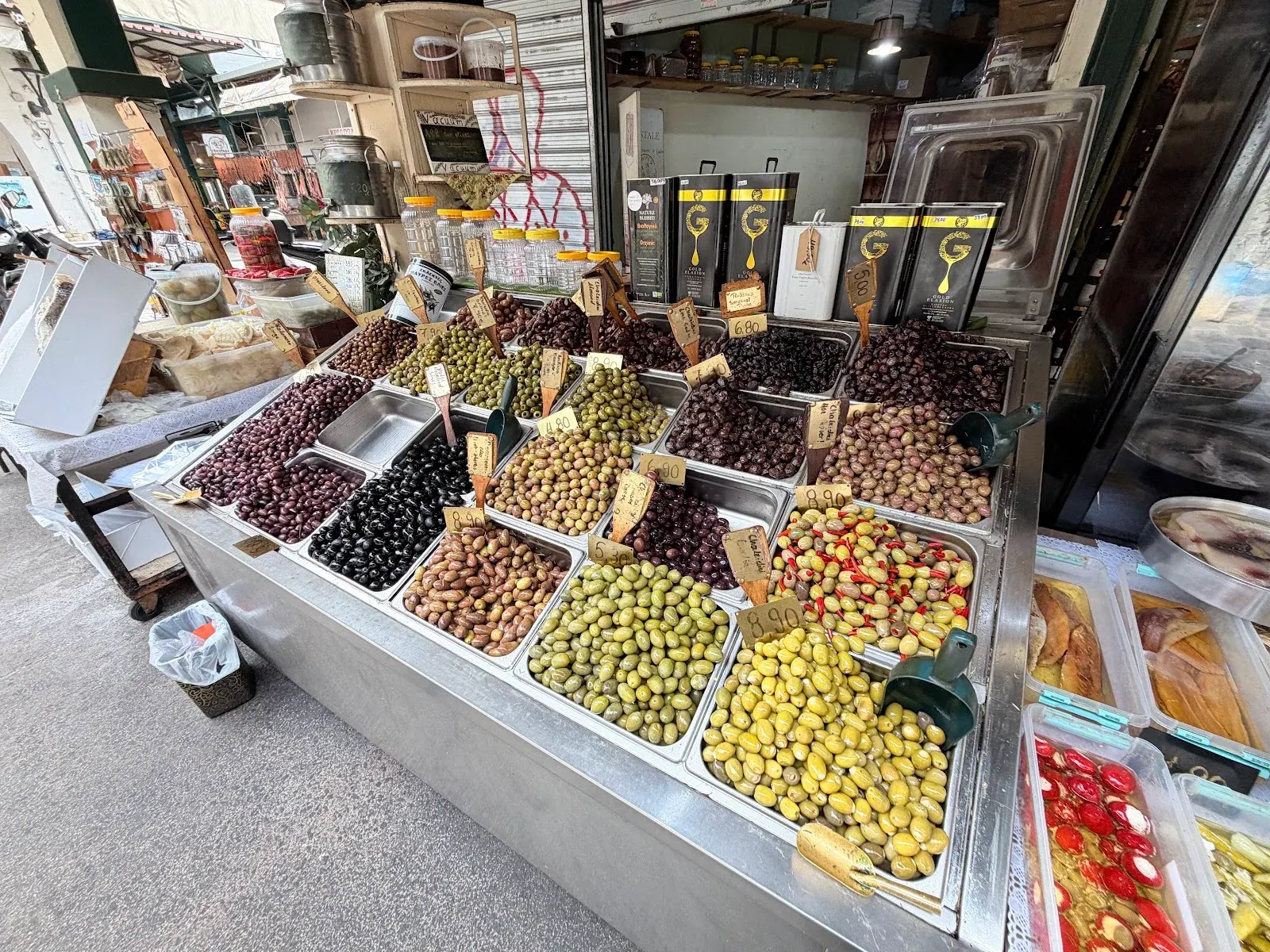
Push through the narrow iron-roofed arcades past butchers' stalls hung with meat, fishmongers' ice beds, and crates of fruit and vegetables, with grocers selling olives, dried fruit, nuts and spices by the scoop — then duck into one of the cheap, no-frills ouzeris wedged among the stalls.
Wie man Besucht
In the Vlali quarter off Aristotelous, a flat few-minutes' walk from the square; the lanes are narrow and can be crowded and slippery underfoot.
Beste Zeit
Late morning, when the stalls are fullest and loudest
Galerie
Anfahrt
Gut zu Wissen
Kapani — officially the Vlali market — is the oldest market in Thessaloniki, an Ottoman-era warren of covered lanes and open stalls selling produce, fish, meat, olives, cheese and spices. It's the rough, working-class counterpart to the restored Modiano Market next door.
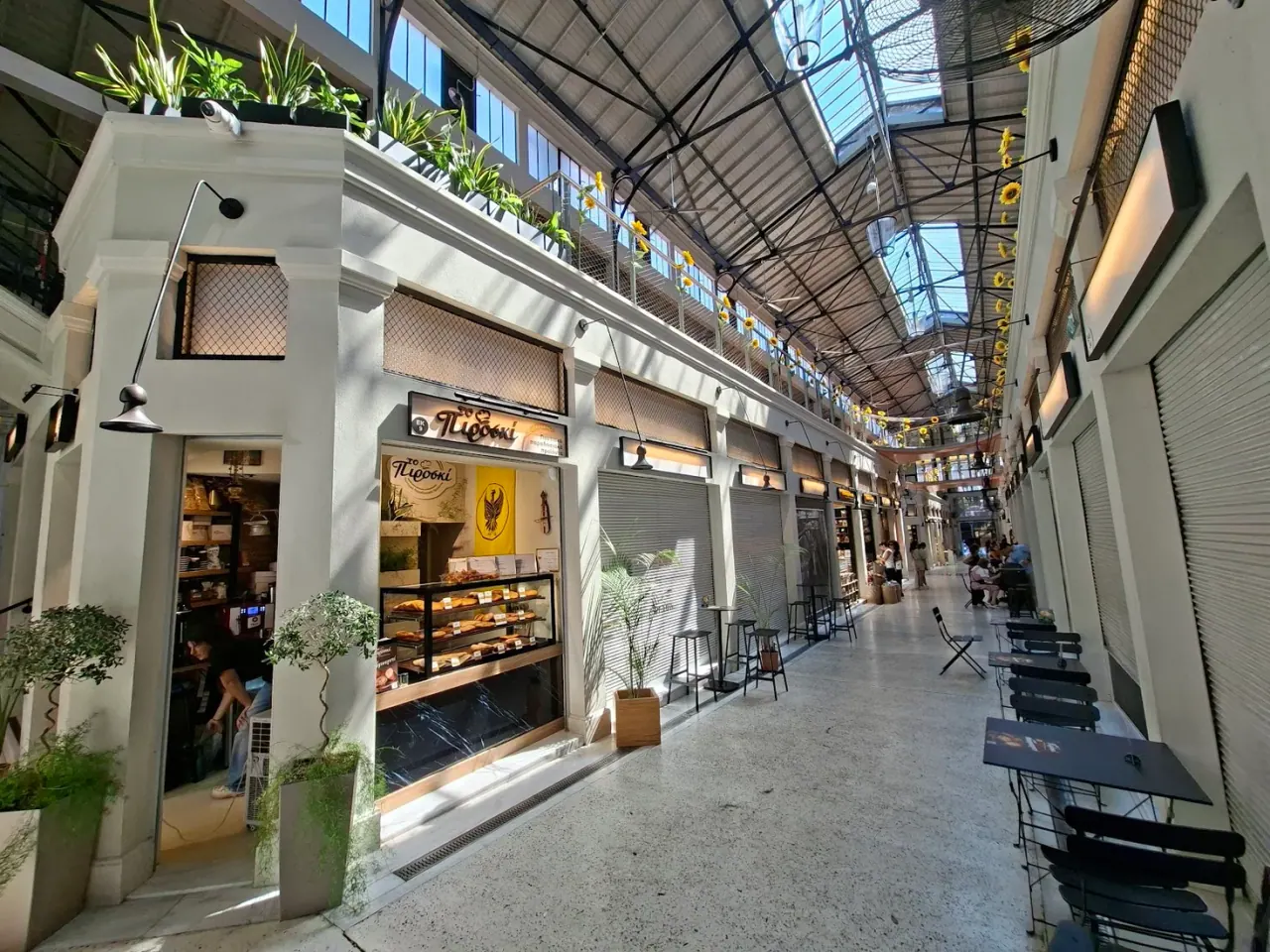
They sit a block apart in the same central quarter. Modiano is the historic covered hall reopened in 2022 as a polished gourmet food court; Kapani is the older, grittier open market where locals still do their everyday food shopping. Visit both — Kapani for atmosphere and prices, Modiano for a sit-down meze.