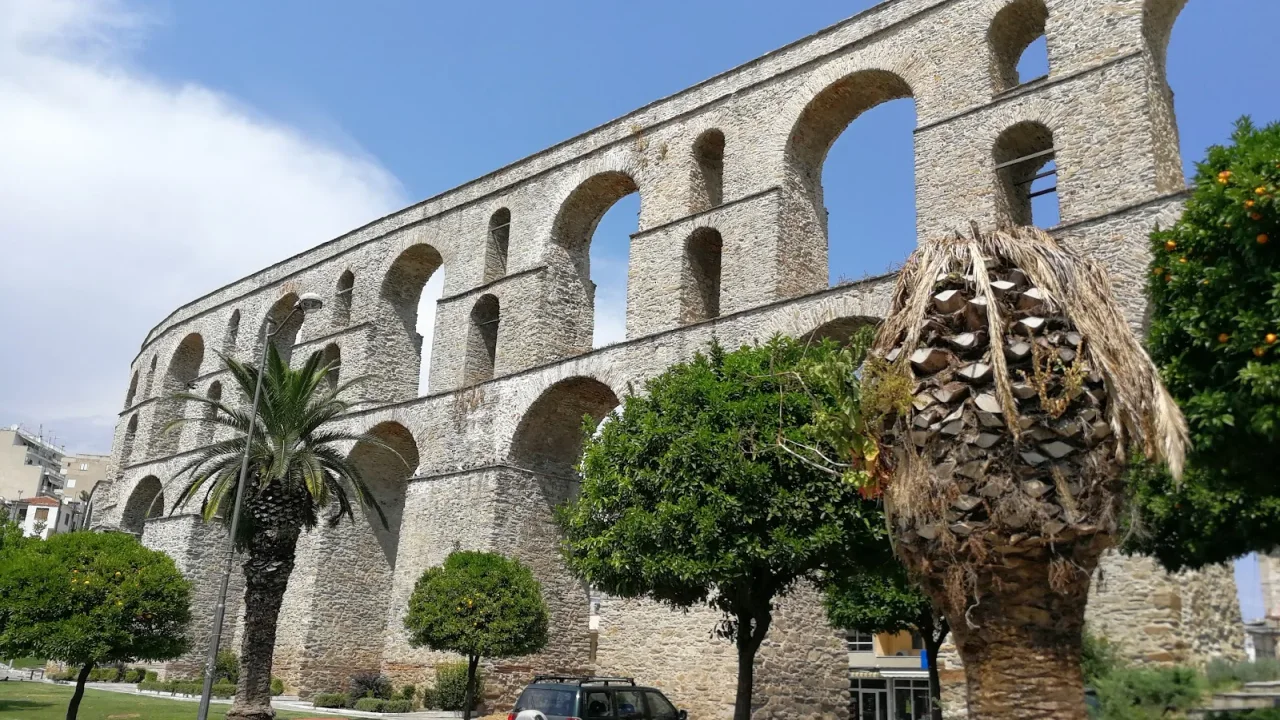
The arched stone Kamares aqueduct rising above the old town of Kavala
landmark

Kavala & Philippi

Auch: Neapolis · Philippoi · Kamares

Entfernung
≈160 km · ~2 h
Beste Zeit
Spring to autumn for the old town and the open-air ruins; pleasant by the sea in summer
Anfahrt
Car ~2 h east on the A2/Egnatia; frequent KTEL buses to Kavala (~2–2.5 h); Philippi is 16 km inland from Kavala; most guided tours combine the two
Gut für
Ancient history, UNESCO sites, Early Christian heritage, Old towns, Coastal scenery

Kavala's Ottoman aqueduct and Panagia old town, paired with UNESCO-listed ancient Philippi where St Paul preached — two hours east of Thessaloniki.

Diesen Tagesausflug buchen

4.7 (153) · ab €45 pro Person · kostenlose Stornierung bis 24 Std. vorher

Verfügbarkeit prüfen

At a glance

Detail
What it is Kavala's Ottoman aqueduct & old town + UNESCO-listed ancient Philippi
From Thessaloniki ≈160 km · ~2 h east on the A2/Egnatia; KTEL bus ~2–2.5 h
Philippi UNESCO site where St Paul preached (49–50 AD); theatre, forum, basilicas
Kavala Kamares aqueduct (1520s), Panagia old town, Byzantine fortress
Philippi entry ~€6–10 (site + museum); hours vary — confirm at the gate
Best for Ancient history, UNESCO sites, early-Christian heritage
Time needed Full day (16 km between the two)

Two sights in one trip

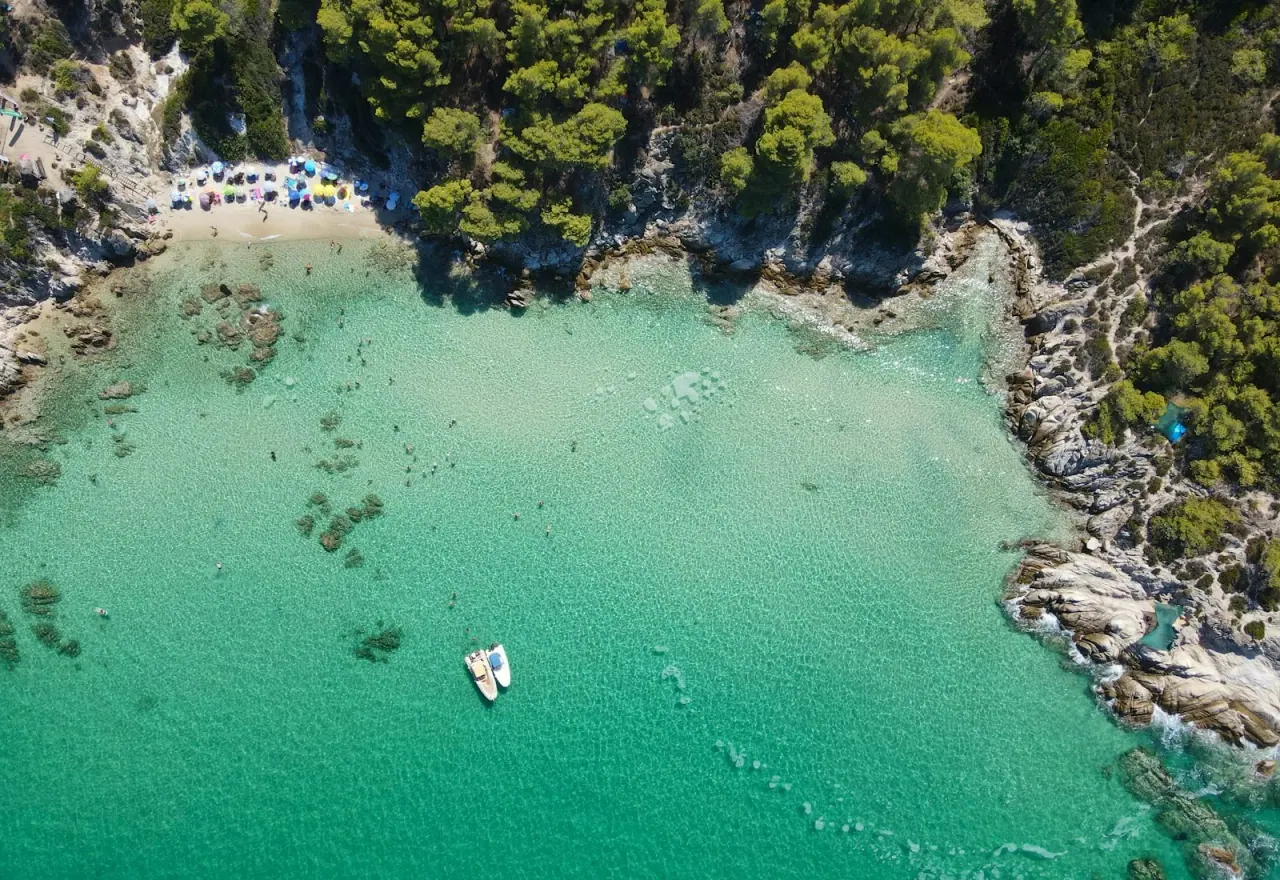
East of Thessaloniki, past the plains of eastern Macedonia, sit two of the region's most rewarding stops — and they pair perfectly. Kavala is a tiered port city wrapped around a harbour, and Philippi, just inland, is a UNESCO-listed ancient city with a special place in Christian history. It's a longer day out (about two hours each way), but between Roman ruins, an Ottoman aqueduct and a swim in the Aegean, it earns the drive.

Philippi — where Christianity reached Europe

The archaeological site of Philippi is a UNESCO World Heritage Site. Founded by Philip II of Macedon and rebuilt as a grand Roman colony on the Via Egnatia, it became, in 49–50 AD, the first place in Europe where the Apostle Paul preached — and where he baptised Lydia, recorded as the first Christian convert on the continent. Today you walk among a well-preserved Roman theatre, the forum, monumental early-Christian basilicas, and the cell traditionally shown as Paul's prison, with the riverside Baptistery of St Lydia a short way off.

Kavala — aqueduct, old town and sea

Kavala (ancient Neapolis, where Paul first stepped ashore in Europe) is among the loveliest ports in northern Greece. Its symbol is the Kamares, a 270-metre Ottoman aqueduct of the 1520s that strides right through the centre. Above it rises Panagia, the old town — steep cobbled lanes, wooden-balconied houses and a Byzantine fortress with views across the harbour and the gulf toward Thassos. It's also the birthplace of Mehmet Ali, founder of modern Egypt's royal line, whose mansion is a museum.

How to do it from Thessaloniki

It's about 160 km / 2 hours east on the A2/Egnatia motorway; KTEL buses run frequently to Kavala in roughly 2–2.5 hours, and Philippi is only 16 km inland. Because it's a full day, many visitors take a guided tour that combines the ancient site, the old town and a beach stop, leaving the driving to someone else.
Fotos

Beste Zeit

Spring to autumn for the old town and the open-air ruins; pleasant by the sea in summer

Am besten für

Ancient historyUNESCO sitesEarly Christian heritageOld townsCoastal scenery

Lage

Häufig gestellte Fragen

Why is Philippi important?+

Philippi is a UNESCO World Heritage Site and one of the most significant early-Christian places in Europe. Founded by Philip II of Macedon and later a major Roman colony, it's where the Apostle Paul preached in 49–50 AD and baptised Lydia — the first recorded Christian convert in Europe. The site preserves a Roman theatre, forum, grand basilicas and the spot traditionally linked to Paul's imprisonment, with the Baptistery of St Lydia nearby.

How much is entry to Philippi, and what are the hours?+

One ticket covers both the archaeological site and the Philippi museum — around €6–10 for adults (roughly half reduced; Greek state site fees were revised upward in 2025–26, so confirm the current rate at the gate). It's open daily, roughly 08:00–20:00 in high summer and 08:30–15:30 in winter, with free admission on the Greek museum days (6 March, 18 April, 18 May, the last weekend of September and 28 October).

What is there to see in Kavala?+

Kavala is one of northern Greece's prettiest ports. Its emblem is the Kamares — a 270 m Ottoman aqueduct from the 1520s striding across the town. Above it climbs Panagia, the old town of cobbled lanes, wooden-balconied houses and a Byzantine fortress with sweeping views over the harbour and bay. It's also the birthplace of Mehmet Ali, founder of Egypt's last dynasty, whose mansion still stands.

How do you get to Kavala and Philippi from Thessaloniki?+

Kavala is about 160 km east — roughly 2 hours by car on the A2/Egnatia motorway, with frequent KTEL buses taking around 2 to 2.5 hours. Philippi lies 16 km inland from Kavala, so the two are easily combined; most guided day tours pair the ancient site with the old town and a swim, given the long round trip.