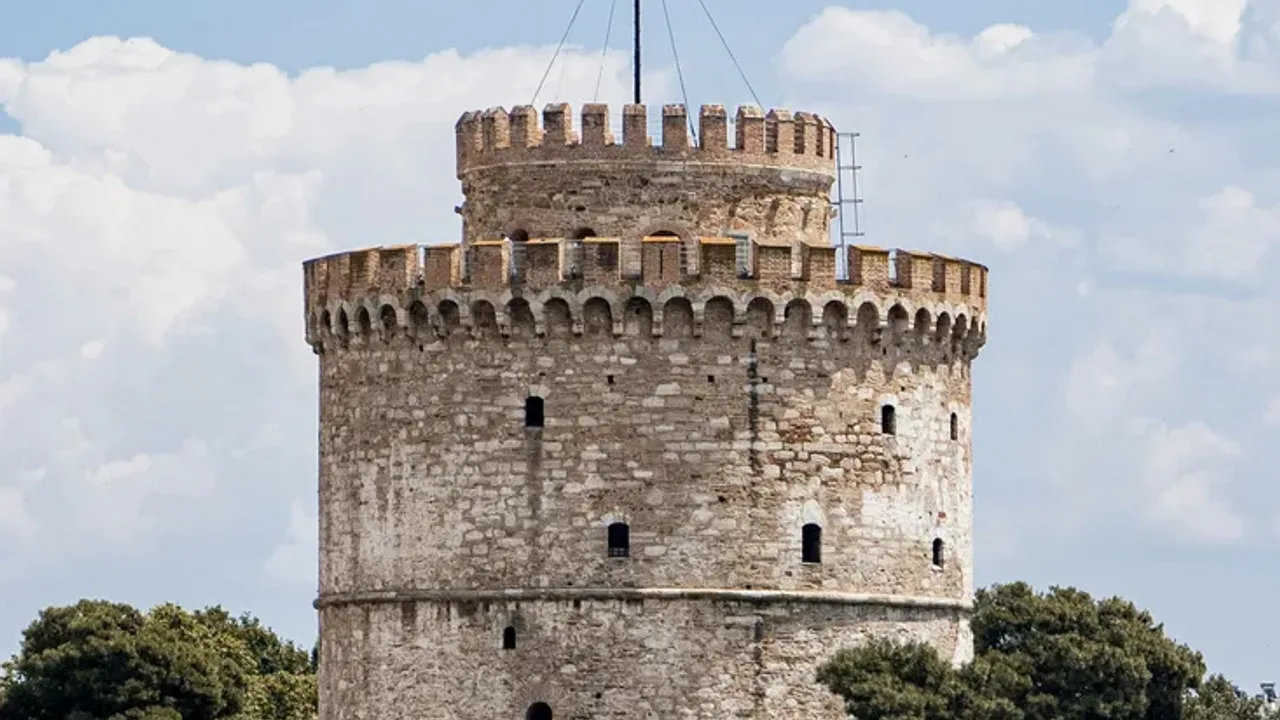
The White Tower is the symbol of Thessaloniki — the 34-metre cylinder on the waterfront that ends up on every postcard and most people's first photo. But there's a real decision behind the obvious sight: is it worth the ticket and the climb, or is it a monument you admire from the promenade? Having gone up its spiral ramp on a bright June morning in 2026, here's the honest answer, plus the tickets, hours and history you need first.
Tickets, hours and the quick verdict
Short version: the museum inside is decent and the rooftop view is genuinely the best central panorama in the city — but the real payoff is timing it for late afternoon. The interior is a compact city-history museum; you're really buying the terrace.
| Detail | |
|---|---|
| Entry | €8 full (€4 in winter) · €4 reduced · free for under-18s & EU citizens under 25 |
| Combined ticket | €15 (3-day, also covers the Rotunda, Archaeological & Byzantine Culture museums) |
| Summer hours (Apr–Oct) | 08:00–20:00 daily |
| Winter hours (Nov–Mar) | 08:30–15:30 (may close Tuesdays — check) |
| Last entry | 20 minutes before closing |
| Free admission days | 1st Sunday of the month (Nov–Mar), plus 6 Mar, 18 Apr, 18 May, the last weekend of Sept & 28 Oct |
| Time needed | 1–1.5 hours |
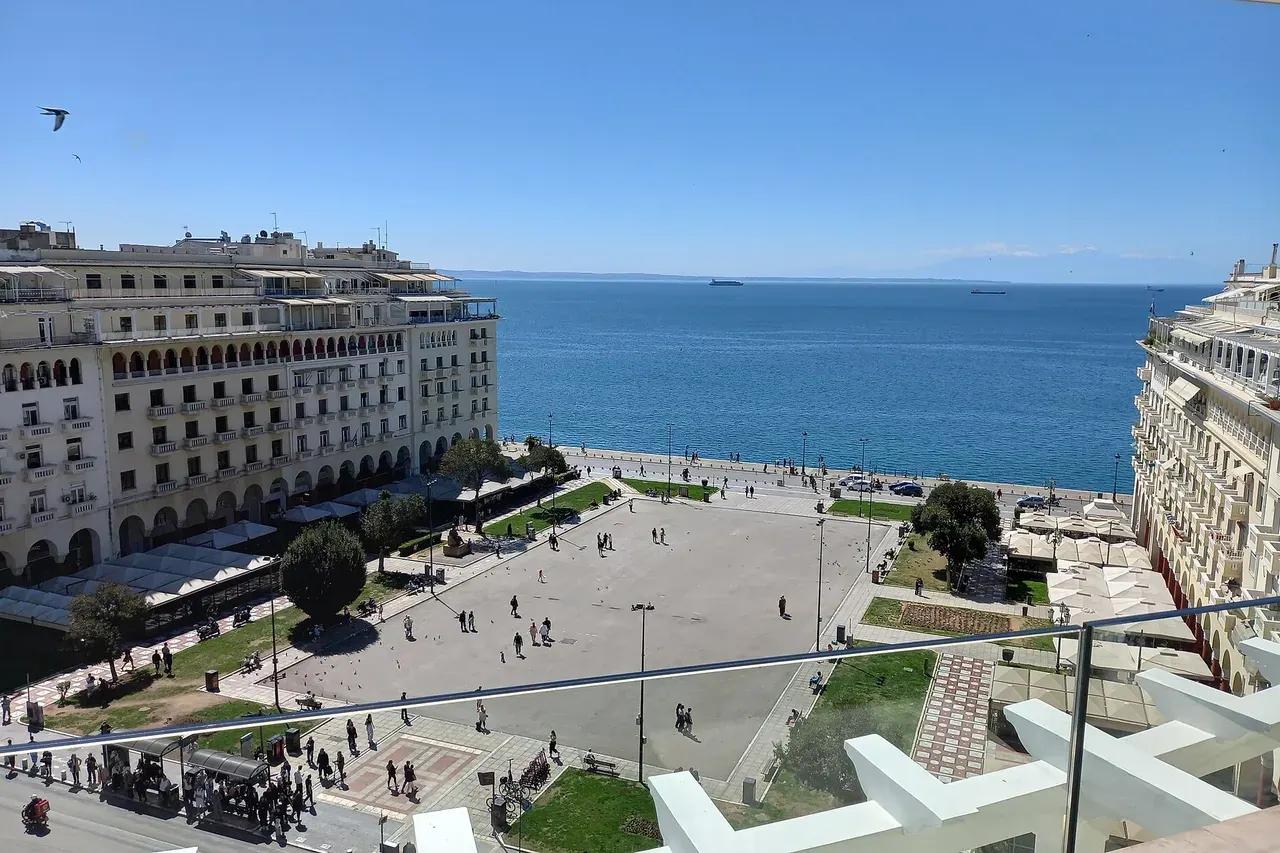
It sits on the seafront a flat ten-minute walk from Aristotelous Square, at the start of the Nea Paralia promenade. Full practical details are on the White Tower landmark page, and the official site has the current hours and tickets. Prices can change — these are current for 2026.
A tower with a dark past
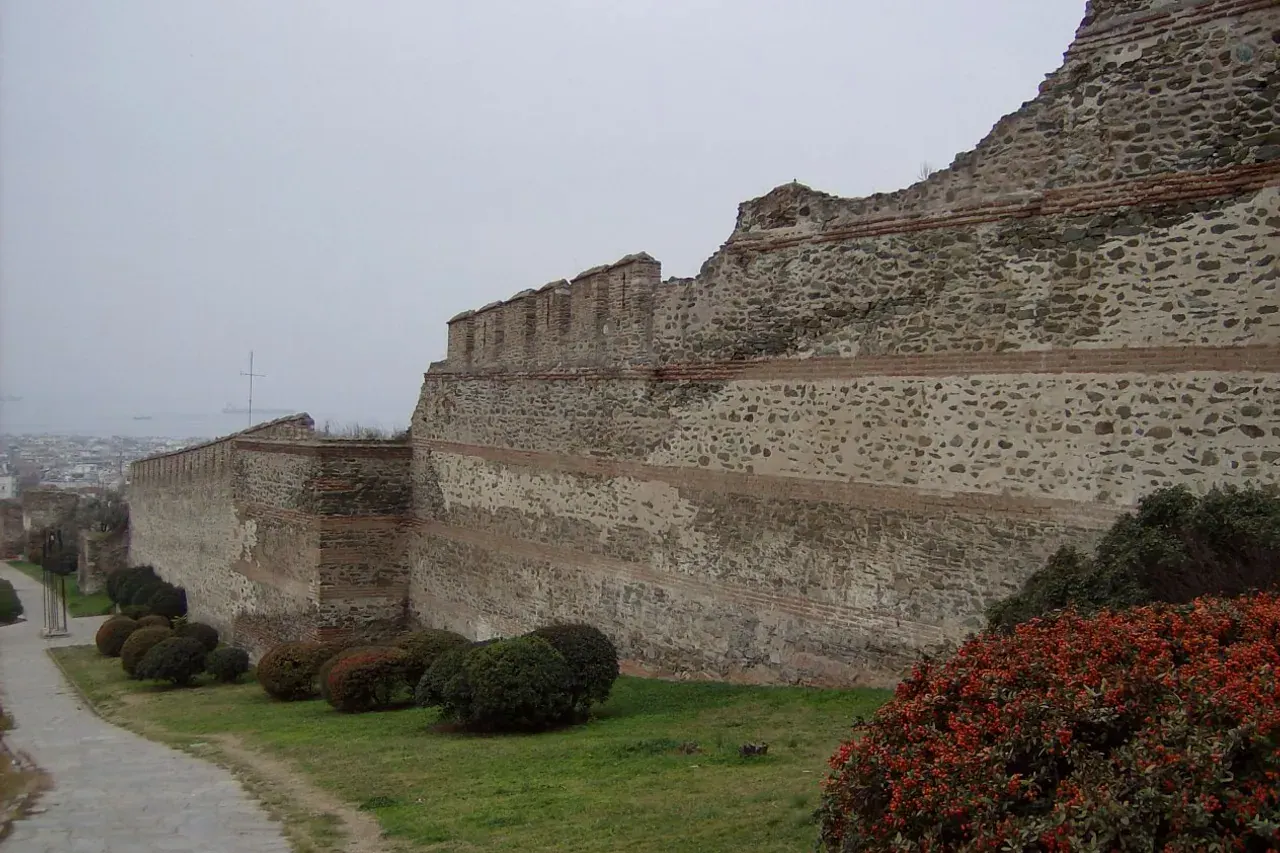
The White Tower wasn't always white, and it wasn't always a benign landmark. An Ottoman tower was raised here in the 15th century on the footing of an earlier Byzantine fortification, anchoring the southeastern corner of the sea walls. It later served as a garrison and then a notorious prison — most infamously in 1826, when Sultan Mahmud II had the tower's imprisoned rebel Janissaries massacred here as he abolished the corps — which earned it the name the "Red Tower" or "Tower of Blood" (Turkish Kanlı Kule).
The rebrand was literal: in 1890 a prisoner was reportedly given his freedom in exchange for whitewashing the bloodstained walls, and the name "White Tower" stuck even after the lime wore off. It's now the emblem of a city that has been Roman, Byzantine, Ottoman, Sephardic-Jewish and Greek in turn — which is exactly the story the museum inside tries to tell.
What's inside
A spiral ramp winds up through six floors, each a themed room on a chapter of the city's past — Roman and Byzantine Thessaloniki, the Ottoman centuries, the great Sephardic community, and the modern city. It's run as an annexe of the Museum of Byzantine Culture, so the curation is solid if not lavish; allow about an hour to read your way up.
The reward is the rooftop terrace. From the top you get the best central view in Thessaloniki: the arc of the waterfront, the red roofs climbing to Ano Poli, and the Thermaic Gulf opening out to the southwest — with Mount Olympus floating on the horizon on a clear day. It's a small platform and it gets busy, so the trick is when you go.
Best time to visit
Go late afternoon, an hour or two before closing, for the golden light off the water as the rooftop crowds thin. One timing note on the sunset itself: in spring and autumn the sun sets before the 20:00 close, so you can watch it drop behind the gulf from the terrace — but in high summer it sets nearer 21:00, after the tower has shut, and in winter it closes by mid-afternoon, so for the actual sundown catch it from one of the waterfront sunset spots below. Mornings are cooler and quieter inside but the view is flatter. Avoid midday in July and August, when the ramp is hot and the terrace is exposed.
Pair it with a walk: stroll the Nea Paralia seafront southeast past the Umbrellas sculpture, or come from the markets and Aristotelous on the way down. Our 2-day itinerary ends day one here at sunset, and the waterfront is the natural next stretch.
Is the White Tower worth visiting?
If you only stand at the base for a photo, you've seen the outside of a handsome-but-plain tower. The ticket is cheap (free if you're under 25 from the EU), the museum is a tidy primer on a genuinely layered city, and the rooftop view is the best central one going. For €8 and an hour, timed for the late light, it's an easy yes — and a natural anchor for the rest of the city's landmarks.
Frequently Asked Questions
How much does it cost to enter the White Tower?
General admission is €8 (€4 in the winter season, 1 November–31 March), reduced €4, and free for under-18s and EU citizens under 25; tickets can also be bought online in advance at white-tower.gr. A €15 combined three-day ticket also covers the Rotunda, the Archaeological Museum and the Museum of Byzantine Culture. Entry is free on several national heritage days through the year (6 March, 18 April, 18 May, the last weekend of September and 28 October), and on the first and third Sunday of each month from November to March.
What are the White Tower's opening hours?
In summer (April–October) it's open daily 08:00–20:00; in winter (November–March) 08:30–15:30. Last entry is shortly before closing, so allow at least an hour to climb the ramp and reach the rooftop terrace.
Why is it called the White Tower?
It was once a prison nicknamed the "Red Tower" or "Tower of Blood" after Ottoman executions there. In 1890 the bloodstained exterior was whitewashed — by legend, by a prisoner in exchange for his freedom — and the name "White Tower" has stuck ever since.
How tall is the White Tower?
The White Tower stands about 34 metres (112 ft) tall, a cylindrical drum some 23 metres (75 ft) in diameter. Inside, a spiral ramp climbs past a ground floor and six upper storeys to the rooftop terrace.
Is the White Tower worth going inside?
Yes, if you time it. The six-floor museum is a solid primer on the city's Roman, Byzantine, Ottoman and Jewish history, and the rooftop terrace has the best central view over the Thermaic Gulf — best in the late afternoon for the golden light (though in high summer the tower closes at 20:00, before the sun actually sets).