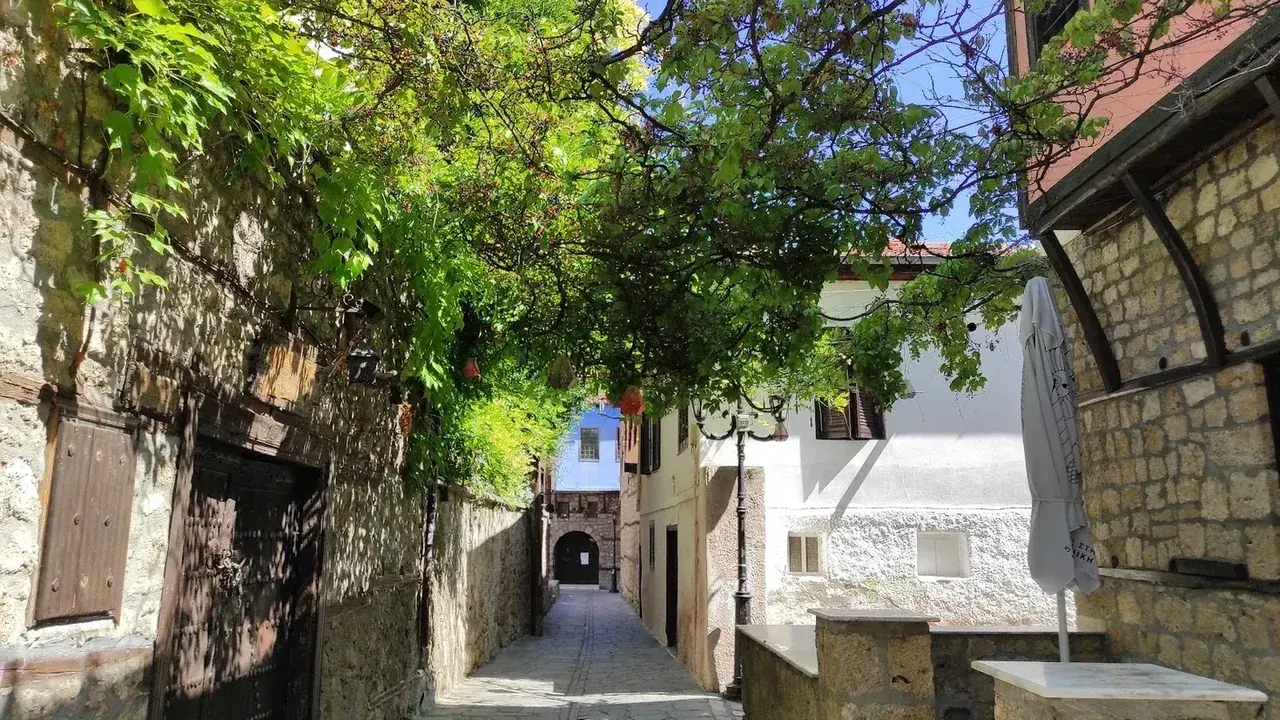
Cross the border northwest of Thessaloniki and you reach one of the Balkans' most beautiful corners: Ohrid, a medieval town of red-roofed houses and frescoed churches stacked above one of Europe's oldest and deepest lakes. Both the town and the lake are UNESCO World Heritage sites. Greece keeps its own quieter version of this landscape at the Prespa Lakes, over the mountains to the south-east. The question isn't whether Ohrid is worth seeing; it plainly is. The real question is whether you can honestly fit it into a day trip from Thessaloniki, or whether you should give it a night. Here's the straight answer, and how to get there.
Day trip or overnight? The honest verdict
| Day trip | Overnight (recommended) | |
|---|---|---|
| Time in Ohrid | ~4–5 hours | A full day + evening |
| Travel each way | ~4 h by car/tour | Same, but split across two calmer days |
| Best for | You have no spare night and really want to see it | Anyone who can spare one night |
| The catch | ~8 hours in a vehicle for a few hours by the lake | Costs one night's accommodation |
Ohrid is about 260 km from Thessaloniki — roughly four hours by car or private transfer each way. That means a day trip is genuinely a long day: eight hours of driving to spend four or five hours by the lake. It's doable, and people do it, but if you can give Ohrid a single night you'll see it properly — the town glows at sunset, and the lakeside boardwalk is made for a slow evening. We'd take the overnight every time; treat the day trip as the "only if you must" option.
How to get from Thessaloniki to Ohrid
By car or private transfer (best). Driving is the only way to do Ohrid comfortably in a day. It's about four hours each way via the Bitola border crossing (Niki–Medzhitlija), on decent roads through Florina and Bitola. You'll need your passport — North Macedonia is outside the EU and Schengen — and, in a rental, a green card and cross-border permission (arrange it when you book; see our car rental guide). A private driver-transfer removes the paperwork and the wheel. North Macedonia uses the denar (MKD), not the euro: tourist-facing hotels and operators in Ohrid will often take euros, but usually at a poor rate with change in denar, so it's cheaper to pay in denar — ATMs and no-commission exchange offices are easy to find in town.
By organised tour. The simplest hands-off option: several operators run full-day Ohrid trips from Thessaloniki, handling the border and the driving. Browse day-trip options on our activities page and compare on the GetYourGuide Thessaloniki page.
By bus (not for a day trip). There is no direct bus; you'd travel via Skopje, which takes around eight hours each way — fine for reaching Ohrid on a longer Balkan trip, useless for a day out. If you're busing, do it as part of a multi-stop itinerary, not a return day.
What to see in Ohrid
Everything worth seeing clusters in and above the walkable Old Town:
- Church of St John at Kaneo — the postcard church on a cliff over the lake; the most photographed spot in North Macedonia.
- Samuel's Fortress — the 10th-century citadel of Tsar Samuel, with ramparts you can walk for a view over the red roofs and the water.
- Ancient Theatre — a Hellenistic theatre from the 2nd century BC, still used for summer performances.
- Church of St Sophia — an 11th-century basilica with rare, beautifully preserved Byzantine frescoes.
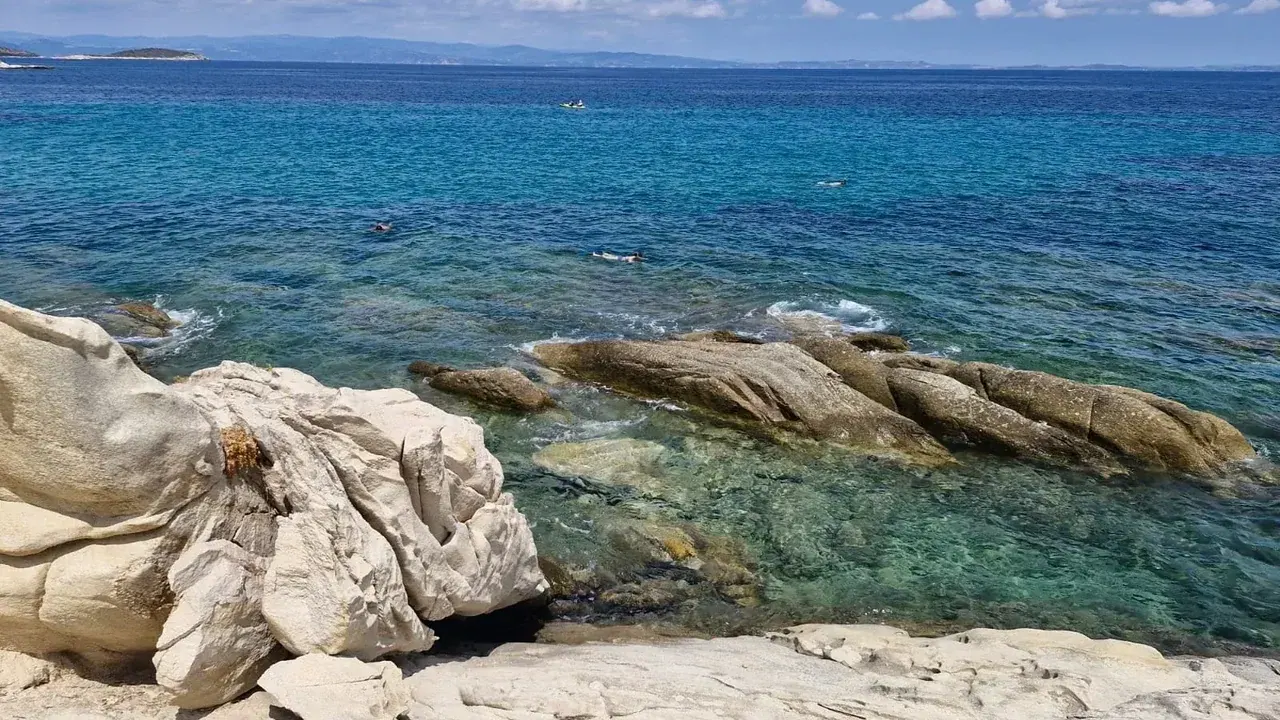
- The lakeside boardwalk — a walkway on stilts around the headland to swimming coves and small bar-restaurants; the water is clear and warm for a swim in July and August.
- Monastery of St Naum — 29 km south along the lake near the Albanian border, reachable by boat trip; worth it on an overnight, tight on a day.
Is Ohrid worth the trip?
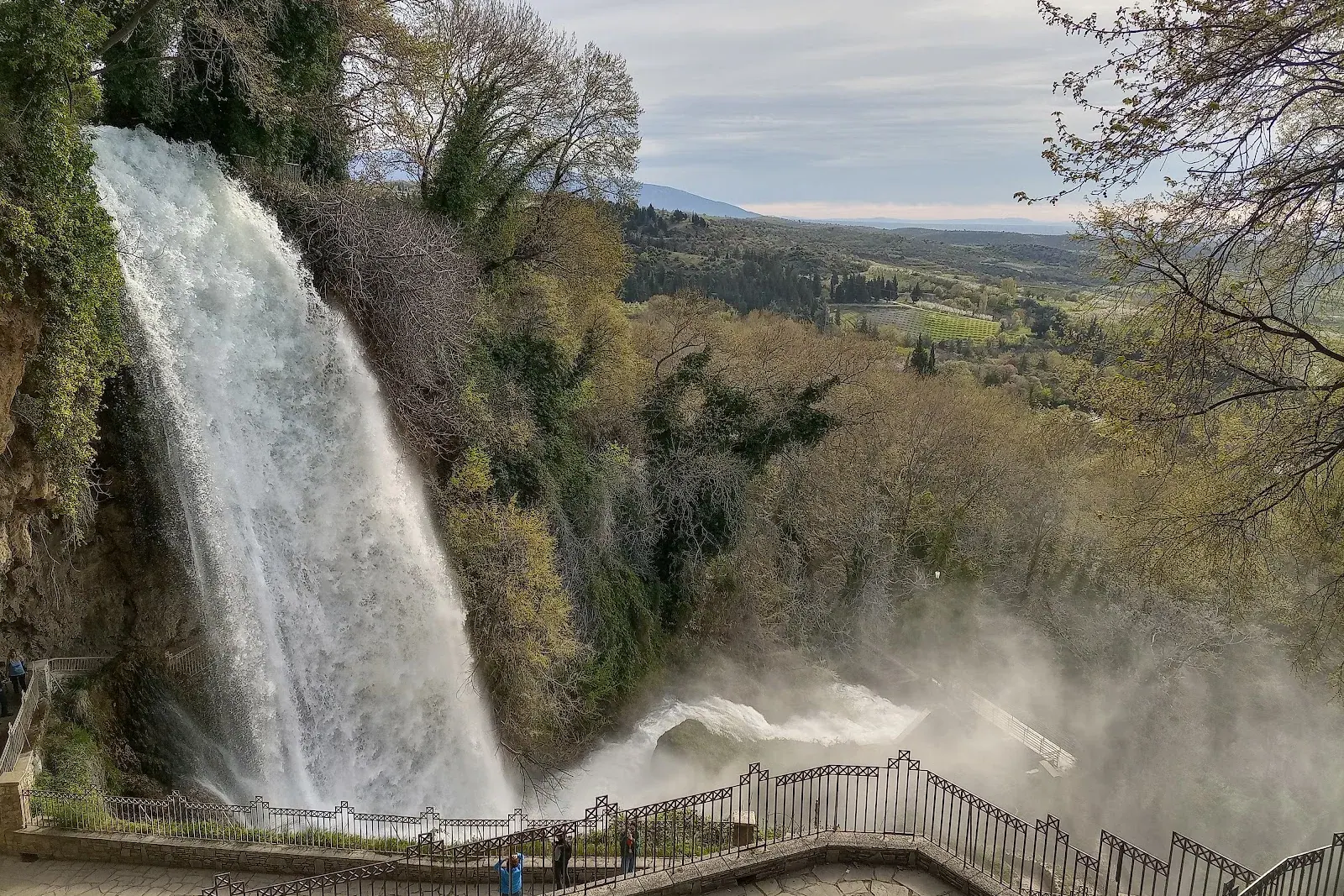
Yes — with the caveat above. For a long day, take a car or a tour, leave Thessaloniki early, hit St John at Kaneo, the fortress and the Old Town, have a lakeside lunch, and accept the drive. For anything more relaxed, book a night: Ohrid rewards an evening and a morning far more than a rushed afternoon. Either way it pairs well with Vergina or Edessa on a wider northern loop — see all our day trips from Thessaloniki.
Frequently Asked Questions
How far is Ohrid from Thessaloniki?
About 260 km, or roughly four hours each way by car via the Bitola border crossing. There's no direct bus — the public-transport route runs through Skopje and takes around eight hours — so a day trip realistically needs a car, private transfer or an organised tour.
Can you do Ohrid as a day trip from Thessaloniki?
Yes, but it's a long day: around eight hours of driving to spend four or five hours by the lake. It works by car or organised tour if you leave early. If you can spare a single night, an overnight is far more rewarding — Ohrid is at its best in the evening.
Do you need a passport to go from Thessaloniki to Ohrid?
Yes. North Macedonia is outside the EU and the Schengen area, so you cross a real border and need your passport. In a rental car you also need cross-border permission and a green card, arranged with the rental company in advance.
What currency do you need in Ohrid?
The Macedonian denar (MKD) — North Macedonia is not in the eurozone. Euros are often accepted at tourist-oriented hotels and tour operators in Ohrid, but change comes in denar and the rate is rarely as good as exchanging directly, so pay in denar where you can. ATMs and commission-free exchange offices are common in the Old Town; cards are widely accepted in hotels and larger restaurants.
Is Ohrid worth visiting?
Very. The town and Lake Ohrid are both UNESCO World Heritage sites — think frescoed medieval churches, a hilltop fortress, an ancient theatre and a swimmable lake. It's one of the most beautiful spots in the Balkans and a genuine change of scene from Greece.