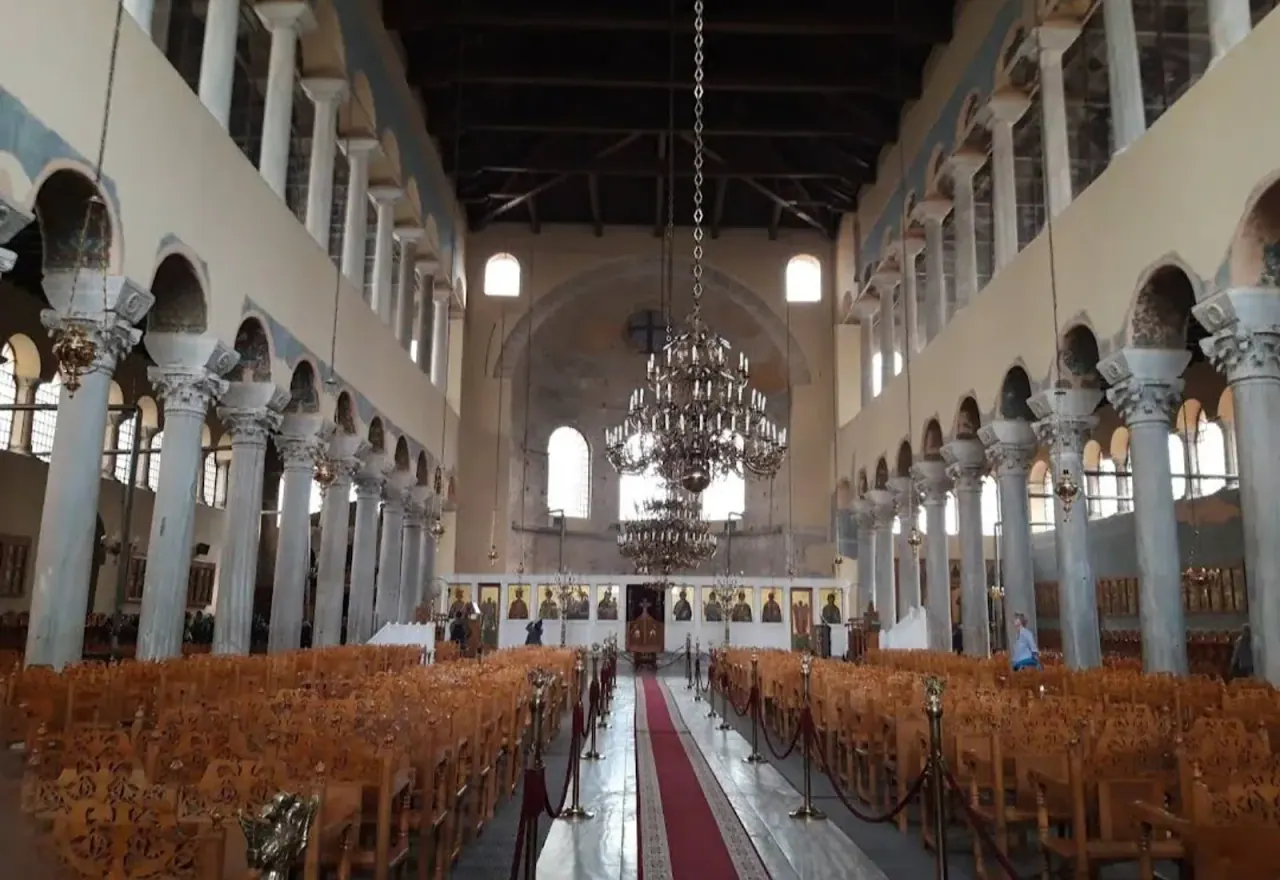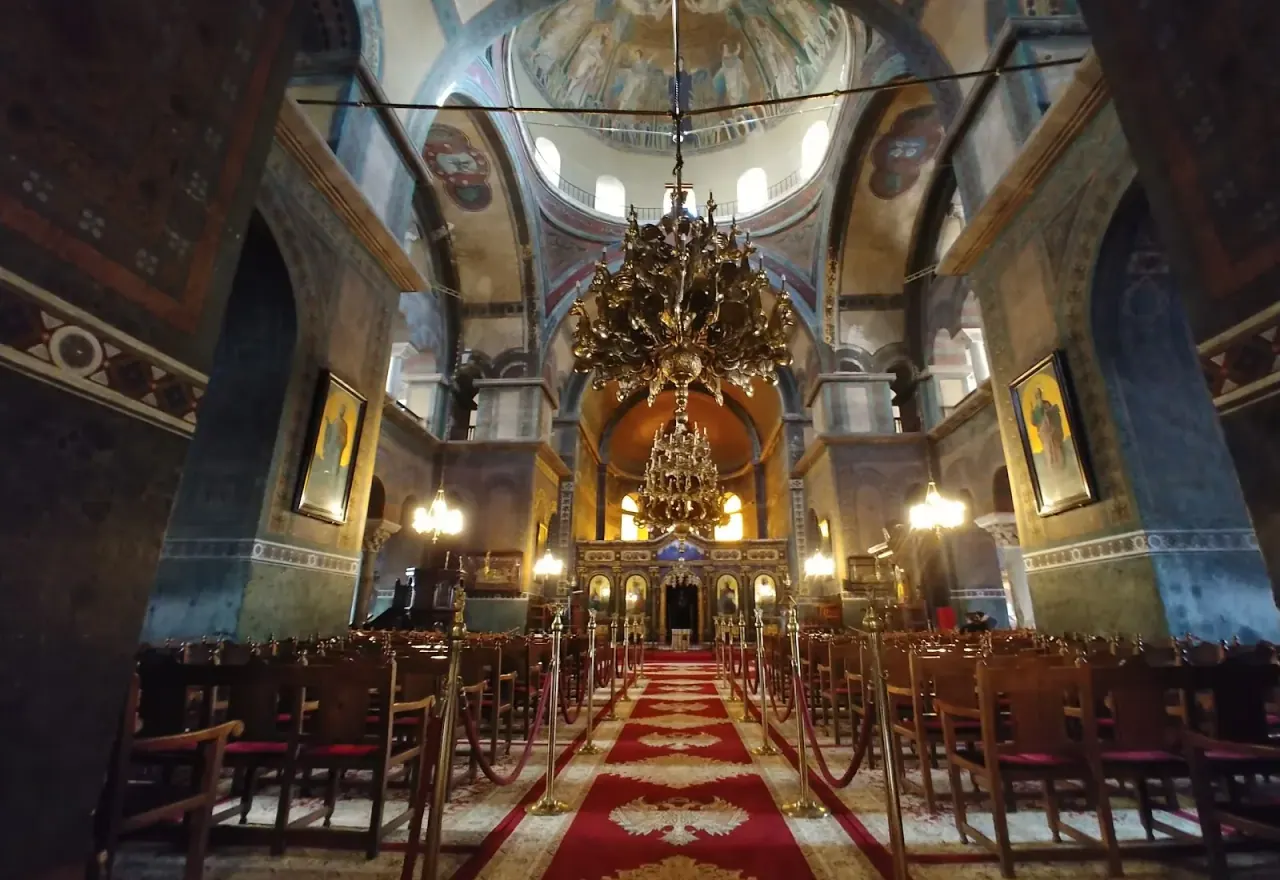
Thessaloniki was one of the great cities of the Byzantine Empire, and the Museum of Byzantine Culture is where that world is explained. If the city's Byzantine churches leave you wanting to understand what you're looking at, this is the place — and it's a beautifully designed museum in its own right, a short walk behind the seafront and right beside the Archaeological Museum. Here's what to see and how to visit.
What it is
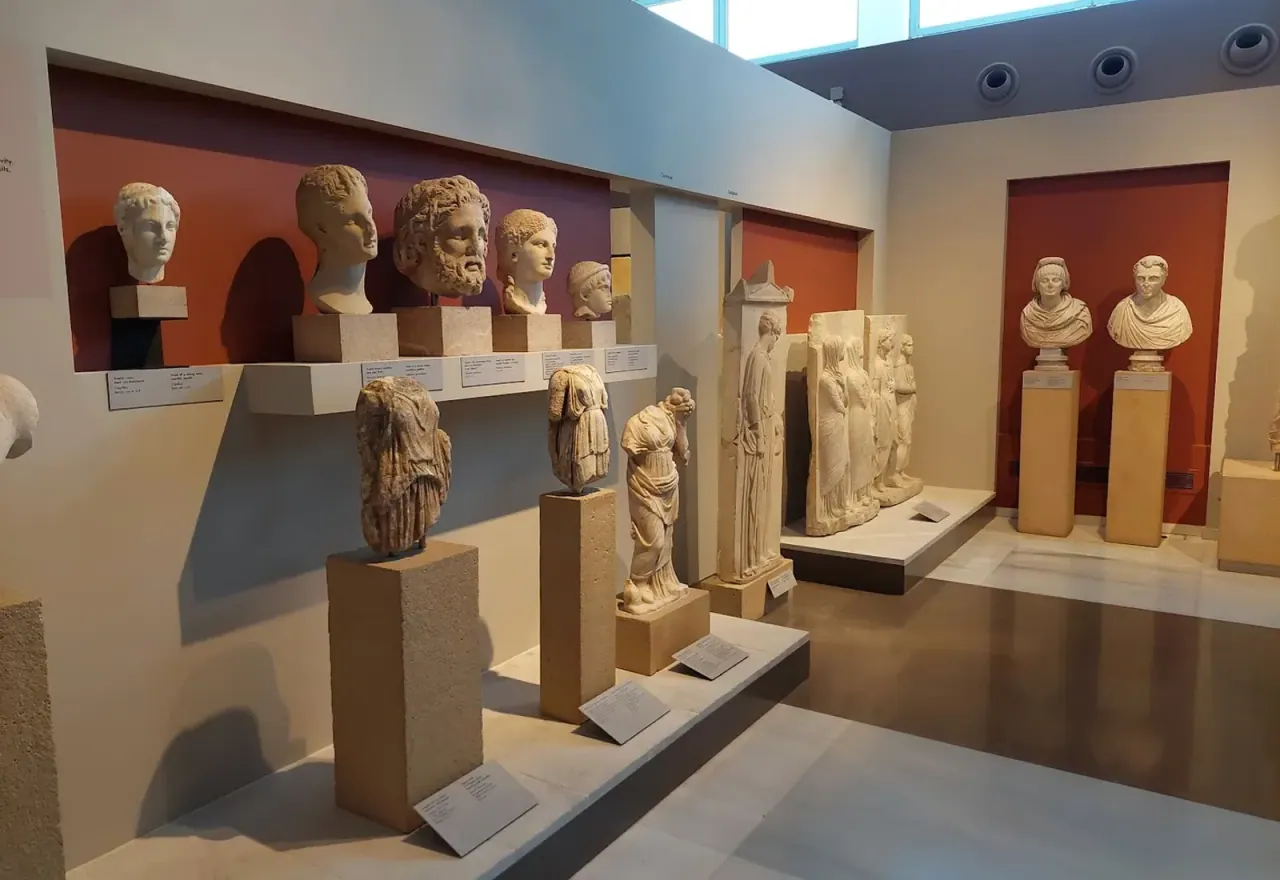
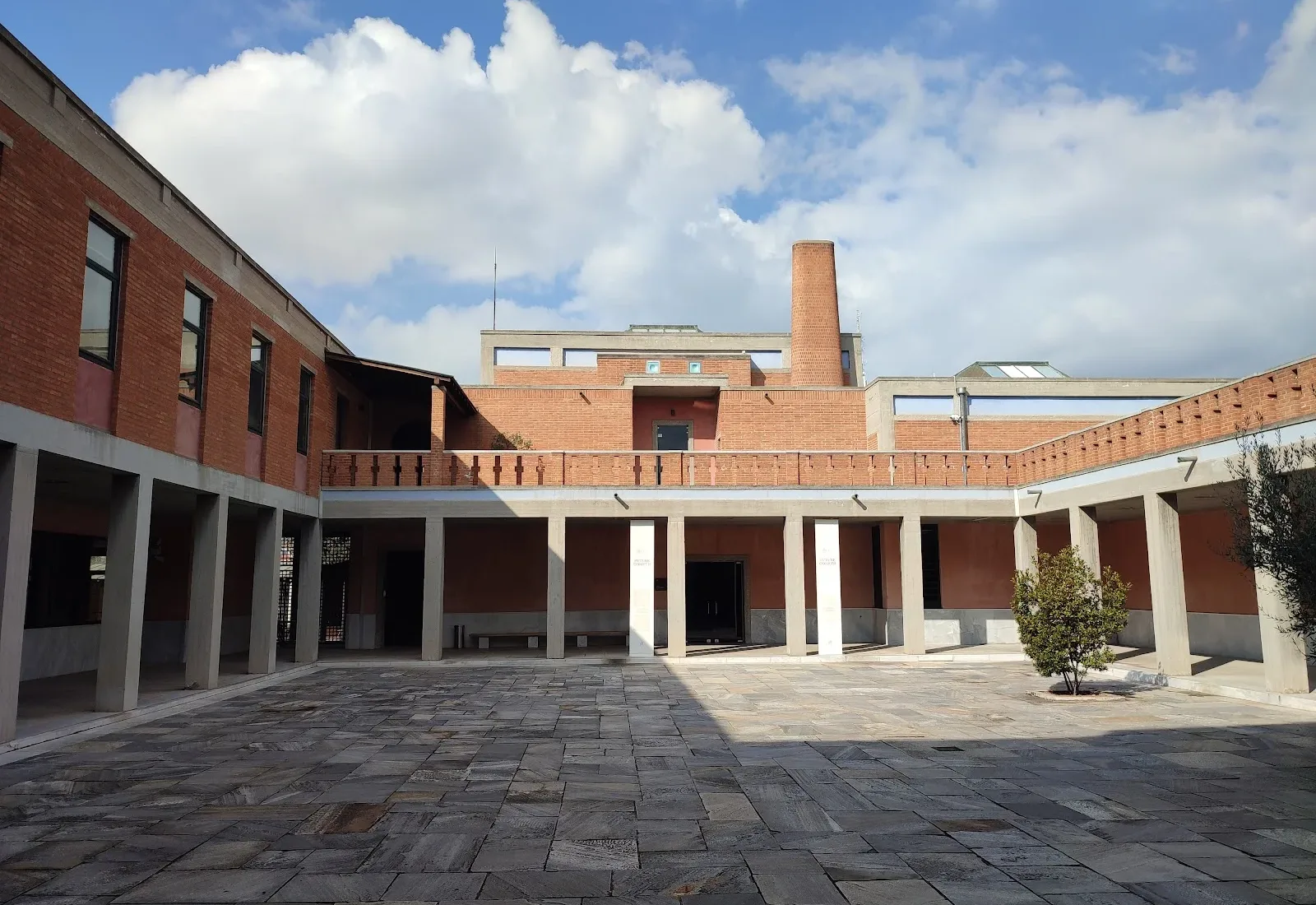
Opened in 1994 and, in 2005, the first Greek museum ever to win the Council of Europe Museum Prize, it traces Byzantine and post-Byzantine life across eleven galleries and some 3,190 objects on display (drawn from a reserve of over 46,000) — mosaics, icons, frescoes lifted from churches, jewellery, coins, textiles and everyday objects. It's arranged thematically, from the early-Christian city through the Byzantine centuries, so it reads as a story rather than a warehouse of relics. The calm red-brick building — designed by the architect Kyriakos Krokos (1941–1998) and built in 1989–1993, a landmark of modern Greek architecture — is part of the pleasure.
What to see
- Early-Christian mosaics and frescoes — floor mosaics and wall paintings recovered from the city's churches and tombs, shown at eye level in a way the churches themselves can't, including a striking mosaic of the south wind personified as a man blowing into a shell.
- Byzantine icons — a superb collection of painted panels, dramatically lit, spanning the whole arc of Byzantine and post-Byzantine sacred art; Gallery 9 alone gathers 146 icons, from the late 14th to the 19th century.
- A 4th-century silver reliquary — a small casket worked in relief with scenes from the Old and New Testaments, made to hold the relics of martyrs and saints, and one of the museum's most precious single objects.
- Everyday Byzantium — jewellery, coins, ceramics and textiles that flesh out how people actually lived, not just how they worshipped.
The galleries — what you walk through
The eleven rooms (opened gradually between 1997 and 2004) are arranged as a chronological, thematic journey, so it's worth following them in order:
- The Early Christian city (Galleries 1–2) — how the young Christian Church and its worship took shape, with mosaics and architecture from the 4th–6th centuries.
- Cemeteries and the afterlife (Gallery 3) — wall paintings, grave goods and jewellery from early-Christian tombs, on how the city buried and remembered its dead.
- The Byzantine centuries (Galleries 5–6) — the empire's dynasties from Heraclius (610–641) to the Fall of Constantinople in 1453, and the organisation and daily life of a Byzantine castle.
- Late-Byzantine art (Gallery 7) — wall paintings, marble reliefs and rare icons from the empire's final, artistically brilliant centuries.
- The icon collection (Gallery 9) — the 146 icons noted above, from the late 14th to the 19th century.
- After the fall (Gallery 10) — the survival of Byzantine art under Ottoman and Venetian rule, its icons showing the different regional painting schools.
- The epilogue (Gallery 11) — a modern coda using digital media to trace how an object travels from the excavation where it's found to the museum case where you see it.
Visiting
The museum sits behind the seafront near the White Tower, right next to the Archaeological Museum — the two make an easy pairing in a single morning. Entry is €10 (€5 reduced), and it's one of the four sites on the €15 three-day combined ticket (with the Archaeological Museum, the Rotunda and the White Tower). It's open 08:00–20:00 daily in summer (8 May–31 October) and 08:30–15:30 the rest of the year, when it closes on Tuesdays; the landmark page and the museum's official site have the current hours and tickets, and our best museums guide puts it in context.
Frequently Asked Questions
What is in the Museum of Byzantine Culture in Thessaloniki?
It traces Byzantine and post-Byzantine life through mosaics, icons, frescoes, jewellery, coins, textiles and everyday objects, arranged thematically from the early-Christian city onward. It's the ideal companion to the city's Byzantine churches, explaining the art and history behind them.
How much does the Museum of Byzantine Culture cost?
Entry is €10 (€5 reduced). It's also included on the €15 three-day combined ticket, which covers the Archaeological Museum, the Rotunda and the White Tower — the best value if you're visiting more than one.
What are the opening hours of the Museum of Byzantine Culture?
From 8 May to 31 October it's open 08:00–20:00 daily. The rest of the year hours are shorter, 08:30–15:30, and it's closed on Tuesdays. Last entry is 20 minutes before closing, so don't cut it fine near the end of the day.
How is the museum laid out, and how long should you spend?
Its eleven galleries run as a chronological, thematic story — the early-Christian church and its cemeteries, the Byzantine dynasties and daily life in a Byzantine castle, the late-Byzantine icons and frescoes, the survival of the art under Ottoman and Venetian rule, and a final "epilogue" gallery on how objects reach the museum. Following them in order takes most visitors about 1.5–2 hours.
Is the Museum of Byzantine Culture worth visiting?
Yes. It's an award-winning museum — the first Greek museum to win the Council of Europe Museum Prize (2005), housed in a celebrated red-brick building by architect Kyriakos Krokos — and the best place to make sense of Thessaloniki's Byzantine heritage. It sits right beside the Archaeological Museum and a short walk from the White Tower, so the three are easy to combine.