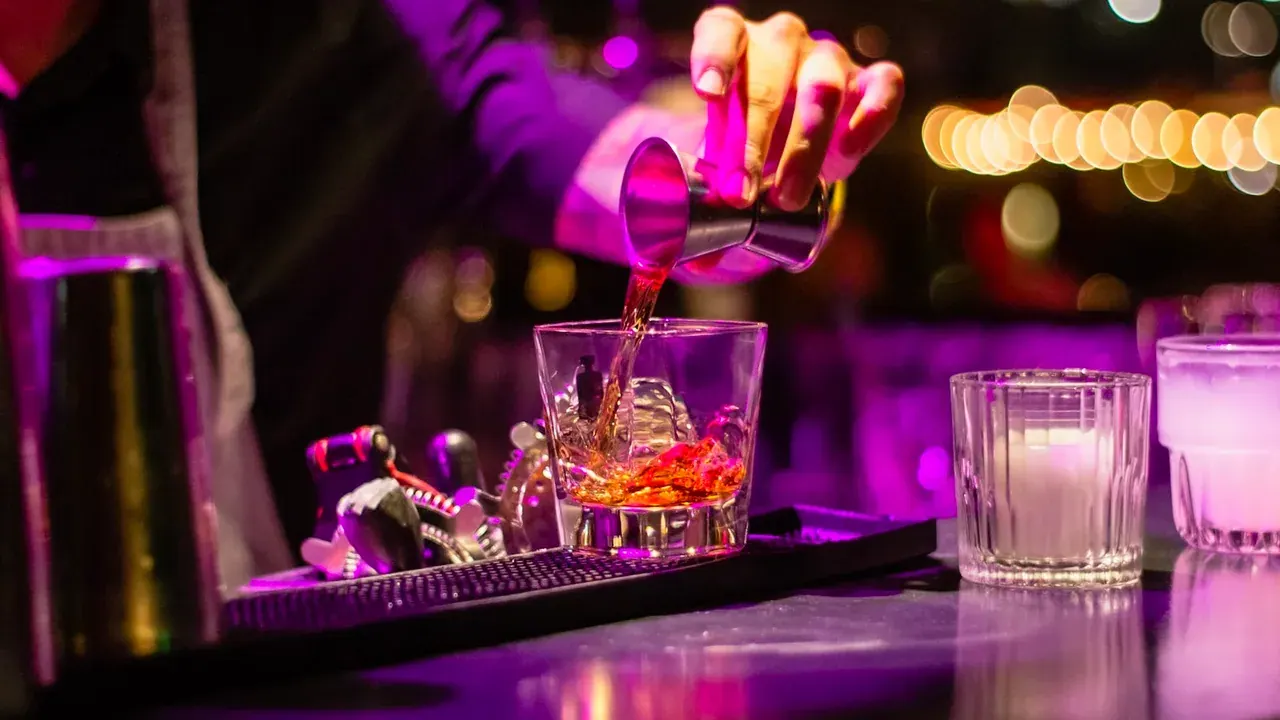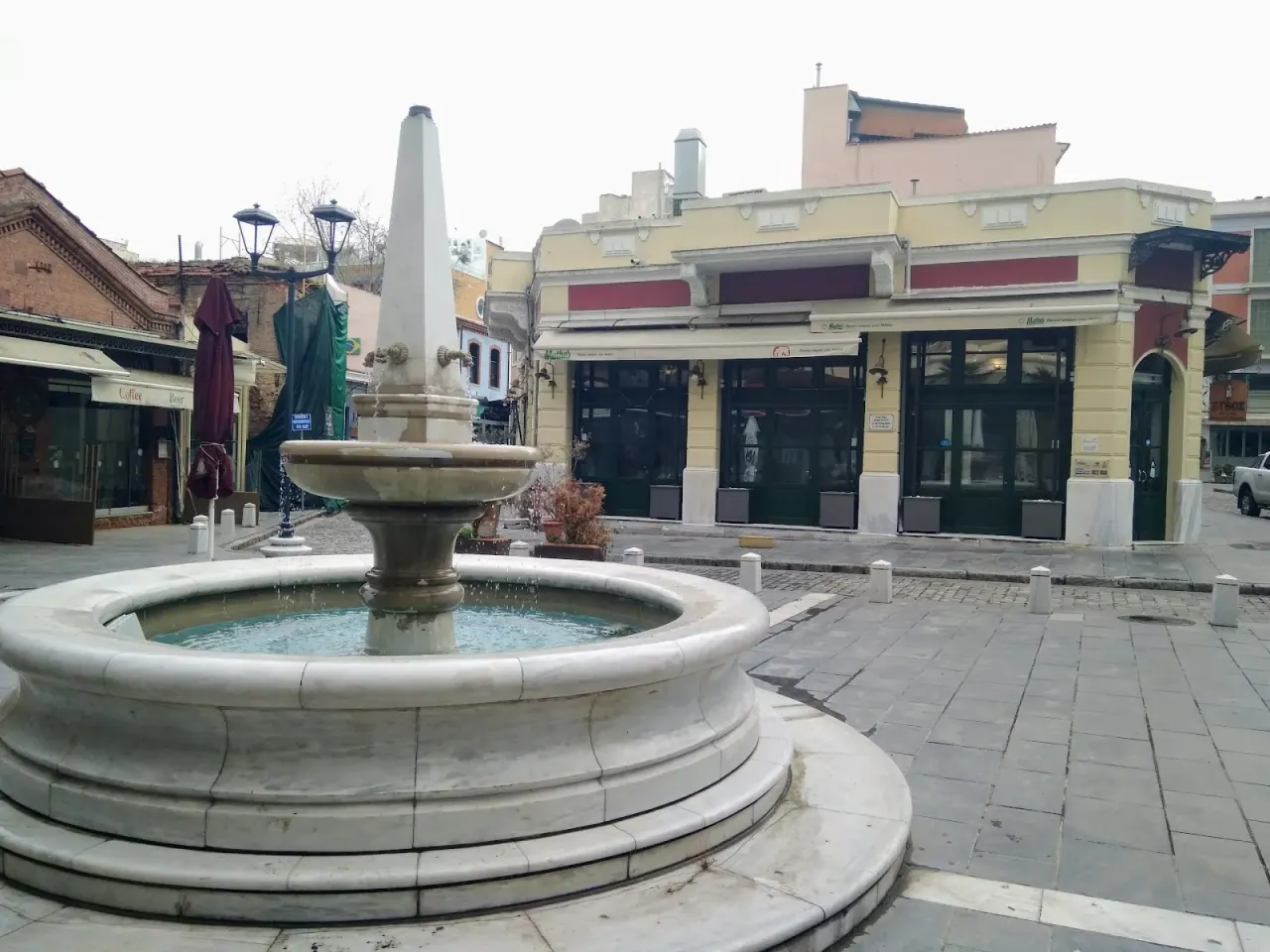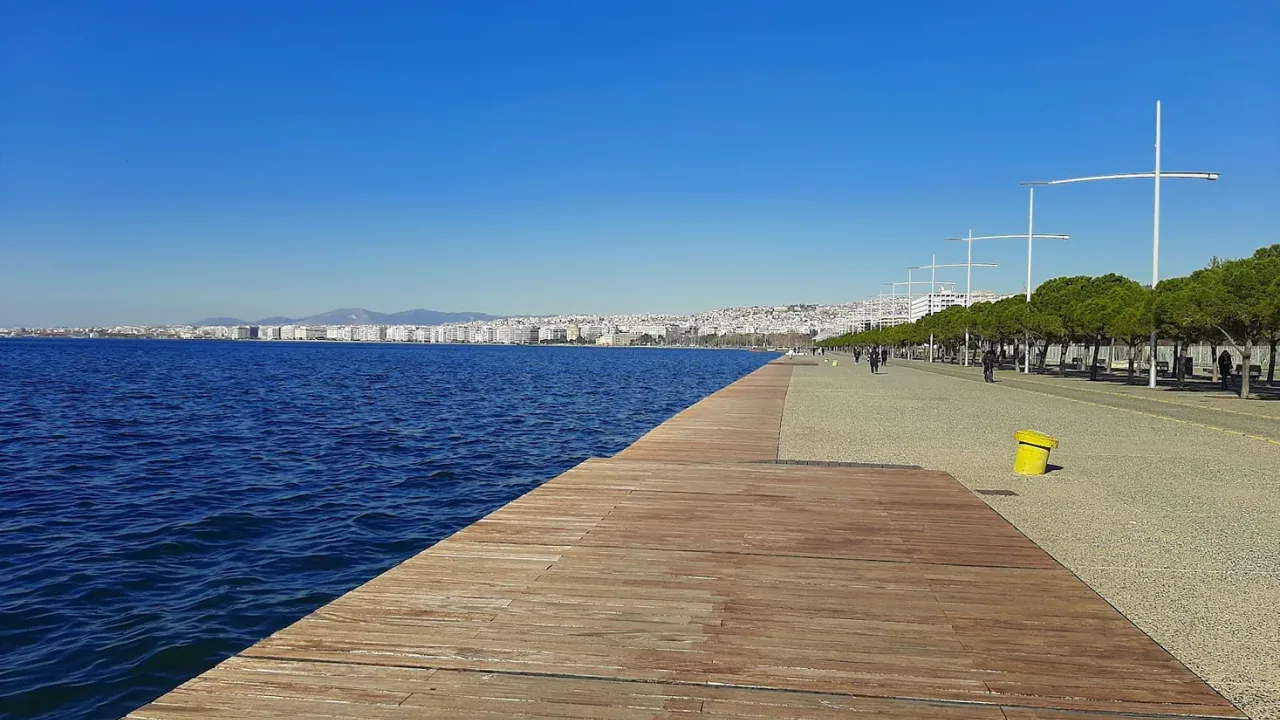
Most visitors never leave the historic centre, and for a short trip that's fine. But locals with an afternoon to spare often head southeast to Kalamaria — the leafy, well-to-do seaside suburb that Greeks half-jokingly call the Riviera of the North. It's where Thessaloniki goes for a marina stroll, a long seafood lunch and a sunset that faces the whole city back across the water. Here's what's out there and why it's about to get a lot easier to reach.
What Kalamaria is
A few kilometres southeast of the White Tower, Kalamaria is a calmer, greener, more residential counterpoint to the dense centre — tidy streets, cafés full of locals rather than tourists, and, above all, a long stretch of open waterfront. It's not a sightseeing checklist; it's a place to slow down by the sea the way the city's own residents do. Though it feels like a suburb, it's really a city in its own right — a separate municipality since 1943, now home to some 92,000 people.
A refugee suburb
Kalamaria's character was forged by one of the 20th century's great upheavals. The area was thinly populated until 1922, when it was settled en masse by Greek refugees from Pontus and Asia Minor — hundreds of thousands were uprooted to Thessaloniki in the population exchange that followed the Greek–Turkish war, and Kalamaria became one of the largest refugee settlements. That heritage still runs through the suburb's identity, its churches and its street names. (The name itself is far older, first recorded in 1083 and thought to come from Skalas meria, "the port side.")
The marina and the seafront
The heart of it is the Aretsou marina, a pretty harbour of yachts and small fishing boats ringed by a promenade of cafés and tavernas. From there the Kalamaria seafront runs on toward Nea Krini as a long, flat waterfront walk — ideal for a cycle, an evening volta (stroll), or a coffee watching the boats. It's the same Thermaic Gulf as the central waterfront promenade, but quieter and more local.
Karabournaki: seafood and sunset
The standout corner is Karabournaki, a low rocky headland at the tip of the suburb. It's a favourite for two things: fresh-fish tavernas and the sunset, which drops over the gulf with the whole Thessaloniki skyline laid out across the water — one of the best city-and-sea views anywhere around town. The Nea Krini and Karabournaki waterfronts are lined with fish tavernas; for where the seafood is genuinely worth the trip, see our best seafood guide, and time it for sunset.
The headland hides a deeper history too. Karabournaki is an important archaeological site — long identified with ancient Therma, the most important settlement on the Thermaic Gulf before Thessaloniki itself was founded in the late 4th century BC. Inhabited from the Bronze Age and flourishing in the Archaic period, it has been excavated by university teams since the early 20th century, so the same cape you come to for a sunset drink was a thriving harbour town nearly three thousand years ago. On the point stands the Palataki ("little palace"), officially the Government House (Kyverneío) — a striking mid-20th-century mansion that now hosts cultural events, including the Reworks electronic-music festival each September.
Getting there — and the metro that changes things
Until now, Kalamaria has meant a bus or a taxi from the centre — easy enough, but a deterrent for a casual visit. That's changing: the metro's five-station Kalamaria extension — which reaches the suburb at Kalamaria, Aretsou and Nea Krini (with Nomarchia and Mikra completing the line) — is in final testing and expected to open around the end of July 2026 (dates have slipped before — check thessmetro.gr). Once it's running, the seaside suburb becomes a quick, cheap ride straight from the city spine, turning a Kalamaria seafood-and-sunset evening into an easy add-on to any trip. See our Thessaloniki metro guide and getting around guide for the metro in full.
Who it's for
Skip Kalamaria if you've only got a day or two — the centre has more than enough. But if you've got a third or fourth day, want to eat seafood where locals do, or just fancy a slower, sea-facing afternoon away from the crowds, it's a genuinely rewarding half-day — especially at golden hour.
Frequently Asked Questions
What is there to do in Kalamaria, Thessaloniki?
Kalamaria is a seaside suburb southeast of the centre, best for a slow, local afternoon: stroll the Aretsou marina and the Nea Krini waterfront promenade, eat at the fish tavernas around Karabournaki, and catch the sunset over the gulf with the city skyline across the water. It's more about atmosphere and seafood than ticking off sights.
How do you get from Thessaloniki centre to Kalamaria?
It's a few kilometres southeast, currently reached by city bus or a short taxi. The metro's five-station Kalamaria extension — reaching the suburb at Kalamaria, Aretsou and Nea Krini — is expected to open around the end of July 2026, which will make it a quick, cheap direct ride from the centre. Check thessmetro.gr for the latest, as opening dates have moved before.
Is Kalamaria worth visiting?
For a longer stay, yes. It won't replace the historic centre's monuments and markets, but for seafood by the water, a quiet seaside walk and one of the best sunset-and-skyline views around the city, it's a lovely half-day — and much more of a local experience than the tourist core.
What is the history of Kalamaria?
Though its name is recorded as far back as 1083, modern Kalamaria was shaped by 1922, when Greek refugees from Pontus and Asia Minor settled here en masse after the population exchange — a heritage still central to its identity. It became a separate municipality in 1943 and is now a city of about 92,000. On the Karabournaki headland, an ancient site identified with Therma predates Thessaloniki itself.
What is at Karabournaki besides the sunset?
Karabournaki is an important archaeological site, long linked to ancient Therma — the main settlement on the Thermaic Gulf before Thessaloniki was founded in the late 4th century BC, inhabited from the Bronze Age and excavated since the early 1900s. The headland also holds the Palataki (the Government House), a mid-20th-century mansion used for cultural events.