Type "is Thessaloniki worth visiting" into a search bar and you'll get a wall of confident yeses — most of them from people who spent an afternoon there between flights. The honest answer depends entirely on the kind of traveller you are, and a one-word verdict does nobody any good. So before the easy "yes", here's what the city actually trades on, where it falls short, and the specific traveller it rewards.
Thessaloniki vs the obvious alternatives
The real question isn't whether Thessaloniki is "good" — it's whether it beats what you'd otherwise do with those days in Greece. Here's the trade-off, plainly:
| If you want… | Thessaloniki | Athens | The islands |
|---|---|---|---|
| Headline ancient ruins | Roman + Byzantine, fewer crowds | Acropolis-tier, unmatched | Minimal |
| Food-first travel | Greece's strongest food city | Very good | Variable, pricey |
| Walkability | Whole centre on foot | Sprawling | Depends on island |
| Beaches without ferries | Halkidiki, ~1 hr by car | No | The whole point |
| Daily cost | Lower | Higher | Highest in summer |
| Crowds | Light, local feel | Heavy | Heavy in season |
Athens wins a sight-packed first visit to Greece. The islands win if a beach is non-negotiable. Thessaloniki wins when you want a real, lived-in Greek city — strong food, deep history, and a young energy — without queuing for any of it.
What it genuinely does better than anywhere else in Greece
Food is the headline, and it isn't hype: this is the country's acknowledged culinary capital — in 2021 it became Greece's first UNESCO City of Gastronomy — shaped by Ottoman, Sephardic Jewish, and refugee kitchens. Spend a morning in the Kapani and Modiano markets, eat bougatsa for breakfast, and you'll understand why locals are smug about it — our Thessaloniki food guide maps out what and where to eat.
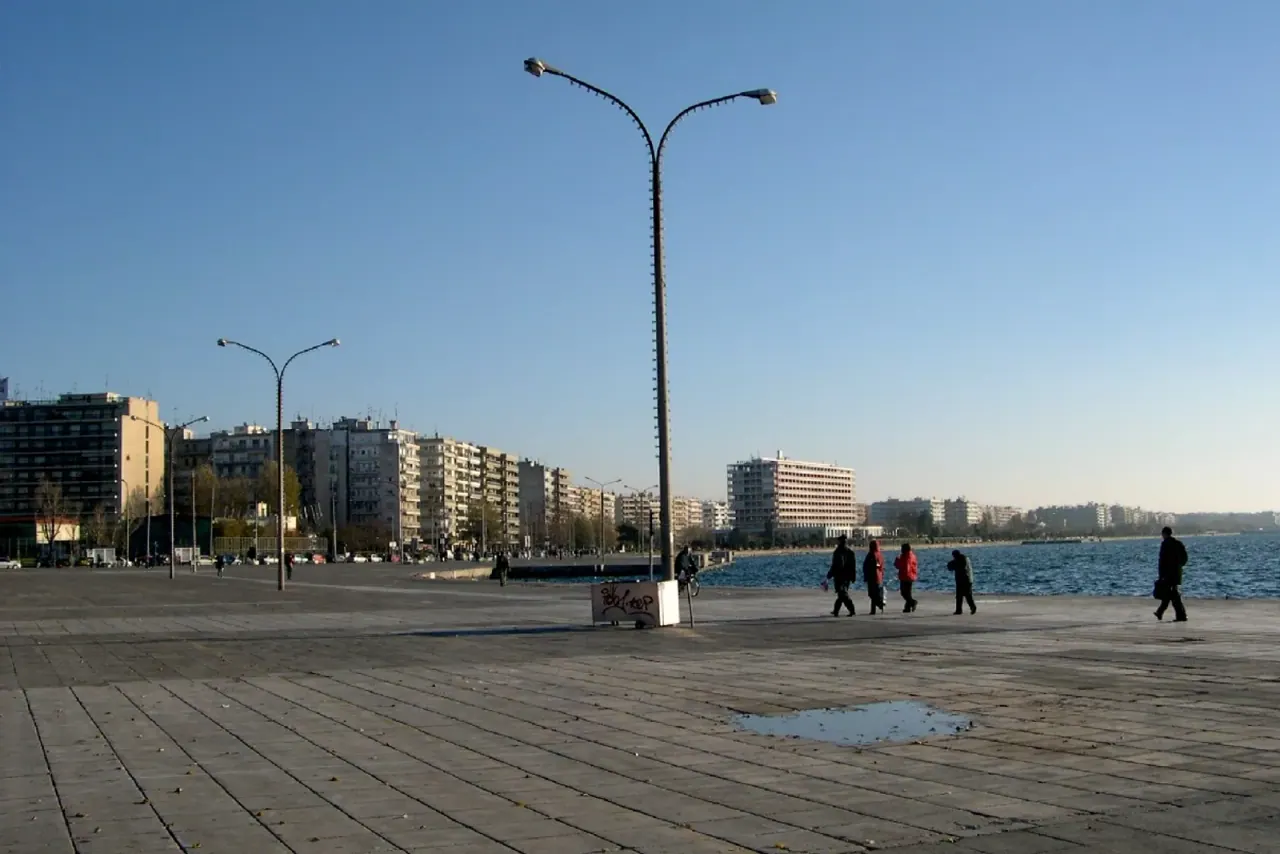
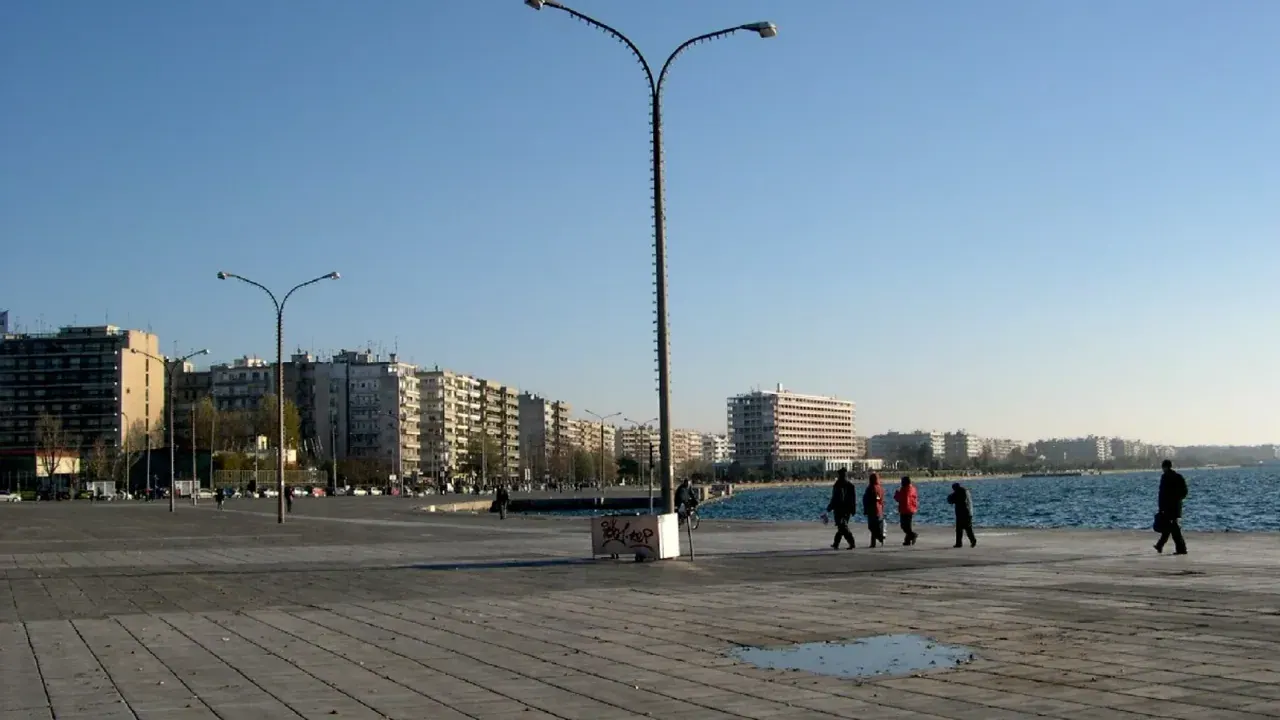
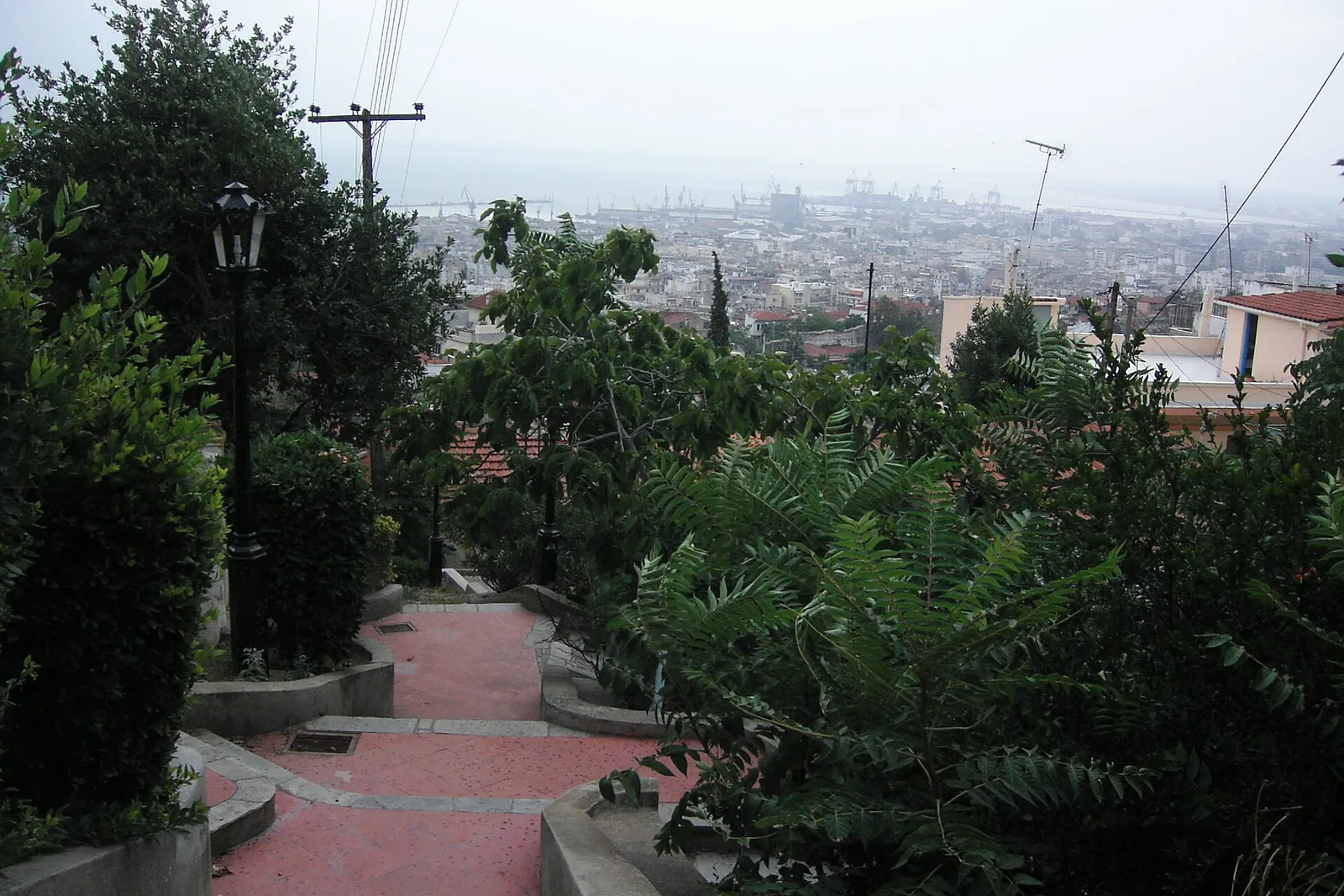
It also holds the second-largest collection of Byzantine monuments in the world, fifteen of them jointly inscribed on the UNESCO World Heritage list — the Rotunda and a clutch of gold-mosaic churches among them. Add the seafront promenade, the Ottoman-era Ano Poli upper town, and Greece's most quoted student nightlife, and you have a city that rewards slow days rather than a checklist.
Who should skip it
Be honest with yourself. If this is your one and only trip to Greece and you must see the Acropolis and Santorini, a northern detour will cost you days you don't have — go to Athens and the islands. If you need a beach outside your hotel door, Thessaloniki is a city, not a resort; the good swimming is a day trip to Halkidiki away. And if monuments bore you, the Byzantine churches that make the city special won't change your mind.
So — is it worth it?
For a second or third trip to Greece, a long weekend, or anyone who travels for food and atmosphere over postcards, Thessaloniki is one of the best-value city breaks in the country. Give it two to three days, base yourself near the waterfront, and pair it with Meteora or Halkidiki to round out the trip.
Frequently Asked Questions
How many days do you need in Thessaloniki?
Two to three days covers the landmarks, the food scene, and the waterfront at an unhurried pace. Add a day or two if you want a day trip to Meteora, Vergina, Mount Olympus, or the Halkidiki beaches, which each take most of a day round-trip.
Is Thessaloniki better than Athens?
Neither is "better" — they're different trips. Athens has the blockbuster ancient sites and easiest island access; Thessaloniki has the stronger food scene, a walkable centre, lower prices, and far lighter crowds. For a first visit to Greece, choose Athens; for a second, Thessaloniki. Our full Athens vs Thessaloniki comparison weighs it up in detail.
Is Thessaloniki worth visiting in winter?
Yes, if you come for the city rather than the sea. Winter is mild, museums and Byzantine churches stay open, and the café and taverna culture is at its coziest with few tourists. You won't be swimming, but the food, history, and nightlife run year-round.
What is Thessaloniki known for?
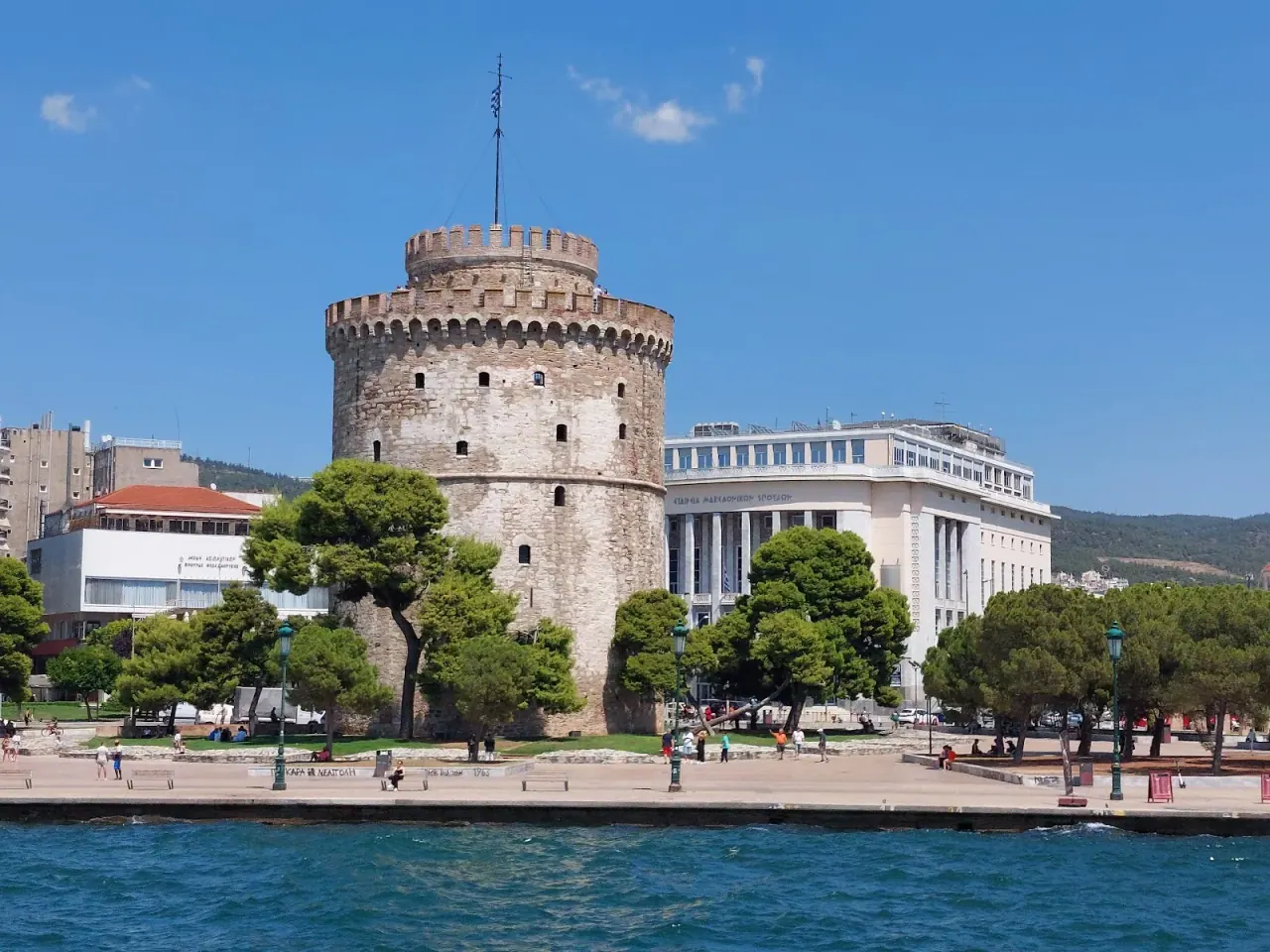
Thessaloniki is best known as Greece's food capital — the home of bougatsa, souvlaki and the country's richest meze and ouzo culture — and for its Byzantine monuments, the second-largest such collection in the world. It's also famous for its seafront White Tower, its lively student nightlife, and being the birthplace of modern Turkey's founder, Atatürk.
Is Thessaloniki safe for tourists?
Yes. Thessaloniki is a safe city with low levels of violent crime; the realistic risks are everyday ones like pickpocketing in crowded markets or on packed buses. It's comfortable for solo and female travellers with normal city common sense. See our is Thessaloniki safe guide for the full picture.
Do they speak English in Thessaloniki?
Yes, widely enough that you'll have no trouble getting by. Thessaloniki is a big university city and a tourist destination, so English is common with younger people and in hotels, restaurants, shops and at the main sights, and menus and signs in the centre are often bilingual. You'll find less English among older residents and in quieter neighbourhoods, so a few Greek words go a long way — our practical-info guide has a handful of useful phrases.
Do I need a visa or ETIAS to visit Thessaloniki?
Greece is in the EU's Schengen area, so visitors from visa-exempt countries — the US, UK, Canada, Australia and many others — don't need a visa for short stays (up to 90 days in any 180). Two newer border systems are worth knowing: the EES (Entry/Exit System), which digitally records your photo and fingerprints on arrival, has been fully operational across the Schengen area since April 2026 and needs no application; ETIAS, a roughly €20 pre-travel authorisation (free for under-18s and over-70s, who still need to apply) for the same visa-exempt travellers, is expected to launch in late 2026 with a transition period into 2027, so it isn't required yet — check its status if you're travelling around then. EU/EEA and Schengen nationals need neither.