Ask three locals where to shop in Thessaloniki and you'll get three different neighbourhoods, because the city doesn't have one shopping street — it has half a dozen, each doing something the others don't. Chase the wrong one for what you're after and you'll spend an afternoon in chain stores when you wanted a flea market, or vice versa. Here's how the districts actually divide up, so you go straight to the right one.
The districts, at a glance
| District | Best for | Vibe | Price level |
|---|---|---|---|
| Tsimiski | International & Greek chains | Busy, mainstream high street | €–€€ |
| Proxenou Koromila & Mitropoleos | Boutiques, designer, jewellery | Upscale, quieter | €€–€€€ |
| Valaoritou | Independent, young designers | Edgy, gallery-adjacent | € –€€ |
| Bit Bazaar | Antiques, vintage furniture | Scrappy, atmospheric | € –€€€ (bargain to find) |
| Modiano & Kapani markets | Food, spices, produce | Loud, working market | € |
| Ladadika | Souvenirs, wine shops, cafés-turned-shops | Restored, tourist-friendly | €–€€ |
| Mediterranean Cosmos | Everything under one roof | Suburban mall | €–€€ |
We walked Tsimiski to Valaoritou on a July 2026 afternoon — a fifteen-minute stroll covers the jump from international sportswear chains to a converted warehouse selling handmade ceramics, which tells you most of what you need to know about how compact this city's shopping actually is.
Tsimiski: the main high street
Tsimiski is Thessaloniki's Oxford Street — a long, pedestrian-heavy commercial spine running roughly parallel to the seafront through the city centre, lined with the international and Greek chains you'd expect: clothing brands, shoe stores, pharmacies, electronics, banks. It's not where you go for something distinctive, but it's the reliable answer if you need a phone charger, a jacket for cooler weather, or a fast, familiar shopping fix between sightseeing stops. It connects Aristotelous Square to the upscale Koromila stretch, so most visitors pass through it without specifically planning to.
Proxenou Koromila and Mitropoleos: the boutique streets
Running roughly parallel to Tsimiski, closer to the sea, Proxenou Koromila and Mitropoleos carry the city's upscale boutiques — independent fashion, jewellery, homeware and a scattering of designer names, in a quieter, better-dressed stretch of the centre. This is where locals go for a considered purchase rather than a quick errand — an occasion outfit, a piece of jewellery, a proper gift. It's also lined with some of the city's better cafés, so it doubles as a good coffee break between stops.
Valaoritou: independent and young
West of Tsimiski, Valaoritou is a former warehouse district — once the old Frankish Quarter, largely rebuilt after the great fire of 1917 — now known as the city's edgiest retail and nightlife pocket. By day it's small, independent shops: local designers, record stores, concept spaces selling ceramics or homeware from young Greek makers. By night the same streets turn into one of the city's busiest bar districts — see our best clubs guide for that side of it. Shopping here rewards wandering rather than a shopping list; the good finds aren't the ones you searched for.
Bit Bazaar: antiques and the past for sale
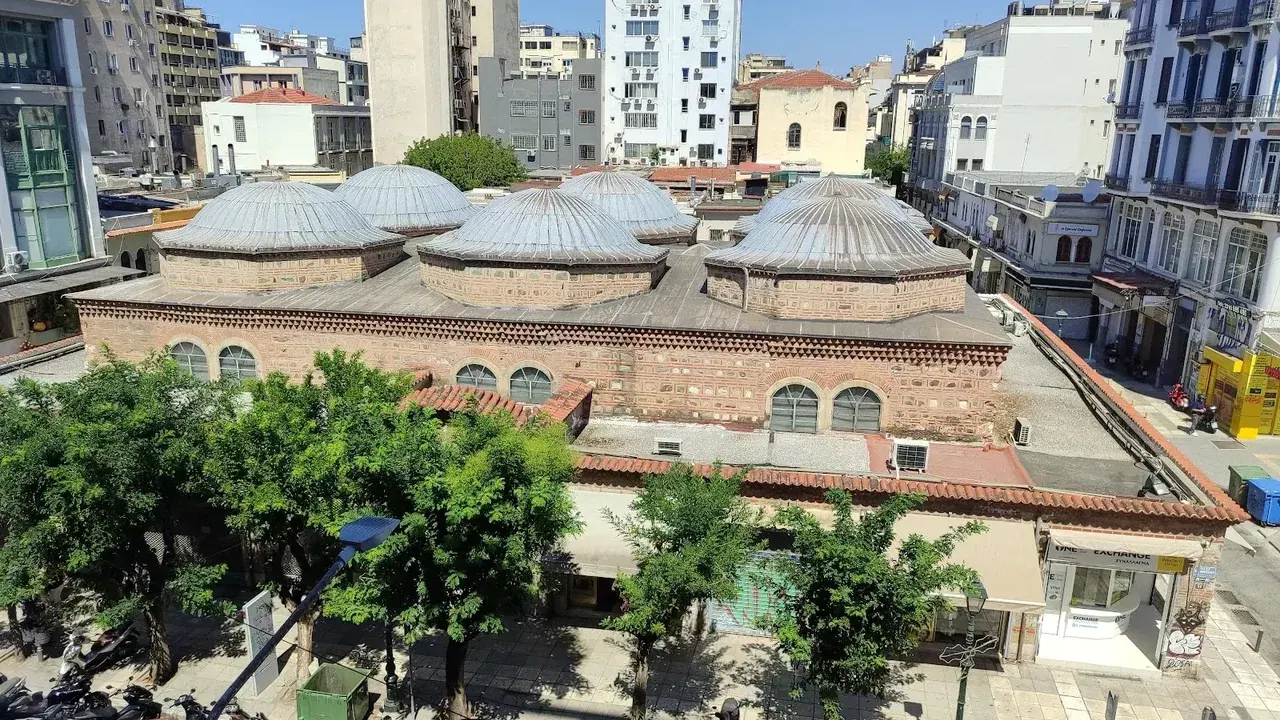
Tucked between Olympou, Venizelou and Tositsa streets, Bit Bazaar is a small pocket of two-storey houses once home to Greek refugees from Asia Minor in the 1920s, and today its ground floors are packed with antique dealers selling old furniture, vintage objects, records, coins and odds and ends — genuine flea-market browsing rather than a curated antiques mall. Prices aren't fixed the way they are on Tsimiski; a bit of friendly negotiation is normal here, and part of the point. In recent years cafés and meze bars have moved in alongside the antique shops, so it's as much a place to sit with a coffee as to actually buy something.
Modiano and Kapani: shopping for food
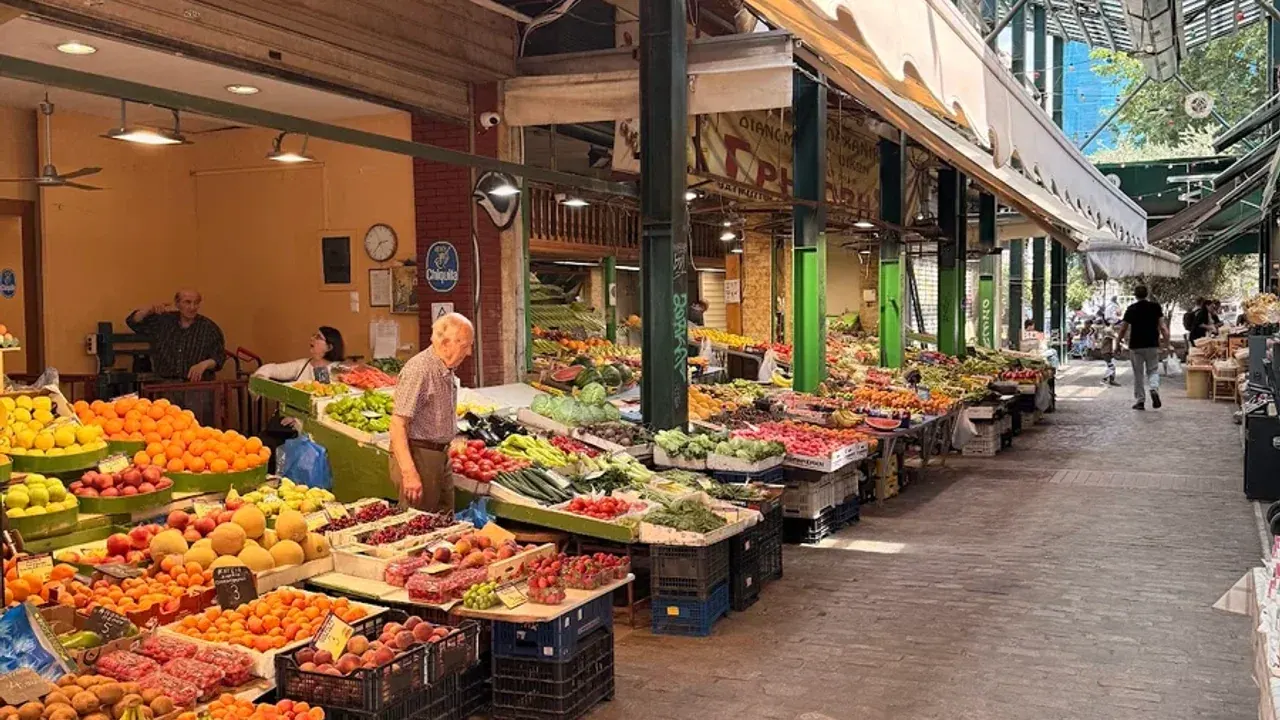
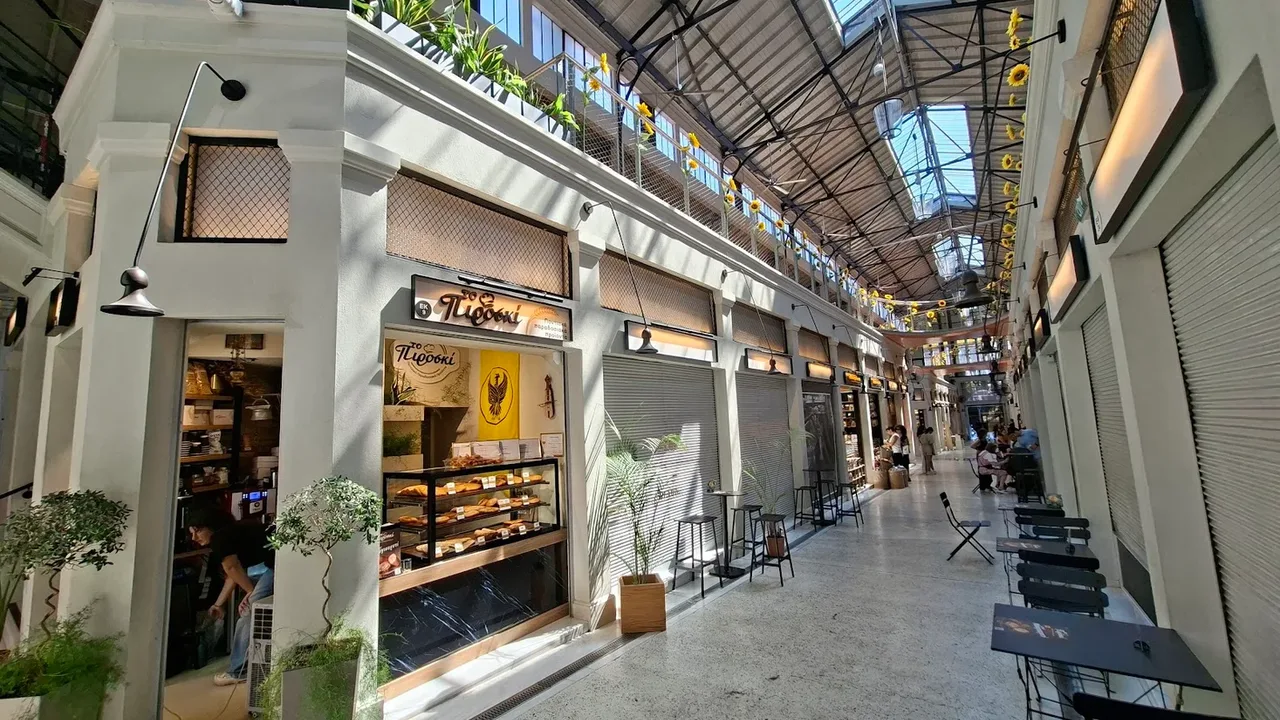
If you want to shop the way Thessalonians actually shop — for dinner, not souvenirs — head to the Modiano and Kapani markets, a block apart in the centre. Modiano, a restored 1922 covered hall reopened in 2022, is the polished version: delis, cheese counters, a bakery, spice stalls and grocers under a striking glass roof, good for picking up olive oil, cheese, spices or wine to take home. Kapani (officially Vlali), the older, rougher market next door, is where the actual daily food shopping happens — butchers, fishmongers, produce stalls, olives sold by the scoop — cheaper and louder, with none of Modiano's polish. Visit both: Modiano for a considered purchase, Kapani for the atmosphere and the prices. For food and drink to take home specifically, our what to buy in Thessaloniki guide covers exactly what's worth the suitcase space.
Ladadika: restored and tourist-friendly
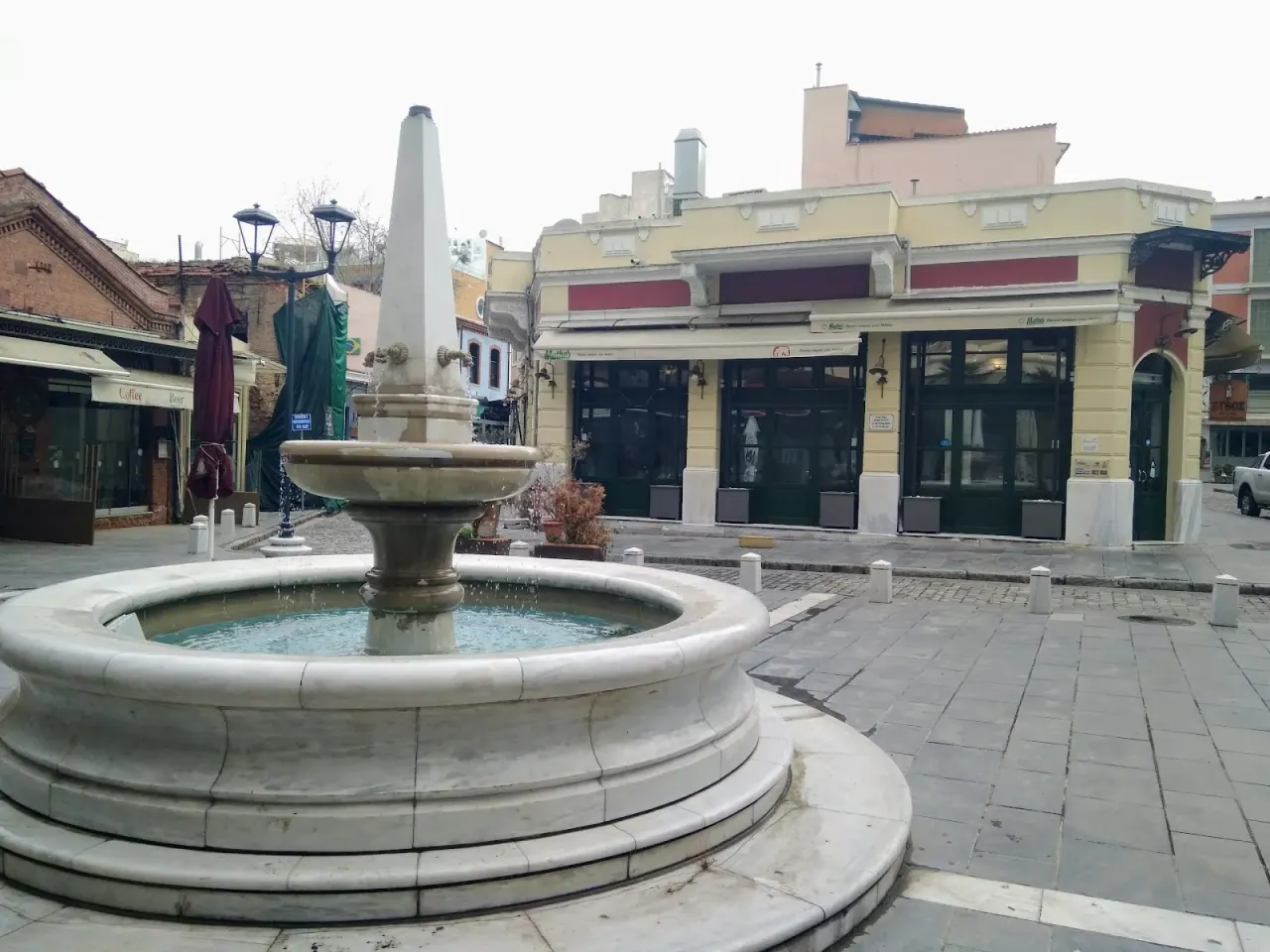
The old commercial quarter of Ladadika, once lined with olive-oil and spice traders, is now a restored pocket of pastel buildings mixing restaurants, bars and a run of gift and specialty shops — wine, local products, souvenirs with a bit more thought behind them than the mass-produced kind. It's compact and walkable, close to the port, and easy to fold into an evening out rather than a dedicated shopping trip.
Mediterranean Cosmos: the mall option
Out in Pylaia, a taxi or bus ride from the centre, Mediterranean Cosmos is the region's biggest mall — over 200 stores, a supermarket, cinemas and restaurants under one roof, running continuous hours without the split schedule smaller central shops follow (see our opening hours guide for the full pattern). It's not where the city's character is, but it's the practical answer if you need something specific fast, want air conditioning on a hot afternoon, or your central-shop hunt hit the mesimeri closure.
Bargaining: where it's normal, and where it isn't
Fixed prices are the rule almost everywhere in Thessaloniki — Tsimiski chains, Koromila boutiques and the market stalls at Modiano and Kapani all price to sell at the ticket, and haggling there reads as odd rather than savvy. Bit Bazaar is the clear exception: antique and vintage dealers there generally expect a bit of friendly back-and-forth, especially on higher-priced furniture pieces, and quoting a slightly inflated opening price is part of the normal rhythm of the district. Keep it good-natured and modest — a polite counteroffer, not an aggressive lowball — and don't try the same approach in a boutique or chain store, where it simply won't land.
Getting between the districts
Everything except Mediterranean Cosmos sits within a compact, walkable core — Tsimiski, Koromila, Valaoritou, Bit Bazaar, the markets and Ladadika are all within roughly a 20-minute walk of each other and Aristotelous Square. Comfortable shoes cover the whole circuit in a single day if you pace it around lunch and a coffee stop; our neighborhoods guide maps how these districts sit relative to where you might be staying. For Mediterranean Cosmos, budget a half-day round trip including transit.
Frequently Asked Questions
What is the main shopping street in Thessaloniki?
Tsimiski is Thessaloniki's principal commercial high street — a long pedestrian-heavy strip through the centre lined with international and Greek chain stores. For boutiques and independent shops, head instead to the parallel Proxenou Koromila and Mitropoleos streets, or Valaoritou for younger, more independent finds.
Where can I find local products and souvenirs in Thessaloniki?
The Modiano and Kapani covered markets are best for genuinely local food products — olive oil, cheese, spices, wine — while Ladadika's shops carry a more curated mix of local products and souvenirs alongside its restaurants and bars. Avoid the mass-produced souvenir stands right at major tourist landmarks if you want something with real local character.
Is Mediterranean Cosmos worth visiting?
It's worth it if you need something specific fast, want a broad selection of international brands under one roof, or you're travelling with kids and want the cinema and food court alongside shopping. It's out in Pylaia, a transit ride from the centre, so it's not a substitute for the city's walkable central shopping districts — think of it as a practical add-on, not a highlight.
What is Bit Bazaar in Thessaloniki?
Bit Bazaar is a small antiques and flea-market district tucked between Olympou, Venizelou and Tositsa streets, in a pocket of old two-storey houses once home to refugees from Asia Minor in the 1920s. Its ground-floor shops sell antique furniture, vintage objects and curios, with cafés and meze bars increasingly filling in alongside the dealers.
Are Thessaloniki markets open every day?
No — both Modiano and Kapani follow the general Greek retail schedule, meaning they're busiest on weekday mornings and closed on Sundays, with many individual stalls also observing the shorter Monday, Wednesday and Saturday hours common across Greek shops. Visit on a weekday morning for the fullest, liveliest version of either market.