Thessaloniki is a year-round city — it's a working Greek metropolis, not a beach resort that shutters in winter — but two windows stand out for visitors. The trick is that its peak isn't midsummer: August is hot, humid and partly emptied of locals, while the shoulder months pair warm days with a city that's fully alive. Here's when to go, month by month, with the weather, the festivals and the cheapest times laid out so you can match the trip to what you want.
The best months at a glance
The sweet spots are mid-April to early June and early September to mid-November — warm but not punishing, lively, and good value. Use this to scan the year at a glance before reading the detail.
| Season | Months | What it's like | Verdict |
|---|---|---|---|
| Spring | Apr–early Jun | Warm, green, mild evenings | Best overall |
| Summer | Jul–Aug | Hot (low 30s°C), humid, locals away | Hottest, avoid if you can |
| Autumn | Sep–mid-Nov | Warm, festival season, sea still swimmable early | Best for culture |
| Winter | Dec–Mar | Mild but rainy, cosy, cheapest | Cheapest, fewest crowds |
If you can only travel in summer, it's still very doable — you just plan around the heat (see below).
When is the best time to visit Thessaloniki?
The single best stretch is late spring (mid-April to early June): daytime temperatures sit in the comfortable low-to-mid 20s°C, the waterfront and Ano Poli are at their greenest, and café terraces are full without the August crush. Early autumn (September to mid-November) runs it a close second and is arguably better for culture — the weather is still warm, the sea off Halkidiki is swimmable into early October, and the city's festival calendar is at its busiest. Both windows avoid the peak-summer heat and the winter rain while keeping the city fully open.
Thessaloniki weather by season
- Spring (Mar–May): Cool and occasionally wet early on, warming fast. By May, days are reliably warm and evenings pleasant — prime walking and sightseeing weather.
- Summer (Jun–Aug): Hot and humid, with July and August average highs in the low 30s°C (and hotter on heatwave days) and many locals away on the coast. Mornings and late evenings are best; midday is for museums, long lunches and shade.
- Autumn (Sep–Nov): September stays summery, October is mild and golden, November cools and turns wetter. The cultural season peaks now.
- Winter (Dec–Feb): Mild by Northern-European standards but genuinely rainy, with chilly, damp spells. The city stays busy — Christmas lights, cafés and nightlife carry it through.
Thessaloniki weather month by month
Average daily high, overnight low, and sea temperature, in °C:
| Month | Avg high | Avg low | Sea |
|---|---|---|---|
| January | 8 | 1 | 13 |
| February | 10 | 2 | 12 |
| March | 14 | 4 | 13 |
| April | 19 | 7 | 14 |
| May | 24 | 12 | 18 |
| June | 29 | 16 | 23 |
| July | 31 | 18 | 25 |
| August | 31 | 18 | 26 |
| September | 27 | 15 | 24 |
| October | 21 | 10 | 21 |
| November | 15 | 6 | 17 |
| December | 10 | 2 | 15 |
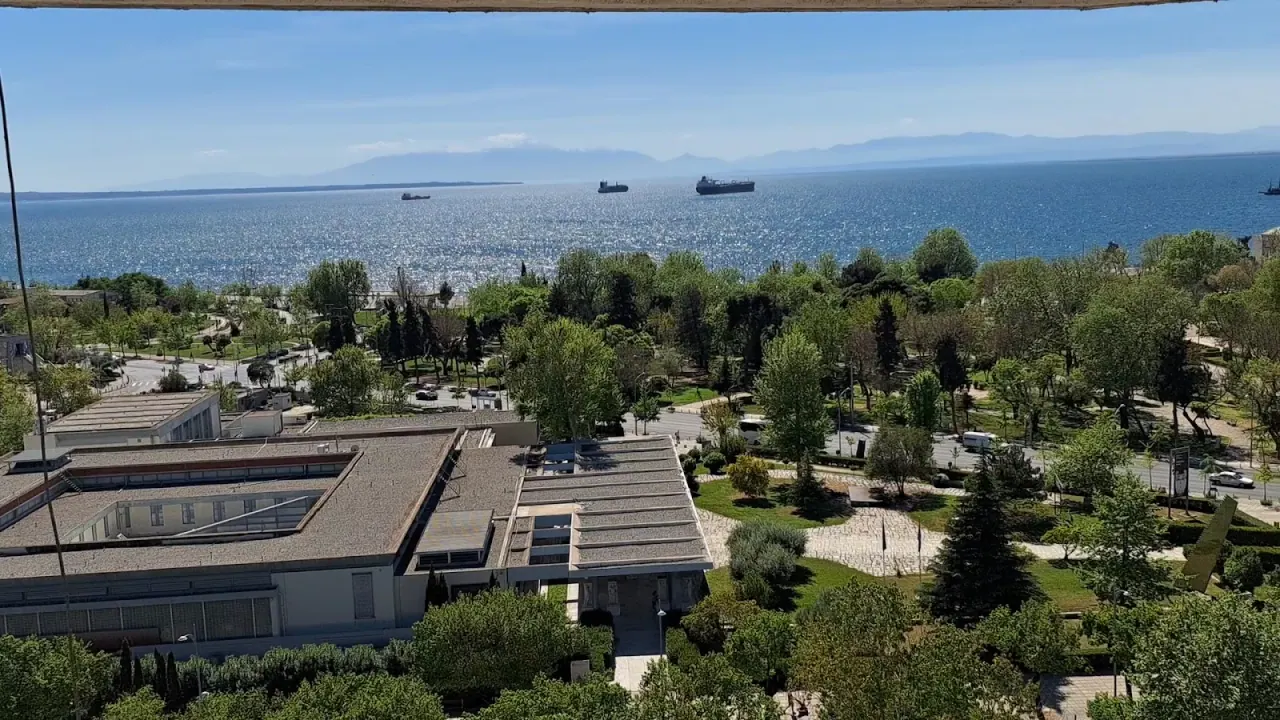
The sea warms to a comfortable 23–26°C from around June to September, and stays bearable into early October — but note you don't swim off the city's own waterfront (the Thermaic Gulf there is a working harbour front, not a beach). For a swim you head out of town: the beaches at Perea and the coast just south, or, best of all, the peninsulas of Halkidiki about an hour away. July and August are the hot, dry peak; the wettest months are the late-autumn and winter stretch.
Festivals and events
Autumn is the city's cultural high season, which is part of why September–November is such a strong window (for the full year, see our events & festivals calendar):
- Thessaloniki International Fair (TIF) — the country's biggest trade fair, in September; expect a busy, energised (and pricier) city.
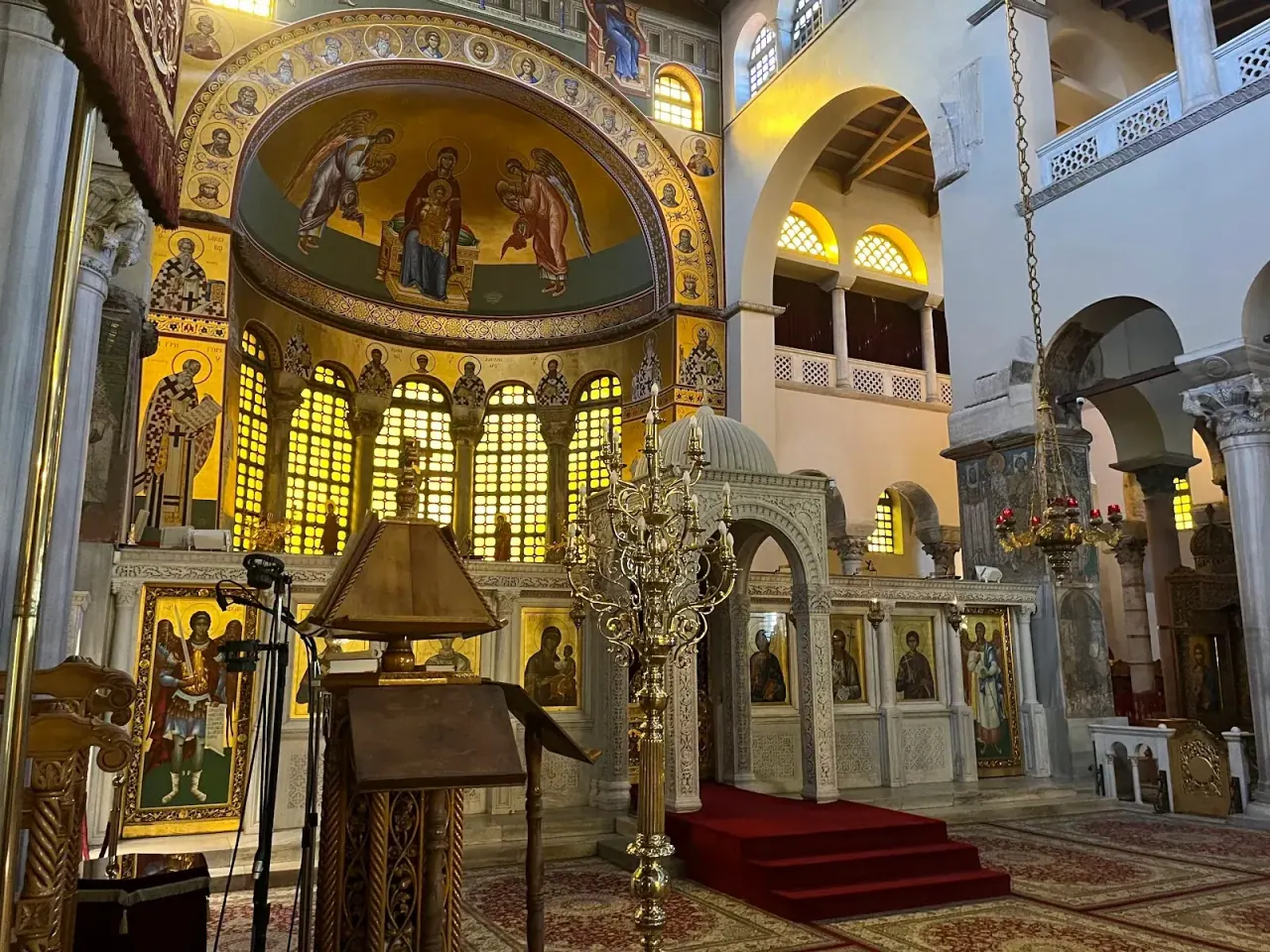
- Dimitria Festival — the city's flagship cultural festival of music, theatre and art, running through October (1–24 October in 2026) around the feast of patron saint Demetrius (26 October).
- Thessaloniki International Film Festival — a major event each November, filling cinemas and the port warehouses.
- Ohi Day — Greece's grand armed-forces parade takes over the seafront on 28 October, days after the Agios Dimitrios feast; expect crowds and closed central streets.
- Thessaloniki Pride — Northern Greece's biggest LGBTQ+ celebration brings a parade through the centre and a waterfront concert each June, a lively highlight that lands right in the prime early-summer window.
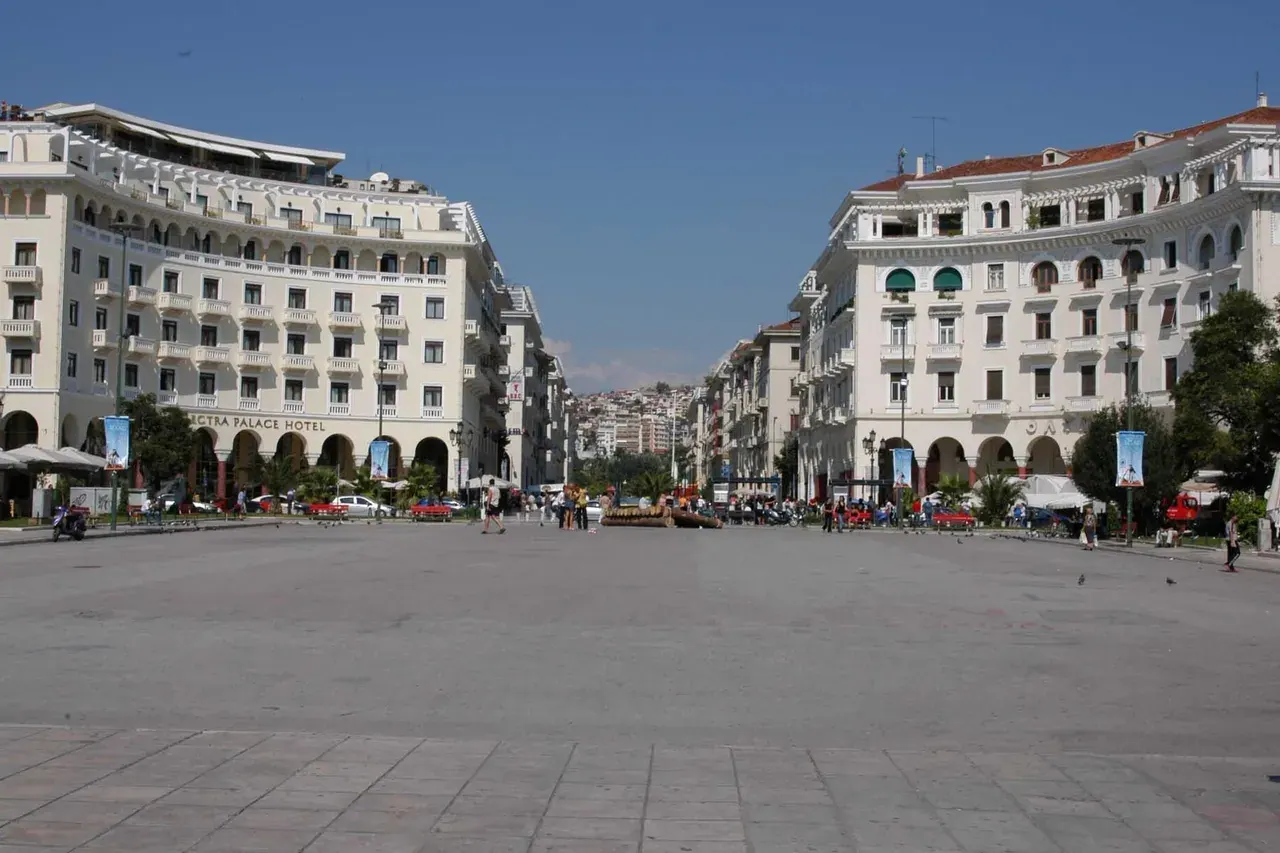
- Christmas — lights, markets and a festive Aristotelous Square through December into the New Year.
One spring caveat: Greek Orthodox Easter is a movable feast that falls on 2 May in 2027 (it shifts year to year), and it's the year's biggest holiday — candlelit Holy Week processions and a fireworks-lit midnight Resurrection, magical to witness, but many shops, restaurants and sights close or cut hours over the long weekend as locals head to their villages. Time a spring trip a week either side of Easter, or come for Easter knowing the city will be quieter. See the full what's on list for dates.
The cheapest time to visit
Winter (December to March), excluding the Christmas–New Year peak, is the cheapest time to come: hotel rates drop — see the cheapest places to stay — flights are cheaper, and you'll share the sights with far fewer tourists. You trade beach weather and long days for rain and shorter daylight, but the city's indoor life — museums, tavernas, cafés, nightlife — is built for exactly this. For the best balance of price and weather, the shoulder edges (late April, or late October to mid-November) give you mild days at lower-than-peak rates.
Matching the season to your trip
- First visit, best all-round: late April–early June.
- Culture, festivals, swimmable sea: September–early October.
- Lowest prices, fewest crowds: January–March.
- Christmas atmosphere: December.
- Summer regardless: plan early starts, midday museums, and a day trip to the mountains or coast to escape the city heat.
Whenever you go, see our practical-info guide for what to pack and how to get around, and pair this with where to stay, how many days you need and the 3-day itinerary to build the trip.
Frequently Asked Questions
What is the best time to visit Thessaloniki?
Late spring (mid-April to early June) and early autumn (September to mid-November) are best — warm but not too hot, lively, and good value. These shoulder windows avoid the August heat and humidity and the wetter winter, while the city is fully open and, in autumn, in full festival swing.
What is the hottest month in Thessaloniki?
August is the hottest, with average highs in the low 30s°C (hotter during heatwaves) and high humidity, and it's also when many locals leave for the coast. July is similar. If you visit in midsummer, plan early-morning sightseeing, midday museum stops, and day trips to the mountains or sea to escape the city heat.
When is the cheapest time to visit Thessaloniki?
Winter, from December to March (excluding the Christmas and New Year peak), is cheapest — lower hotel rates, cheaper flights and few crowds. The weather is mild but rainy. For a better price-to-weather balance, the shoulder edges of late October to mid-November or late April offer mild days at below-peak rates.
Is Thessaloniki worth visiting in winter?
Yes. Thessaloniki is a working city, not a seasonal resort, so its museums, tavernas, cafés and nightlife stay fully open in winter. December adds Christmas lights and markets. You'll face rain and shorter days, but you'll also find the lowest prices and the sights largely to yourself.
Does it rain a lot in Thessaloniki?
No — Thessaloniki has a modest annual rainfall of around 650 mm, concentrated in late autumn and winter. The wettest months are November and December (roughly 50–75 mm each), while July and August are very dry (often under 30 mm), so the summer sightseeing season is reliably rain-free. Occasional showers pass through in spring. Rain is really only a consideration for a winter trip, when mild, damp spells are the trade-off for the year's lowest prices.