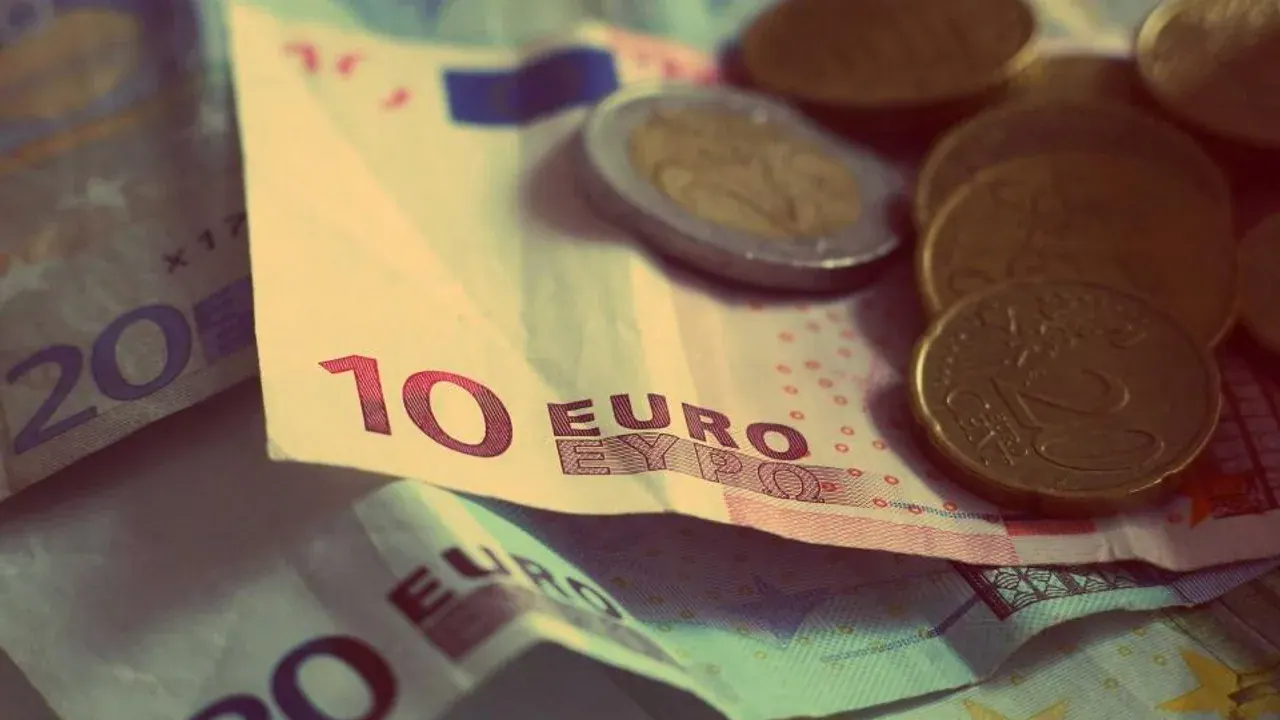
If you're used to the American default of tipping 18–20% on every restaurant bill, Thessaloniki will feel like a relief — and possibly a source of low-grade anxiety, because it's genuinely unclear from the outside how much (if anything) you're supposed to leave. Greek tipping culture runs on rounding and good judgement rather than a fixed percentage, and it's easy to either underdo it out of confusion or overtip out of habit. Here's how it actually works.
Thessaloniki tipping at a glance
| Service | Typical tip | Notes |
|---|---|---|
| Sit-down restaurant / taverna | 5–10%, or round up | Cash on the table is best; card tips aren't always split fairly |
| Café / coffee | Round up to the nearest euro | Not expected, always appreciated |
| Taxi | Round up the fare | €1–2 extra for a short ride, more for airport runs with luggage |
| Hotel housekeeping | €1–2 per day | Leave daily, not just at checkout |
| Bellhop / porter | €1–2 per bag | €2–3 for heavy or multiple bags |
| Tour guide | €5–10 per person | For a half or full-day guided tour |
| Fine dining | 10–15% | Only for genuinely excellent service |
Do you have to tip in Greece?
No — and this is the single most important thing to understand before you land. Tipping in Greece is never legally mandatory and restaurant staff don't rely on it the way US servers structurally do; service is factored into regular wages. That means a meal with no tip left isn't rude, it's just unremarkable. What actually happens in practice, though, is that Greeks and savvy visitors alike round up or leave a modest tip for good service, because it's a normal, low-friction courtesy — not because anyone's income depends on it.
This matters for how you should think about the numbers below: they're a ceiling for "excellent, attentive service," not a floor you have to clear every time. A rushed lunch at a busy souvlaki counter doesn't need the same treatment as a two-hour dinner where the waiter steered you through the menu.
Restaurants and tavernas
At a typical taverna or casual restaurant, 5–10% is the going rate for solid service, and plenty of locals simply round the bill up to the next convenient number — a €27 bill becomes €30, no math required. At the city's growing crop of fine-dining tables (the kind of place reviewed in our best fine dining guide), 10–15% for a genuinely excellent meal is more the norm, closer to what you'd expect in a similar-tier restaurant in Western Europe.
One wrinkle worth knowing: some restaurants, particularly in touristy or upscale areas, add a small cover charge (couvert) to the bill automatically — typically covering bread, water or table setting, a few euros per person. This is not a tip and it's not optional once it's on the bill; check for it before deciding how much extra to leave, so you're not accidentally doubling up on what's essentially a service fee already covering that base.
If you're paying by card, be aware that tips added to a card payment don't always make it directly to your server the way cash on the table does — cash is the more reliable way to make sure the person who served you actually gets it.
Cafés and bars
Thessaloniki runs on café culture — see our Greek coffee culture guide for how central this is to the city's daily rhythm — and tipping here is the lightest touch of all. Rounding up to the next euro (a €3.40 frappé becomes €4) is completely normal and appreciated; nobody expects a percentage-based tip for a coffee order, and leaving nothing at all is unremarkable if you're paying by card and moving on quickly.
Taxis
Greek taxi drivers don't expect a real tip, but rounding the metered fare up is standard — if the meter reads €7.40, handing over €8 or €9 and waving off the change is the norm. For longer trips, like an airport transfer or a day out to Halkidiki, adding €5–10 for a driver who helped with heavy luggage or waited around is a fair acknowledgement, though still entirely optional.
Hotels
Hotel tipping follows familiar international patterns, scaled to a Greek city rather than a luxury resort:
- Housekeeping: €1–2 per day, left visibly in the room (on the pillow or desk) rather than saved for checkout, since a different person may clean the room daily.
- Porters/bellhops: €1–2 per bag for standard luggage, €2–3 if you're heavy-laden or it's a multi-flight climb.
- Concierge: only tip if they've genuinely gone out of their way — a hard-to-get dinner reservation, tickets to something sold out, real local knowledge that saved you time. €5–10 for that kind of help is generous but appropriate.
Tour guides
For a half-day or full-day guided tour — a walking tour of Ano Poli, a food tour, or a day trip out to Meteora — €5–10 per person is the standard range for a guide who did a good job, more for a private tour or an especially memorable experience.
Why Greek tipping culture works differently
It helps to understand the underlying reason Greek tipping norms feel looser than what a lot of visitors are used to: this isn't a country where the service industry's base pay assumes tips will make up the difference, unlike the US model where a server's legal minimum wage can be dramatically lower than the standard minimum specifically because tips are expected to close the gap. Greek hospitality workers earn a standard wage regardless of how generous (or not) the table in front of them turns out to be. That structural difference is why a Greek waiter isn't quietly resentful over an untipped table the way an American server legitimately might be — the stakes for the individual worker are simply lower.
That said, tipping culture has been shifting gradually across Greece as tourism numbers climb and more visitors arrive with higher tipping expectations baked in from home. In heavily touristed areas of Thessaloniki — the streets immediately around the White Tower and the main squares — you may notice service staff more visibly expecting something, simply because enough visitors have set that precedent. It doesn't change the underlying etiquette, but it's worth being aware of as context for why the "vibe" can feel slightly different a block away from where locals actually eat.
A quick note on rounding vs. calculating
Locals rarely pull out a calculator for a tip — the default move across almost every category above is rounding to a clean number rather than computing a precise percentage. A €18.50 taverna bill becomes €20; a €6.80 taxi fare becomes €8; a €3.20 coffee becomes €4. If you're new to the city and unsure what "enough" looks like in the moment, rounding up to the next convenient euro or five-euro mark is a reliable substitute for doing restaurant-tipping math in your head, and it reads as completely normal wherever you do it.
Frequently Asked Questions
Is tipping mandatory in Greece?
No. Tipping is never legally required in Greece, and restaurant and hotel staff are paid regular wages rather than relying on gratuities the way US service workers often do. Tipping is a courtesy for good service, not an obligation — leaving nothing after an ordinary meal is not considered rude.
How much should I tip at a restaurant in Thessaloniki?
For a typical taverna or casual restaurant, 5–10% or simply rounding the bill up to a convenient number is standard for good service. At fine-dining restaurants, 10–15% is more common for an excellent meal. Cash left on the table is more reliable than a card tip for making sure your server actually receives it.
What is a couvert charge in Greece?
A couvert (cover charge) is a small per-person fee some restaurants, especially in tourist or upscale areas, add automatically to the bill to cover bread, water or table setting. It's not a tip and isn't optional once billed — check for it before calculating any additional tip so you don't double up.
Do you tip taxi drivers in Thessaloniki?
Not in the sense of a percentage — the norm is simply rounding the metered fare up to the next euro or two. For longer trips, like an airport run with heavy luggage, adding €5–10 is a fair extra, but it's not expected the way it might be in the US.