Yes — Thessaloniki is a safe city for visitors. Violent crime is rare, and the things that go wrong are almost always opportunistic petty theft in predictable places, avoidable with the same street-sense you'd use in any big city. Thessaloniki's reputation as a relaxed, friendly place holds up — with a few sensible caveats. Here's a clear-eyed look at the real risks, where to pay attention, and how to handle the rare problem.
Safety at a glance
The pattern is consistent: low violent-crime risk, some opportunistic petty theft in predictable places. By category:
| Concern | Risk level | Notes |
|---|---|---|
| Violent crime | Low | Rare against tourists |
| Pickpocketing | Low–moderate | Crowds, buses, markets |
| Scams | Low | Minor; common-sense beats them |
| Solo travel | Low | Generally very safe |
| Female solo travel | Low | Safe with standard precautions |
| At night, lit central areas | Low | Busy and well-policed |
In short: Thessaloniki is a low-risk city where your wallet needs more watching than you do.
How safe is Thessaloniki, really?
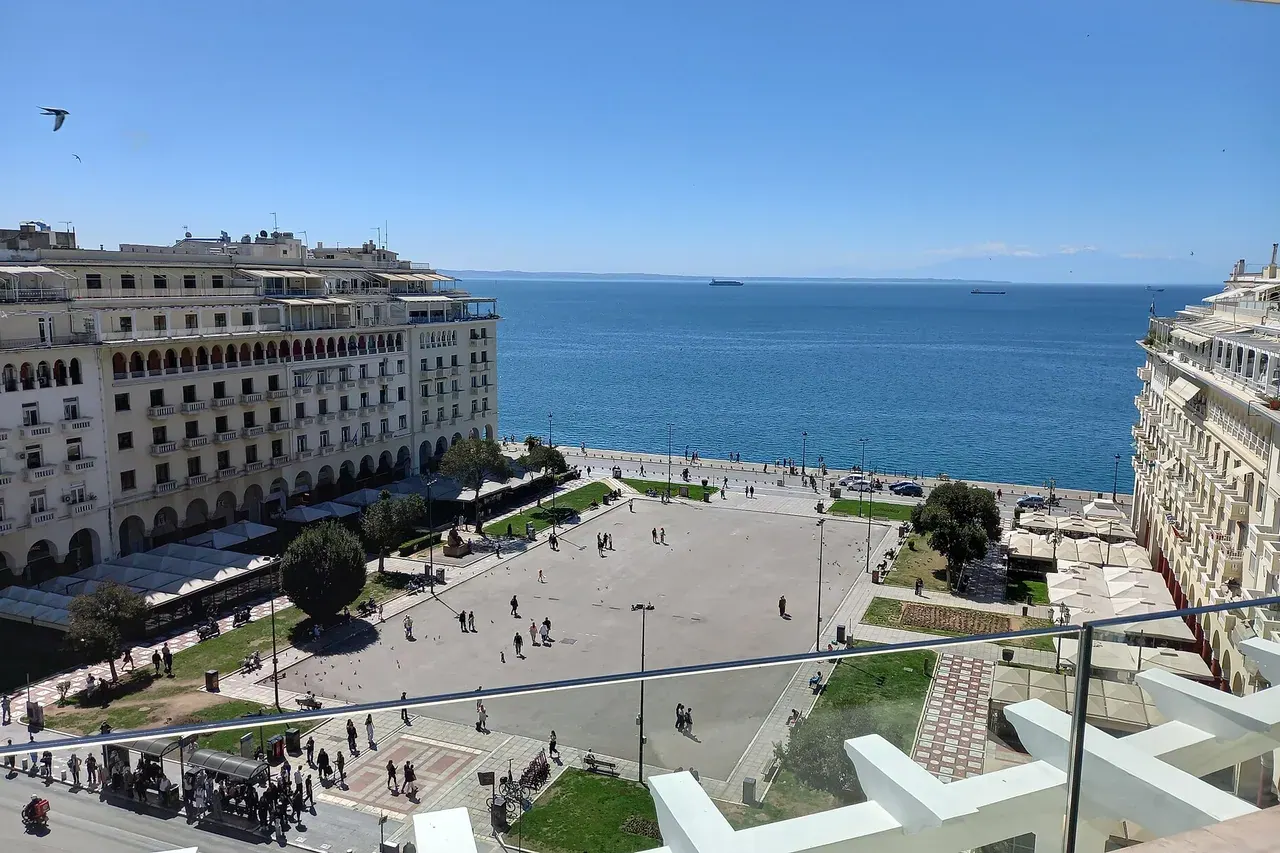
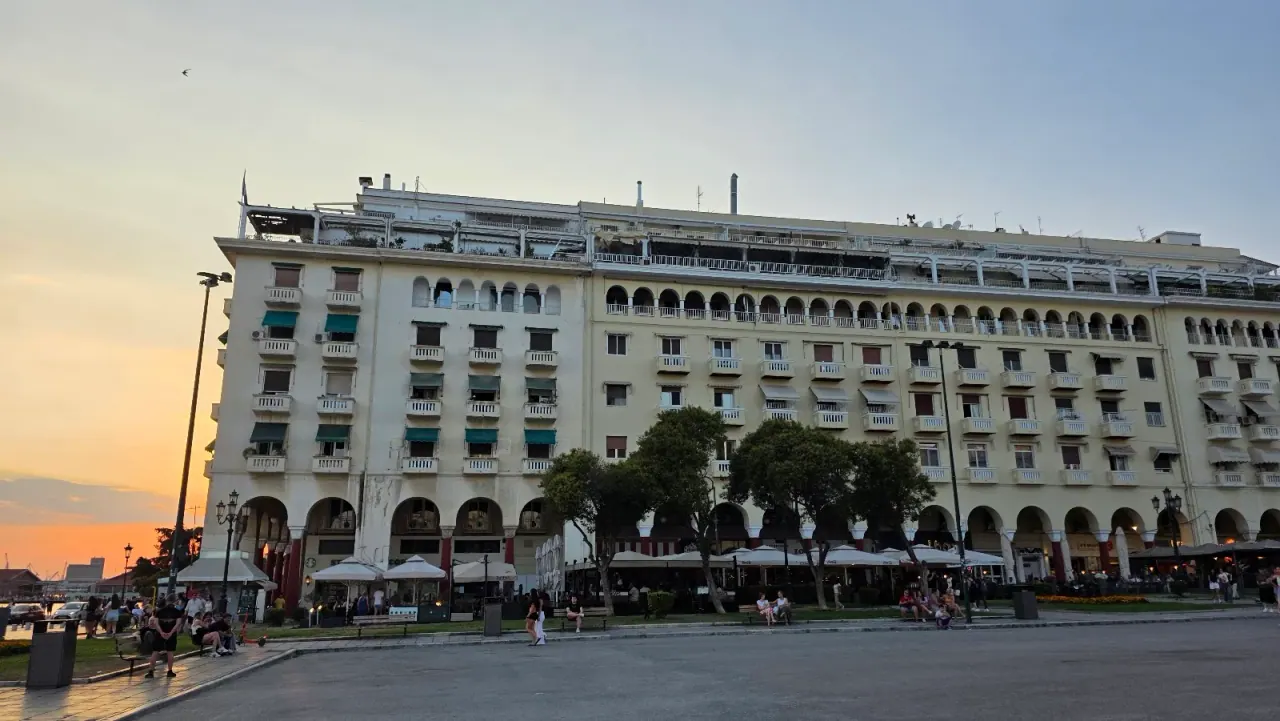
Thessaloniki is generally considered a low-risk destination, with violent crime rare and notably low compared to many European cities of its size. The realistic concern for visitors is pickpocketing and minor scams, not physical danger. It's a large, lively university city that stays busy late, and the central areas — Aristotelous, the waterfront, Ladadika, the markets — are full of people well into the night, which is itself a kind of safety. Treat it like any city: aware, not anxious.
Pickpocketing and scams
The one genuine risk is opportunistic theft in crowded settings:
- Where — busy Aristotelous Square, the Modiano and Kapani markets, public buses, and around major landmarks and transport hubs.
- How to avoid it — keep your phone and wallet in a front or zipped pocket, wear a cross-body bag in front of you in crowds, and stay alert when boarding a packed bus.
- Scams are minor and uncommon — the usual overpriced-taxi or padded-bill risks. Agree taxi fares or insist on the meter, and check restaurant bills.
Lose nothing valuable you can't afford to lose, and the worst-case here is a bad afternoon, not a dangerous one.
Areas and night-time
The tourist core is safe day and night, but a little geography helps after dark:
- Be a bit more aware in poorly lit streets, the areas west of the centre after dark, and around the train station late at night, where petty crime is marginally more common.
- Avoid isolated spots at night — empty stretches of beach or unlit parks, as anywhere.
- Stick to the busy, lit areas — the waterfront, Aristotelous, Ladadika and Valaoritou are lively and fine late, which is where the nightlife is anyway.
Solo and female travellers
Thessaloniki is a welcoming city for solo travellers, including women, and is broadly comfortable to explore alone with standard precautions. Sensible habits go a long way: use verified accommodation with secure entry, don't broadcast ride or room details publicly, keep emergency contacts handy, and trust your instincts about a street or situation. The student population keeps the centre young, busy and used to visitors — solo diners and walkers are entirely normal here. Our full solo travel guide covers how to meet people, eat alone and make the most of the city on your own.
Emergency numbers
Save these before you go:
| Service | Number |
|---|---|
| European emergency (all) | 112 |
| Police | 100 |
| Ambulance (EKAB) | 166 |
| Fire service | 199 |
| Tourist Police | 171 |
| Coast Guard | 108 |
112 works from any phone, free, with English-speaking operators; the Tourist Police (171) specifically help visitors. For the far more common minor stuff — a headache, a fever, an upset stomach at an awkward hour — a pharmacy rather than an ambulance is the answer, and our pharmacies guide explains the rotating duty system that keeps one open overnight and on Sundays. For more logistics see our practical info page.
A few sensible habits
- Keep valuables zipped and close in crowds and on buses.
- Use the meter or agree a taxi fare upfront; keep small change.
- Stay in busy, lit areas late at night; avoid isolated beaches and parks after dark.
- Keep a copy of your passport and your emergency numbers on your phone.
- Get travel insurance — it's the cheapest safety net there is.
None of this is Thessaloniki-specific; it's just good travel sense. With it, the city is a genuinely easy, relaxed place to visit — which is a big part of why it's worth the trip.
Frequently Asked Questions
Is Thessaloniki safe for tourists?
Yes — it's considered a low-risk city, with violent crime rare against visitors. The main concern is opportunistic pickpocketing in crowded areas like Aristotelous Square, the markets and public buses. With standard precautions — valuables zipped away, awareness in crowds — most visitors have no trouble at all.
Is Thessaloniki safe for solo female travellers?
Generally yes. Thessaloniki is welcoming to solo female travellers and comfortable to explore alone with standard precautions: verified accommodation with secure entry, not sharing ride or room details publicly, keeping emergency contacts handy, and sticking to busy, lit areas at night. The lively student-city centre makes solo exploring normal.
Are there areas to avoid in Thessaloniki?
No major no-go zones, but be a little more aware after dark in poorly lit streets, the areas west of the centre, and around the train station late at night, where petty crime is marginally more common. Avoid isolated beaches and unlit parks at night, and stick to the busy central areas.
What is the emergency number in Thessaloniki?
Dial 112, the free European emergency number, which works from any phone and has English-speaking operators for police, ambulance and fire. Other numbers are 100 (police), 166 (ambulance), 199 (fire) and 171 (Tourist Police), who specifically assist visitors.