Packing a drone for a Greek trip is tempting — the light, the coastline, the ancient stone all beg to be filmed from above — and it's also the single most common way a well-meaning visitor lands in real trouble here. Greece isn't a lawless free-for-all where you launch from any beach, nor is it an outright ban; it sits inside the EU's aviation framework, layered with sharp national restrictions around exactly the things you most want to film. Before your drone leaves your bag, you need to know which rules apply, where the hard no-fly lines are, and why "I didn't know" is an expensive sentence at an archaeological site. This regulatory landscape changes, so read this as orientation and verify the current rules before you fly.
The rules at a glance
Greece follows the EU/EASA drone framework (Regulation (EU) 2019/947), administered nationally by the Hellenic Civil Aviation Authority (HCAA). Most tourist flying falls in the "open" category, split into three subcategories by drone weight and how close you fly to people.
| Subcategory | Roughly what it covers | Distance from people |
|---|---|---|
| A1 | Lightest drones, incl. sub-250g | May fly over uninvolved people (never over crowds/gatherings) |
| A2 | Mid-weight drones with the right certificate | Keep at least ~30 m (down to ~5 m in low-speed mode) from people |
| A3 | Heavier drones, "far from people" | Keep well clear — typically ~150 m from residential, commercial or industrial areas |
Two things sit above all of this and matter more than the subcategory nuance: you must be registered as an operator, and vast swathes of the places you'd want to fill — near airports, over archaeological sites, near military zones — are off-limits without special permission. The subcategory tells you how you may fly; the zone map tells you whether you may fly at all, and the zone map is where visitors come unstuck.
Registration: do it before you travel
Under the EU framework, it's the operator (you, the person responsible) who registers, not each individual drone. Registration is required for essentially any drone that has a camera or weighs 250 g or more — which covers virtually every drone a traveller brings. You register with the aviation authority of your country of residence, complete the basic A1/A3 online competency test where required, and display your operator number on the aircraft.
The convenient part for European visitors: an EASA operator registration and A1/A3 certificate obtained in your home EU/EEA country is valid across the EU, Greece included — you don't register twice. Non-EU visitors (US, UK and others) face a more involved picture and should check the HCAA's current requirements for foreign operators well before travelling, since a home-country registration from outside the EASA system may not transfer. Remote ID must generally be active in flight. Whatever your origin, sort registration and any certificate before you land — you cannot fix it on a beach.
The hard no-fly zones
This is the part to read twice. Greece places firm restrictions on the airspace tourists most want to use:
- Airports and their surroundings. Flying near any airport is prohibited without coordination. In this city that means the area around Thessaloniki Airport (Makedonia, SKG) is a no-go zone — do not launch anywhere near the eastern approaches or the airport's controlled airspace.
- Archaeological sites and monuments. This is the big one, and it is real and strictly enforced. Flying a drone over or near an archaeological site or protected monument requires written permission from the Greek Ministry of Culture, which is rarely granted outside professional film and documentary work. The famous sites — the Acropolis, Delphi, Knossos — are prohibited zones without that permit, and the principle extends to protected heritage across the country. In and around Thessaloniki, the city's Byzantine and Roman monuments fall under the same protective regime.
- Military installations and sensitive areas. Prohibited, and Greece takes this seriously given its border geography.
- Crowds and gatherings. No open-category subcategory lets you fly over an assembly of people — beaches, festivals, waterfront crowds included.
- National parks and protected nature. Environmentally protected areas can carry their own flight restrictions on top of the aviation rules, so a remote-looking landscape is not automatically open airspace.
Before any flight, check the official airspace zones (Greece publishes a geographical zone system for drones through its aviation authority), and be prepared that popular, photogenic spots are frequently restricted precisely because they're airports, heritage sites, or busy public areas. When in doubt, don't launch — the enforcement risk around heritage sites in particular is not worth the shot.
Why Thessaloniki is tricky specifically
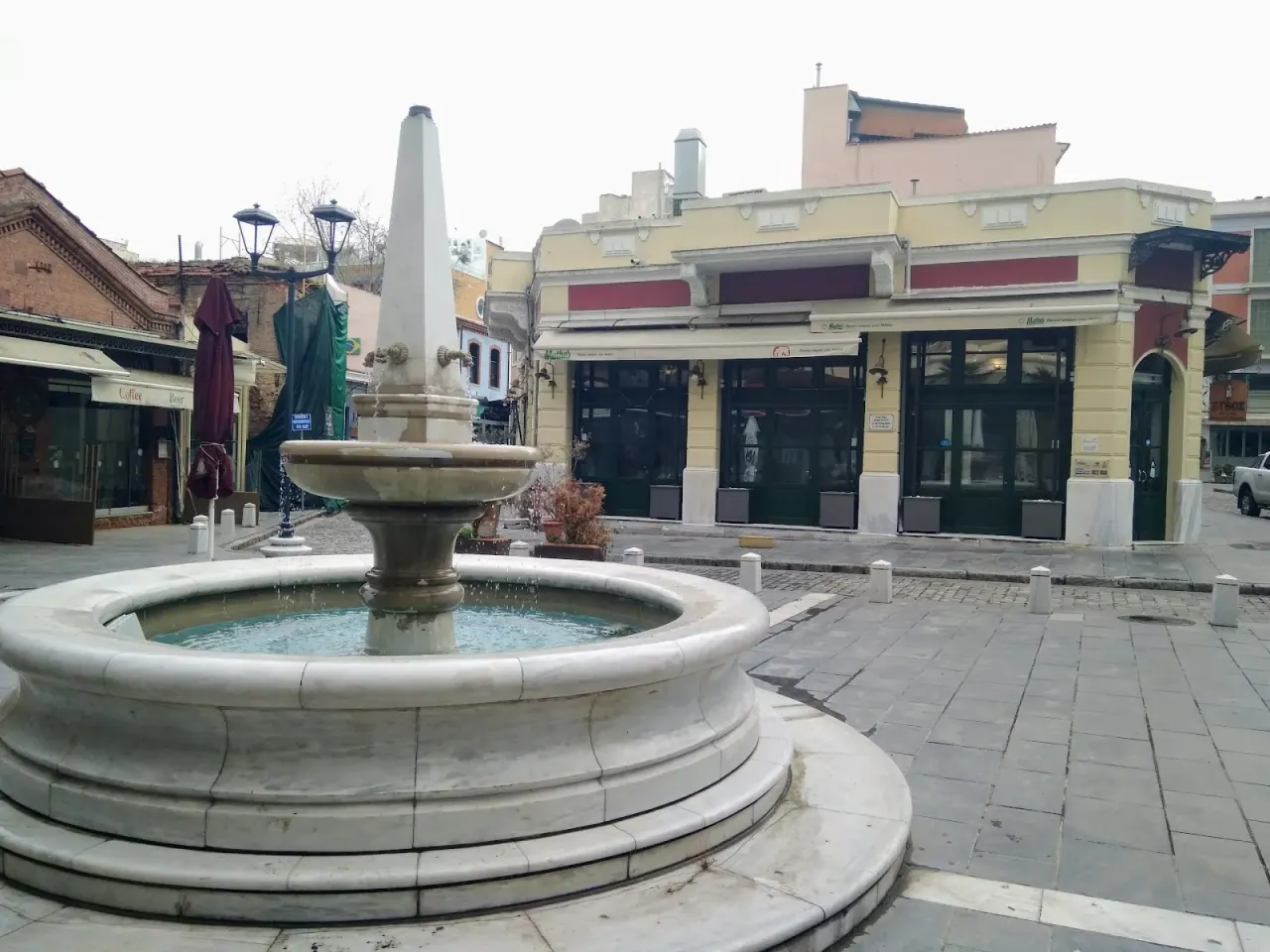
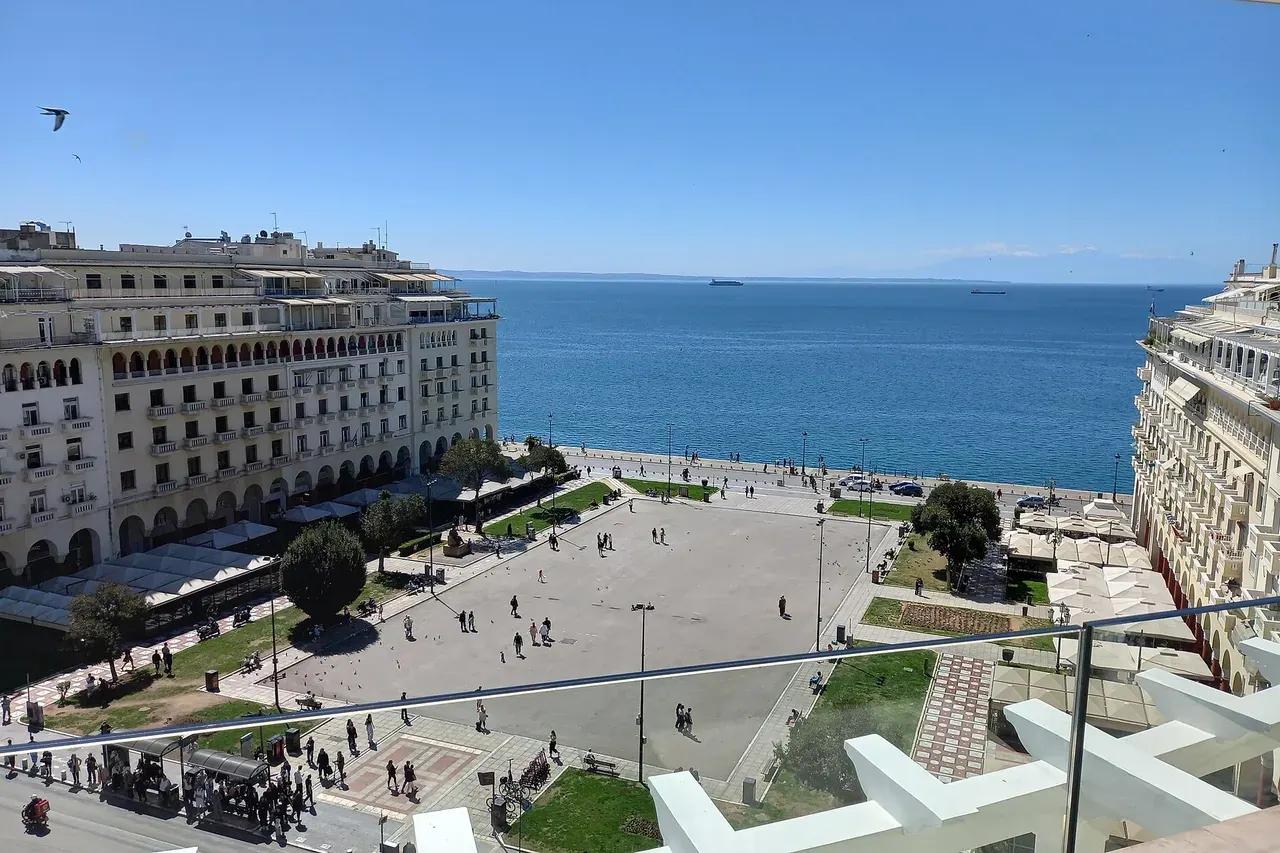
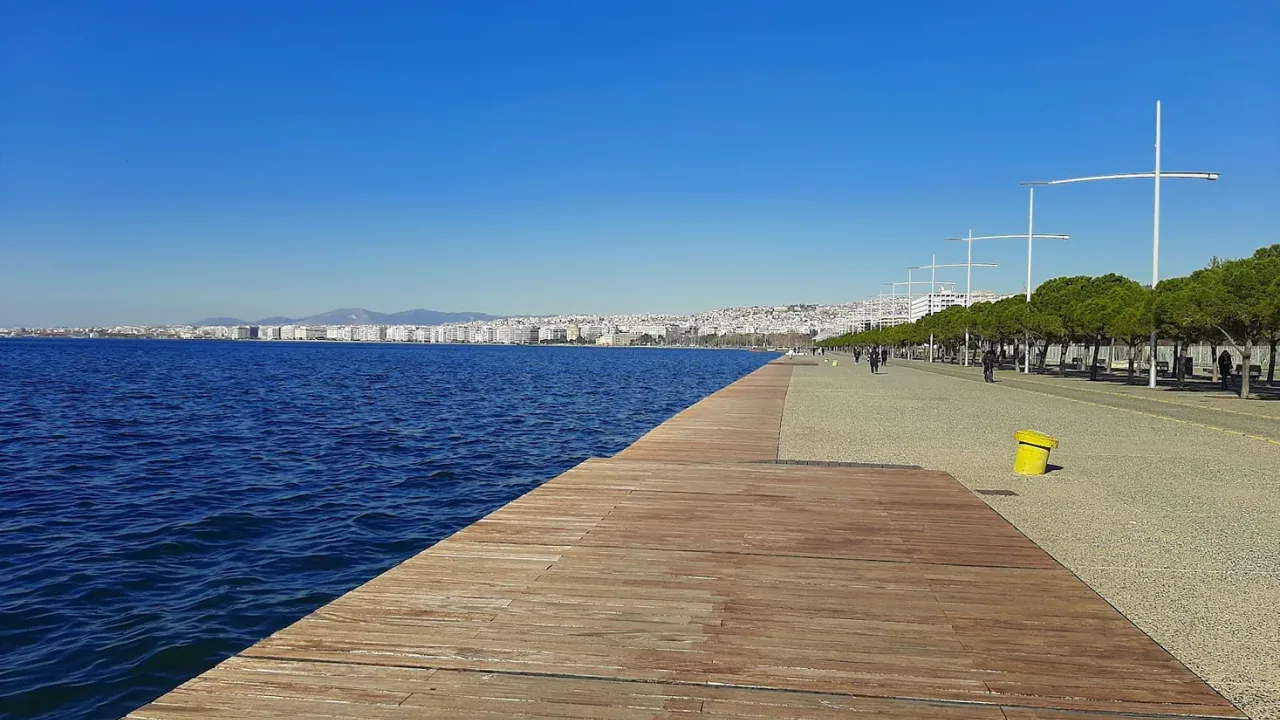
Thessaloniki concentrates the exact overlap that makes casual drone flying hard: a busy airport just east of the city, a UNESCO-listed collection of early Christian and Byzantine monuments woven through the urban core, and a dense, crowded waterfront where people gather day and night. The postcard shot you're imagining — the White Tower from above, the Rotunda, the seafront at golden hour — is precisely the kind of shot the rules are built to prevent without a permit. That doesn't make aerial photography impossible in the wider region, but it does mean the responsible move is to research a specific, legal launch spot well away from monuments, airport airspace and crowds, rather than assuming an empty-looking promenade is fair game. If your trip is really about the city's sights, our is Thessaloniki safe guide and the broader getting around Thessaloniki guide will do more for your itinerary than a confiscated drone will.
Practical pre-flight checklist
If you're bringing a drone to Greece, work through this before you go:
- Register as an operator with your home aviation authority and carry proof; EU registrations are valid in Greece, non-EU visitors should confirm HCAA requirements.
- Complete the A1/A3 online test where your drone class requires it, and label the aircraft with your operator number.
- Enable Remote ID and keep firmware current.
- Check the airspace zones for anywhere you intend to fly — assume airports, archaeological sites and military areas are off-limits.
- Never fly over crowds, and keep the drone in visual line of sight.
- Assume heritage sites need a Ministry of Culture permit you almost certainly won't get as a tourist — so don't plan shots that require one.
- Re-check the current rules close to travel. This is regulatory territory that changes; a guide is a starting point, not a substitute for the live official position.
Getting online quickly on arrival makes checking live zone information and official notices far easier — our eSIM and internet guide covers staying connected from the moment you land, which is genuinely useful when you need to confirm a zone before flying.
Frequently Asked Questions
Do I need to register my drone to fly in Greece?
Yes. Under the EU/EASA framework Greece follows, you register as an operator (not each drone) if your drone has a camera or weighs 250 g or more — which covers almost all drones. An EASA registration from your home EU country is valid in Greece; non-EU visitors should confirm HCAA requirements before travelling.
Can I fly a drone over archaeological sites in Greece?
No, not without written permission from the Greek Ministry of Culture, which is rarely granted outside professional film work. Flying over or near archaeological sites and protected monuments — the Acropolis, Delphi, Knossos and heritage across the country — is prohibited by default. Assume every ancient site is off-limits.
Are sub-250g drones exempt from the rules in Greece?
Sub-250g drones have it easier — they fall in the lightest A1 subcategory and can fly closer to people — but they are not exempt. If they carry a camera, operator registration still applies, and the no-fly zones around airports, archaeological sites and crowds apply to them exactly as to larger drones.
Can I fly a drone in Thessaloniki?
Rarely where you'd want to. Thessaloniki combines a nearby airport (Makedonia, SKG), UNESCO-listed Byzantine monuments across the centre, and crowded waterfront areas — all restricted. Aerial work in the wider region is possible with proper registration and a legal spot away from these zones, but the city core is effectively off-limits without permits.
What are the rules for foreign (non-EU) drone pilots in Greece?
Non-EU visitors face a more involved process than EU residents, whose EASA registrations transfer automatically. A home-country registration from outside the EASA system may not be recognised, so US, UK and other non-EU pilots should check the Hellenic Civil Aviation Authority's current requirements for foreign operators well before travelling.