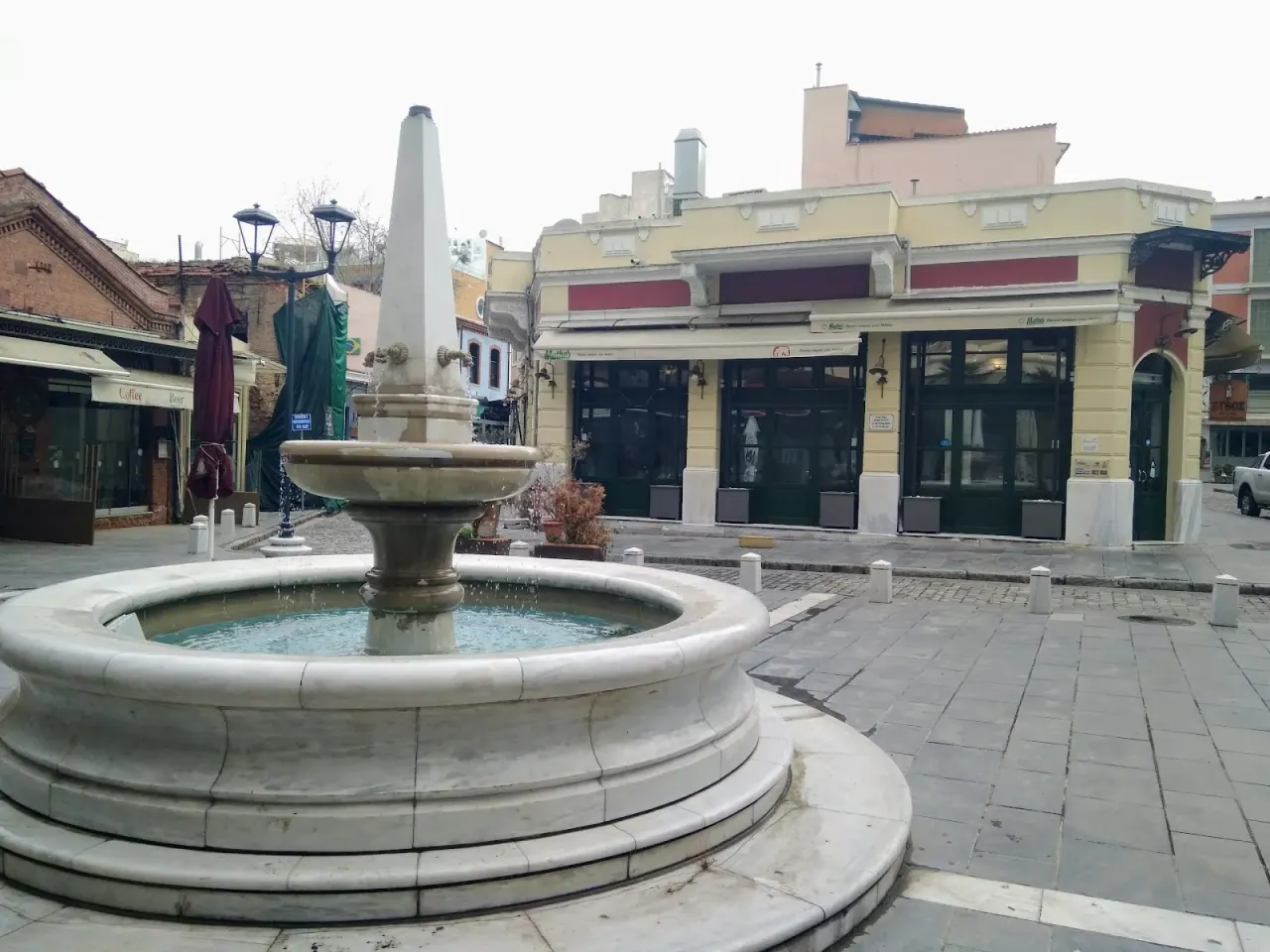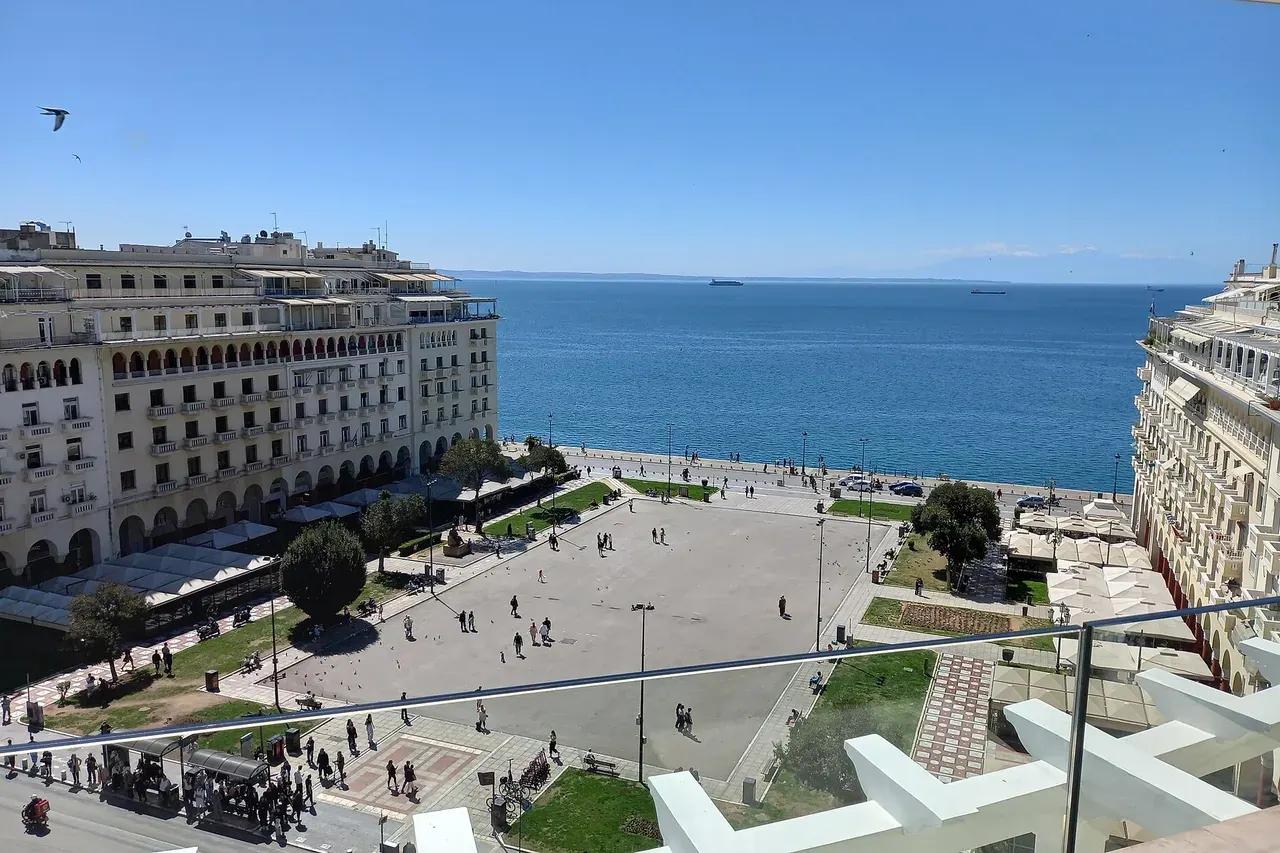
Thessaloniki has quietly become one of Europe's best-value bases for remote work. It pairs a big-city café and food culture with small-city affordability, a walkable seafront, a young student population, and Greece's sunshine and Schengen access — at a cost of living well below Athens or Western Europe. It's not as established a nomad hub as Lisbon or Athens, which is part of the appeal. Here's the practical picture: costs, coworking, internet, the visa and where to live.
The nomad essentials at a glance
The numbers that matter, up front:
| Factor | Thessaloniki |
|---|---|
| 1-bed rent | ~€300–600 / month |
| Coworking hot desk | ~€100–200 / month |
| Café wifi | ~15–35 Mbps; home/coworking faster |
| Meal at a taverna | ~€10–15 |
| Single transit ticket | €0.60 |
| 30-day transit pass | €16 (metro + buses; €8 reduced) |
| Visa | Greek Digital Nomad Visa (non-EU); EU free |
In short: a comfortable remote-work life here costs a fraction of most of Western Europe, with the sea five minutes away.
Why Thessaloniki
It's the value-plus-lifestyle combination. You get a real city — markets, museums, nightlife, a sunset waterfront — with rents and prices closer to a town's, plus a famous café culture that makes "working from a café" a genuine local institution rather than a novelty. The compact, walkable centre means no commute, the food is cheap and excellent, and Halkidiki's beaches are an hour away for weekends. The growing-but-not-saturated nomad scene means you can plug into a community without feeling like you've joined a tourist colony.
Cost of living
Thessaloniki is noticeably cheaper than Athens and a long way below Lisbon or Barcelona. A one-bedroom flat runs roughly €300–600/month (more for short-term furnished or sea-view), a taverna meal €10–15, a freddo €3–4, and transport is trivially cheap (a single metro/bus ticket is €0.60). Budget travellers can live well on a modest income here — see Thessaloniki on a budget for day-to-day prices. It's one of the cheapest quality-of-life cities in the EU.
Coworking and café working
You've got both options in abundance:
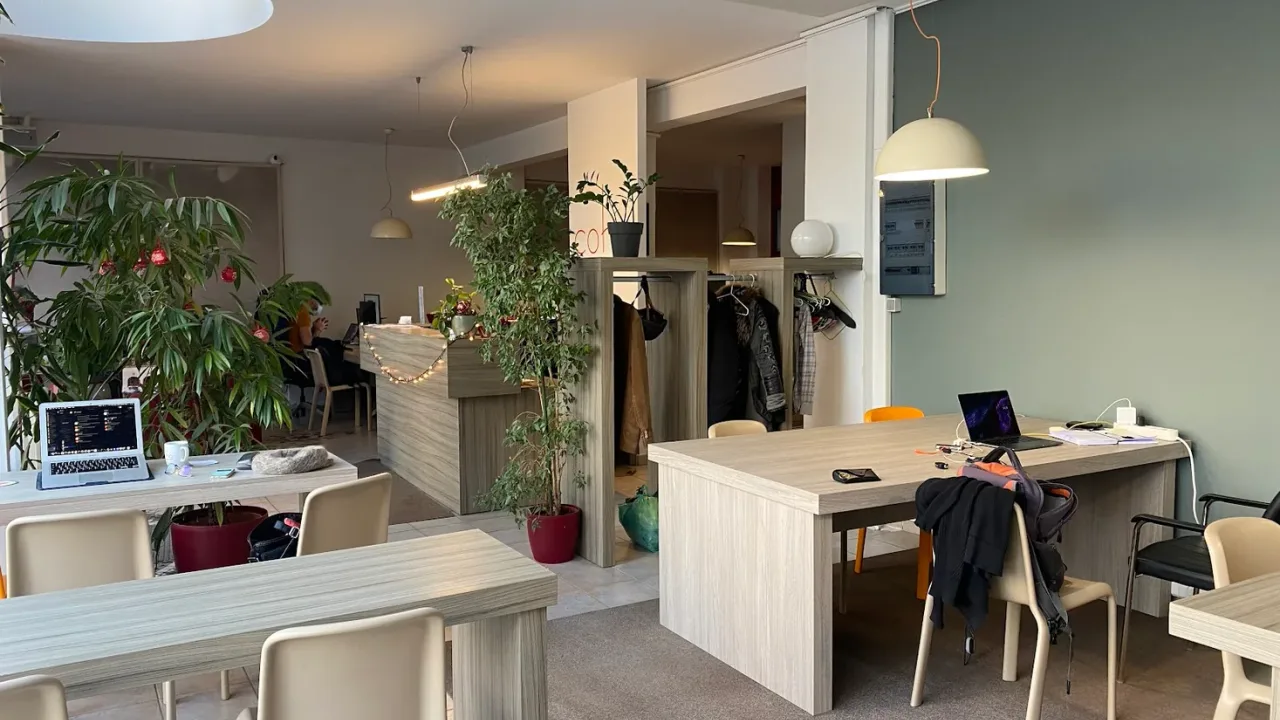
- Coworking spaces — a hot desk runs roughly €100–200/month. Established spaces include The Cube in the centre and Impact Hub Thessaloniki in Ladadika, with fast wired internet, meeting rooms and a community.
- Café working — this is the city's superpower. Thessaloniki is one of the most café-dense cities in Europe, and lingering for hours over a single freddo is the norm. The specialty coffee spots in Ladadika and the centre are reliable laptop-friendly bases; café wifi averages 15–35 Mbps. For a change of scene, the sprawling all-day café-bar Ypsilon, in a bohemian old building on Edessis, is a long-running favourite for settling in with a laptop by day before it fills up at night.
Internet and connectivity
Fixed and mobile internet are solid: city averages around 100+ Mbps on home/coworking connections, plenty for calls and uploads, and 4G/5G coverage is good across the centre. EU visitors roam free on their home plans. Non-EU nomads (US, UK and elsewhere) should sort data on arrival — a local SIM, or an eSIM like Saily for instant coverage before you've found a provider; our eSIM & mobile data guide walks through the options. A coworking membership is the safest bet for guaranteed upload speeds on important calls.
The visa: EU vs non-EU
- EU/EEA citizens can live and work in Greece without a visa — just register if you stay long-term.
- Non-EU nationals can apply for Greece's dedicated Digital Nomad Visa, which requires proof of stable remote income of at least €3,500/month after tax (higher for a spouse or children — roughly +20% and +15% each), earned from a foreign employer or your own business outside Greece. It grants the right to live there while working remotely, with tax incentives for those who relocate their tax residency, and opens up Schengen-area travel. Note that since February 2026 you must apply from a Greek consulate in your home country before travelling — in-country applications were abolished — so start early and confirm the current paperwork with an official source.
Where to live
For a nomad stay, base yourself where the cafés and life are:
- City centre / Aristotelous — walkable to everything, most cafés and coworking.
- Ladadika & Valaoritou — atmospheric, central, near nightlife and coffee.
- The waterfront (Nikis / Nea Paralia) — sea views and the promenade on your doorstep.
- Kalamaria — quieter, more local and cheaper for longer stays, with the metro's Kalamaria extension expected to open in late July 2026.
Our neighborhoods and where to stay guides break down the trade-offs; for a multi-month stay, an unfurnished or longer-let flat outside the dead centre is the best value.
Lifestyle and practicalities
Thessaloniki is safe, social and easy — see our safety guide. The student population keeps it young and the nightlife strong; the food and café scene means you'll never work alone; and the best time for a longer base is spring through early summer and autumn, when the weather is kind and prices are lower than peak August. Weekends are for day trips and Halkidiki beaches. The unglamorous side of a long stay is covered too — our laundry guide rounds up the self-service laundromats and wash-and-fold services, which matter more than you'd think once you're here for months rather than days. For the cost-conscious, it may be the best work-life-value city in the EU right now.
Frequently Asked Questions
Is Thessaloniki good for digital nomads?
Yes — it offers big-city culture (cafés, food, nightlife, a sunset waterfront) at small-city prices, with a walkable centre, good internet, growing coworking options and Greece's sunshine and Schengen access. It's cheaper than Athens and far below Western Europe, and less saturated than established hubs, while still having a real nomad community.
How much does it cost to live in Thessaloniki as a nomad?
Budget roughly €300–600/month for a one-bedroom flat, €100–200/month for a coworking hot desk, and €10–15 for a taverna meal, with a single transit ticket at €0.60. Overall it's one of the cheapest quality-of-life cities in the EU — a comfortable remote-work lifestyle costs far less than Athens or Western Europe.
Does Greece have a digital nomad visa?
Yes. Greece offers a dedicated Digital Nomad Visa for non-EU nationals, requiring proof of stable remote income of at least €3,500/month after tax (more for a spouse or children) earned outside Greece, with tax incentives for those who relocate their tax residency and access to the Schengen area. Since February 2026 you must apply at a Greek consulate abroad before travelling rather than in-country. EU/EEA citizens don't need a visa to live and work in Greece. Confirm current thresholds and paperwork with an official source.
What is the internet like in Thessaloniki?
Good. Home and coworking connections average around 100+ Mbps, ample for video calls and uploads, and 4G/5G coverage across the centre is reliable. Café wifi is more variable (roughly 15–35 Mbps). For guaranteed speeds on important calls, a coworking membership is the safest bet; non-EU visitors can use a local SIM or eSIM for mobile data.