Përditësuar 2026·Kontrolluar në këmbë·Epimenidou 17, Ano Poli
A tiny chapel in the lanes of Ano Poli that holds one of the most important early-Christian mosaics in the world — a UNESCO-listed treasure most visitors walk straight past.
Osios David (Latomou Monastery) · Early Byzantine (late 5th c.)
Periudha
Early Byzantine (late 5th c.)
Vendndodhja
Ano Poli, ~15–20 min uphill from the centre
Hyrja
Free
Orari
Limited hours, usually mornings Tue–Sun; check locally
Kohë e Nevojshme
20 minutes
Vlerësimi
4.8★ · 854 vlerësime
Orari dhe çmimet u kontrolluan së fundmi më 2026 — ndryshojnë, prandaj konfirmojini atë ditë.
Historia
Si lindi
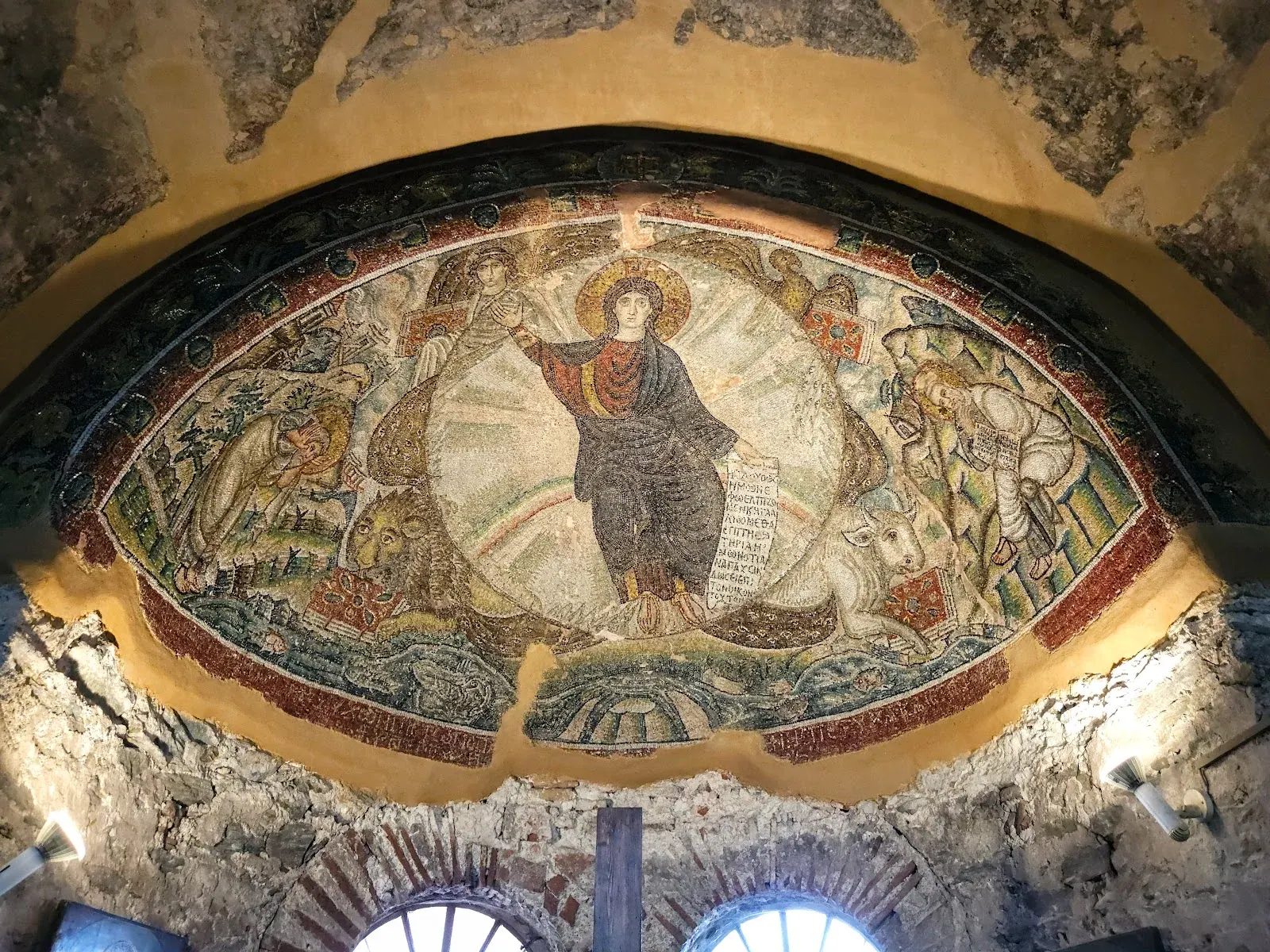
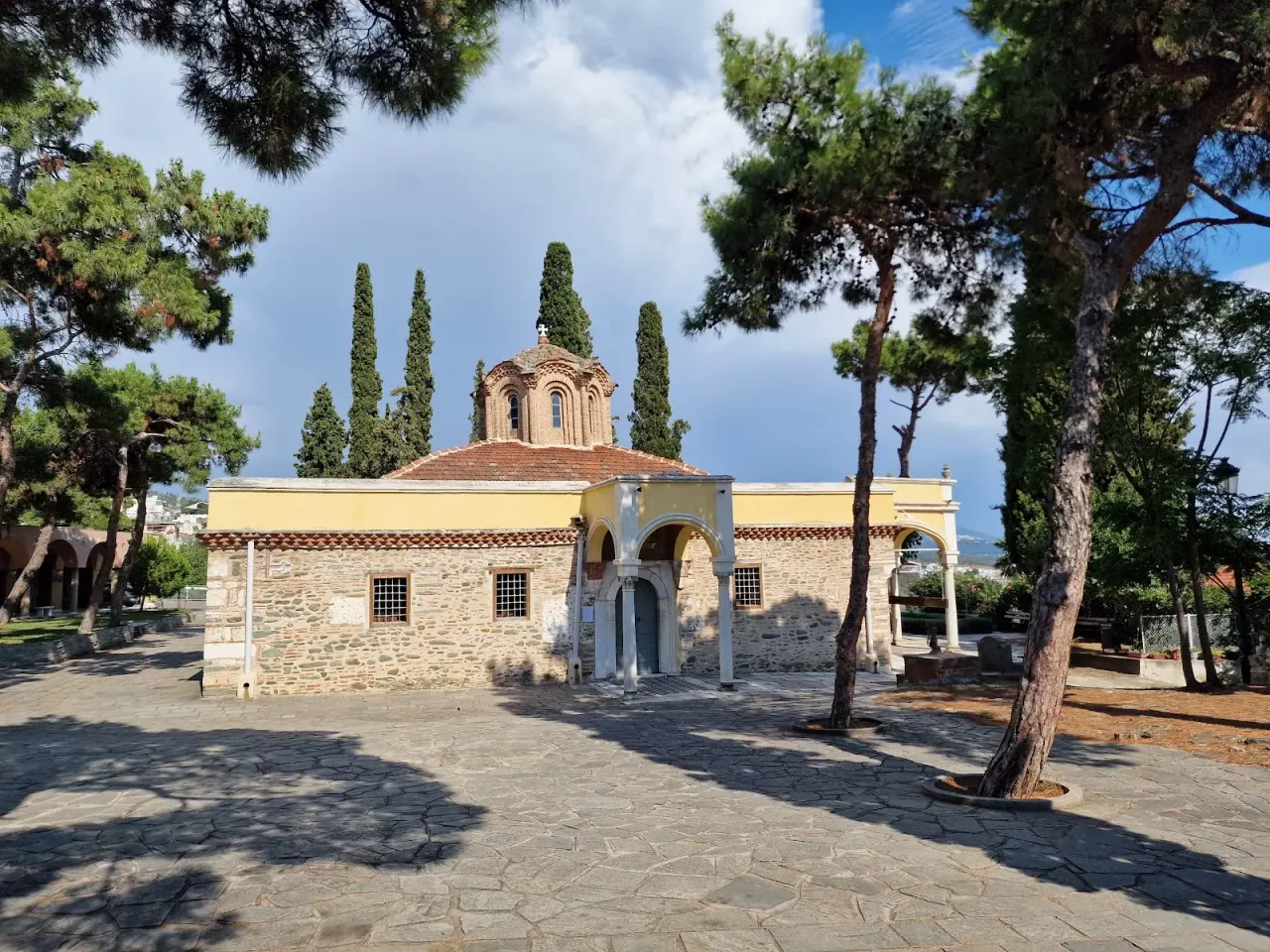
The surviving katholikon of the late-5th-century Latomou Monastery. Its apse mosaic was hidden under plaster when the church served as a mosque, which preserved it until its rediscovery in 1921. It is one of the fifteen Paleochristian and Byzantine Monuments of Thessaloniki inscribed on the UNESCO World Heritage list.
Çfarë Do të Shihni
Gjatë një vizite
The breathtaking apse mosaic — the 'Vision of Ezekiel', showing a rare beardless, youthful Christ enthroned on a rainbow within a mandorla, flanked by prophets and the four living creatures over the rivers of paradise — plus surviving 12th-century wall frescoes, all in an intimate single room.
Si të Vizitoni
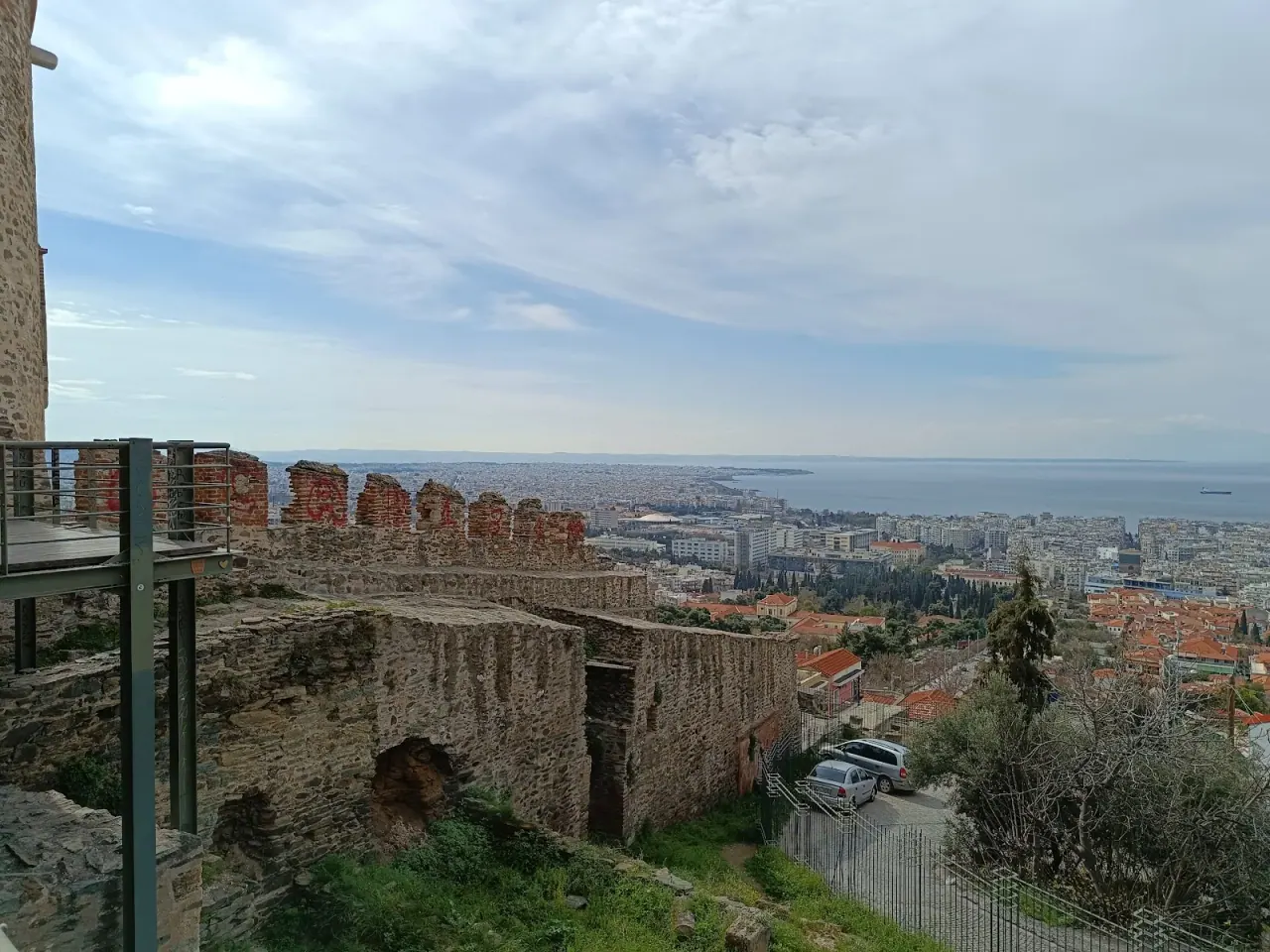
A steep climb up into Ano Poli on foot, or a city bus toward the upper town; the church is small with limited opening hours.
Koha më e Mirë
Mid-morning, when it is reliably open and the apse is lit
Galeria
Si të Shkoni
Vendndodhja
Ano Poli, ~15–20 min uphill from the centre · Epimenidou 17, Ano Poli
For its apse mosaic — the late-5th-century 'Vision of Ezekiel', one of the oldest and finest surviving early-Christian mosaics anywhere, showing a rare youthful, beardless Christ. The church is tiny and easy to miss, which is part of its charm; it's a UNESCO World Heritage monument hidden in the lanes of Ano Poli.
It was covered over with plaster when the church was used as a mosque under Ottoman rule, which protected it from damage. The mosaic was rediscovered in 1921 and has been on view ever since.