At the foot of Mount Olympus, an hour southwest of Thessaloniki, lies the sacred city the ancient Macedonians held holier than any other. Dion — the name means "the place of Zeus" — was the religious heart of the kingdom, where Philip II and Alexander the Great celebrated their victories, and where Alexander made sacrifices to the Olympian gods before marching on Asia in 334 BC. Today it's a wide, green, wonderfully uncrowded archaeological park backed by the god's own mountain, paired with one of the best small museums in Greece. Here's why it belongs on your day-trip shortlist, and how to do it.
Why Dion, and is it worth it?
Vergina has the gold and Meteora has the drama, so Dion gets overlooked — which is exactly its appeal. You'll often have the sanctuaries almost to yourself, walking wooden boardwalks over streams and springs (Dion was "the town of waters") past temple foundations, mosaics in situ, and two theatres, with the snow-streaked summit of Olympus filling the horizon. It's less a checklist monument than an atmospheric couple of hours in the landscape the Macedonians thought divine. If you like your ancient sites quiet, layered and scenic, Dion rewards the trip more than its low profile suggests.
Getting to Dion from Thessaloniki
| Option | Time each way | Notes |
|---|---|---|
| Car | ~1 hour (~85 km) | Simplest; the A1 south toward Katerini/Litochoro |
| Guided tour | Full day | Usually paired with Mount Olympus — the easy hands-off option |
| Train + taxi | ~1 hour + short taxi | Train to Katerini or Litochoro, then a taxi to the site |
| Direct bus | ~1h10 | Very limited (a few days a week) — check before relying on it |
By car it's a straightforward hour down the motorway. Without a car, the cleanest option is a guided day trip, which almost always combines Dion with Mount Olympus — see the Dion & Mount Olympus tour on our activities page, or browse the GetYourGuide Thessaloniki page. Public transport (train to Katerini/Litochoro plus a taxi) works but takes planning; the direct bus runs only a few days a week.
What to see in the archaeological park
The site spreads across a walkable plain of sanctuaries, streets and villas:
- The Sanctuary of Zeus Olympios — the holiest site of the Macedonians, at the southern edge, with the altar where Alexander sacrificed.
- The Sanctuary of Demeter — the oldest, founded in the late 6th century BC.
- The Sanctuary of the Egyptian Gods — Isis, Sarapis and Anubis, a reminder of Dion's Hellenistic reach.
- The Roman baths and villas — with fine floor mosaics left where they were laid.
- Two theatres and a small odeon, plus the city walls, streets and latrines that make the daily life of the place legible.
Allow 1.5–2 hours for the park, and wear proper shoes — it's grassy, watery ground with little shade.
Don't skip the museum
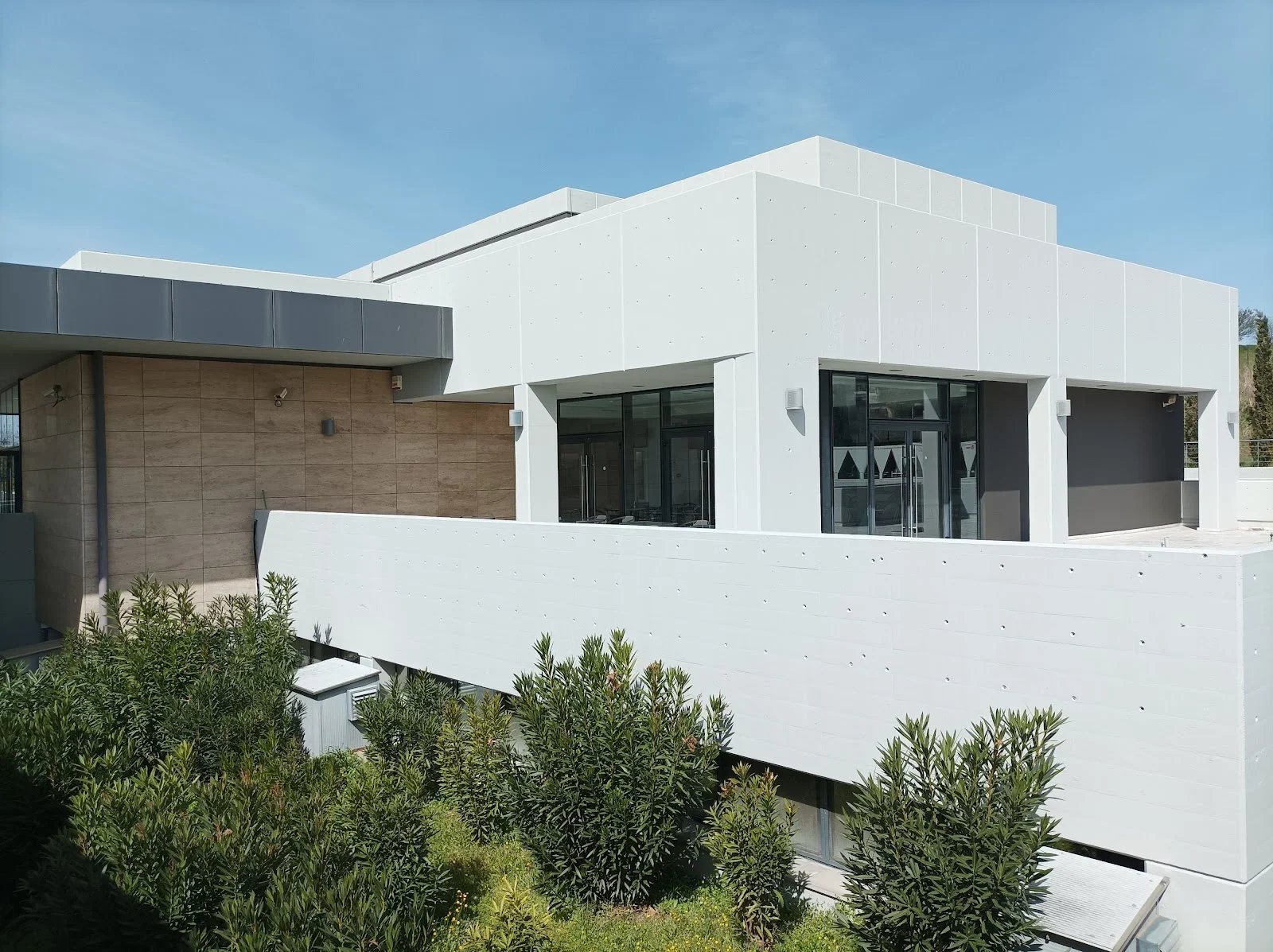
Half a kilometre away in Dion village, the Archaeological Museum of Dion is the other half of the visit — and arguably the highlight. Two things alone justify it: the extraordinary Mosaic of Dionysus, displayed in its own purpose-built gallery so you can circle it, and the hydraulis — a 1st-century BC water organ that is the oldest surviving example found anywhere in the world of an instrument invented by the Alexandrian engineer Ctesibius in the 3rd century BC. The lower floor's everyday objects — keys, tools, vases — bring the ancient town vividly to life.
Tickets, hours and practical tips
- Entry: €10 (reduced €5; free for under-18s and EU citizens under 25). The ticket covers the park and the museum. Admission is also free on the standard Greek national days — 6 March, 18 April, 18 May, the last weekend of September and 28 October, plus the first and third Sunday of each month from November to March — worth planning around if your trip lines up.
- Hours: the archaeological park runs summer (mid-April–October) 08:00–20:00 and winter (November–mid-April) 08:30–15:30; the museum in Dion village opens later in summer, around 11:00. Note it's closed on Tuesdays year-round (and also Wednesdays in winter), so plan around that — check the official ancientdion.gr before a special trip. The early summer opening is worth using, since the park has little shade.
- Pair it with Olympus. Dion sits at the mountain's foot, so most day-trippers combine it with the Mount Olympus trailheads or the gorge at Litochoro nearby.
For the wider region, and the royal-tombs alternative at Vergina, see our ranked day trips from Thessaloniki.
Frequently Asked Questions
How do you get to Dion from Thessaloniki?
By car it's about an hour (85 km) down the A1 toward Katerini. Without a car, the easiest option is a guided day trip that pairs Dion with Mount Olympus. Public transport works — train to Katerini or Litochoro plus a taxi — but the direct bus runs only a few days a week.
How much does Ancient Dion cost to visit?
Entry is €10 (reduced €5; free for under-18s and EU citizens under 25), and the ticket covers both the archaeological park and the museum in Dion village. The park is open 08:00–20:00 in summer and 08:30–15:30 in winter (the museum in the village opens later in summer, around 11:00), and it's closed on Tuesdays year-round — confirm on ancientdion.gr.
What is Ancient Dion famous for?
Dion was the sacred city of the Macedonians, home to the Sanctuary of Zeus Olympios, where Alexander the Great sacrificed before invading Asia in 334 BC. Its museum holds the famous Mosaic of Dionysus and the hydraulis, the oldest surviving water organ found anywhere in the world.
Is Dion worth visiting?
Yes, especially if you like quiet, atmospheric ruins. Set at the foot of Mount Olympus with sanctuaries, mosaics and two theatres across a green, watery park — plus an outstanding museum — Dion is far less crowded than Vergina or Meteora and rewards a relaxed half-day.