If you visit one museum in Thessaloniki, make it this one. The Archaeological Museum of Thessaloniki holds the finest collection of Macedonian antiquity anywhere — Hellenistic gold, world-famous treasures, and the oldest manuscript in Europe — a short walk behind the seafront near the White Tower. Here's what not to miss and how to visit. For how it ranks against the city's other collections, see our best museums guide.
What it is
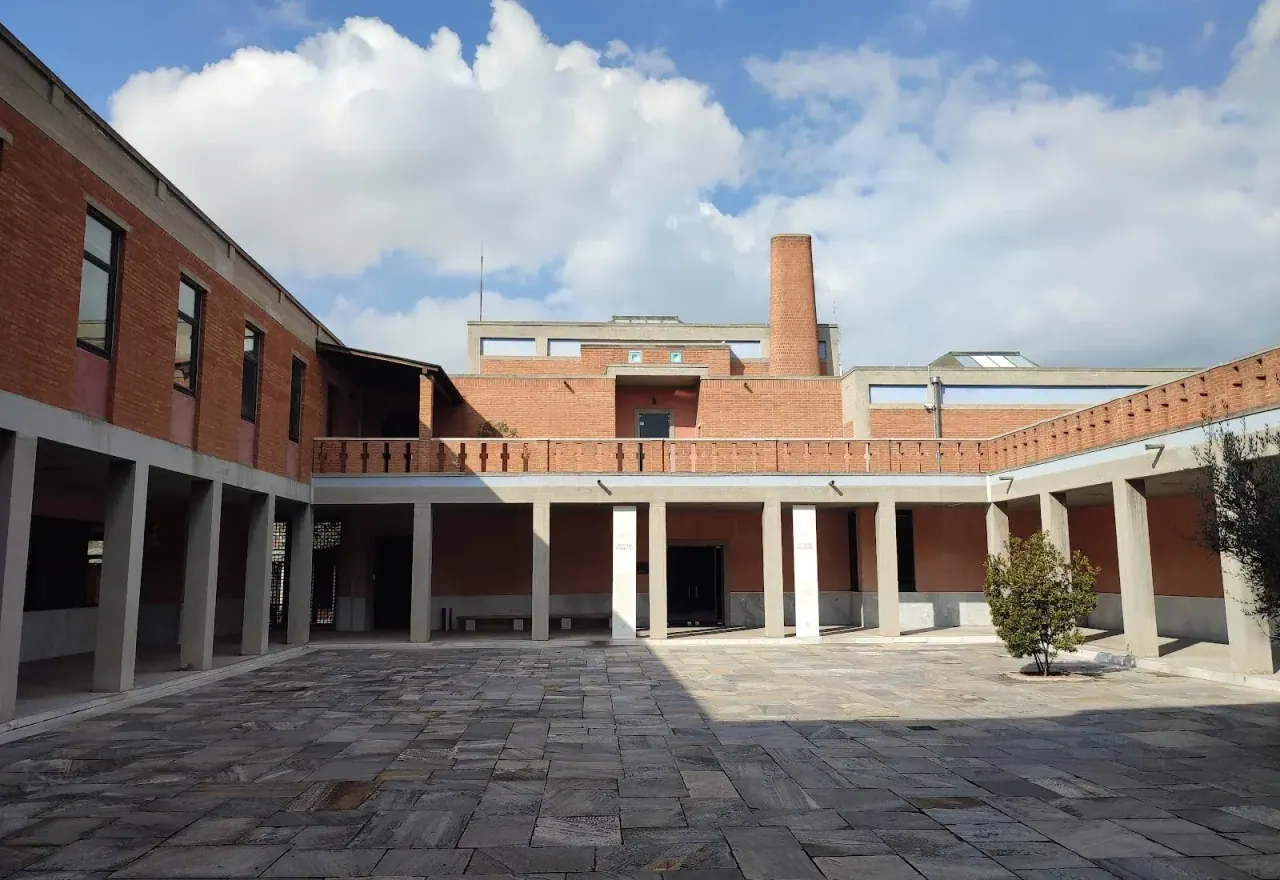
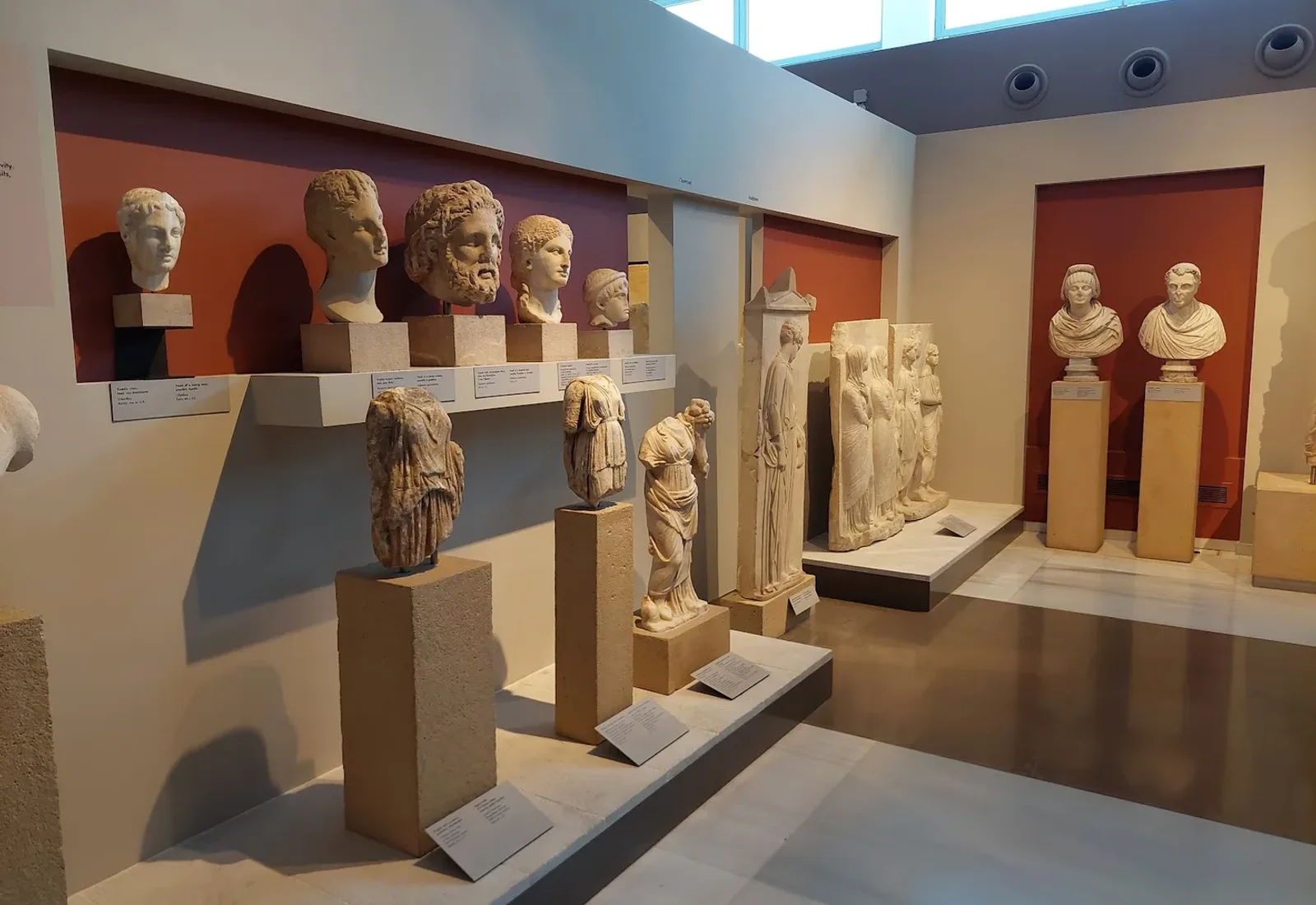
Opened in 1962 in a modernist building by the architect Patroklos Karantinos — itself a landmark of 20th-century Greek architecture — the museum gathers finds from prehistoric to late-Roman Macedonia — gold wreaths, jewellery, grave goods, marble sculpture and everyday objects — arranged to tell the story of the region across millennia. It's built around the wealth of the ancient Macedonian kingdom, the world of Philip II and Alexander the Great.
The must-sees
- The Derveni Krater — the museum's showpiece: a monumental bronze wine-mixing vessel of the late 4th century BC, nearly a metre tall and weighing around 40 kg, its surface a riot of Dionysiac figures in relief. Its golden sheen isn't gold at all but the effect of a high-tin alloy — and it was found doing humble duty as a funerary urn, holding the cremated bones of its owner. One of the finest works of ancient metalwork to survive anywhere.
- The Derveni papyrus — the oldest surviving manuscript in Europe, a charred scroll of around 340–320 BC carrying an allegorical commentary on an Orphic poem, rescued half-burnt from a funeral pyre. It's inscribed on UNESCO's Memory of the World Register (2015).
- The Gold of Macedon — the museum's dazzling gold gallery, drawing on the cemeteries of Sindos, Agia Paraskevi, Derveni and Lete: wreaths of gold oak and myrtle leaves, funerary ornaments, jewellery and coins tracing Macedonian goldwork from the 6th century BC to 148 BC. The Archaic necropolis at Sindos alone yielded some of the finest early gold in Greece. It pairs perfectly with a day trip to the royal tombs at Vergina, where Philip II was buried with his own gold — in fact the Vergina finds were displayed in this museum until a dedicated museum opened at the site in the 1990s.
Visiting
The museum sits behind the seafront, a couple of minutes' walk from the White Tower and right beside the Museum of Byzantine Culture — so you can do both in a morning. Entry is €10 (€5 reduced), and it's one of the four sites on the €15 three-day combined ticket (with the Rotunda, the White Tower and the Byzantine Culture museum), which pays off if you're seeing more than one. Admission is free on several fixed days a year — 6 March, 18 April, 18 May, the last weekend of September and 28 October — plus the first and third Sunday of each month from November to March. It's open daily, 09:00–17:00 (closed Tuesdays from November to March); on the first Thursday of the month from May to September it stays open late, to 22:00. Hours can change with the season, so see the landmark page or the museum's official site for the current hours and tickets.
Frequently Asked Questions
What is in the Archaeological Museum of Thessaloniki?
It holds the leading collection of Macedonian antiquity — Hellenistic gold wreaths and jewellery, marble sculpture, and finds from prehistoric to late-Roman Macedonia. Its two most famous treasures are the bronze Derveni Krater — whose golden sheen comes from a high-tin alloy, not gold — and the Derveni papyrus, the oldest surviving manuscript in Europe.
How much is the Archaeological Museum of Thessaloniki?
Entry is €10 (€5 reduced). It's also covered by the €15 three-day combined ticket, which includes the Rotunda, the White Tower and the Museum of Byzantine Culture — the best value if you're visiting more than one. Entry is free on a handful of national museum days each year — 6 March, 18 April, 18 May, the last weekend of September and 28 October, plus the first and third Sunday of each month from November to March.
What are the opening hours of the Archaeological Museum of Thessaloniki?
The museum opens daily, 09:00–17:00, and is closed on Tuesdays from November to March; on the first Thursday of the month from May to September it stays open until 22:00. Confirm exact current times on the official site. It's also closed on 25–26 December, 1 January, 25 March, 1 May and Easter Sunday; last entry is shortly before closing.
What is the Gold of Macedon exhibition?
It's the museum's permanent gold gallery, presenting Macedonian goldwork from the 6th century BC to 148 BC — jewellery, wreaths, funerary ornaments and coins — drawn from cemeteries across Central Macedonia, above all the rich Archaic necropolis at Sindos. For many visitors it's the highlight alongside the Derveni Krater.
Is the Archaeological Museum worth visiting?
Yes — it's the city's essential museum. Even a short visit takes in the Derveni Krater, the Macedonian gold and the Derveni papyrus, and it sits right beside the Museum of Byzantine Culture and a few minutes from the White Tower, so it's easy to fold into a day in the centre.