Land in Thessaloniki in late October and you'll notice something layered happening — church bells, a citywide arts programme, and then, two days later, a military parade shutting down the seafront. These aren't three unrelated events colliding by accident. They're stacked on top of each other on purpose, and understanding why turns a confusing week into one of the best times to be in the city.
Three events, one October
The month builds toward a single stretch of days that ties together religion, history and culture. Here's how the pieces fit:
| Event | What it is | When | Public holiday? |
|---|---|---|---|
| Dimitria Festival | City-run arts & culture festival (theatre, music, dance, exhibitions) | 1–24 October in 2026 (61st edition); opens early in the month | No |
| Feast of Agios Dimitrios | Religious feast day of the city's patron saint | October 26 | Regional/local observance |
| Liberation of Thessaloniki | Anniversary of the 1912 Greek army entry into the city | October 26 (same day as the feast) | Local commemoration |
| Ohi Day | National holiday marking Greece's 1940 refusal of Italy's ultimatum | October 28 | Yes — national holiday |
We walked the seafront on an October 26th in a recent year and the overlap is genuinely striking — church services at Agios Dimitrios spilling into the street at the same time flags were going up along Nikis Avenue for the parade two days later.
The Dimitria Festival: Thessaloniki's biggest arts event
The modern Dimitria Festival is the largest cultural and intellectual festival in Thessaloniki and Northern Greece, run by the municipality across theatre, music, dance, visual art and public talks. Its roots go back much further than the modern edition: the name comes from a medieval trade fair held in the city since around the 10th century, timed to coincide with the commemoration days of the patron saint — hence "Dimitria." The institution flourished as far back as the 14th century before fading, and the modern festival as we know it today was founded in 1966, running continuously since, with the festival joining the European Union of International Festivals in 1995.
Events run through October, with an opening ceremony early in the month, and the programme spans everything from concerts and theatrical performances to art exhibitions and dance — dozens of events across venues citywide, many of them free or low-cost. It's less tourist spectacle and more a genuine slice of what the city's own cultural calendar looks like, worth checking the current year's programme for specific dates and venues since the exact line-up changes annually. For the fuller citywide events calendar across all seasons, see our Thessaloniki events guide.
October 26: the feast day and the liberation, together
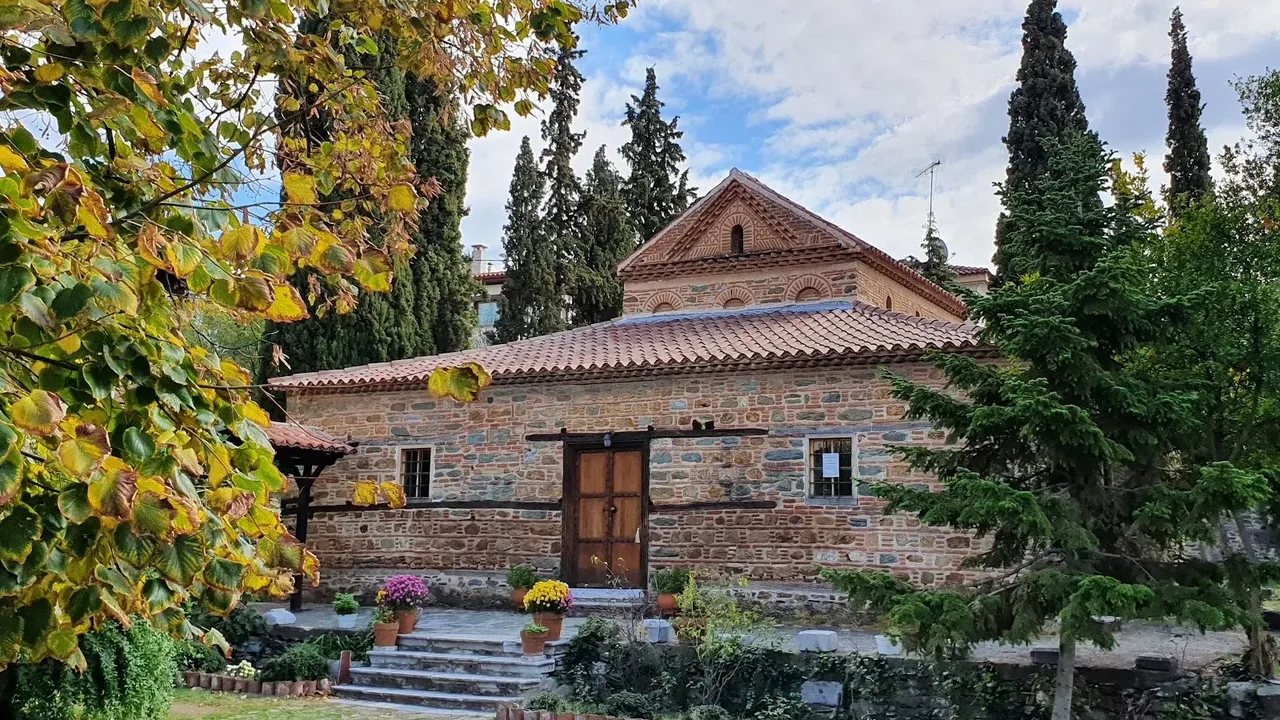
This is the date where everything converges. October 26 is the feast day of Agios Dimitrios (Saint Demetrius), the city's patron saint, martyred here under Roman rule and revered ever since as its protector. By historical coincidence that Thessalonians treat as anything but coincidental, the Greek army entered and liberated the city from nearly five centuries of Ottoman rule on this same date in 1912 — the saint's own name day. The city marks both at once: church services and processions at Agios Dimitrios basilica, the largest church in the city, alongside civic commemorations of the liberation. For many Thessalonians this is the single most meaningful date on the calendar — not a national holiday everywhere in Greece, but deeply felt here specifically.
If you're visiting on the 26th, expect the basilica and the streets around it to be busy with worshippers from morning onward, and a more solemn, civic tone across the city than a typical festival day.
October 28: Ohi Day and the military parade
Two days later, October 28 is Ohi Day ("No Day"), a full national public holiday across Greece and Cyprus commemorating Greece's 1940 refusal of an Italian ultimatum demanding surrender — the "no" (ohi) that pulled the country into World War II. Thessaloniki hosts the country's main military parade for the holiday, held with the President of the Republic and senior officials in attendance — a choice that deliberately echoes the city's own liberation two days earlier and its patron saint. Expect the seafront and central streets to close for the parade route, shops and public services shut for the national holiday, and a genuinely festive, patriotic atmosphere with flags out across the city centre.
The medieval roots of the name
The word "Dimitria" itself predates the modern festival by nearly a thousand years. Historical sources trace it to a trade fair held in the city since around the 10th century — merchants from the surrounding region and inland Balkans bringing goods to trade for seafood and coastal produce, timed deliberately around the saint's commemoration days. That fair reached its peak in the 14th century, sometimes called Thessaloniki's medieval "Golden Age," when the city was one of the Byzantine Empire's great commercial hubs. The trade-fair tradition faded over the centuries that followed, but when the municipality wanted a name for a new civic arts festival in the 1960s, reviving "Dimitria" tied the modern event to that much older commercial and religious rhythm rather than inventing something from nothing.
Visiting during this stretch: what to expect
Late October in Thessaloniki means shifting logistics worth planning around:
- Shops and services: mostly normal hours through the Dimitria programme itself, but expect full closures on October 28 for the national holiday — see our opening hours guide for the general pattern.
- Traffic and transport: the parade route along the waterfront closes on the 28th; build in extra time if you're near Nikis Avenue or the White Tower that morning.
- Accommodation: this is a genuinely busy domestic travel week — Greeks travel to be in Thessaloniki for it — so book ahead if your dates fall in this window.
- Weather: late October sits in Thessaloniki's cooler shoulder season, generally mild but with a real chance of rain — pack a layer.
Getting there and where the action is
Most of the Dimitria programme's larger venues and the October 26 church activity cluster around the historic centre — the Agios Dimitrios basilica itself sits a short walk uphill from Aristotelous Square, well within the compact, walkable core most visitors already base themselves in. The Ohi Day parade route runs along the waterfront near the White Tower, so a hotel anywhere in the central grid puts you within easy reach of all three events without needing transport. If you're flying in specifically for this window, book both flights and accommodation as early as you can — late October is a genuinely popular week for domestic travel to the city, on top of whatever visitor demand the festival itself draws.
Why it's worth timing a visit around
Most visitors experience Thessaloniki's festivals as backdrop — the Film Festival in November, Carnival in spring. Late October is different: it's the one stretch where a visitor gets an honest look at what the city is, not what it performs for tourists. The Dimitria programme puts serious Greek culture on stage citywide, the 26th shows how deeply the patron saint and the liberation are fused in local identity, and the 28th delivers full national pageantry. Come for any one of the three and you'll likely catch pieces of all three.
Frequently Asked Questions
What is the Dimitria Festival in Thessaloniki?
Dimitria is Thessaloniki's largest annual cultural festival — a municipality-run programme of theatre, music, dance and exhibitions held through October. The modern festival was founded in 1966 and continues every year, tracing its name back to a medieval trade fair held around the same October dates in honour of the city's patron saint, Agios Dimitrios.
Why is October 26 important in Thessaloniki?
October 26 is the feast day of Agios Dimitrios, Thessaloniki's patron saint, and also the anniversary of the city's 1912 liberation from Ottoman rule by the Greek army — which entered the city on the saint's own name day. Thessalonians mark both together with church services and civic commemorations, making it one of the most meaningful dates on the local calendar.
Is Ohi Day a public holiday in Greece?
Yes — October 28, Ohi Day, is a full national public holiday across Greece and Cyprus, marking Greece's 1940 refusal of an Italian ultimatum. Schools, public services and most businesses close. Thessaloniki hosts the country's main military parade for the holiday, held with national officials in attendance.
Are the Dimitria events free to attend?
Many Dimitria Festival events are free or low-cost, being municipally run, though ticketed performances also feature in the programme, particularly larger concerts and theatre productions. Check the current year's official programme for specific pricing and venues, since the line-up and access details change annually.
What's the difference between the Dimitria Festival and Agios Dimitrios's feast day?
They're linked but distinct — the Dimitria Festival is a month-long municipal arts and culture programme running through October, while the feast of Agios Dimitrios is a single-day religious observance on October 26 honouring the city's patron saint. Both trace back to the same historical roots, and the feast day sits within the festival's broader October window.