Most people picture Greece in summer, which is exactly why winter Thessaloniki is an underrated trip. This is a working city, not a seasonal resort — and the ski resorts inland open as the coast closes. So when the beach towns shutter, here the museums, tavernas, cafés and nightlife carry on at full tilt, the prices drop, and from December the centre lights up for Christmas. The trade-off is rain and short days. Here's what to expect, what stays open, and how to make the most of a winter visit.
Winter at a glance
The honest summary: mild by Northern-European standards, genuinely rainy, cheapest of the year, and fully open. What that means in practice:
| Winter (Dec–Feb) | |
|---|---|
| Weather | Mild but wet; chilly, damp spells |
| Crowds | Fewest of the year |
| Prices | Lowest (except Christmas–New Year) |
| What's open | Everything — it's a working city |
| Verdict | Great for culture, food and value; not for beaches |
If you want museums, food and festive atmosphere over sunshine, winter is a genuinely good time to come.
The weather, honestly
Thessaloniki winters are mild but rainy — daytime highs of roughly 8–11°C with overnight lows around 1–3°C, so it rarely actually freezes, but damp, grey, chilly spells are common and the days are short. Snow in the city itself is rare, though the surrounding mountains get plenty. Pack layers, a warm waterproof and decent shoes, and plan a mix of indoor and outdoor — the city's deep café culture exists partly because the weather isn't always kind. This isn't sunbathing weather; it's wander-then-warm-up-with-a-freddo weather.
Christmas and the festive season
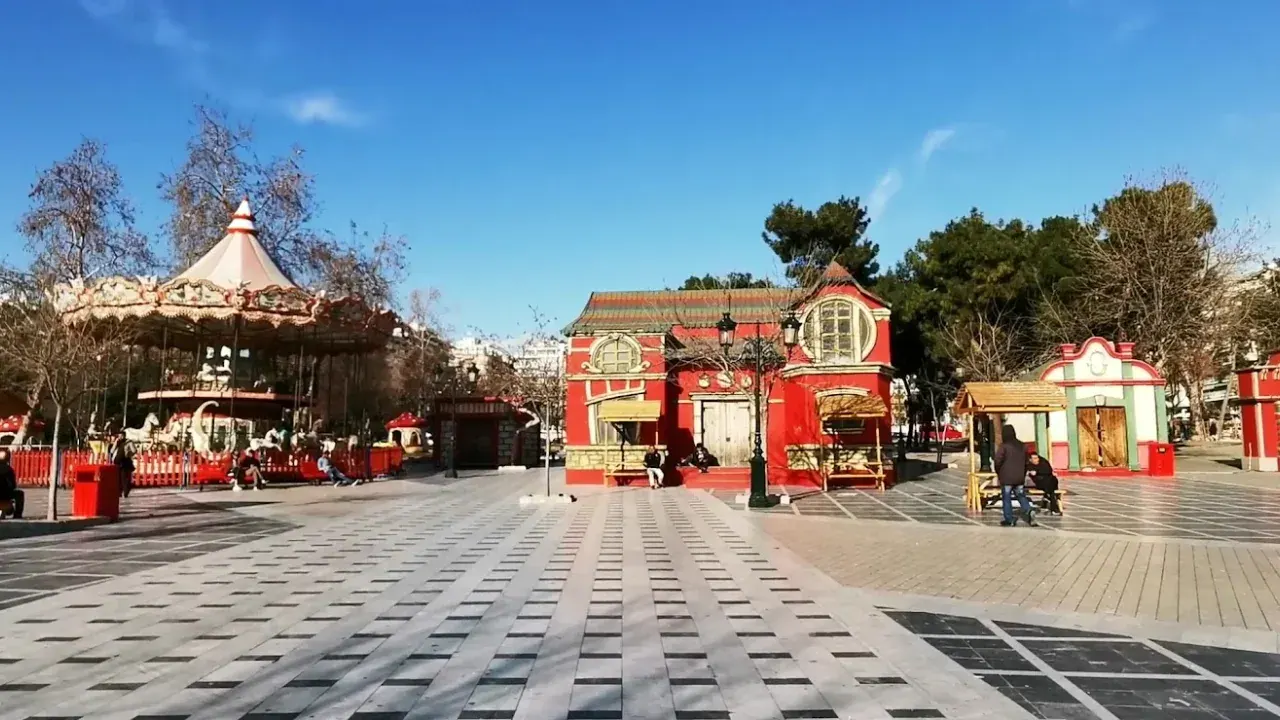
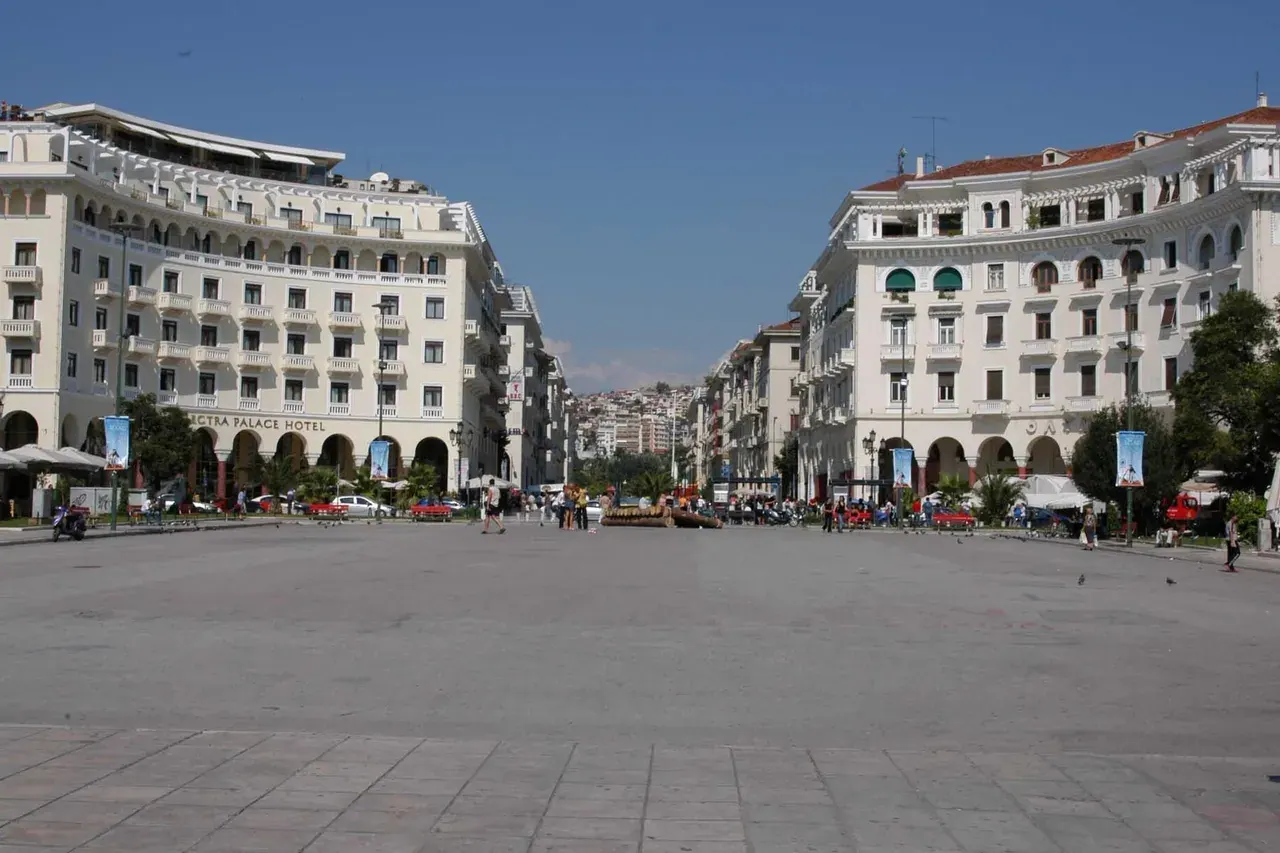
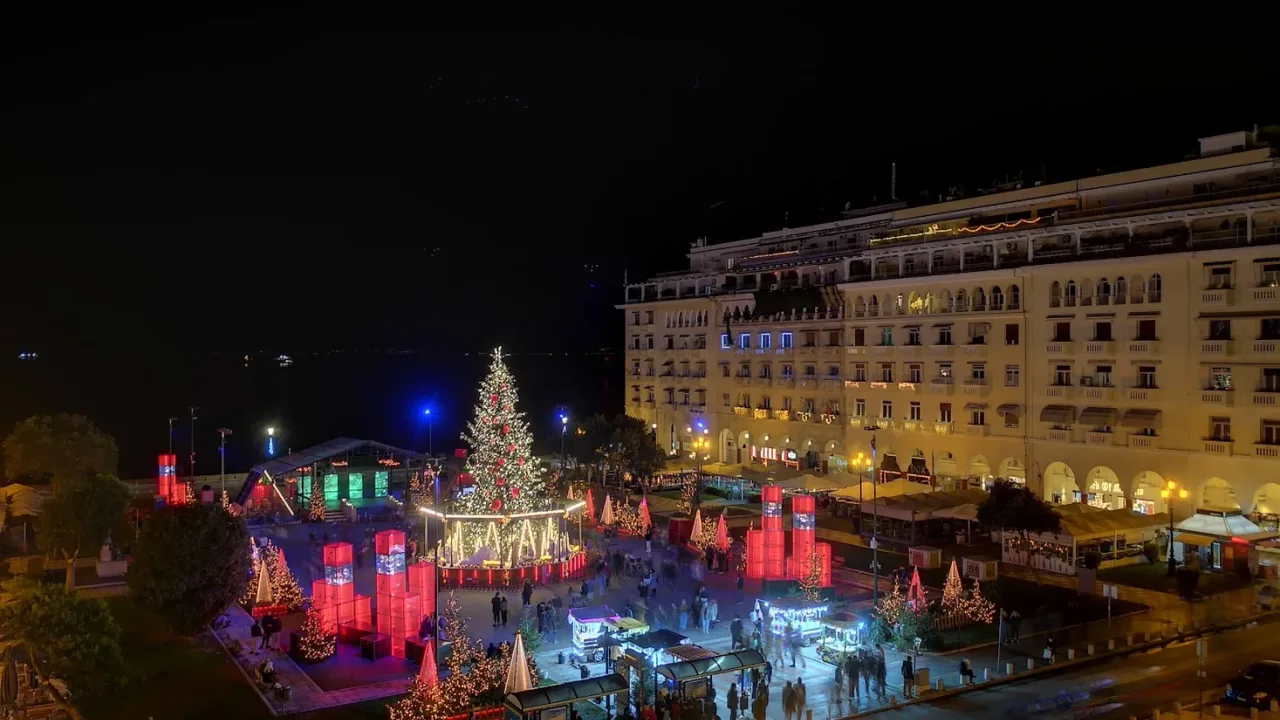
From early December the centre turns festive, and it's the best reason to come in winter. Aristotelous Square fills with Christmas lights, a big tree and a market of wooden stalls selling crafts, gifts and seasonal treats, with a children's carousel and music stage. There are ice rinks (at the city hall and around town), festive concerts at the Megaron concert hall, and street vendors selling roasted chestnuts, roasted corn and salep, a warm winter drink. The lights typically run from early December into the New Year — the single most atmospheric time to walk the city.
Late winter brings a second burst of festivity: Apokries, the pre-Lenten carnival, fills the three weeks before Lent (February into early March) with costumes and parties in the city, while nearby villages stage some of Greece's most striking traditional carnivals — the bell-clad koudounforoi of Sohos and the masked Boules of Naoussa. It closes on Clean Monday (Kathara Deftera — 15 March in 2027), a public holiday of kite-flying and lenten lagana flatbread that marks the start of Orthodox Lent.
What stays open
Almost everything — this is the key point. Unlike the island and beach resorts, Thessaloniki is a year-round city, so in winter you'll still find:
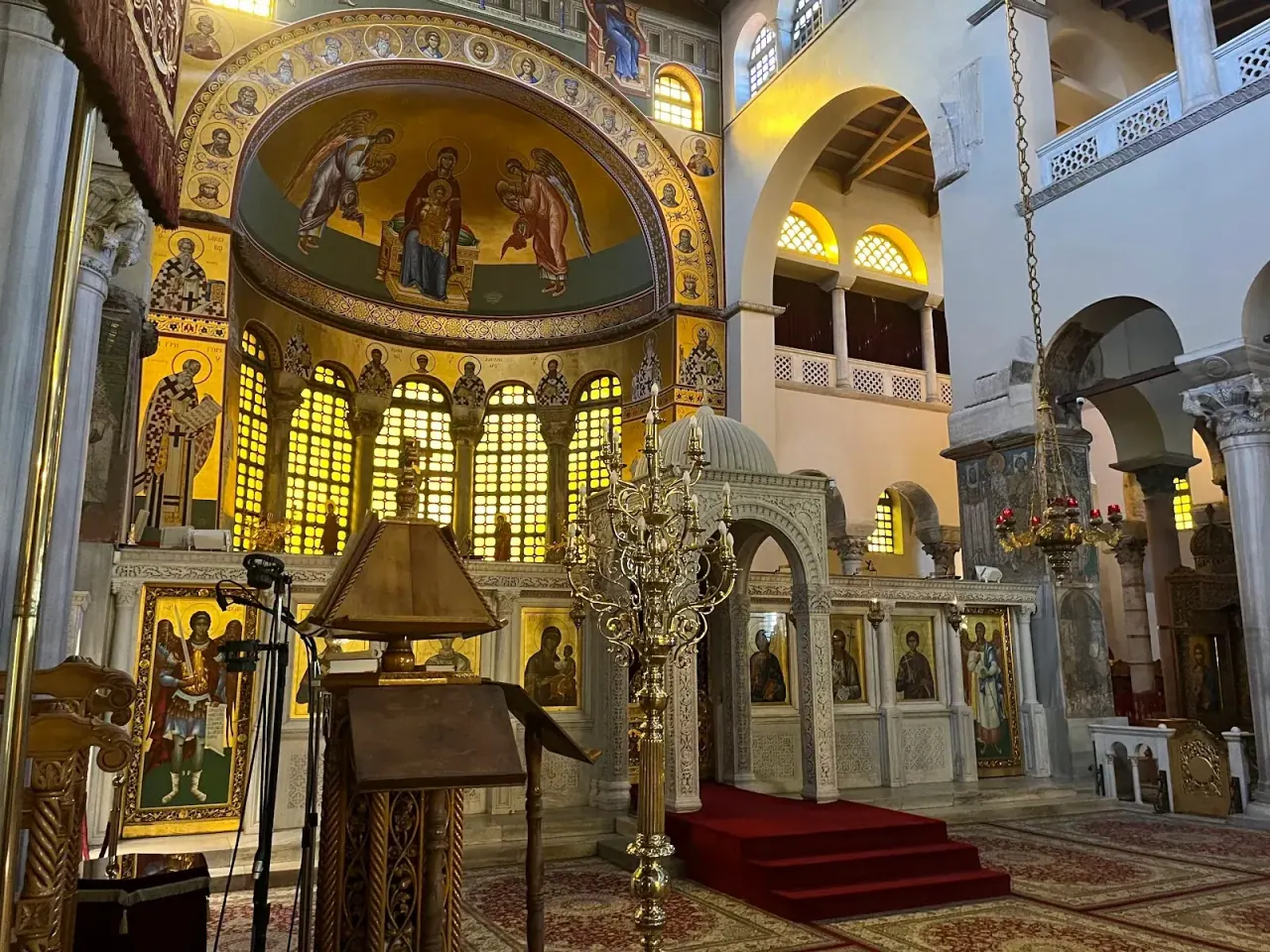
- Museums and monuments open — and Greek state monuments charge a reduced winter admission (the White Tower drops from €8 to €4, for example), though on shorter winter hours, so check before you go; see our best museums guide.
- Tavernas, mezedopoleia and cafés in full swing — winter is prime eating season.
- Nightlife at full strength; the bars of Valaoritou and Ladadika don't care what month it is, and winter is peak season for the glitzy, flower-strewn bouzoukia live-music clubs — see the nightlife guide.
Only the seasonal beach bars and some rooftop terraces wind down. The city itself doesn't.
What to eat in winter
Winter brings its own menu. Alongside the year-round bougatsa and street food, look for festive sweets — melomakarona (honey-syrup cookies), kourabiedes (powdered-sugar shortbread) and, around New Year, vasilopita (the cake with a lucky coin baked in). Hot, hearty taverna cooking, slow-cooked stews and a warming tsipouro come into their own. It's the cosiest season to work through the city's food scene.
Day trips and who it's for
Winter reshuffles the day trips: the museum-and-history outings — Vergina, Pella, the Edessa waterfalls — are great year-round and indoors-friendly, while Mount Olympus and the northern mountains turn snowy (there's skiing on nearby ranges). Skip the beaches. Winter suits culture-focused travelers, city-break and Christmas-market visitors, and anyone chasing low prices and small crowds. For the full year-round comparison, see our best time to visit guide.
Frequently Asked Questions
Is Thessaloniki worth visiting in winter?
Yes. As a working city rather than a seasonal resort, its museums, tavernas, cafés and nightlife stay fully open in winter, and December adds Christmas lights and markets. You'll face rain and short days, but you'll also get the lowest prices of the year and the sights largely to yourself.
What is the weather like in Thessaloniki in winter?
Mild by Northern-European standards but genuinely rainy, with chilly, damp spells and short days. Snow in the city is rare, though the surrounding mountains get plenty. Pack layers, a warm waterproof and good shoes, and plan a mix of indoor museums and outdoor wandering.
What is there to do in Thessaloniki at Christmas?
Aristotelous Square fills with Christmas lights, a tree and a market of wooden stalls, plus ice rinks, festive concerts at the Megaron, and vendors selling roasted chestnuts and salep. Add the city's year-round museums, tavernas and nightlife, and seasonal sweets like melomakarona and kourabiedes.
Is winter a cheap time to visit Thessaloniki?
Yes — winter (December to March), excluding the Christmas and New Year peak, is the cheapest time, with lower hotel rates, cheaper flights and few crowds. You trade beach weather and long days for rain and short daylight, but the city's indoor life is built for exactly that.