Greece has gone noticeably more cashless in the last few years, and Thessaloniki is no exception — cards are accepted almost everywhere a visitor would spend money. But "almost everywhere" is doing some work in that sentence, and the gap between what the big hotels and restaurants take and what the kiosk on the corner takes is exactly where travellers get caught out. Here's what actually needs cash, which ATMs to use, and the fee trap worth knowing before you ever insert a card.
Cash or card: the quick answer
| Where | Cash or card? |
|---|---|
| Restaurants, cafés, hotels, most shops | Card widely accepted |
| Taxis | Card increasingly accepted, but carry cash as backup |
| Kiosks (periptera), small bakeries, markets | Cash usually required |
| Small family-run tavernas, especially outside the centre | Cash often preferred or required |
| Public toilets, some parking meters | Coins/cash only |
| Tipping | Cash strongly preferred |
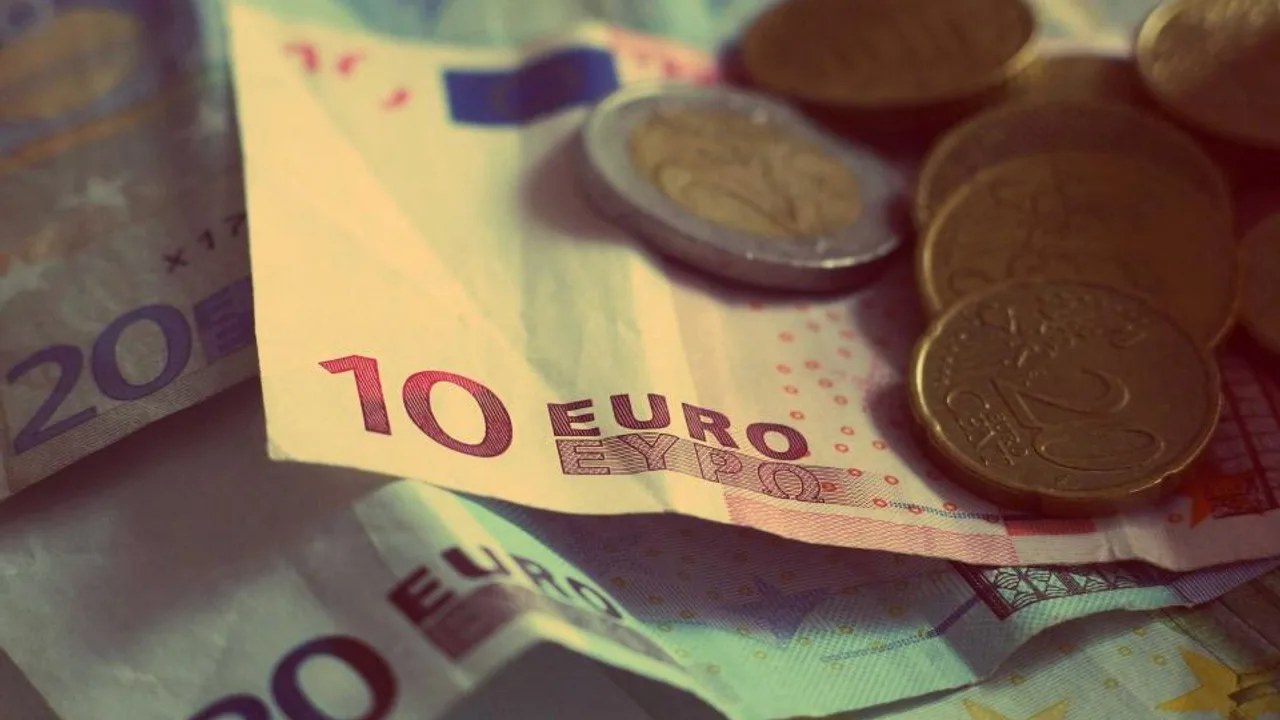
The practical takeaway: keep €30–50 in small bills and coins on you at any given time, and let card handle the bigger, planned purchases. You won't need much more than that day to day, but running out entirely will trip you up at exactly the wrong moment — usually a bougatsa stand or a market stall with no card reader in sight.
Where you'll actually need cash
Thessaloniki's kiosks (periptera) — the small newsstand-style stalls selling snacks, cigarettes, phone credit and bus tickets — are a cash-first institution, and you'll walk past dozens of them a day. The Modiano and Kapani markets lean cash-heavy too, especially at the smaller stalls, even if some vendors have picked up card readers in recent years. Small, family-run tavernas off the main tourist streets sometimes don't take cards at all, or add a minimum spend for card payments — always worth asking before you order if you're not sure. And if you're tipping (see our tipping in Thessaloniki guide), cash left on the table is the more reliable way to make sure it reaches your server directly.
The dynamic currency conversion trap
This is the single most expensive mistake a visiting card-user makes in Greece, and it's worth understanding before your first transaction. When you pay by card or withdraw from an ATM, you'll often be asked whether you want to be charged in euros or your home currency — this is called Dynamic Currency Conversion (DCC). It sounds like a convenience. It's not.
Always choose to be charged in euros. DCC exchange rates are set by the merchant or ATM operator, not your bank, and they're consistently worse than what your card issuer would give you — the markup across Europe averages around 5%, and some documented cases have run well into double digits. One widely cited traveller account describes paying roughly €120 to withdraw the equivalent of €100 after accepting DCC at an ATM. The screen prompt is usually phrased as a "yes/no" choice framed to sound helpful ("Would you like to know the cost in US dollars?") — the answer you want is always no, charge me in EUR.
Which ATMs to use
Not all ATMs in Thessaloniki are equal, and the difference shows up directly in your statement.
| ATM type | Typical fee | Notes |
|---|---|---|
| Bank-branded ATMs (Alpha Bank, Piraeus Bank, Eurobank, National Bank of Greece) | Often lower, sometimes waived with partner banks | Attached to a physical bank branch; generally the safer, cheaper choice |
| Standalone/independent ATMs (Euronet and similar blue-and-yellow machines) | Higher — commonly €2–5 flat fee plus DCC prompts | Common in tourist areas and near the airport; convenient but costly |
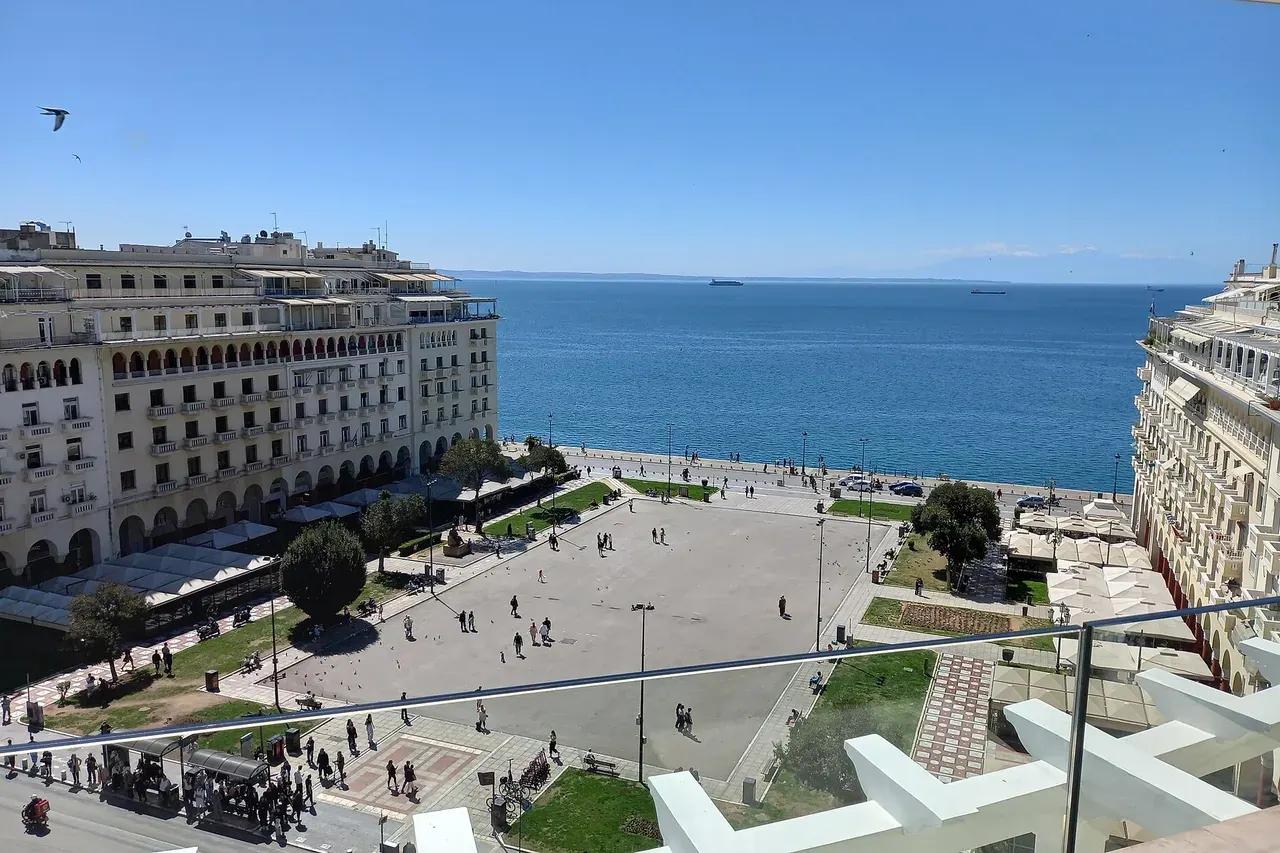
Stick to bank-branded machines — Alpha Bank, Piraeus, Eurobank and the National Bank of Greece all have branches around Aristotelous Square and the centre — rather than the standalone Euronet-style machines that cluster near tourist attractions and the airport. Before you travel, check whether your home bank has a partner network in Greece; some international banks waive foreign ATM fees entirely at partner branches, which can save you real money over a week-long trip. Whichever machine you use, withdraw larger amounts less often rather than small amounts repeatedly — most ATMs charge a flat fee per transaction regardless of the amount, so five small withdrawals cost roughly five times what one larger one does.
For US and UK travellers
US travellers: most US debit and credit cards charge a 1–3% foreign transaction fee on top of whatever the ATM charges, so a no-foreign-fee travel card (several US banks and fintechs offer them) pays for itself within a couple of withdrawals. Chip-and-PIN is standard here — make sure you know your PIN before you land, since chip-and-signature can occasionally trip up unattended machines like parking meters.
UK travellers: since Brexit, UK cards are generally treated as "foreign" for fee purposes just like any other non-EU card, so the same DCC and foreign-transaction-fee advice applies — check your card's terms before relying on it for cash withdrawals, and consider a fee-free travel card for the trip.
For either market, if mobile data matters more to your money logistics than ATM fees do — using your banking app instead of carrying much cash, or navigating with offline maps as a backup — grabbing a Saily eSIM before you land means you're online from the airport without hunting for a local SIM counter or paying your home carrier's roaming rates.
What actually accepts card in Thessaloniki
To be specific rather than just reassuring: every hotel we've covered on this site, the vast majority of restaurants including every taverna aimed at a mixed local-and-visitor crowd, all the major museums and landmarks (the White Tower, the Archaeological Museum, the Byzantine Culture museum), supermarkets, pharmacies and the metro and bus network all take contactless card or phone payment without issue. Greek card terminals are modern and contactless-first — tapping a card or phone is usually faster than fumbling for cash, which is part of why the city has moved toward card so quickly. Buses, in fact, are now cashless only — you tap a contactless card or phone on the reader, and a driver won't take coins at all, which is one of the few places in the city where card isn't just accepted but required.
A note on card fraud and skimming
Thessaloniki isn't a particularly high-risk city for card fraud by European standards, but the usual precautions apply anywhere cards get heavy tourist use: cover the keypad when entering a PIN, prefer ATMs attached to a staffed bank branch over standalone street machines (which are both more expensive, as covered above, and marginally easier to tamper with), and check your bank's app periodically during a longer trip rather than waiting for a monthly statement to catch anything unusual. None of this is Thessaloniki-specific caution so much as standard travel-card hygiene, but it's worth folding into the same mental checklist as the DCC advice above, since both come up at the same ATM screen.
Currency exchange offices: mostly skip them
You'll see standalone currency exchange booths around the centre and near tourist attractions, and unless you're arriving with a stack of foreign banknotes and no card at all, they're rarely worth using. Their exchange rates typically build in a wider spread than you'd get from simply withdrawing euros directly from a bank-branded ATM with a fee-free or low-fee card, and the convenience they offer — walking in with cash, walking out with euros — is easily replaced by the ATM network covered above. If you do end up needing to exchange physical cash, compare the posted rate against the mid-market rate on your banking app first; a wide spread there is the same trap as DCC, just packaged differently.
Frequently Asked Questions
Do I need cash in Thessaloniki, or is card enough?
Card covers most planned spending — restaurants, hotels, shops, most taxis. But kiosks, market stalls, small tavernas and tipping are cash-first, so carry €30–50 in small bills as a working buffer rather than relying on card alone.
Should I say yes or no to "pay in your home currency" at an ATM?
Always say no — choose to be charged in euros. That prompt is Dynamic Currency Conversion (DCC), and it applies a worse exchange rate set by the ATM operator, not your bank, typically costing several percent more than paying in EUR.
Which ATMs have the lowest fees in Thessaloniki?
Bank-branded ATMs — Alpha Bank, Piraeus Bank, Eurobank, and the National Bank of Greece — generally charge lower fees than standalone machines like Euronet, which commonly add a flat €2–5 charge plus a DCC prompt. Withdraw larger amounts less often to minimise the per-transaction fee.
Do US and UK cards work normally in Thessaloniki?
Yes, chip-and-PIN cards from both countries work at the vast majority of card terminals and ATMs. The main cost to watch is foreign transaction fees (commonly 1–3%) charged by your home bank, plus the DCC trap at the point of sale — both avoidable with the right card and by always choosing to pay in euros.