Eating your way through Thessaloniki is easy. Learning to cook what you've been eating is the souvenir that lasts. In the acknowledged food capital of Greece — a city shaped by Ottoman, Sephardic and refugee kitchens — a hands-on cooking class is one of the most rewarding half-days you can spend, and you go home able to recreate the trip at your own table. Here's what a Greek cooking class here actually involves, who it suits, and the one we'd book.
What you'll cook
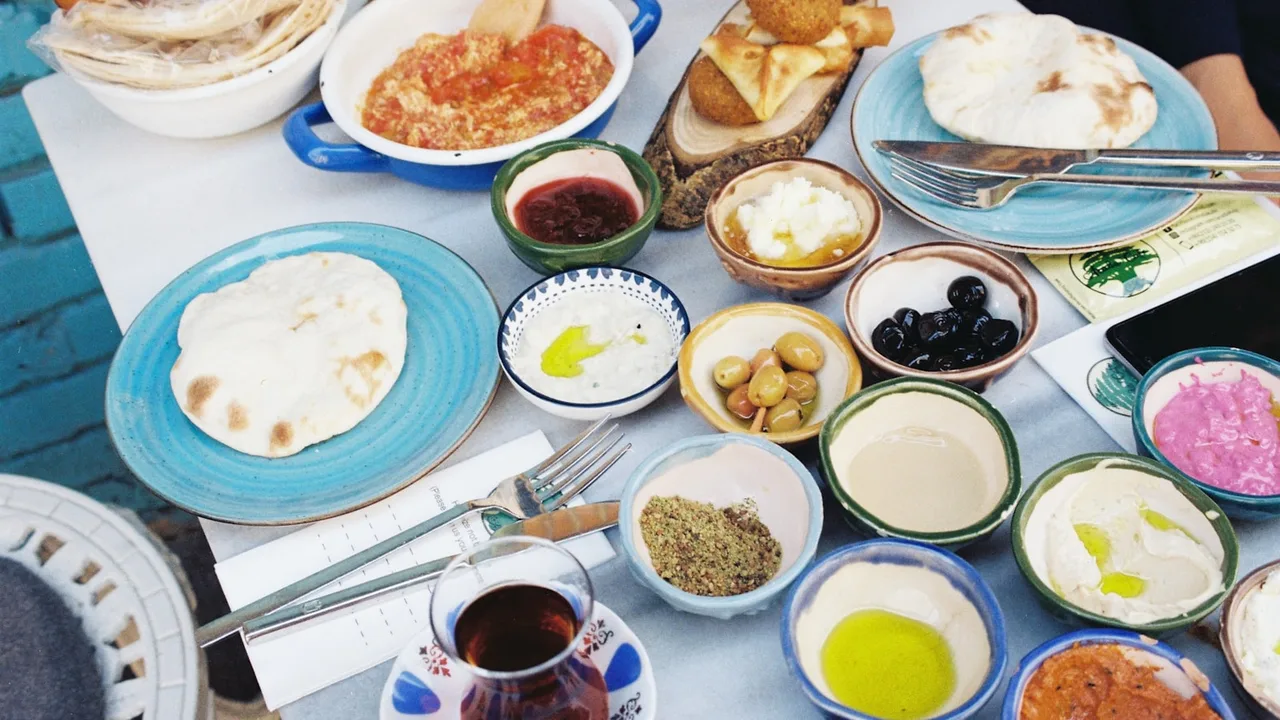
Classes lean on the Greek classics rather than restaurant showpieces — the home cooking that defines the region. Depending on the host and the season, expect to make some of: tzatziki and other dips, dolmades (stuffed vine leaves), a horiatiki (village salad) done properly, ladera (olive-oil-braised vegetables), spanakopita or another filo pie, moussaka or a slow-baked main, and something sweet to finish. Much of it happens to be vegetable- and pulse-heavy, so classes adapt well to vegetarians and, with notice, vegans.
How a class works
Most sessions run three to four hours and follow the same satisfying arc: a bit of background on Greek and Macedonian food culture, hands-on prep of several dishes together, and then the best part — sitting down to eat everything you've made, usually with local wine or tsipouro. Some classes begin with a walk through the Kapani or Modiano markets to buy the ingredients, turning it into a market-to-table experience; others cook in a family home for a more intimate feel. You'll leave with the recipes.
The class we'd book
For a genuinely local experience, the standout is a cooking class in a Thessaloniki family's home kitchen — a small-group, roughly three-to-four-hour session cooking a full Greek menu with hosts who treat you like a returning relative, then eating it all together. It rates 4.9★ (around 128 reviews) and runs from about €59 per person.
Check availability on GetYourGuide →
Prices and start times change with the season, so confirm the current details when you book. See more food experiences on our activities page.
Cooking class or food tour?
They're different pleasures. A food tour is about tasting — grazing the markets and holes-in-the-wall with a guide to understand the city's food in a couple of hours. A cooking class is about making — slower, hands-on, and you come away with skills and recipes, not just a full stomach. Doing a tour early in your trip and a class later is a genuinely great pairing: taste the city first, then learn to cook it. Either way, our food guide maps the wider scene.
Practical tips
- Book ahead. Good classes are small and fill up, especially in summer and around the September fair.
- Flag dietary needs when you book — vegetarian is easy, vegan and gluten-free usually fine with notice.
- Come hungry. You'll eat a full meal of what you cooked at the end, so don't plan a big lunch beforehand.
- It suits everyone from solo travellers and couples to families — no cooking experience needed.
Frequently Asked Questions
How much does a cooking class in Thessaloniki cost?
Small-group Greek cooking classes generally start from around €59 per person for a roughly three-to-four-hour session that includes the ingredients and a full meal of what you've cooked, usually with wine. Private and market-to-table classes cost more. Prices vary by host and season, so check current rates when booking.
How long does a Greek cooking class take?
Most run three to four hours: some background on the cuisine, hands-on cooking of several dishes, and then sitting down to eat everything you've made. Classes that begin with a market shop for ingredients sit at the longer end.
What do you cook in a Thessaloniki cooking class?
Greek home classics rather than restaurant dishes — dips like tzatziki, dolmades, a proper village salad, olive-oil-braised vegetables, a filo pie such as spanakopita, a baked main like moussaka, and a sweet to finish. Menus shift with the season and the host, and adapt well for vegetarians.
Is a cooking class or a food tour better in Thessaloniki?
Both are worth it and they do different things: a food tour is a guided tasting through the markets and street food, while a cooking class is a hands-on session where you make and then eat a Greek meal. If you can only pick one, choose a tour to taste widely, or a class to take the recipes home.